How Local Conditions Play In
West Jordan's housing stock runs from 1969 to 2012
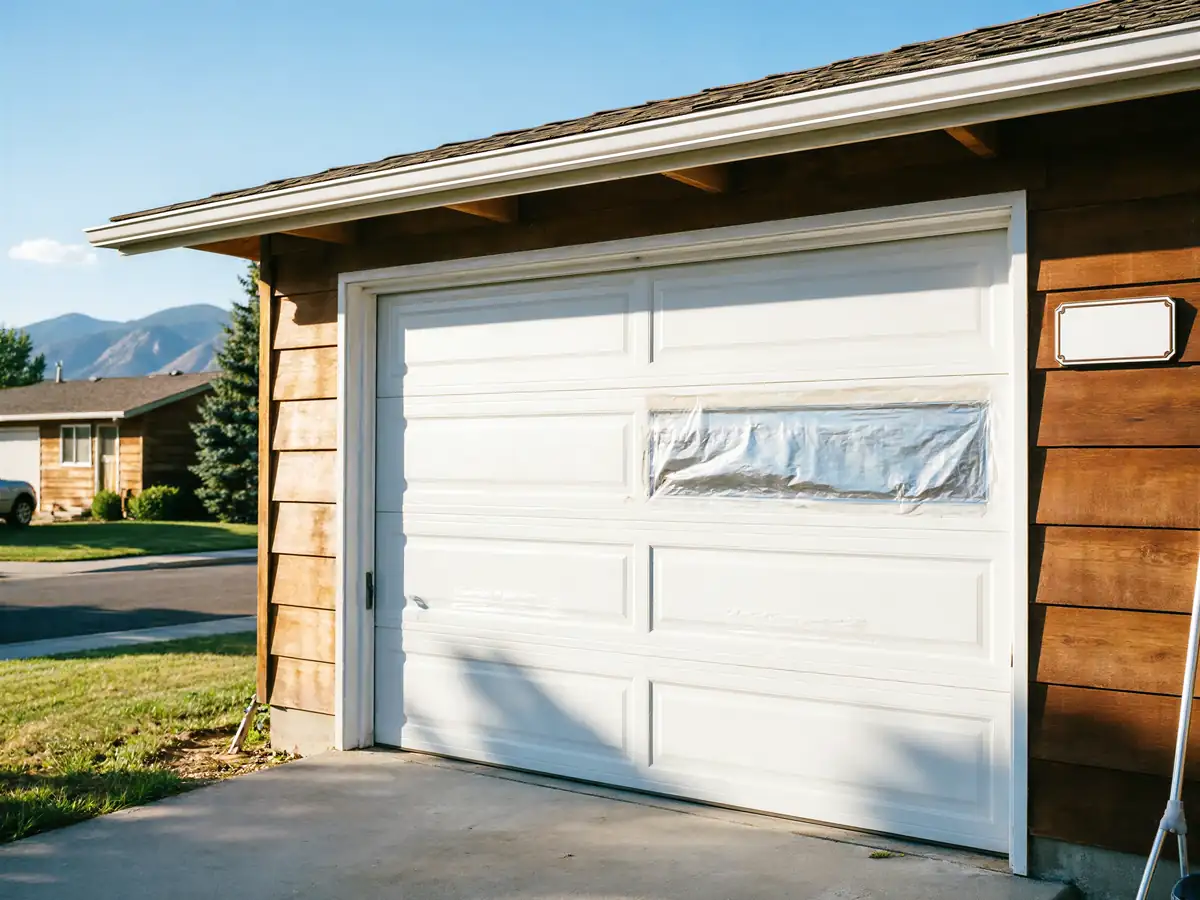
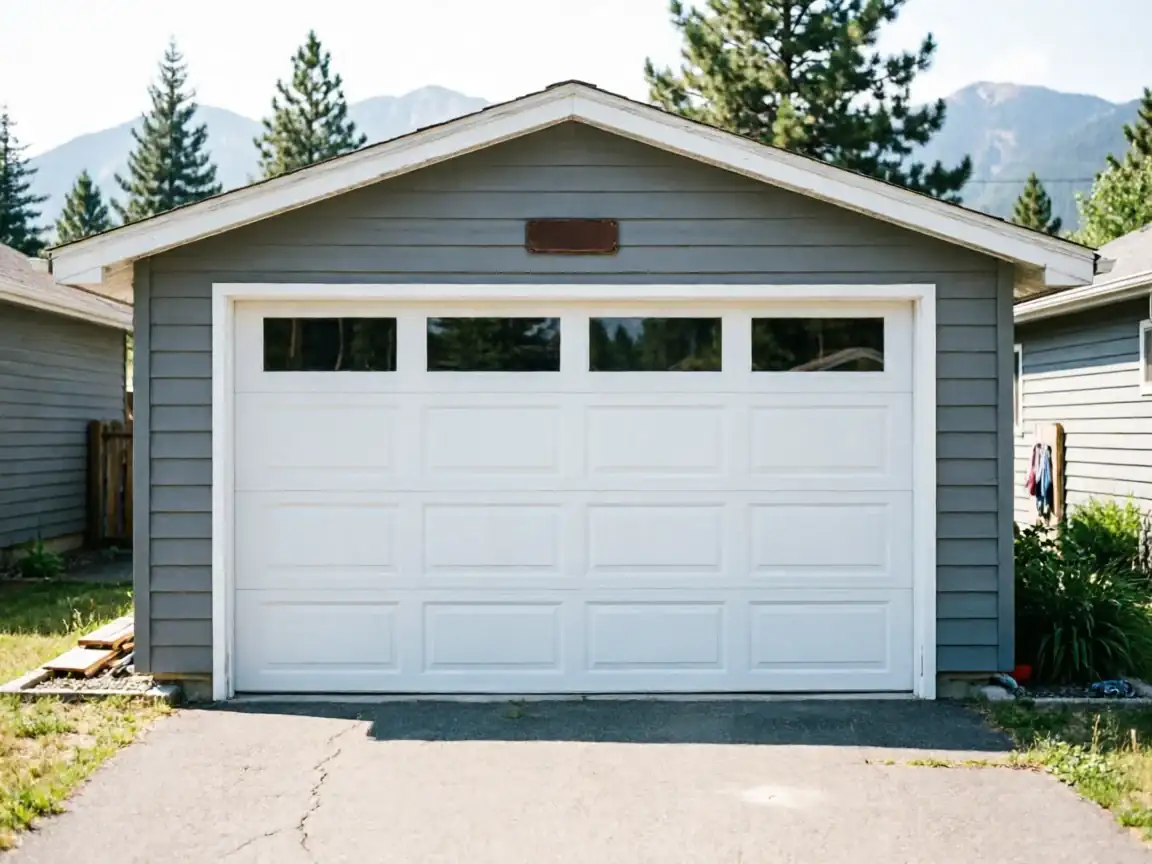
With the median home built in 1999, and most of it clusters in that 1980s and 90s window. That matters more than people think. A door hung in 1985 was built to a different standard than one hung today - thinner steel skin, no polystyrene or polyurethane core, and a single layer of material standing between the garage and a Wasatch Front winter that this area's climate data marks as cold and severe. We're not talking about a cosmetic gap. An uninsulated door in a severe-cold band transmits temperature straight through, which is why pipes along the garage wall freeze and why the door itself stiffens, binds, and cracks at the seams faster than a newer, insulated panel would.
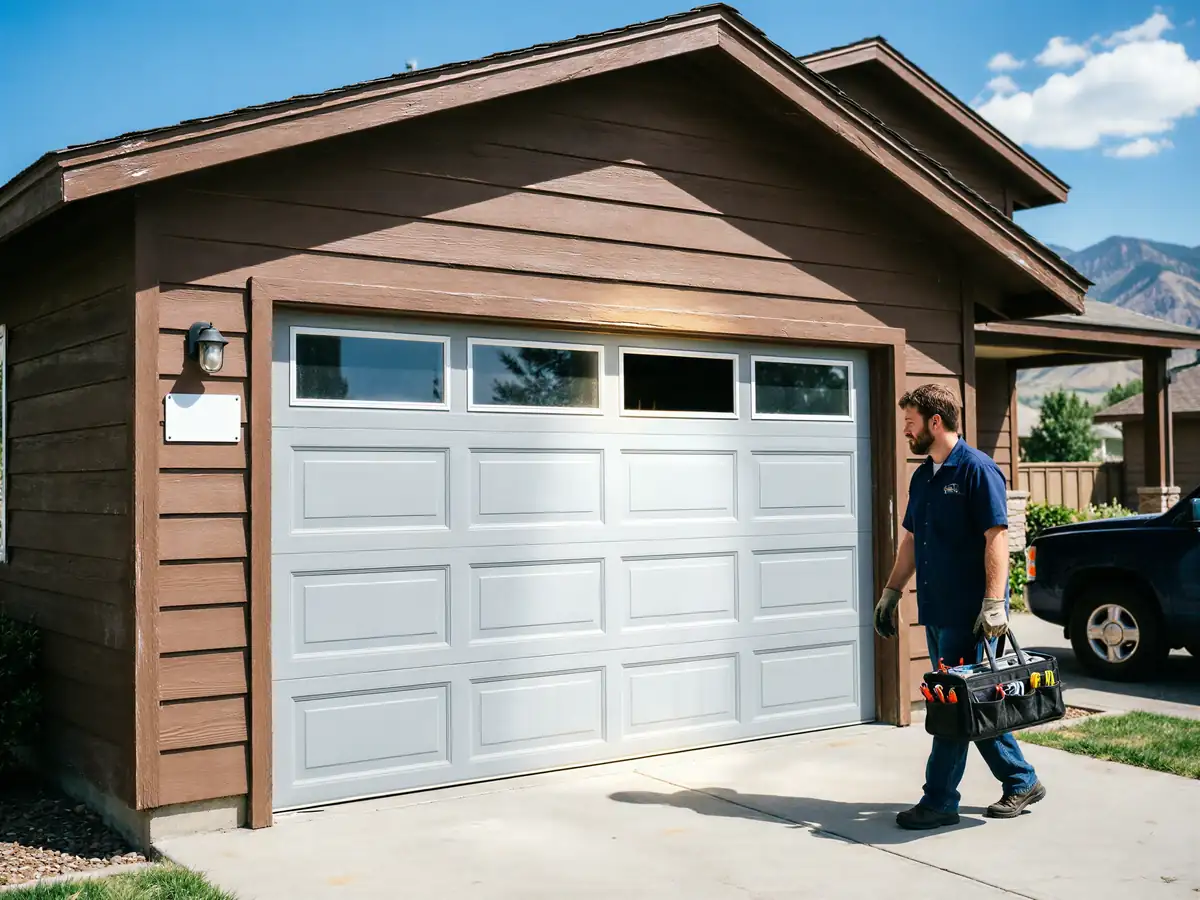
Drive a few minutes north toward the older sections of West Jordan and the doors tell a different story
Bare steel, exposed fasteners, and springs sized for a lighter, uninsulated panel. If your house falls in that 1980s-90s band, your door was very likely built before anyone was required to think about insulation at all.
Checking It Yourself
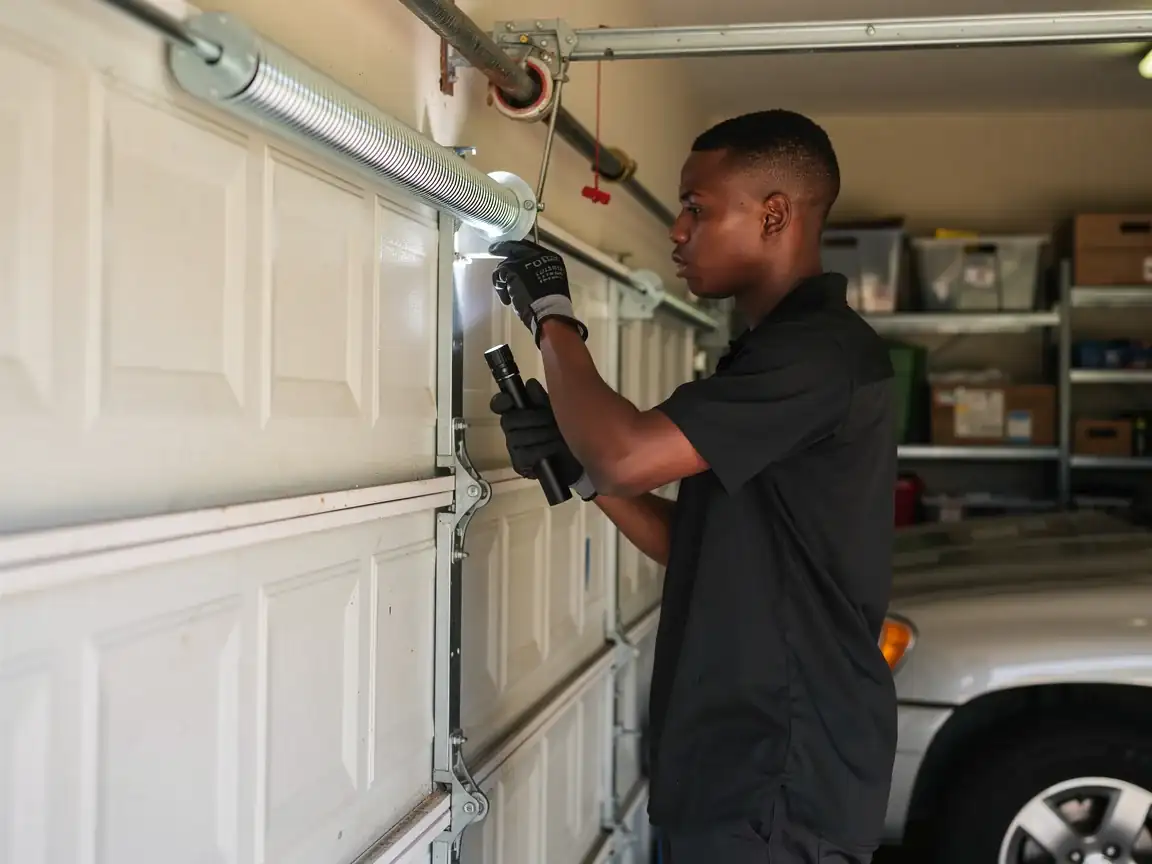
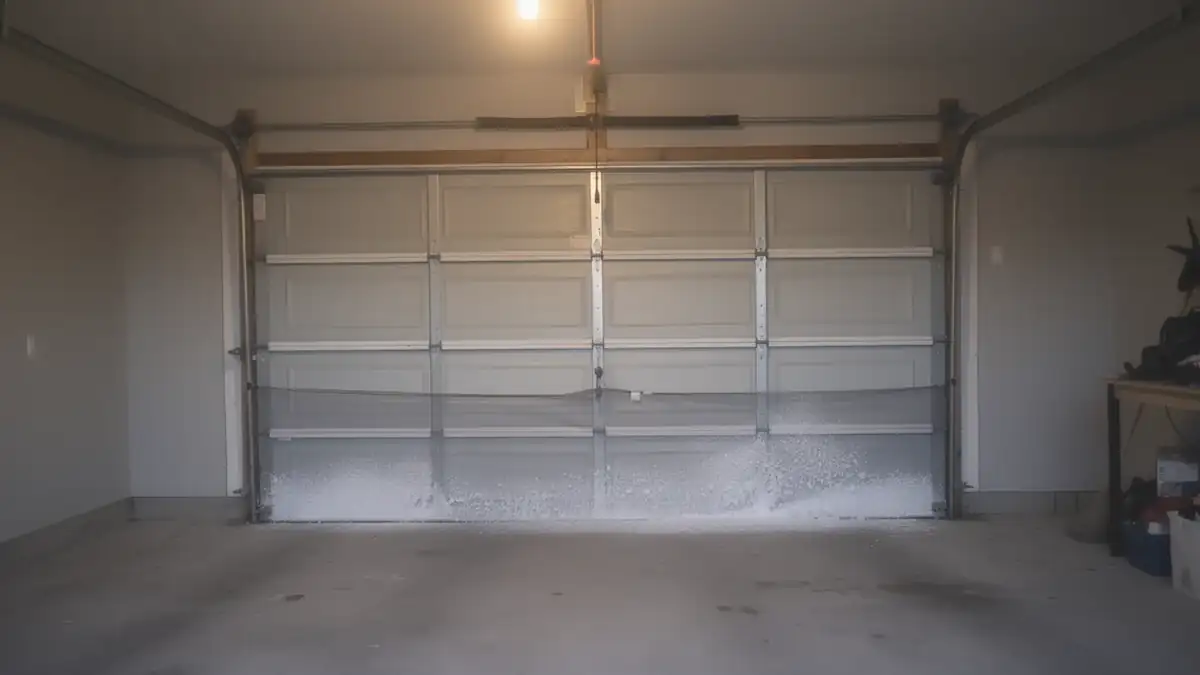
Start by looking at the inside face of the door. If you see bare steel ribbing with nothing behind it - no foam board, no white backer panel - you've got one of the uninsulated doors common to West Jordan's older stock. Press your palm flat against the panel on a cold morning. If it feels as cold as the outside air within a few seconds, there's no thermal break in that door.
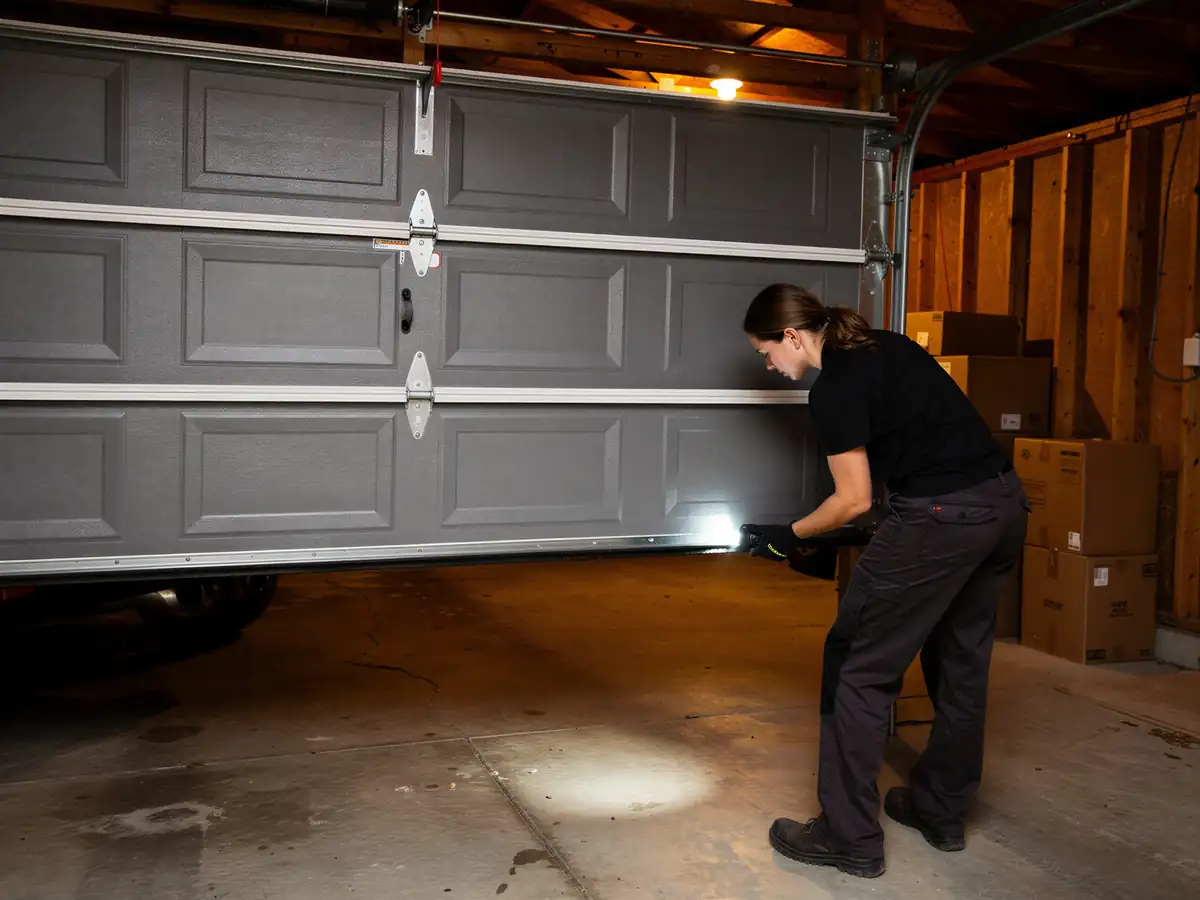
Next, check the bottom seal. On doors from the 1980s and 90s, the astragal is often a thin vinyl strip, not the thicker bulb seal used on newer installs. If daylight shows underneath, cold air is getting in regardless of what's happening with the panel itself.
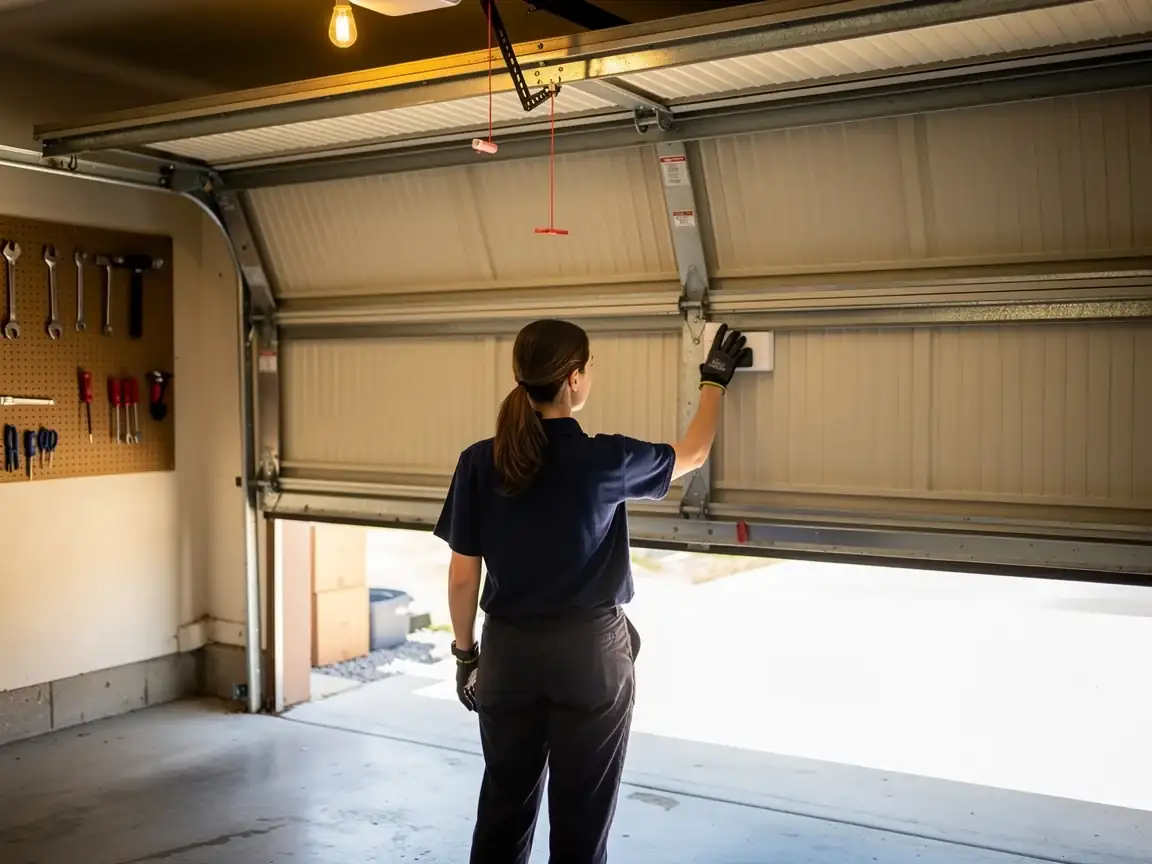
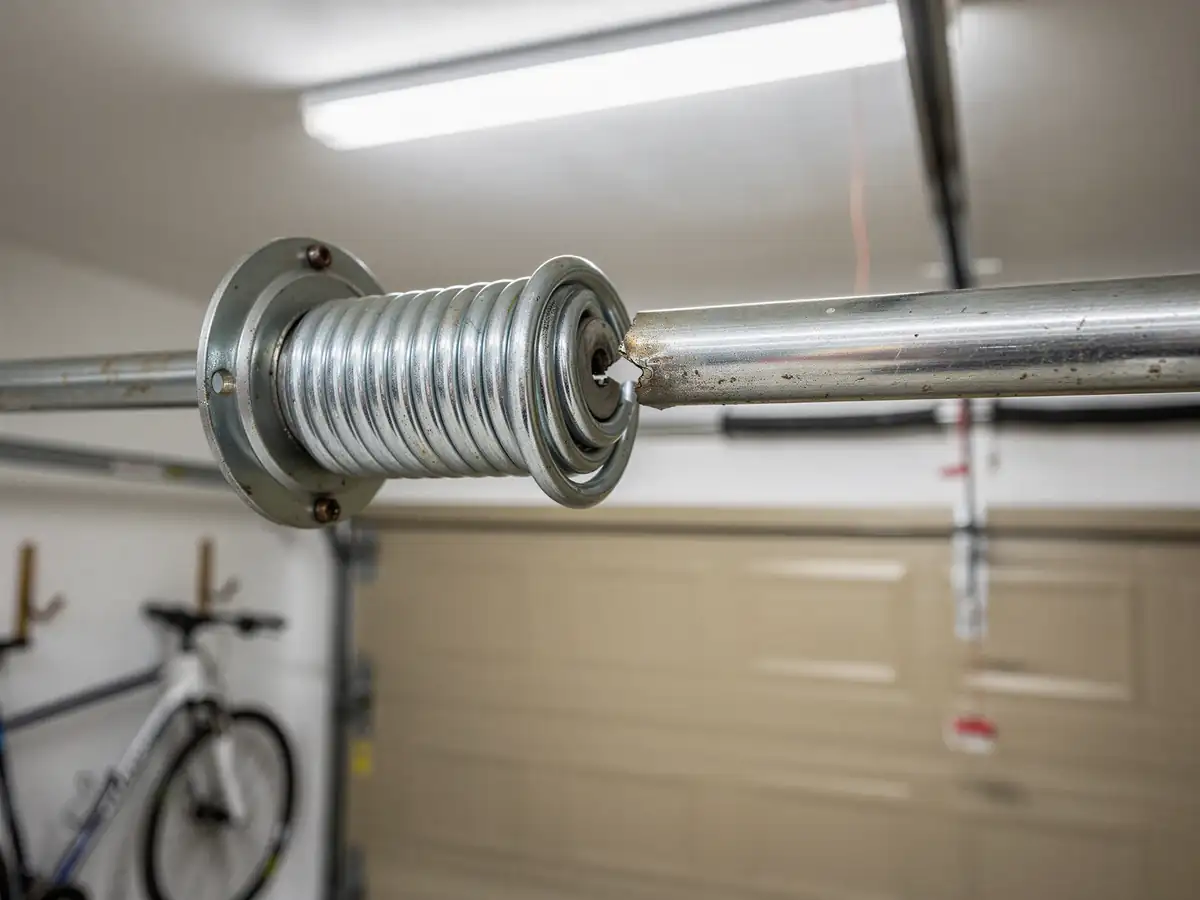
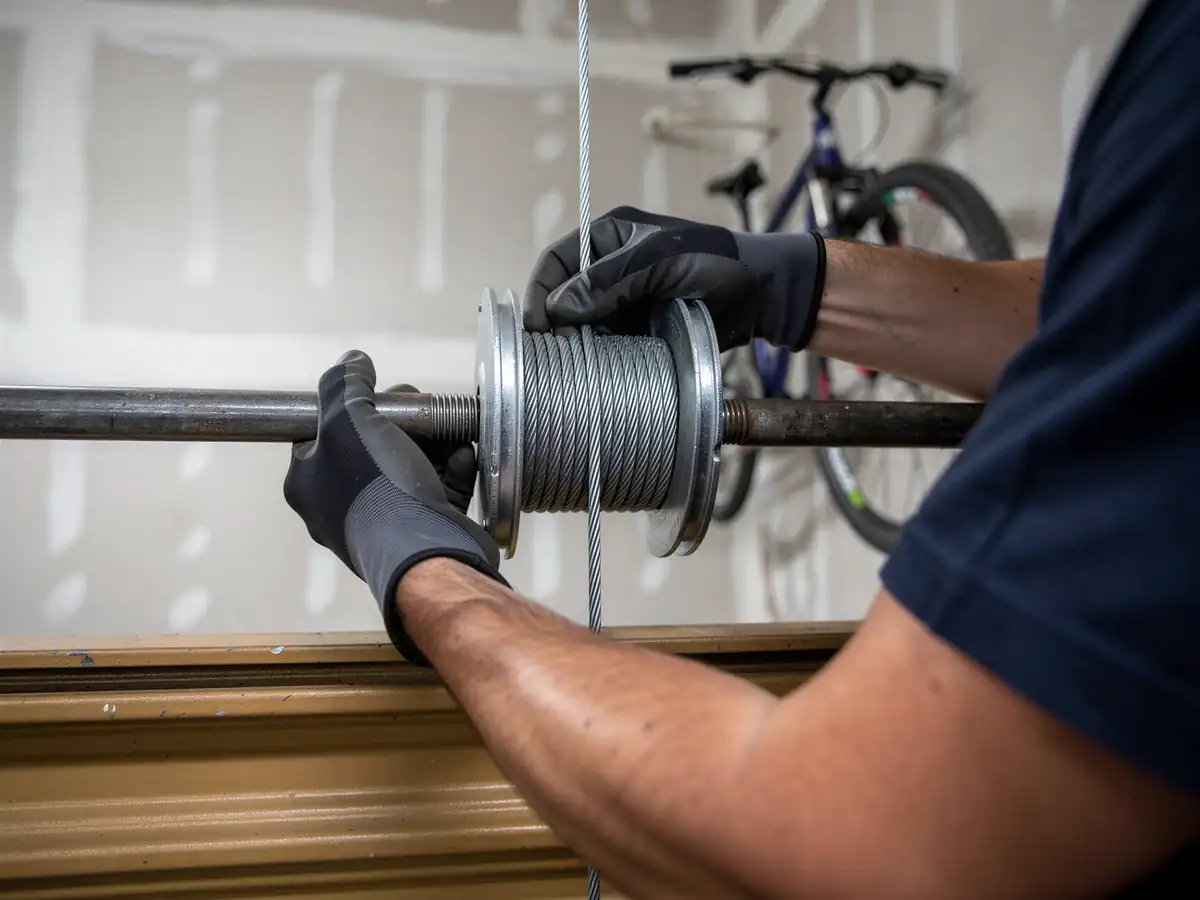
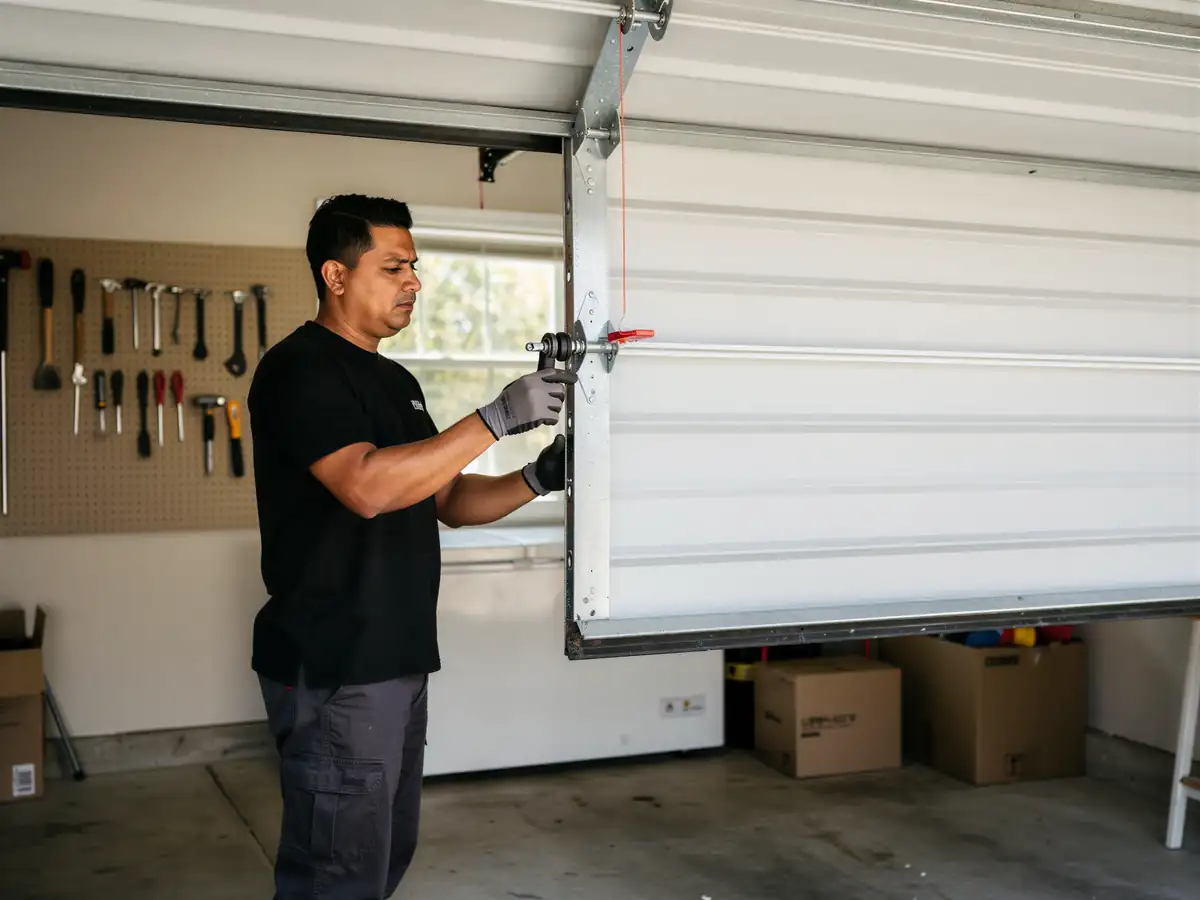
Last, cycle the door by hand with the opener disconnected. An uninsulated steel door should feel light. If it feels heavy or binds halfway up, that's usually the springs working harder than they were sized for, which happens as hardware ages past its expected cycle count. None of this requires tools, just five minutes and a flashlight. We can't tell you the exact age of your door without seeing it, but the panel construction alone usually tells the story.
Season by Season
Winter is when the gap between an insulated and uninsulated door shows up hardest here, given this area's severe-cold climate rating. Steel contracts in the cold, and a single-layer panel with no backer does it unevenly, which is why older doors develop a slight bow or won't seat flush against the weatherstrip by February. Springs lose tension faster in cold temperatures too, so a door that was fine in October can feel noticeably heavier by January.
Spring brings the opposite problem: thaw cycles swell wood jambs on houses from the 1970s and 80s, and a door that was already running tight against the frame starts catching on the track.
Summer is lower-stress for the door itself, but it's the season to deal with anything you noticed over winter, since parts and scheduling are generally easier to come by before the cold sets back in.
Fall is the window to get ahead of it - check the seal, check the springs, and if the door is original to a 1980s or 90s build, decide now whether a repair or a full insulated replacement makes more sense before the cold-weather calls start stacking up.
The Problem
Here's the core issue
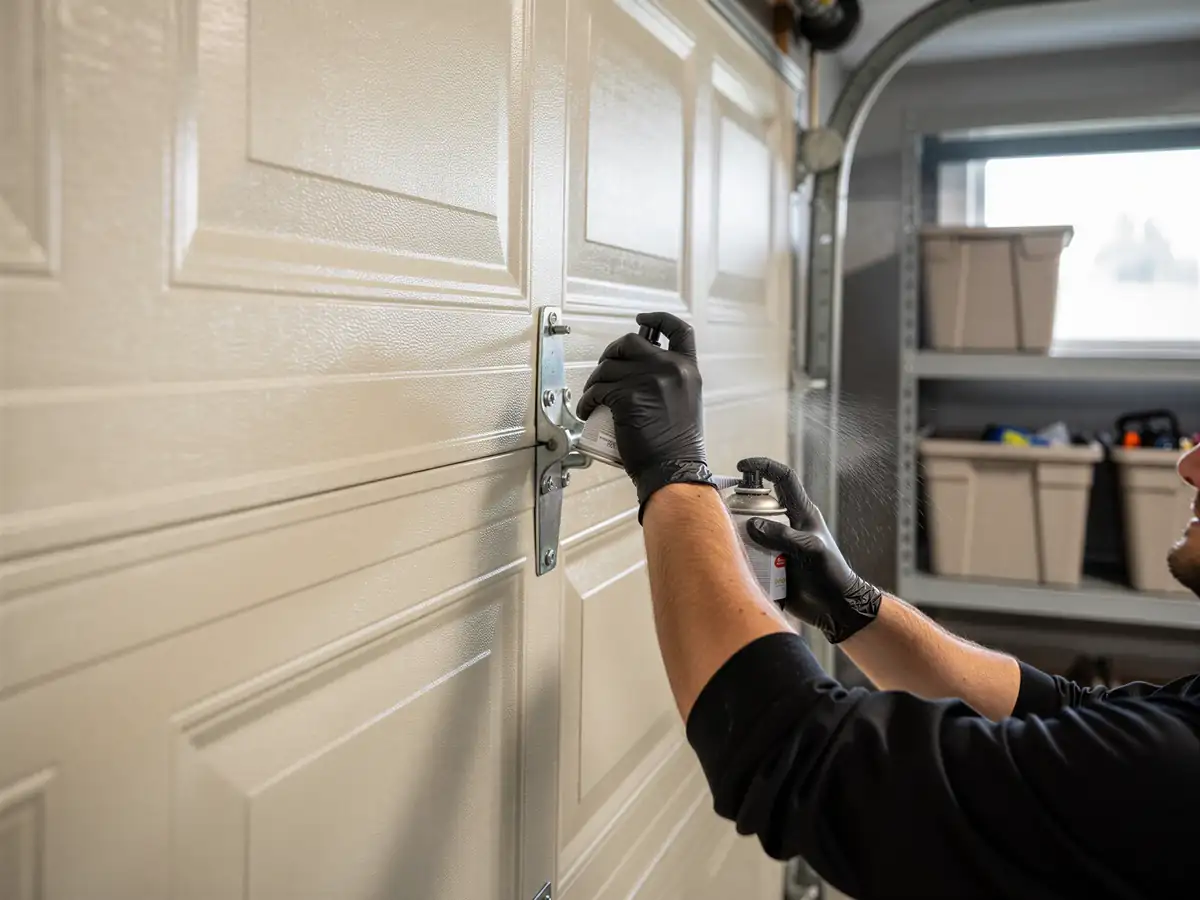
A large share of West Jordan was built in the 1980s and 90s, before insulation requirements applied to garage doors the way they do now, and that hardware is reaching the point where repair stops making sense. We'll be straight with you - we don't retrofit foam insulation into an old single-layer steel skin. It's not a real fix; the panel still flexes and the thermal performance barely changes. On a door that old, replacement with a properly insulated panel is usually the honest answer, not another patch.
That said, not every call is a replacement call
A worn bottom seal or a spring that's lost tension doesn't mean the door is done - plenty of these 1980s and 90s doors have good bones and just need the wear parts addressed. The judgment call is knowing which is which, and that's usually obvious once you're looking at the actual hardware rather than guessing from the age of the house alone.