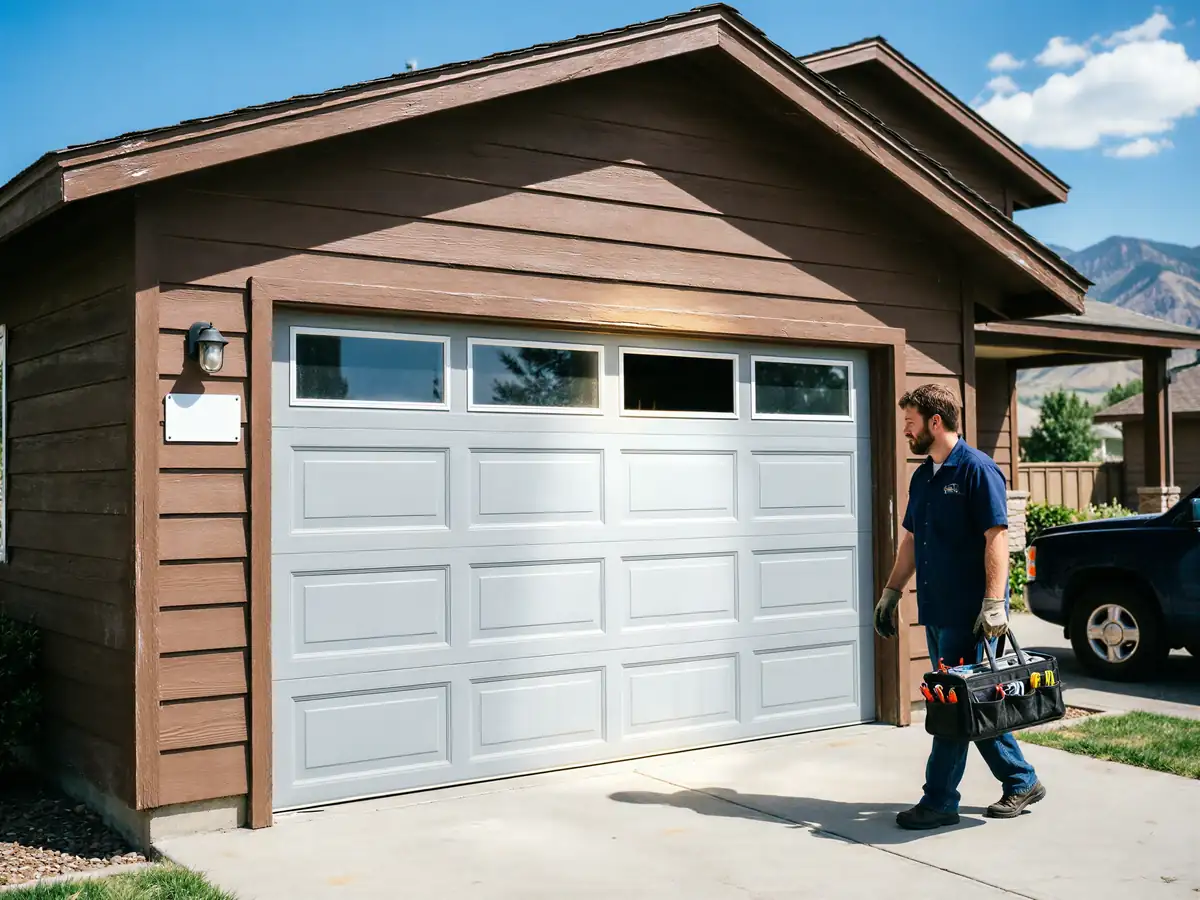
What's Actually Included in a West Jordan Garage Door Service Call
A look at what a garage door service call actually checks in West Jordan, UT, where most houses date to the 1980s-90s stock and winters run cold and severe.
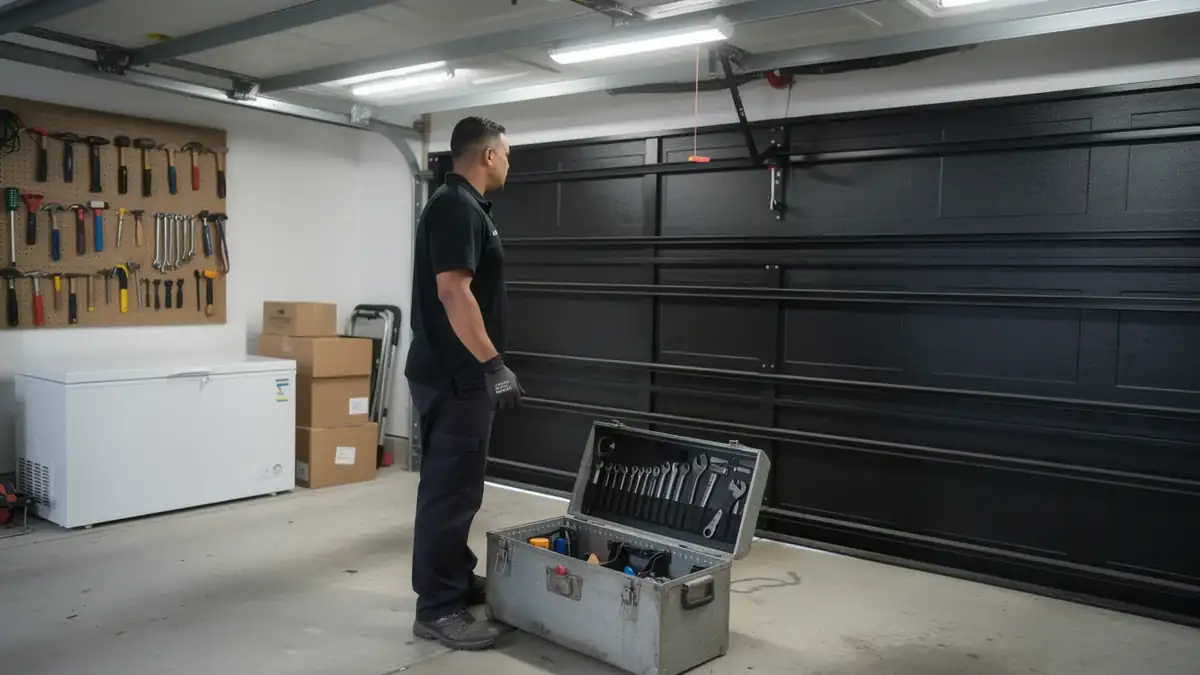
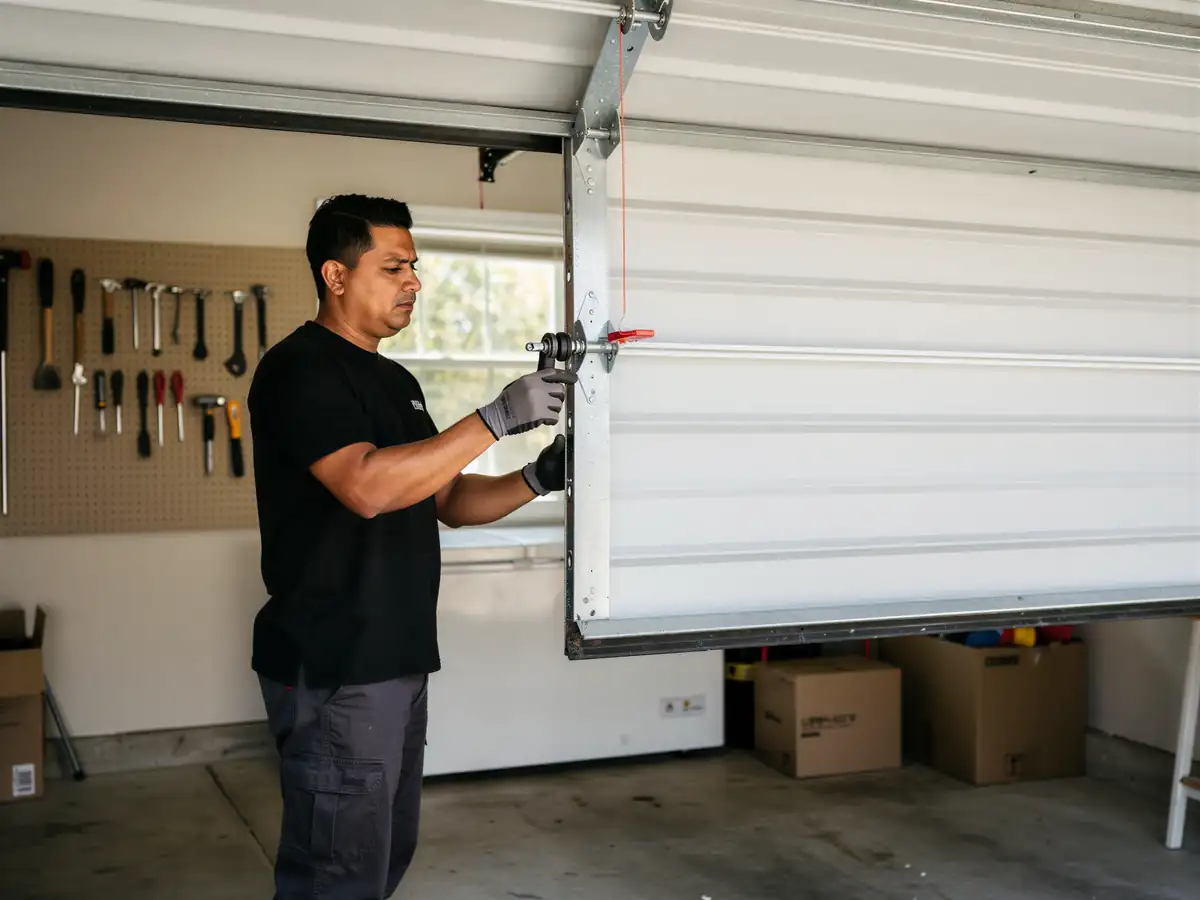
Most houses in this part of the valley went up between 1969 and 2012, with the median build year landing around 1999. That means a lot of what we open up on a service call is original or first-replacement hardware from the 1980s and 90s - torsion springs wound for a lighter steel door, openers with chain drives that were standard before belt and screw drives took over, and tracks bolted to framing that's thirty-plus years old. Across the 27 named areas that make up this stock, the pattern holds pretty steady: older sections closer in, newer insulated builds out toward places. A service call here isn't really a generic tune-up. It's checking whether the spring wind still matches the door weight it was set for decades ago, whether the opener's safety reversal still works the way code requires now, and whether the track alignment has shifted with the house settling. None of that changes much from one call to the next in this area, because the housing age doesn't change much either - which is exactly why a tech who works this town knows what to expect before the door even opens.
Checking It Yourself
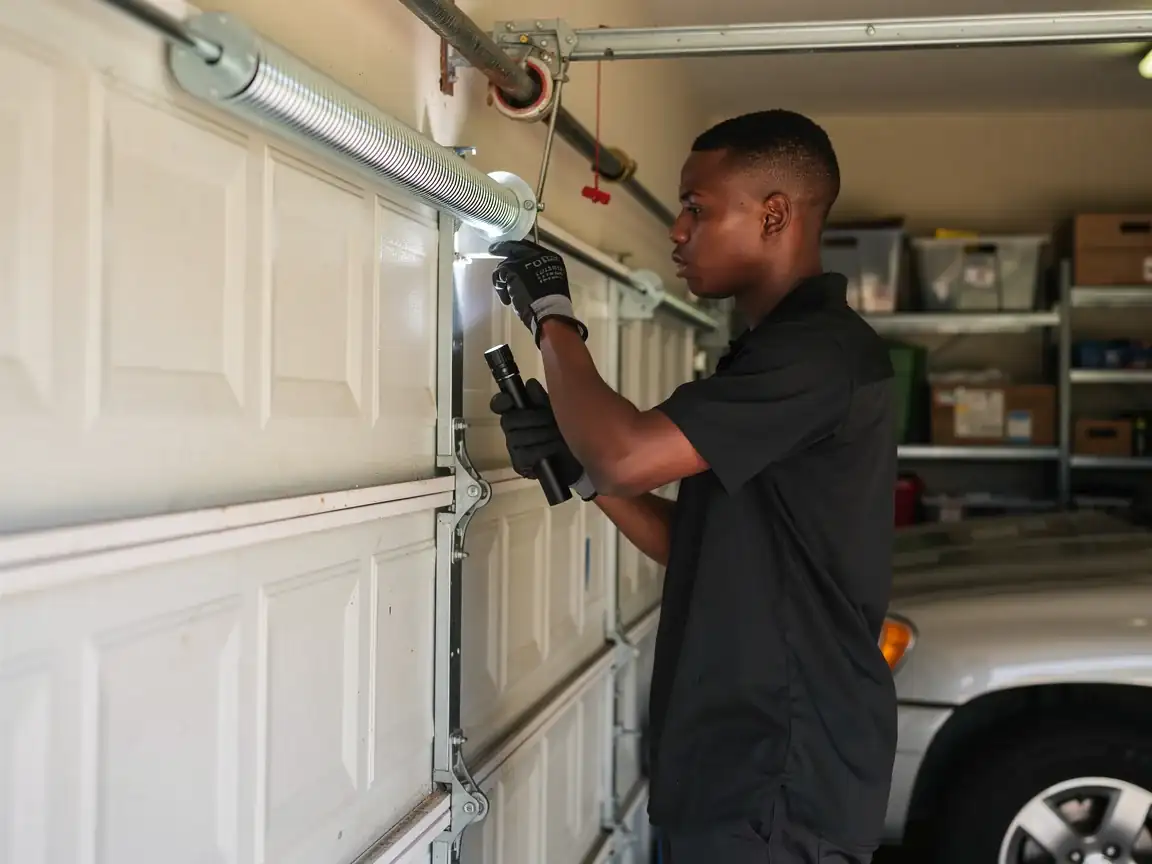
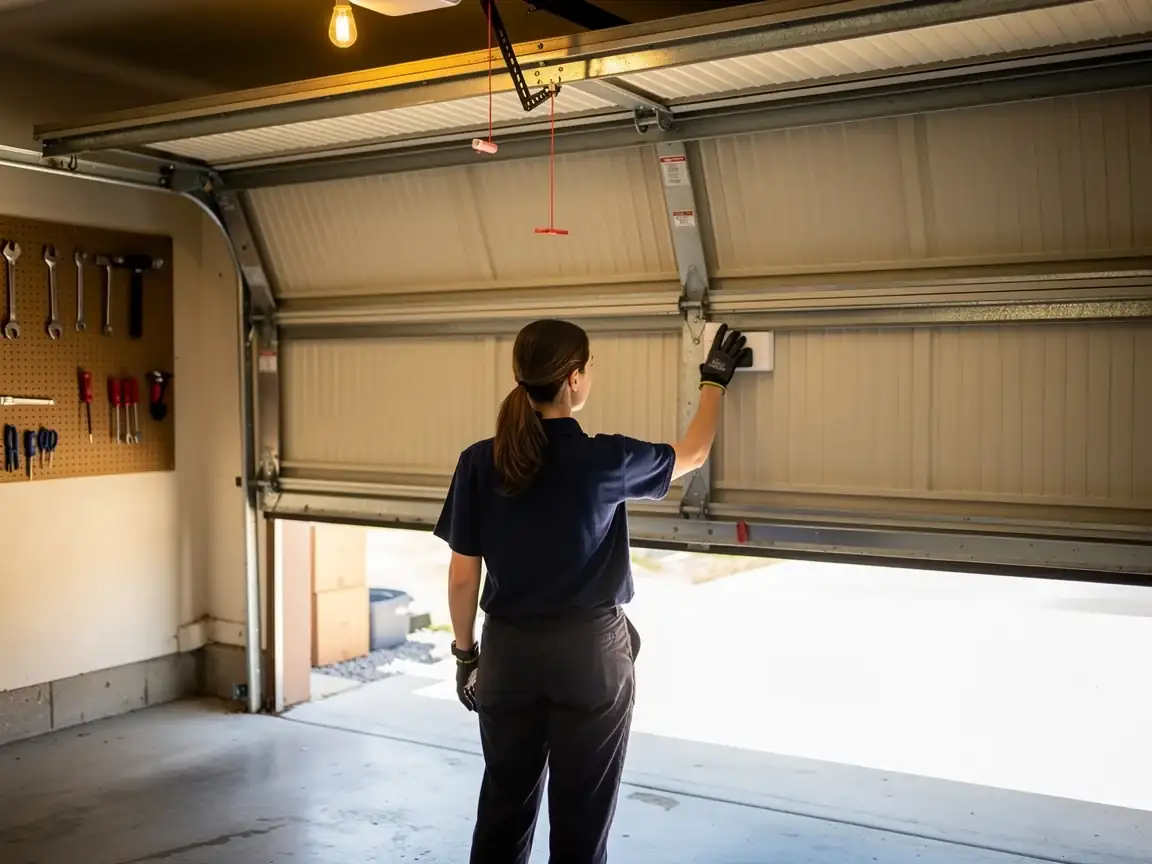
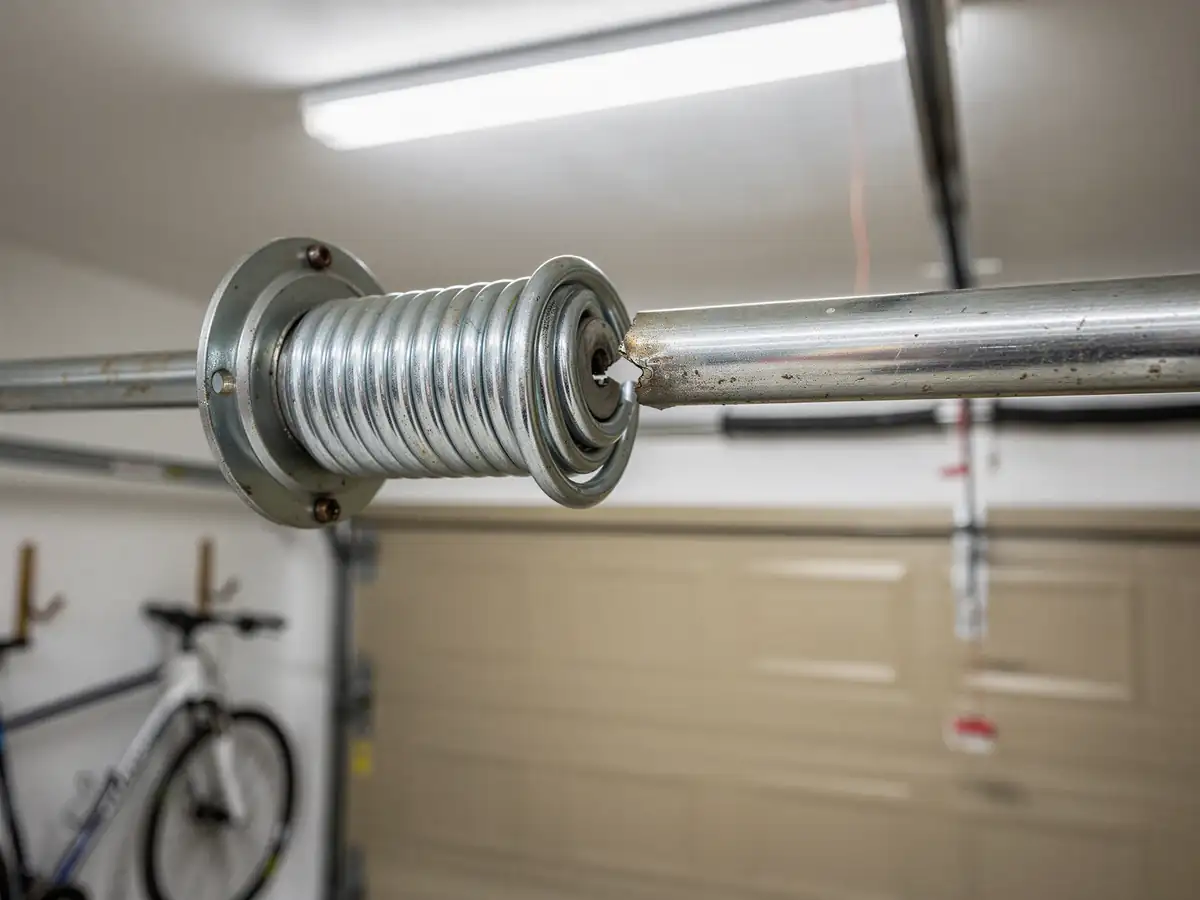
Before you call anyone, there are a few things worth looking at yourself, especially if your house falls in that 1980s-90s build window that's common here. Pull the release handle with the door down and lift it by hand - it should move with one hand and stay roughly where you put it. If it drops or you need both hands, the spring tension is off, which is common on doors this age that have never been rebalanced. Look at the torsion bar above the door for a visible gap in the coil or rust streaking down the wall - on houses built before the mid-90s, that spring may be original. Check the weatherstripping at the bottom panel; in this climate it hardens and cracks faster than people expect. And listen for grinding on the rollers, especially if the door still has the steel rollers that shipped standard on homes from that era rather than nylon. None of this tells you what's wrong, but it tells you whether what you're hearing or feeling is normal wear or something that needs a call now rather than later.
Season by Season
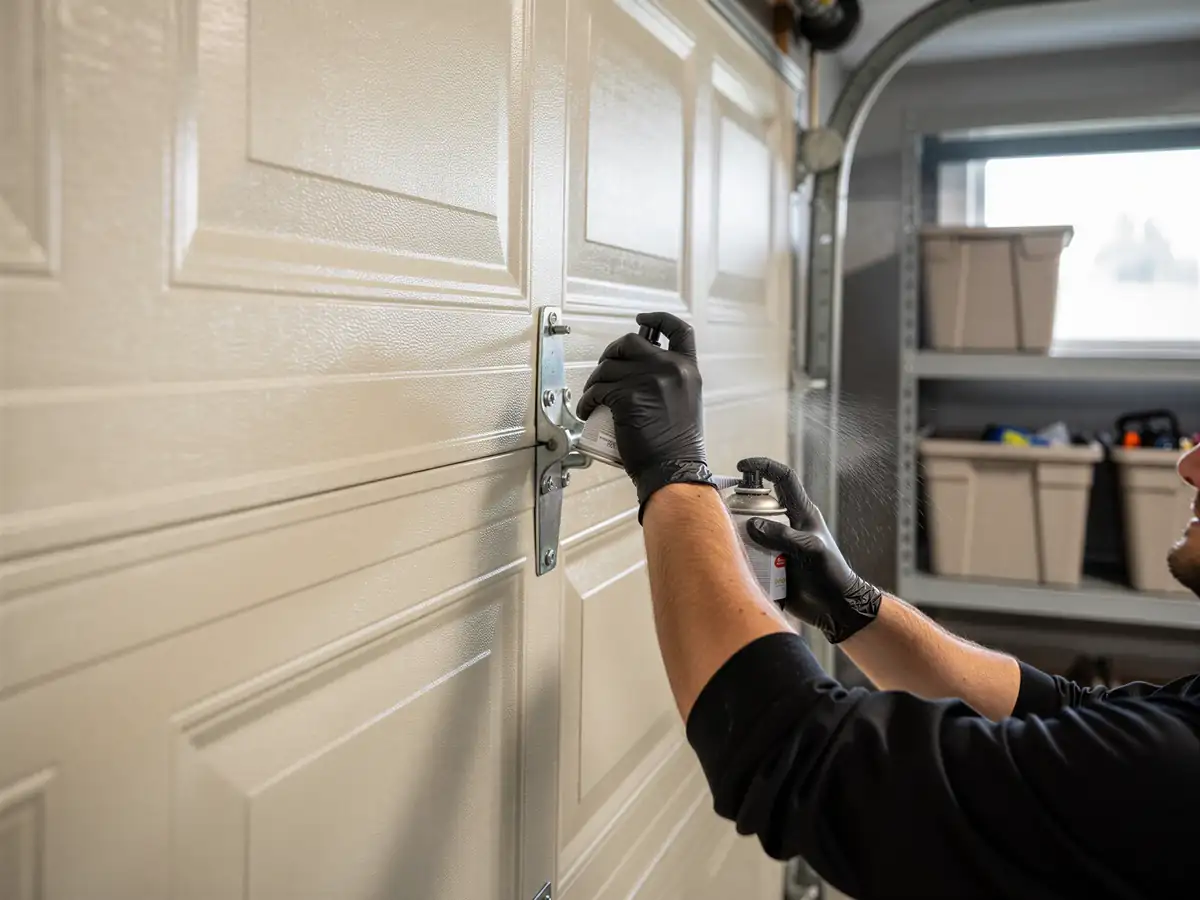
West Jordan sits in a cold-severe climate band, and that shows up in specific ways on a door rather than as a vague seasonal thing. Cold snaps stiffen lubricant in the springs and hinges, so a door that opened smooth in September can start groaning or hesitating by January - not because anything broke, but because the metal and grease are both behaving differently at low temperature. Photo-eye sensors near the floor can pick up frost or condensation on cold mornings and refuse to let the door close until they clear. Temperature swings between a cold night and a sunny afternoon also flex steel panels slightly, which is when loose hinges or worn rollers finally announce themselves with a new rattle. None of this is dramatic, but it's why a service call booked in late fall - checking spring tension, lubricating track and hinges, confirming sensor alignment - tends to prevent the call that would otherwise come in during the first hard cold stretch of winter.
The Problem
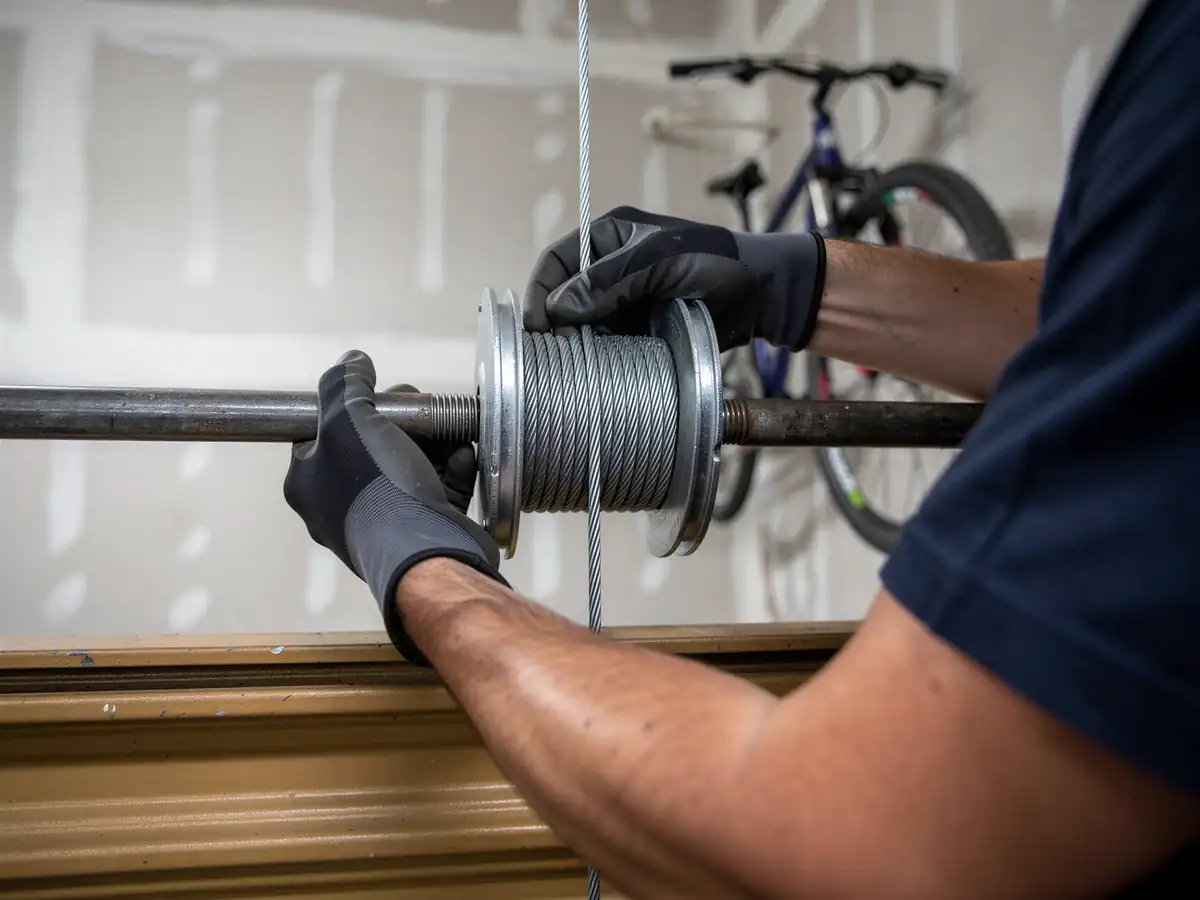
Here's the honest limitation: on a lot of the 1980s-90s doors and openers common in this area, exact replacement parts aren't always on the shelf. A chain-drive opener from that era might need a part that's been discontinued, and at that point we're talking about a full opener swap rather than a quick fix, even if the rest of the unit looks fine. Same with some original torsion springs sized for doors that aren't made the same way anymore - we can match the wind and tension, but matching the exact factory spec sometimes isn't possible. We'll tell you straight when a repair is going to cost close to what a new opener or spring set would run, rather than patching something that's going to fail again in a year. With median household income in the area north of six figures, a lot of owners here choose to replace rather than keep nursing 30-year-old hardware along - but that's a call we make with you, not for you, once we've actually seen the door.
How it works
From “it’s stuck” to “it’s fixed”
01
Tell us what’s wrong
Describe the symptom - won’t open, loud bang, opener runs but the door won’t move.
02
On-site diagnosis
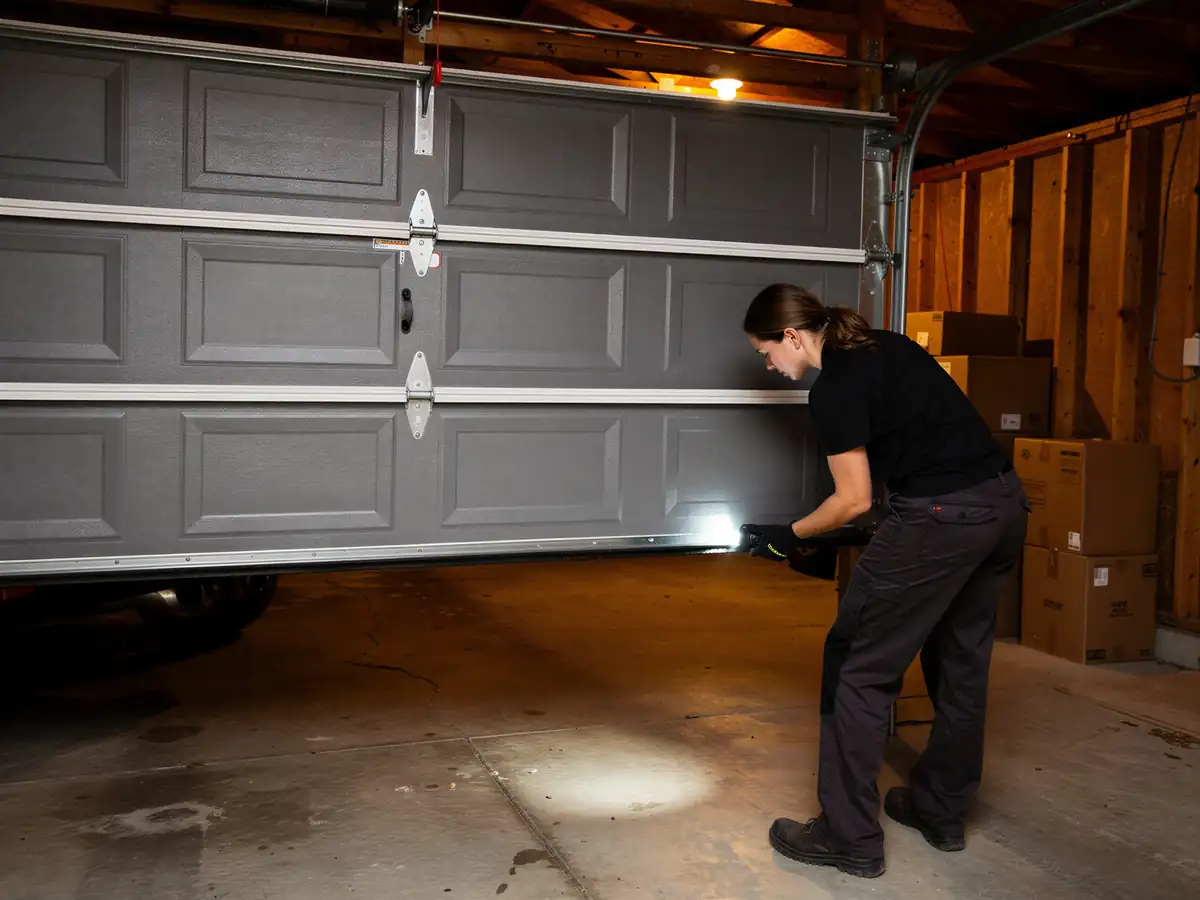
A technician tests the door under power and by hand and finds what actually failed.
03
Clear, up-front plan
You get the fix that’s needed and what drives the cost - before any work starts.
04
Repaired & tested
The repair is done, the door is set true and tested, and the work area left clean.
Not sure which repair your door needs in West Jordan, UT? Describe what it’s doing - every job starts with a diagnosis.
Straight answers about garage door repair in West Jordan. Still unsure? Ask us directly.
How do I know if my spring is original to the house?
If your house was built in the 1980s or 90s, which covers a lot of this area, and the spring has never been serviced, it's likely original or close to it. Look for surface rust, a visibly stretched coil, or a door that's gotten harder to lift by hand over the past year or two. A tech can confirm the age by the winding style and mounting hardware.
Why does my door act up more in winter here?
West Jordan sits in a cold-severe climate band, and cold grease in the springs and rollers slows everything down. It's rarely a broken part - it's lubricant and metal behaving differently at low temperatures. A fall tune-up usually catches this before it turns into a January no-show.
Do you service areas outside West Jordan?
We work West Jordan and the surrounding area, including South Jordan, Taylorsville, Midvale, West Valley City, and Riverton, all within a few miles. Housing age and climate exposure are similar across that range, so the same checks apply.
Is it ever not worth repairing an old opener?
Sometimes. If a chain-drive opener from the 1980s or 90s needs a discontinued part, repair cost can get close to the price of a new unit. We'll give you both numbers before doing any work so you can decide, rather than defaulting to a repair that might not hold.