How That Shows Up in the Door
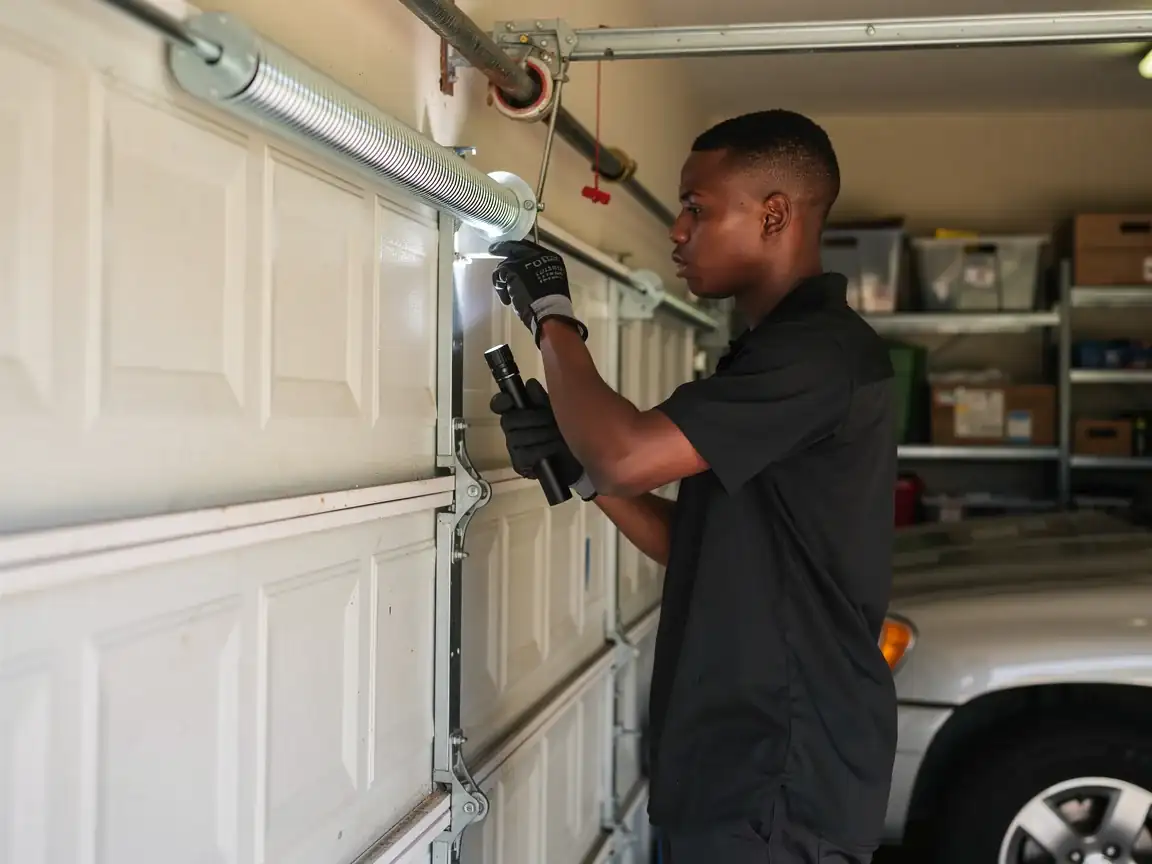
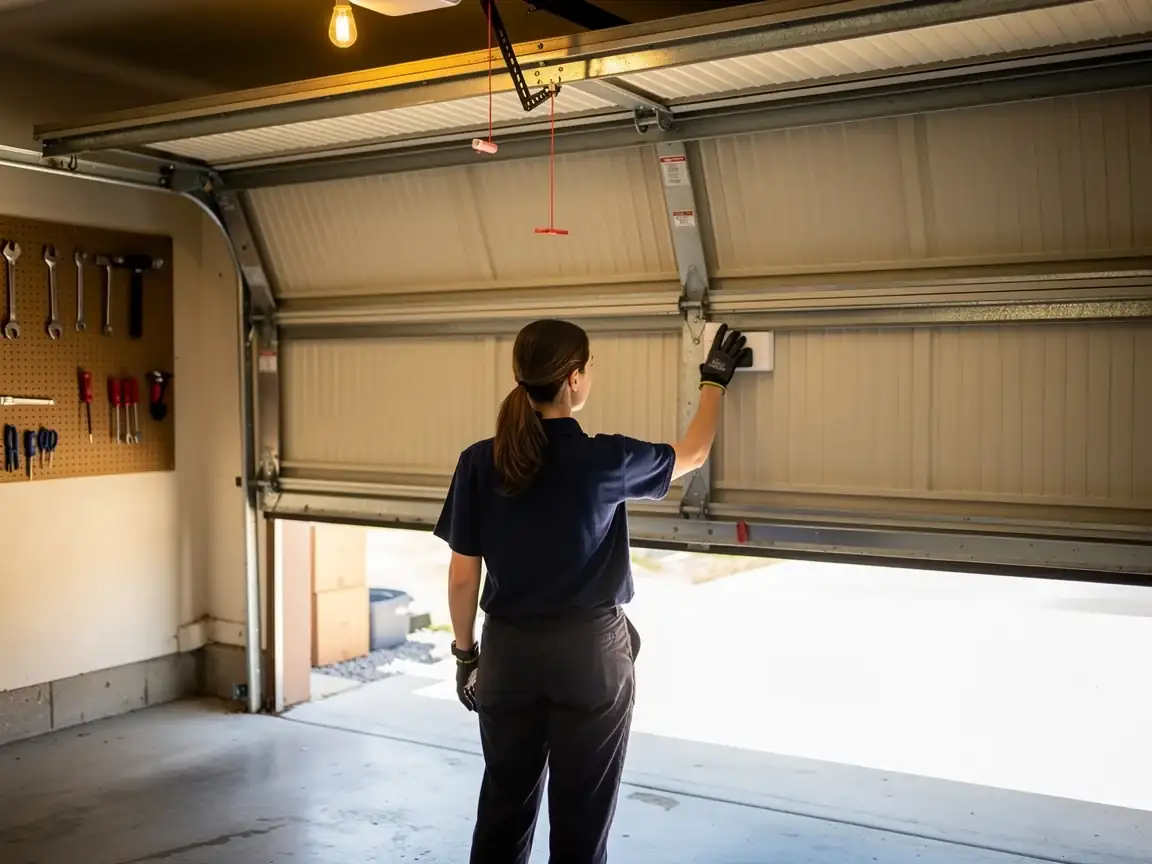
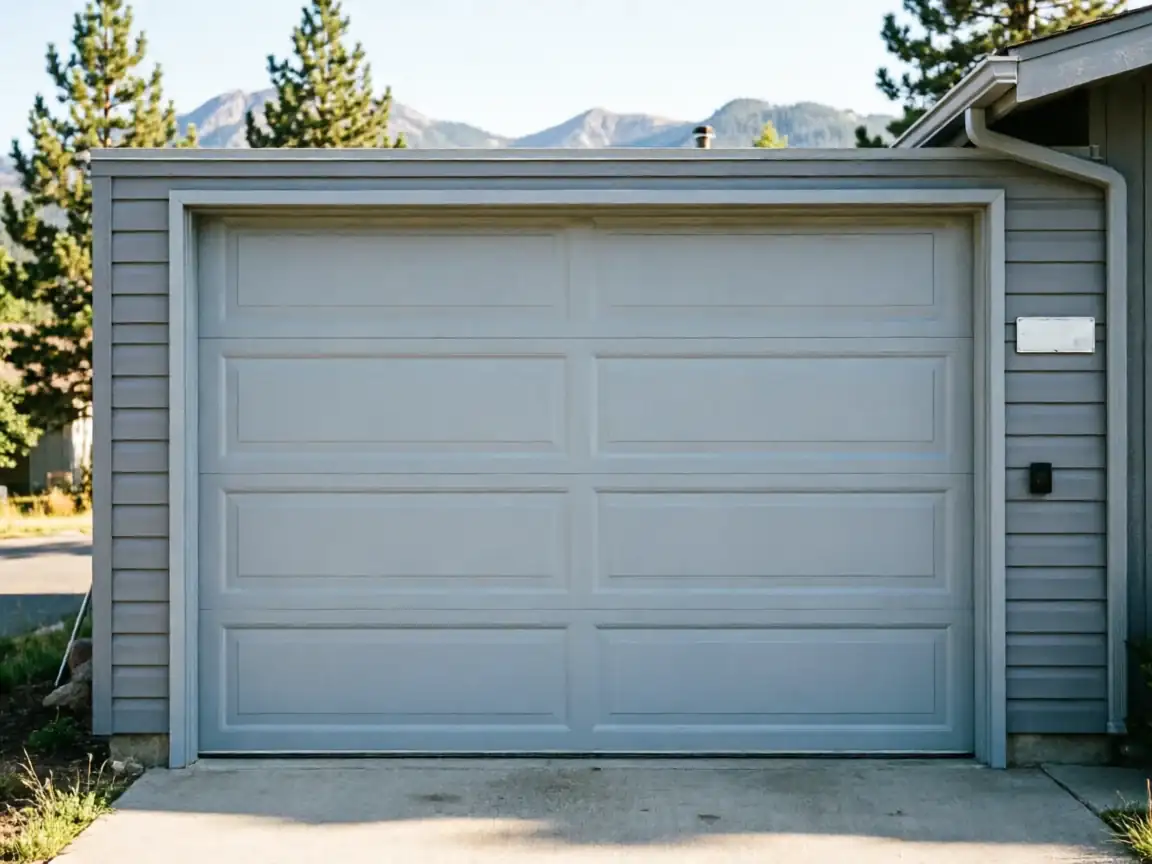
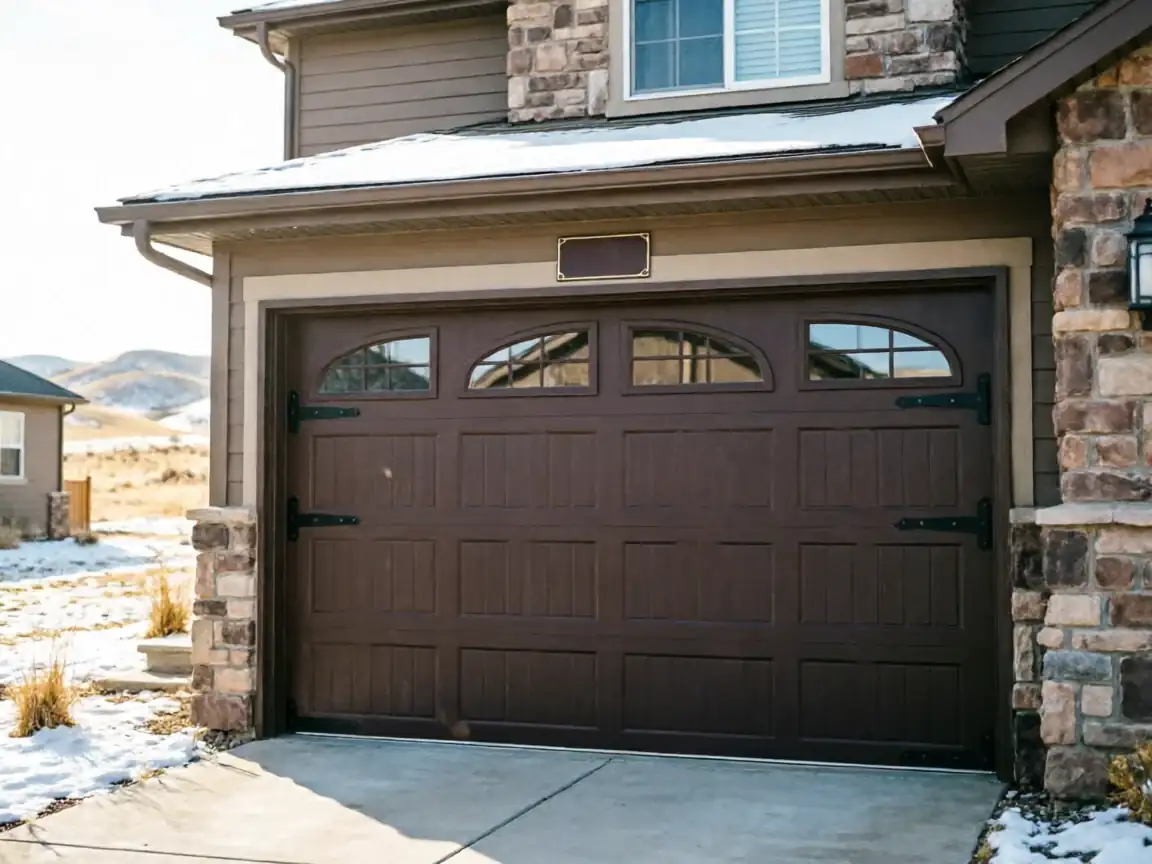
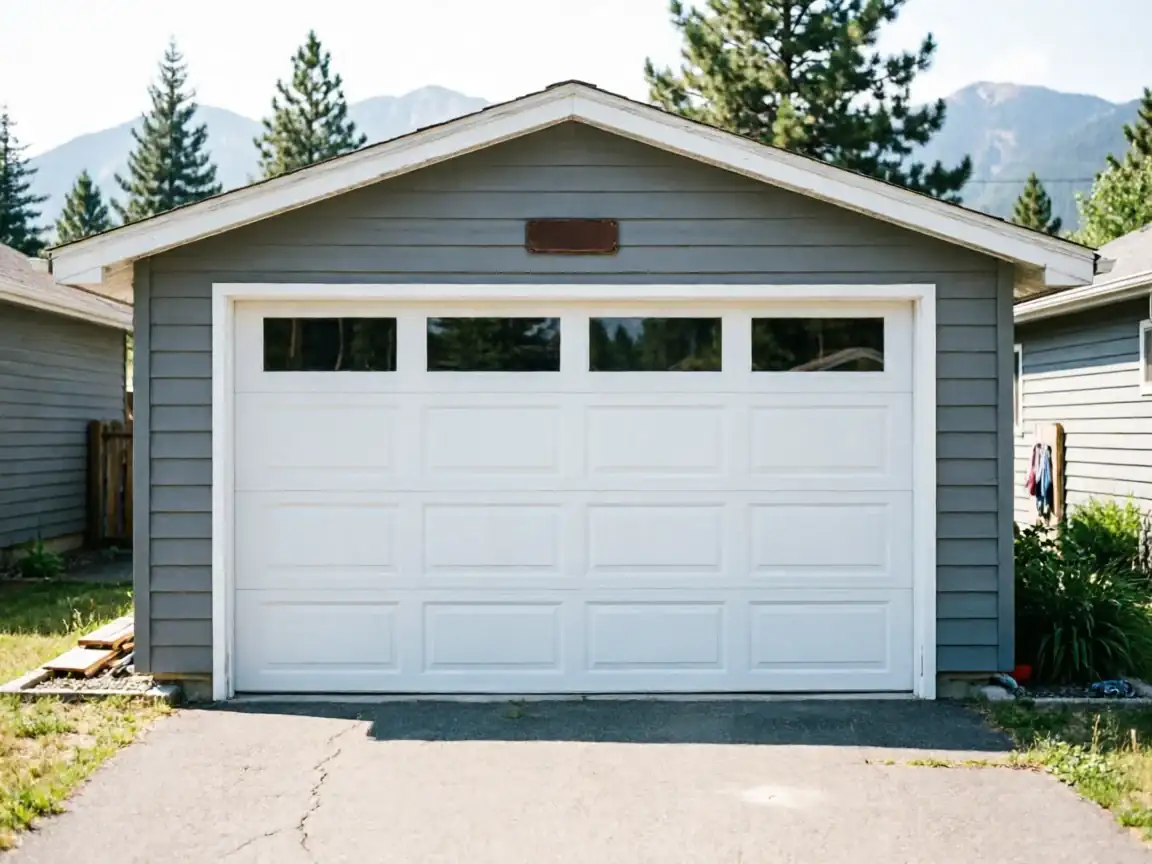
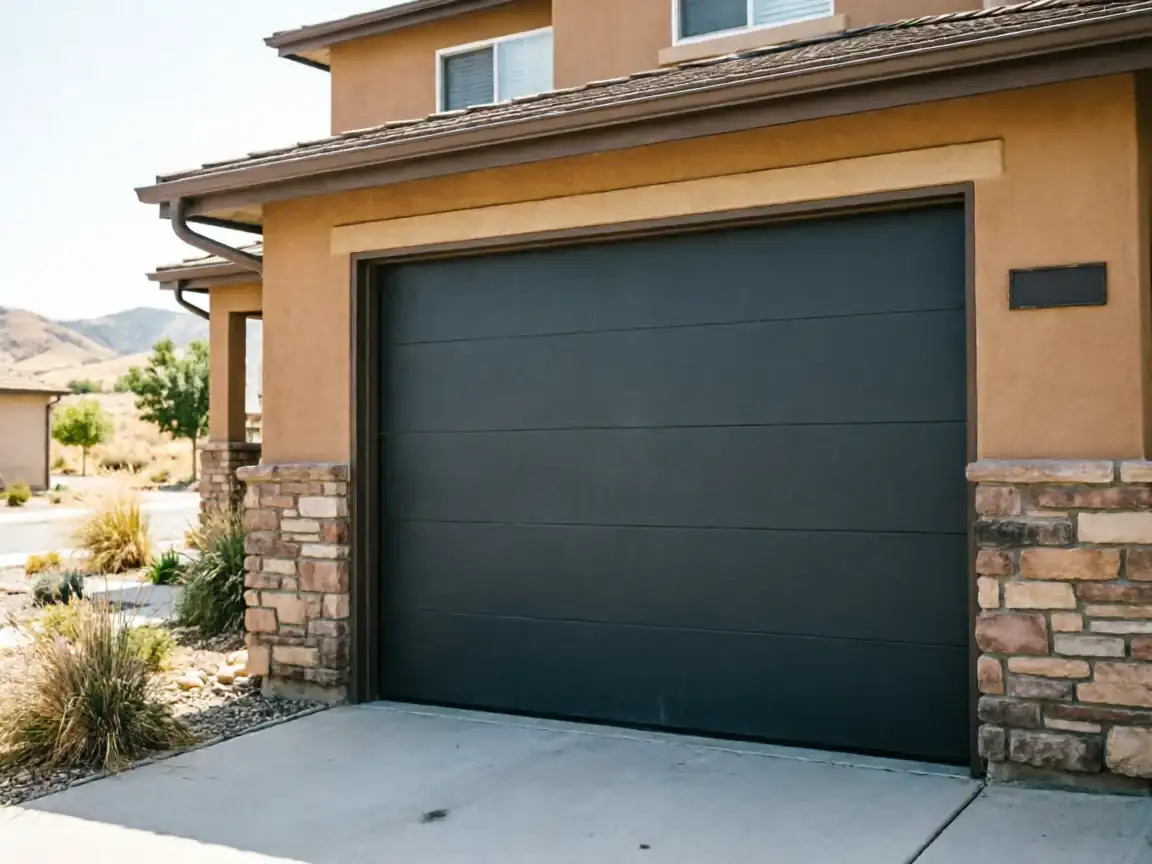
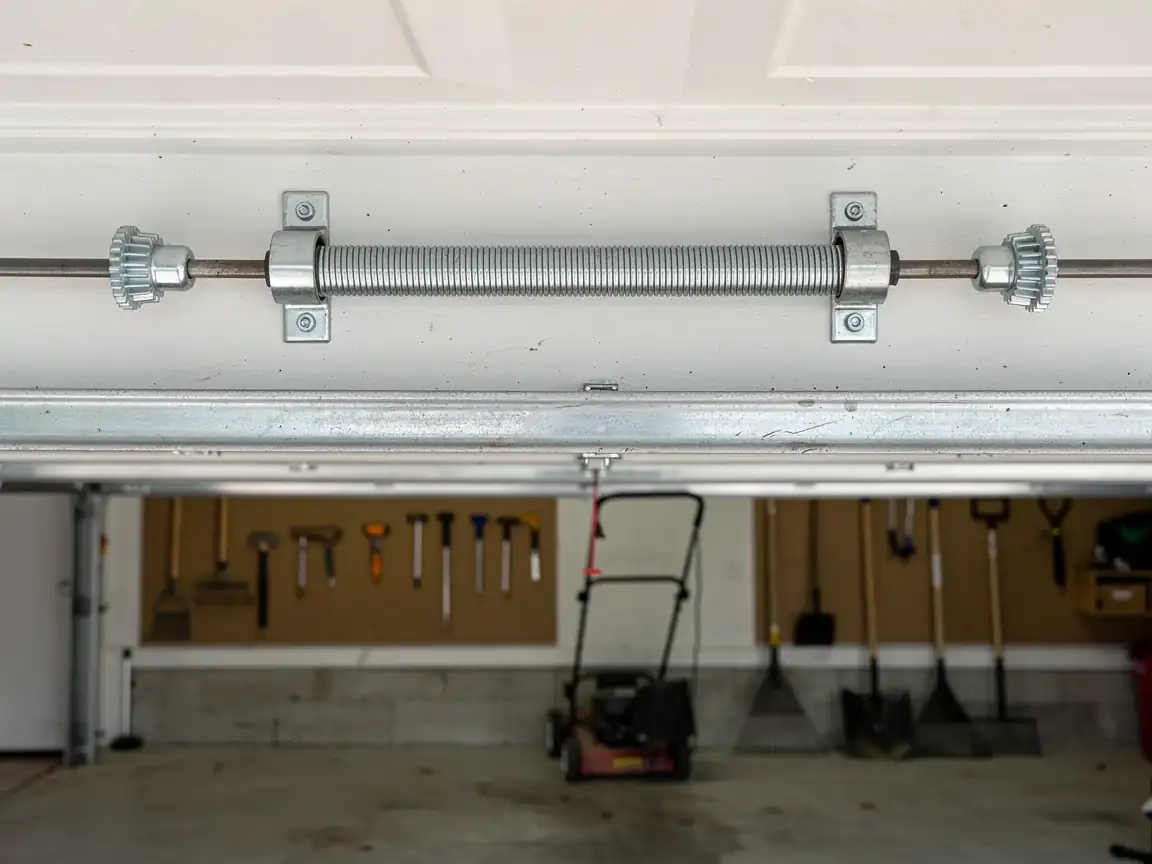
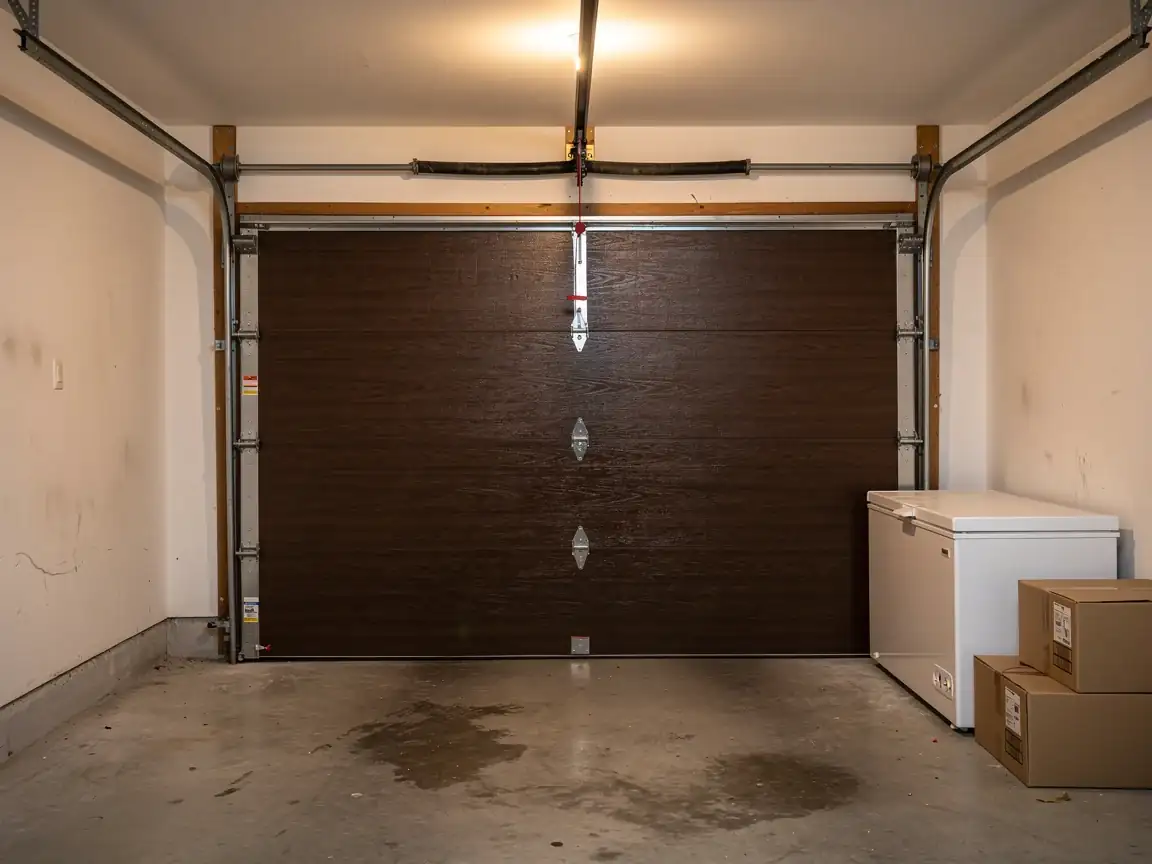
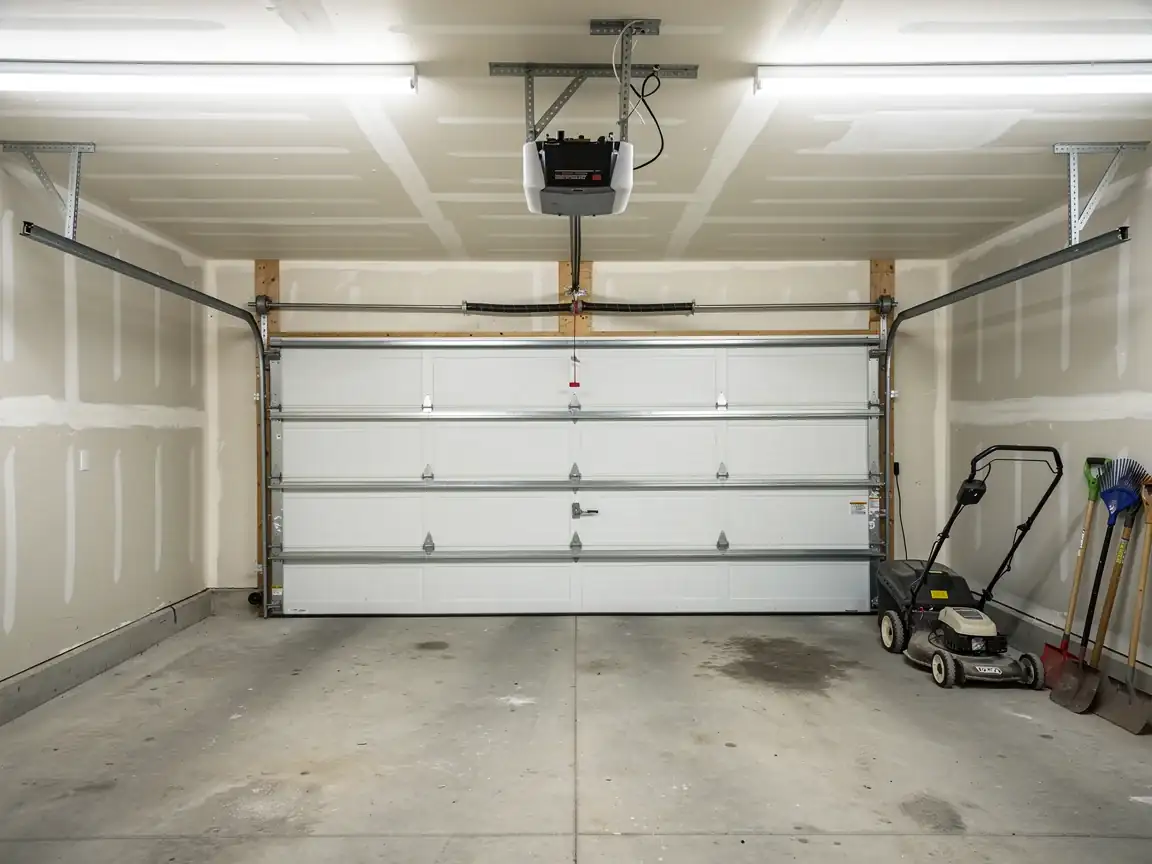
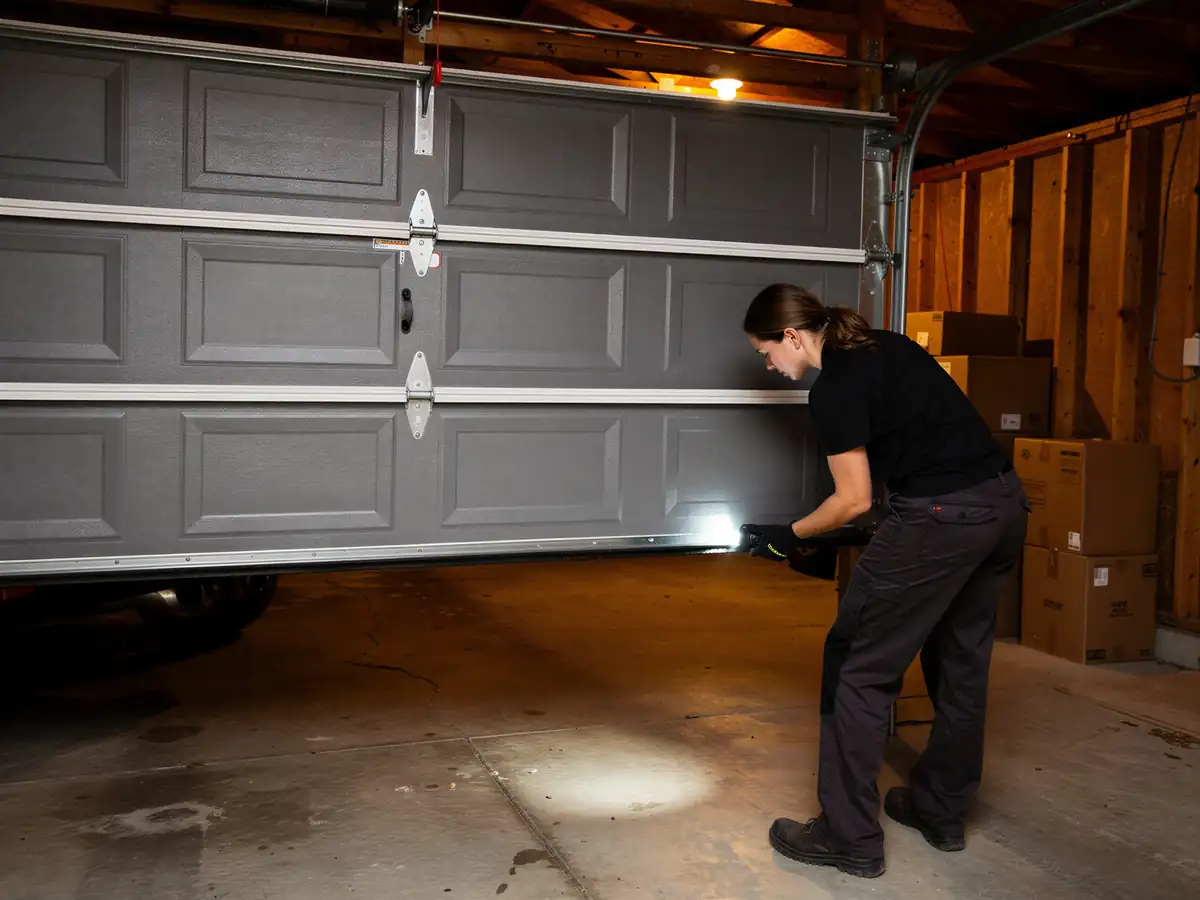
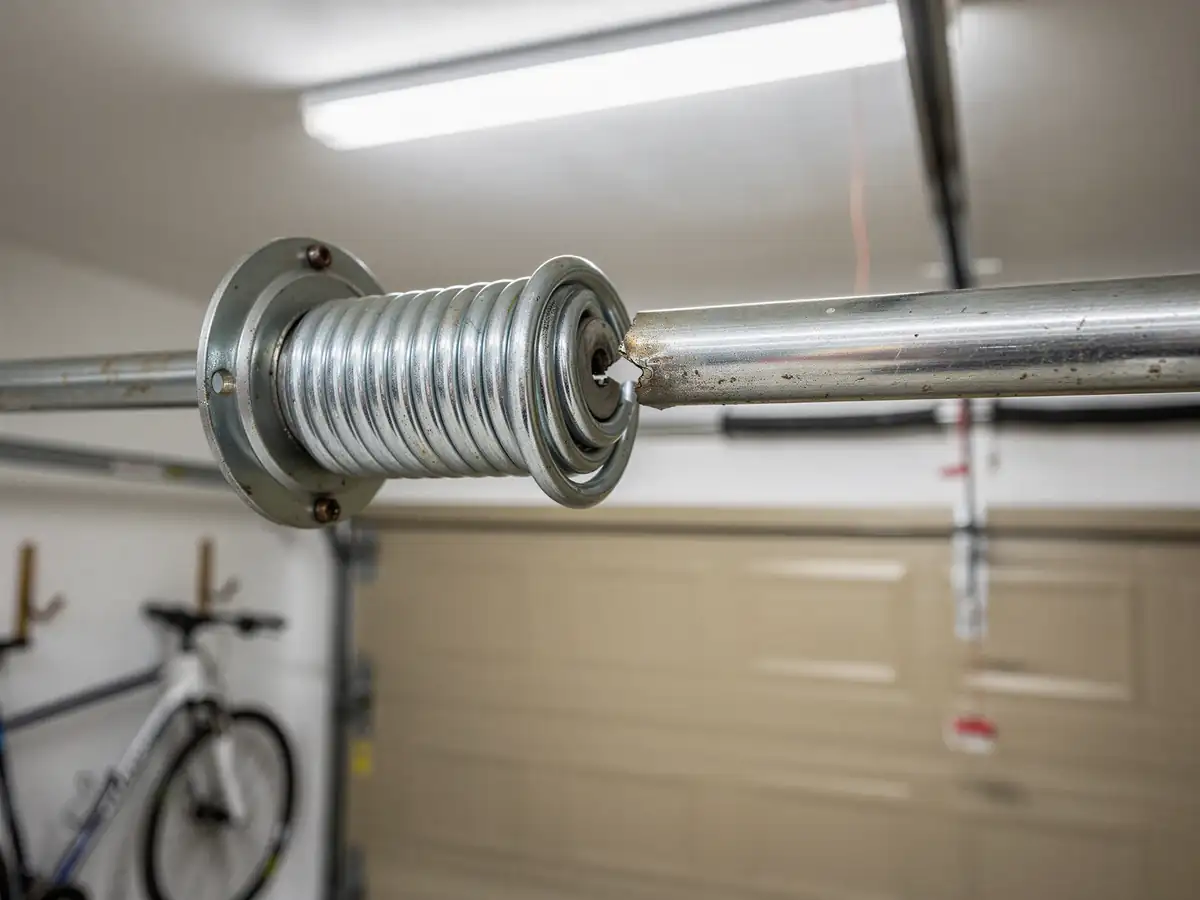
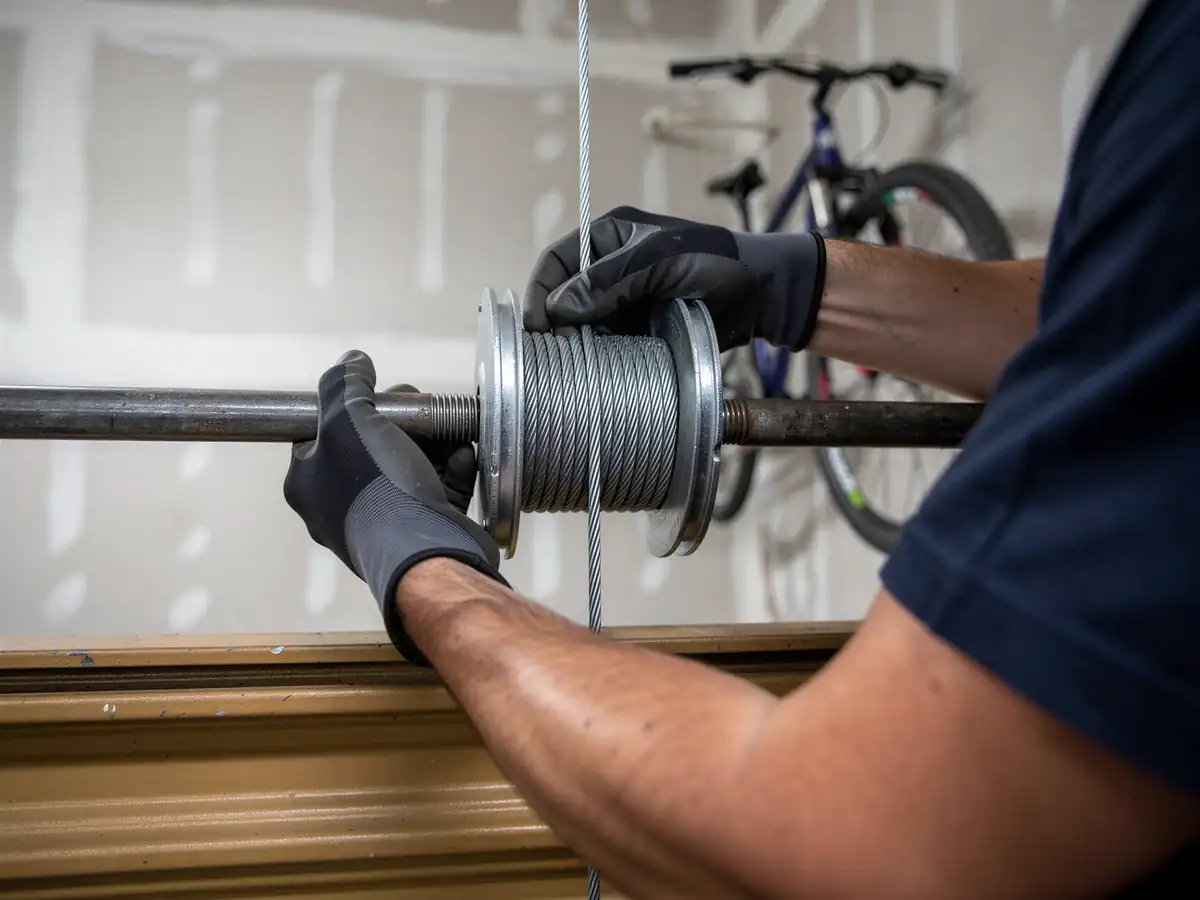
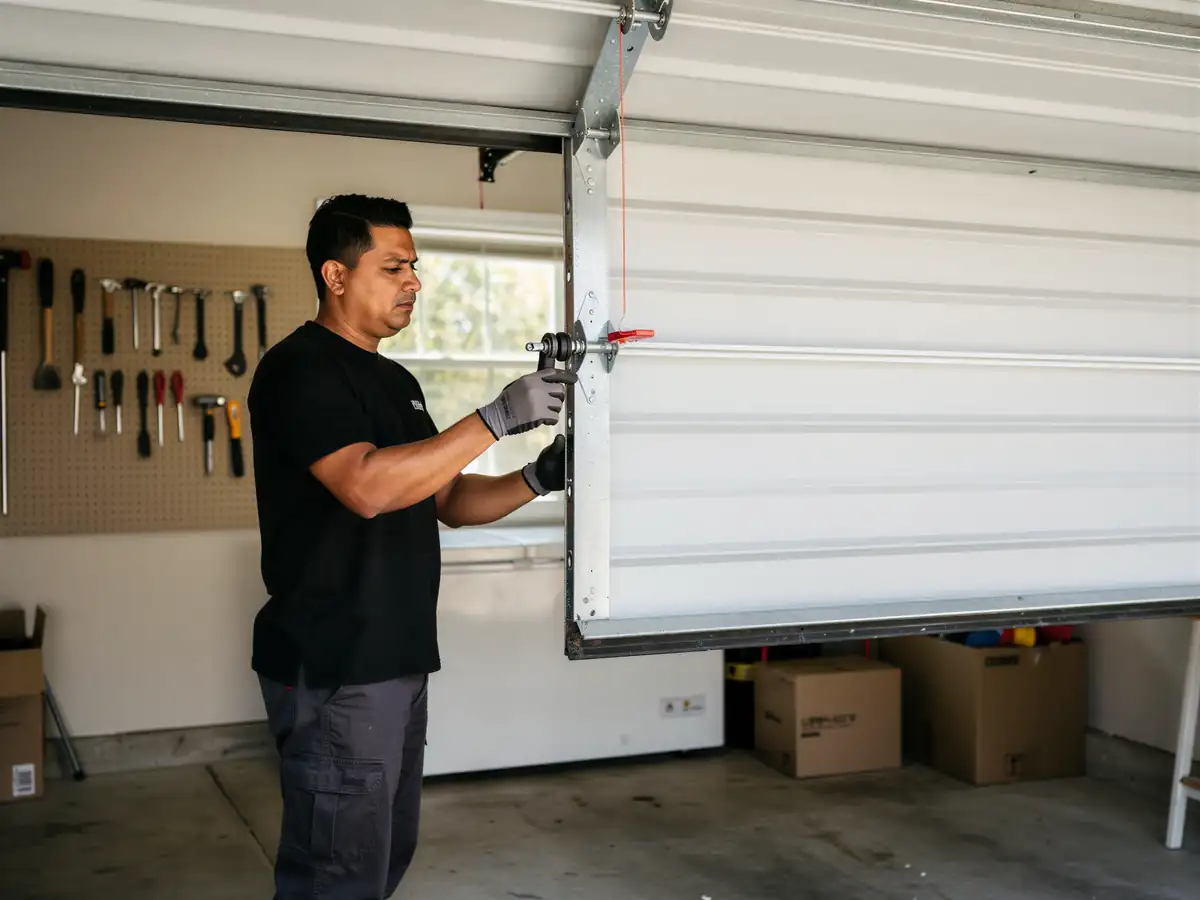
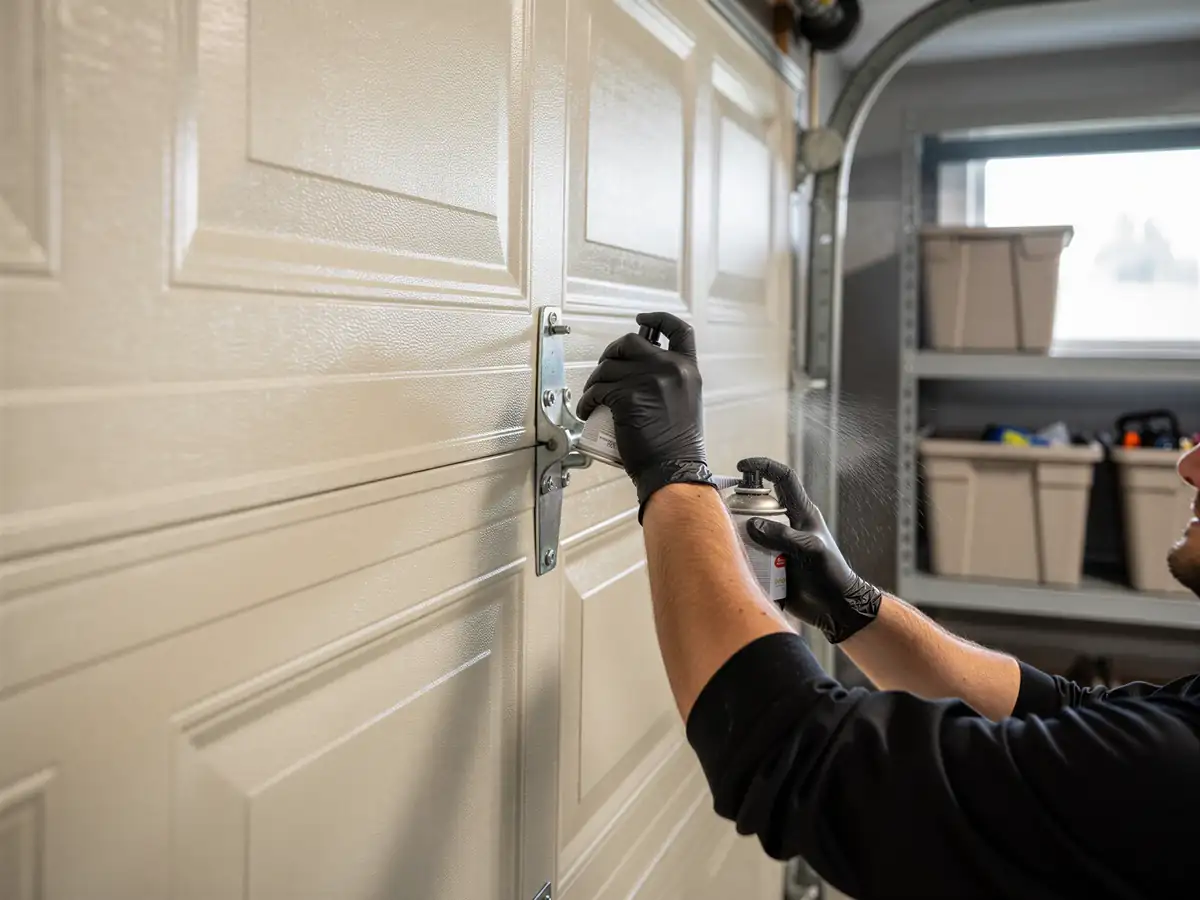
A door built around 1984 tends to fail in specific ways: torsion springs that have simply outlived their wind cycles, galvanized cable that's frayed at the drum from decades of the same friction point, and steel rollers - not nylon - that have worn grooves into the track over time. Because the original openers on houses this age were often chain-drive units with limited safety sensors, we also find a fair number of owners asking to upgrade rather than repair once a cable or spring job is on the table anyway. With the area's cold winters, steel contracts and expands with the temperature swings, which speeds up wear on spring coils and hinge pins that have already seen thirty-plus years of cycling. None of this is unique to one street - it's a function of the build year, and it's consistent across most of the neighborhoods that went up in that 1980s wave.
This Area's Housing
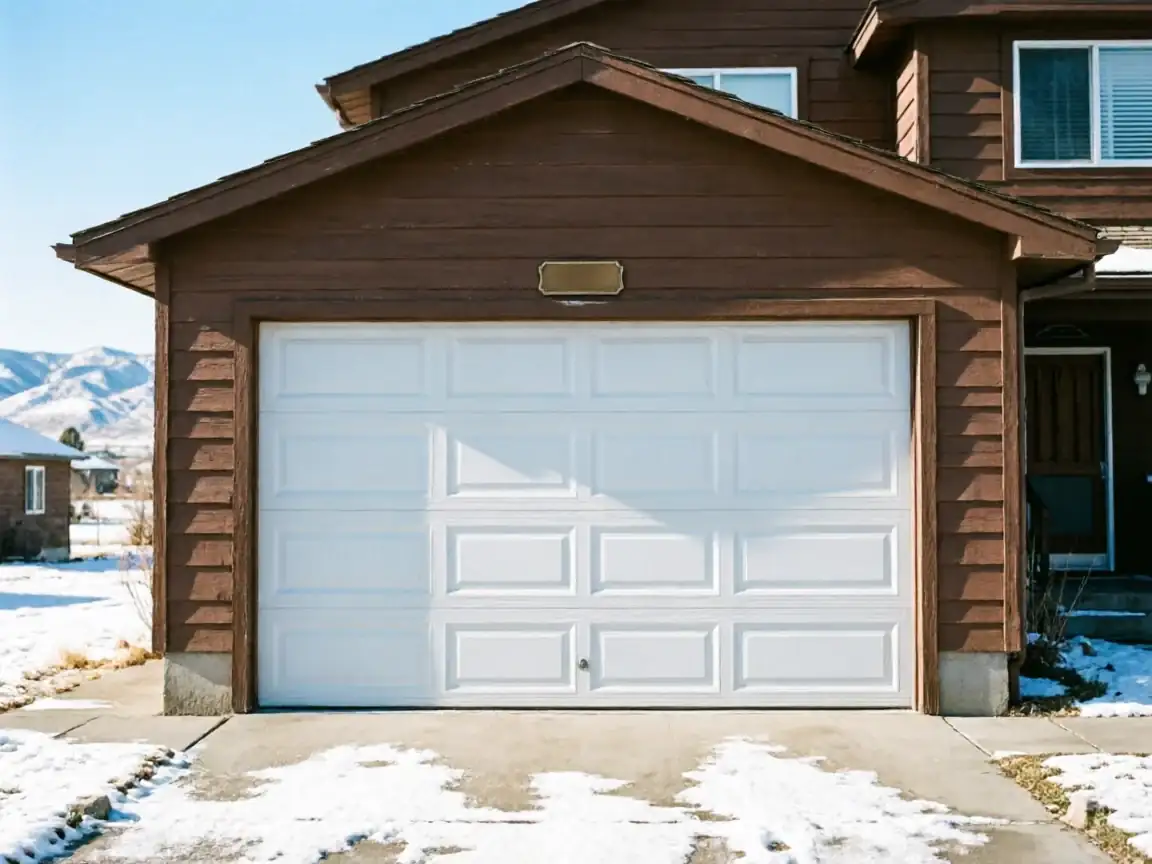
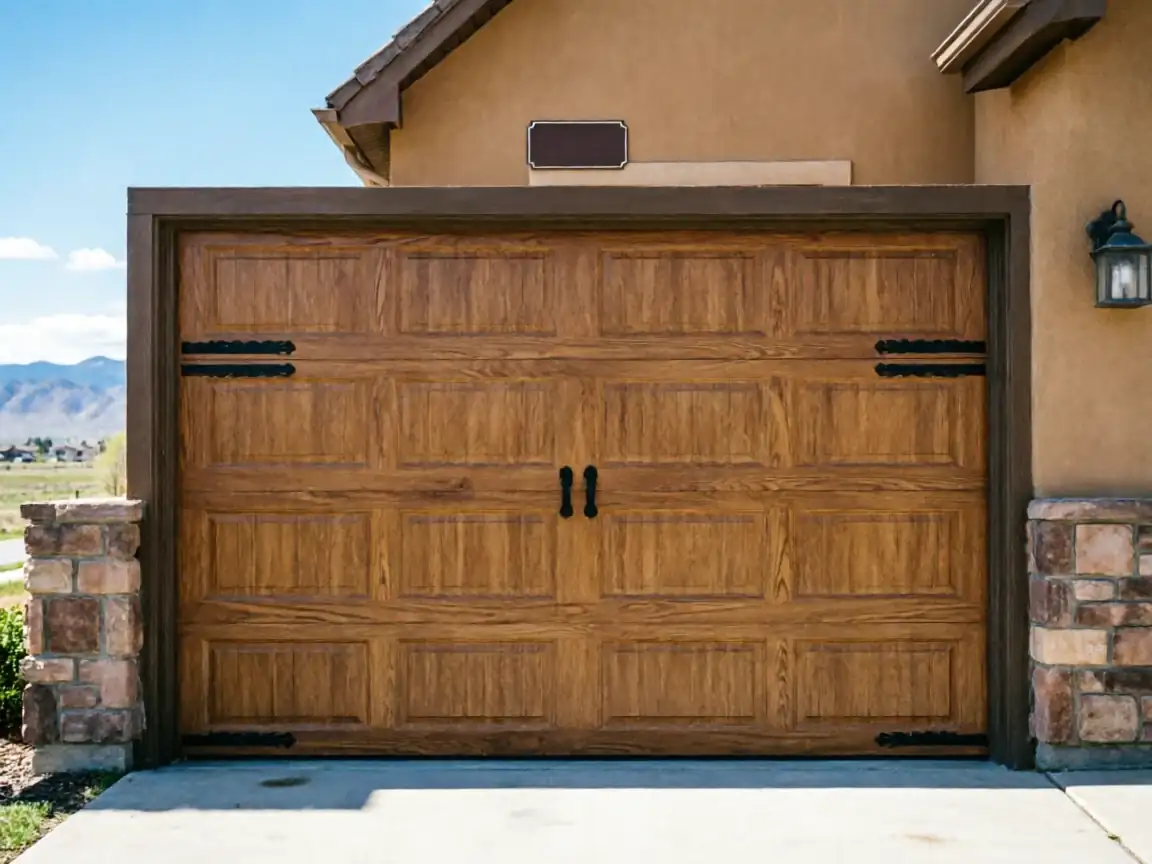
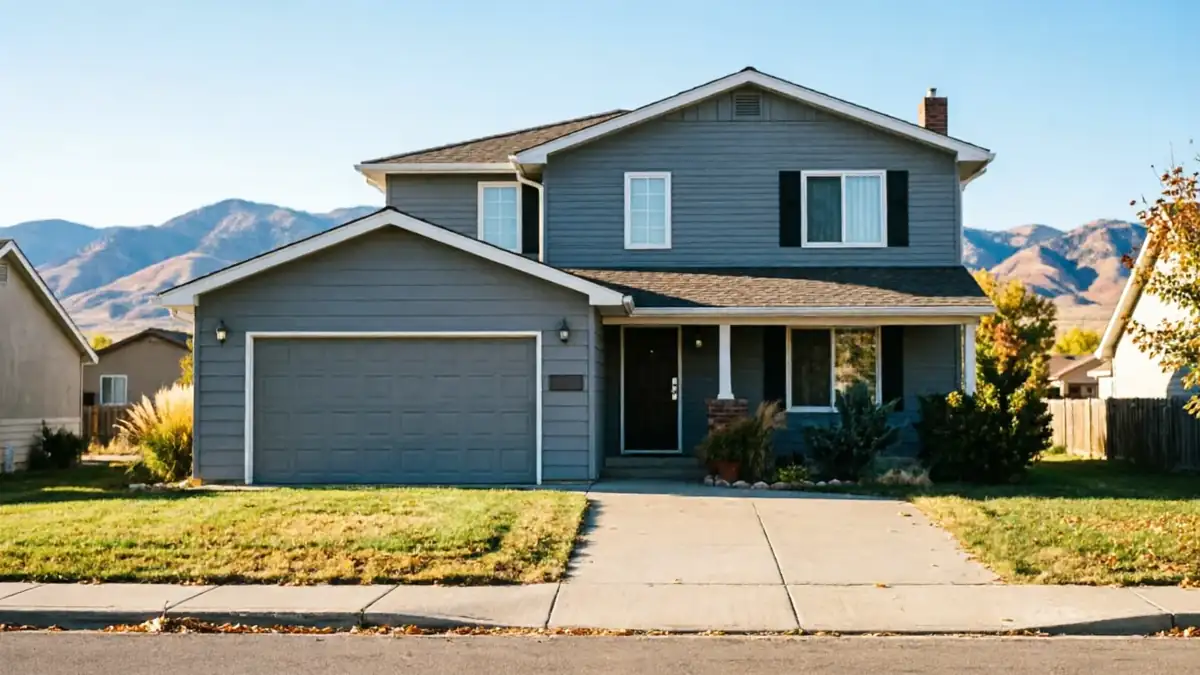
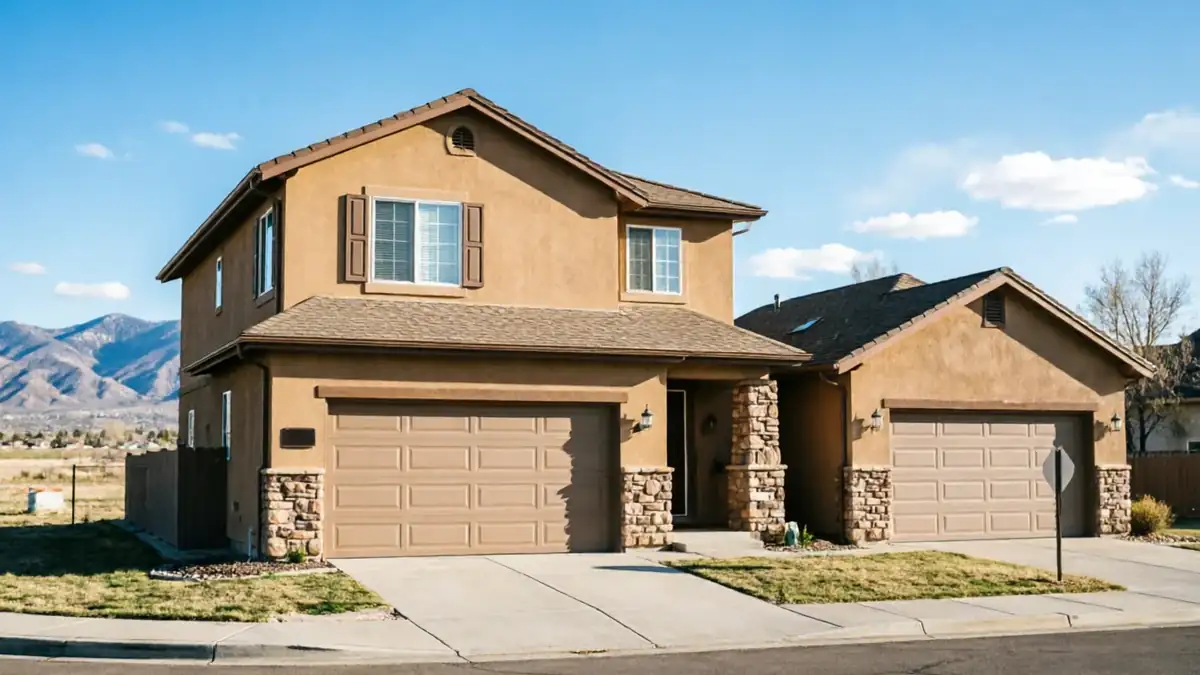
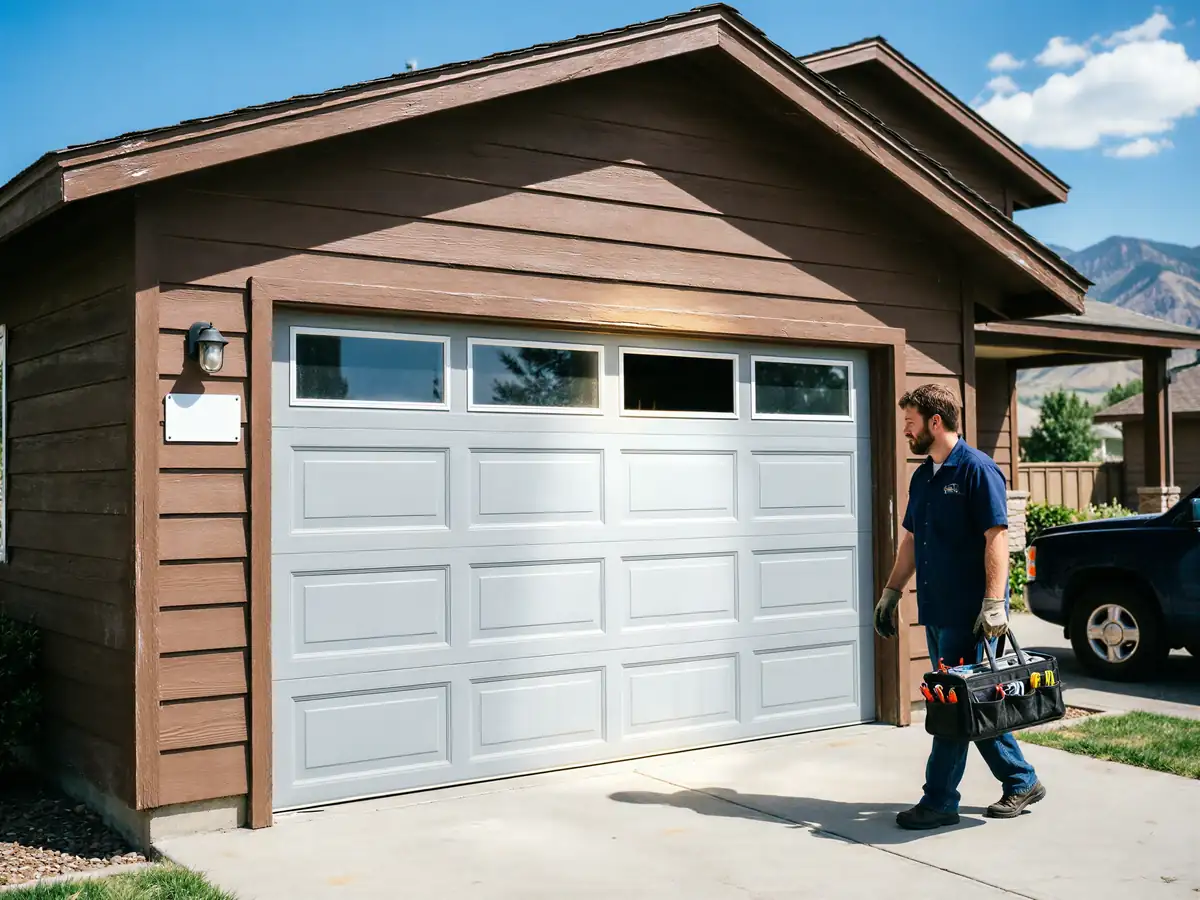
West Valley City carries roughly 38,855 households, and most of the garages attached to them went up in that 1980s-90s window rather than the newer construction you'd find in parts of the broader service area. Median household income here runs around $88,604, which is lower than the $115,335 median across the full service area - and that gap tends to show up in how homeowners approach a repair: more requests to patch a spring or fix a cable rather than replace the whole door outright, which is often the right call on a structurally sound 1980s panel anyway. The climate here is classified as cold with severe winter conditions, and on older doors without modern weatherstripping, that cold is what finally finishes off a spring or cracks a brittle plastic idler pulley that's been limping along for a year or two.