How It Shows Up
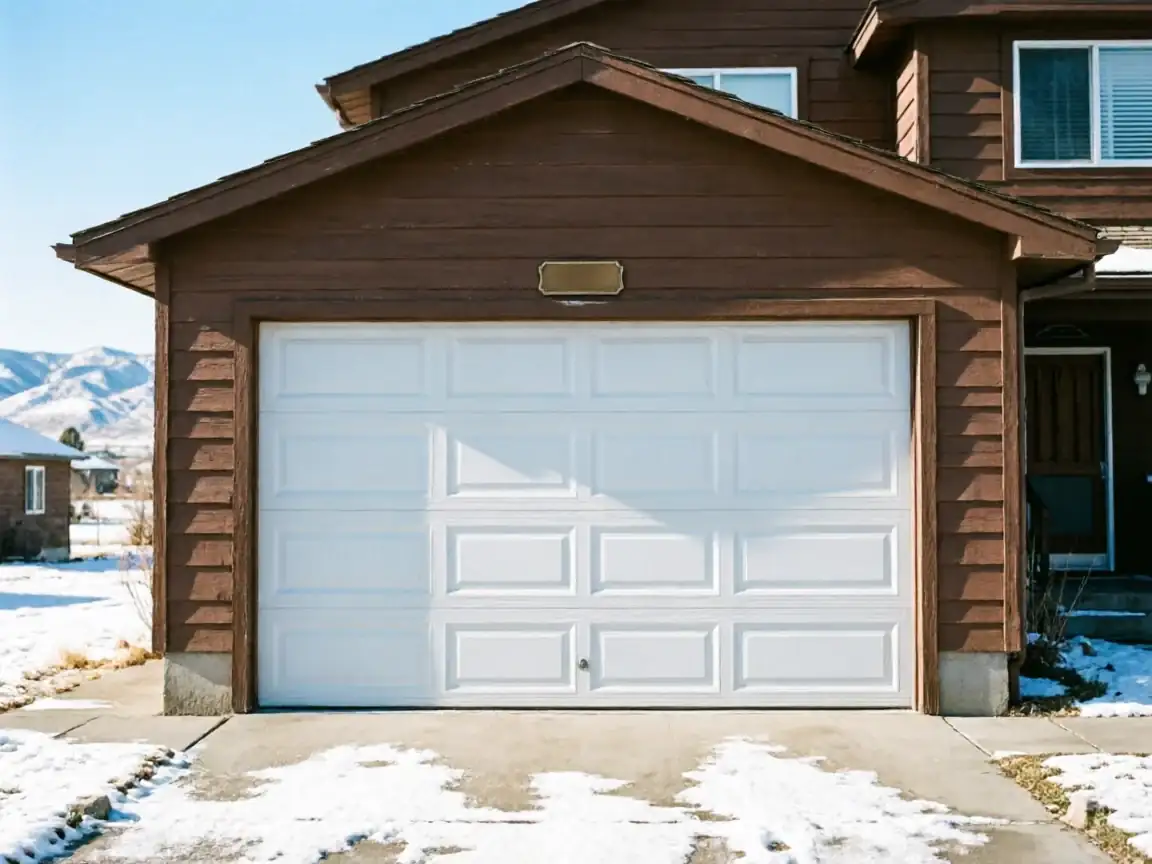
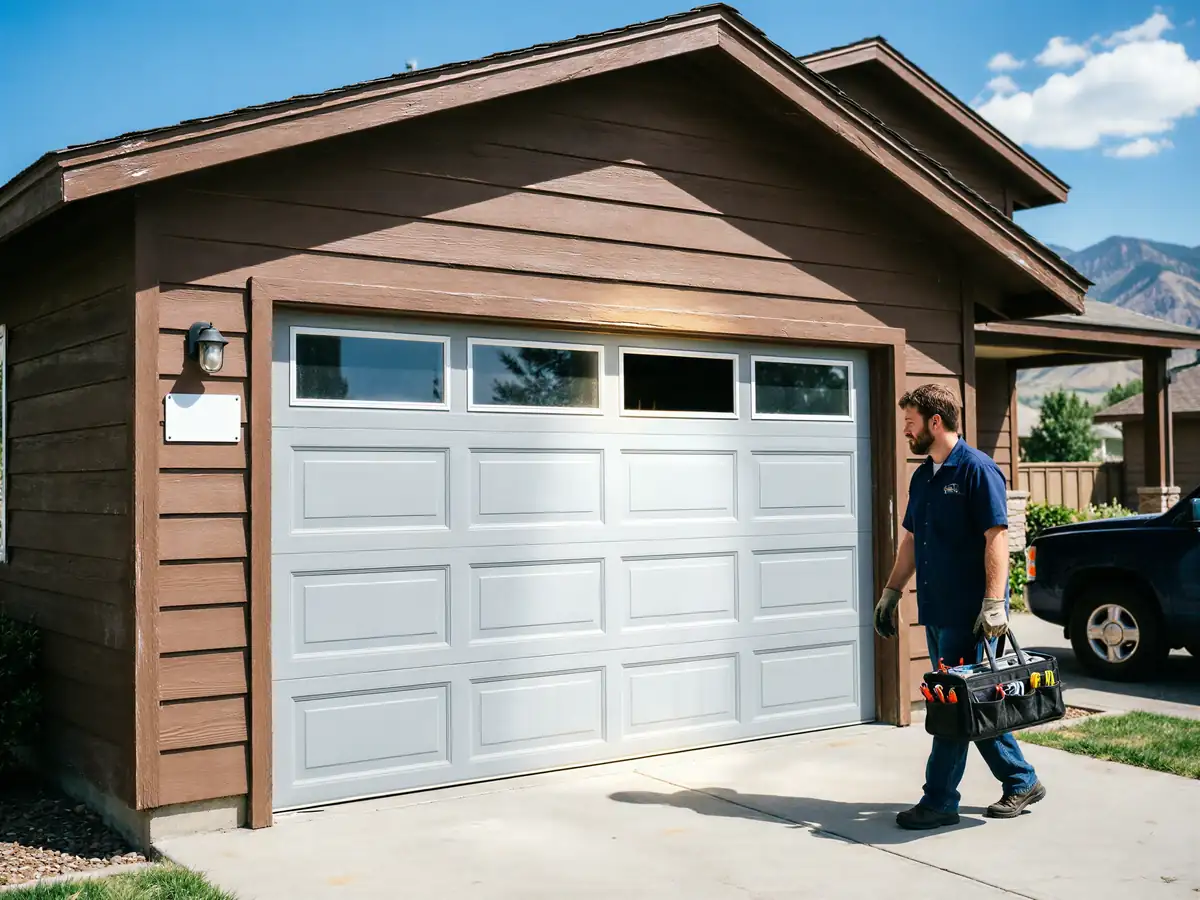
Most garage doors in West Valley City went up around 1984
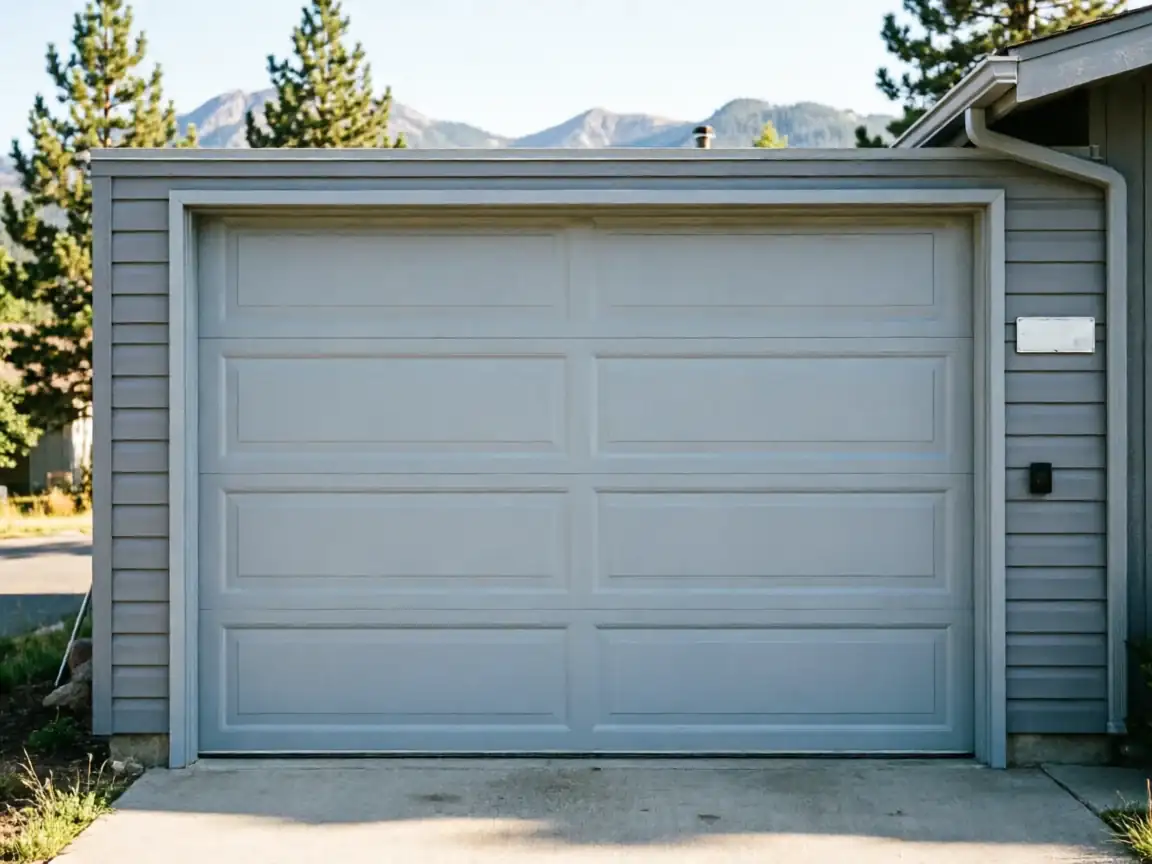
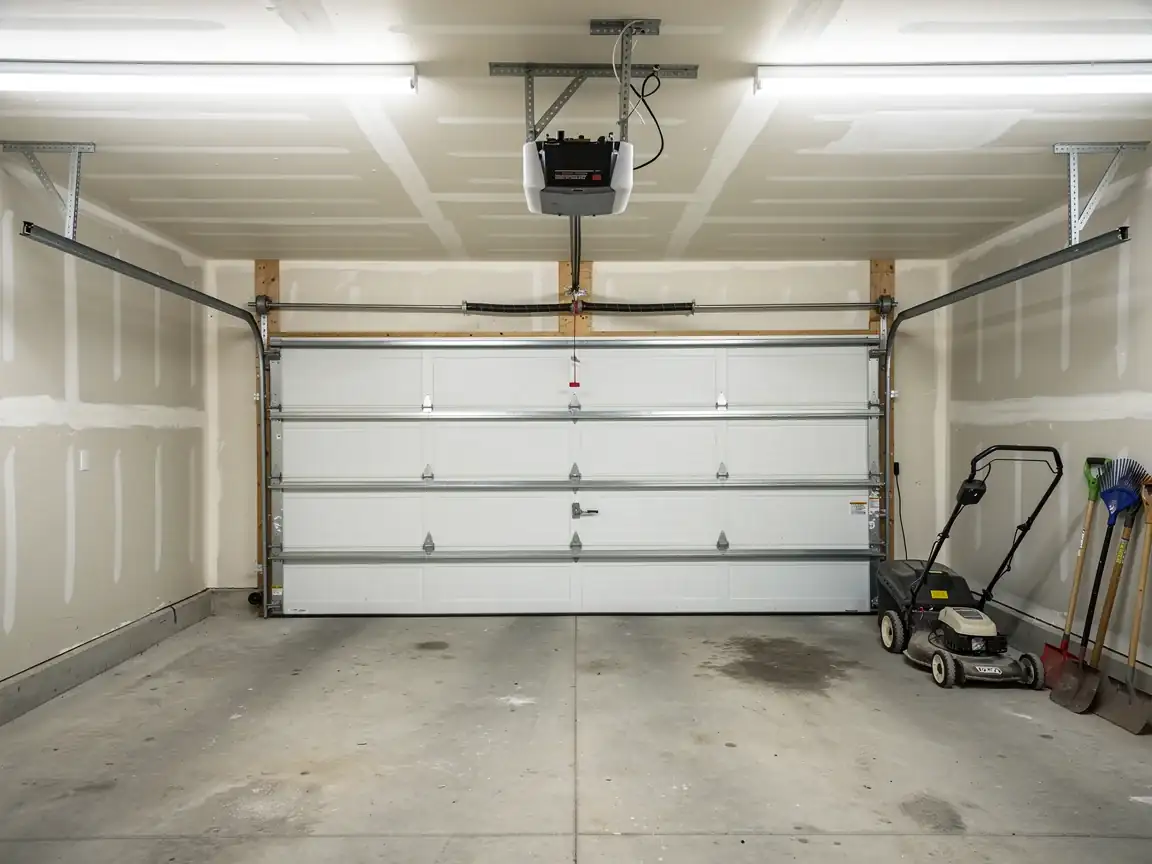
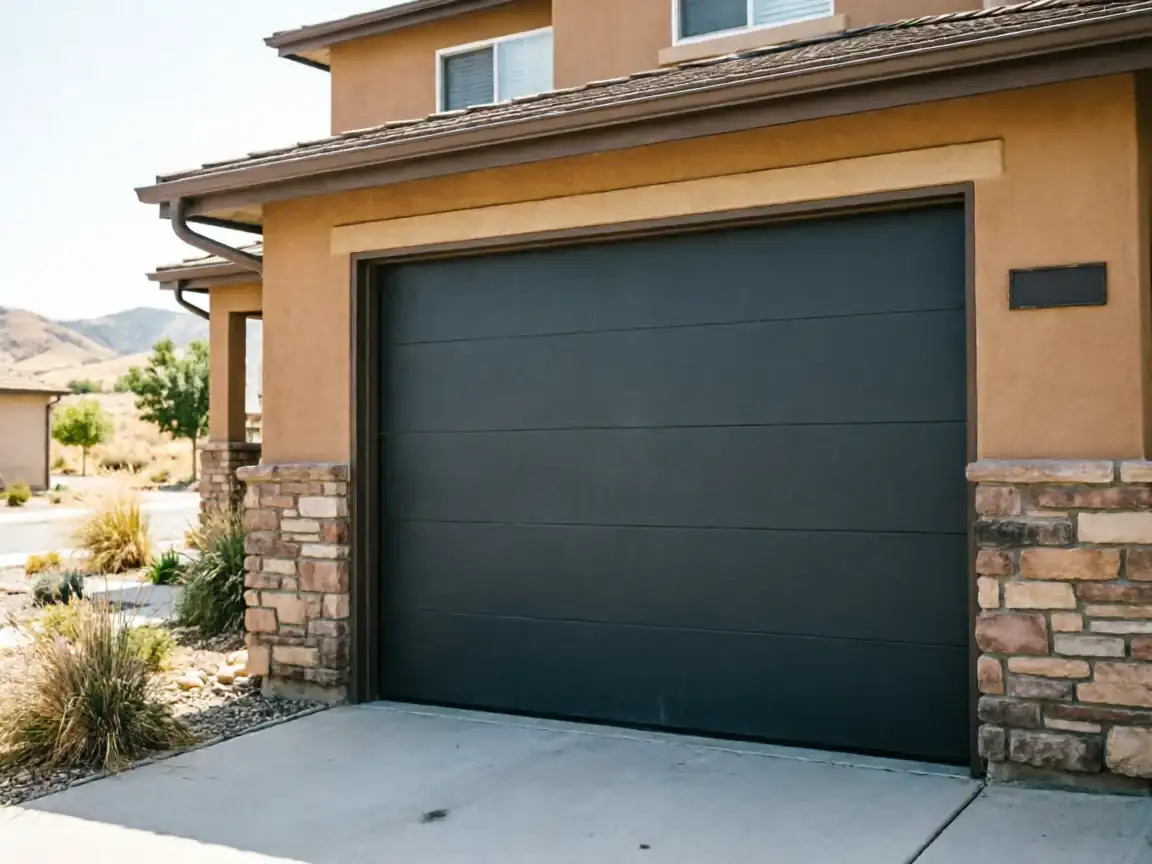
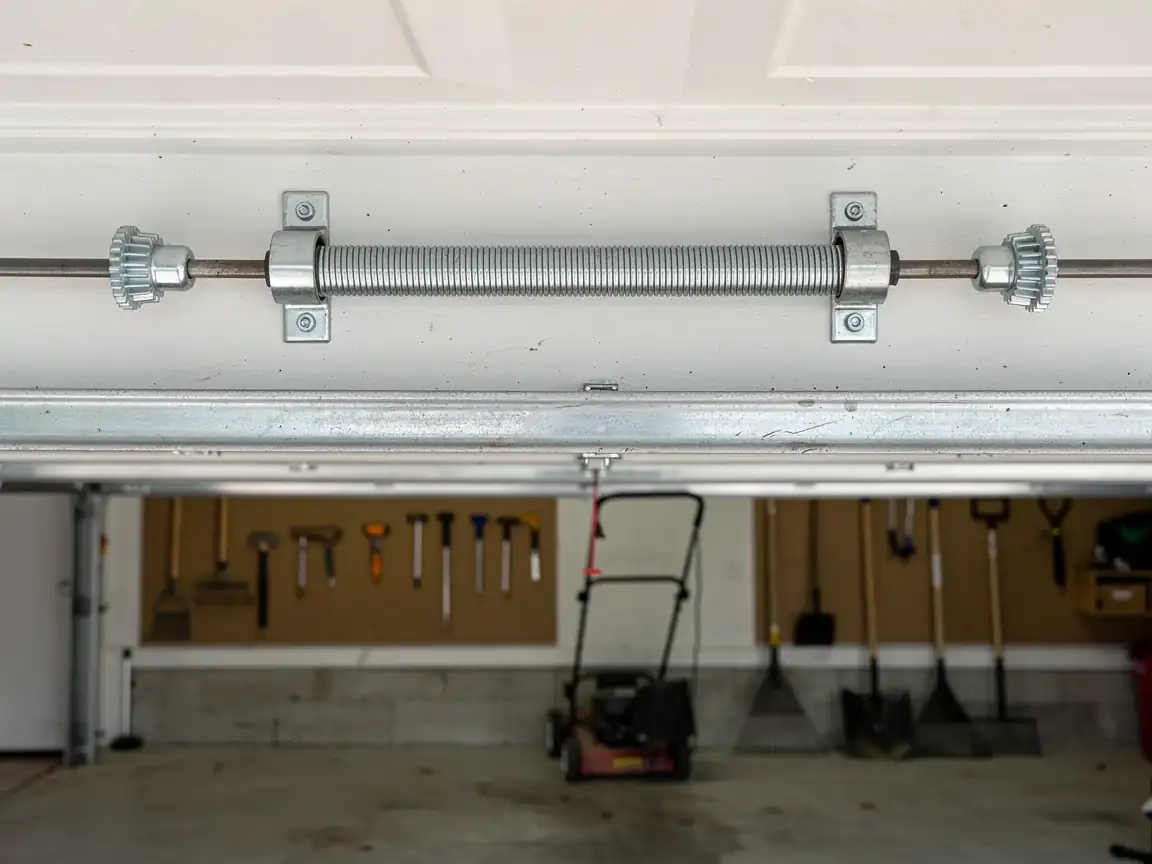
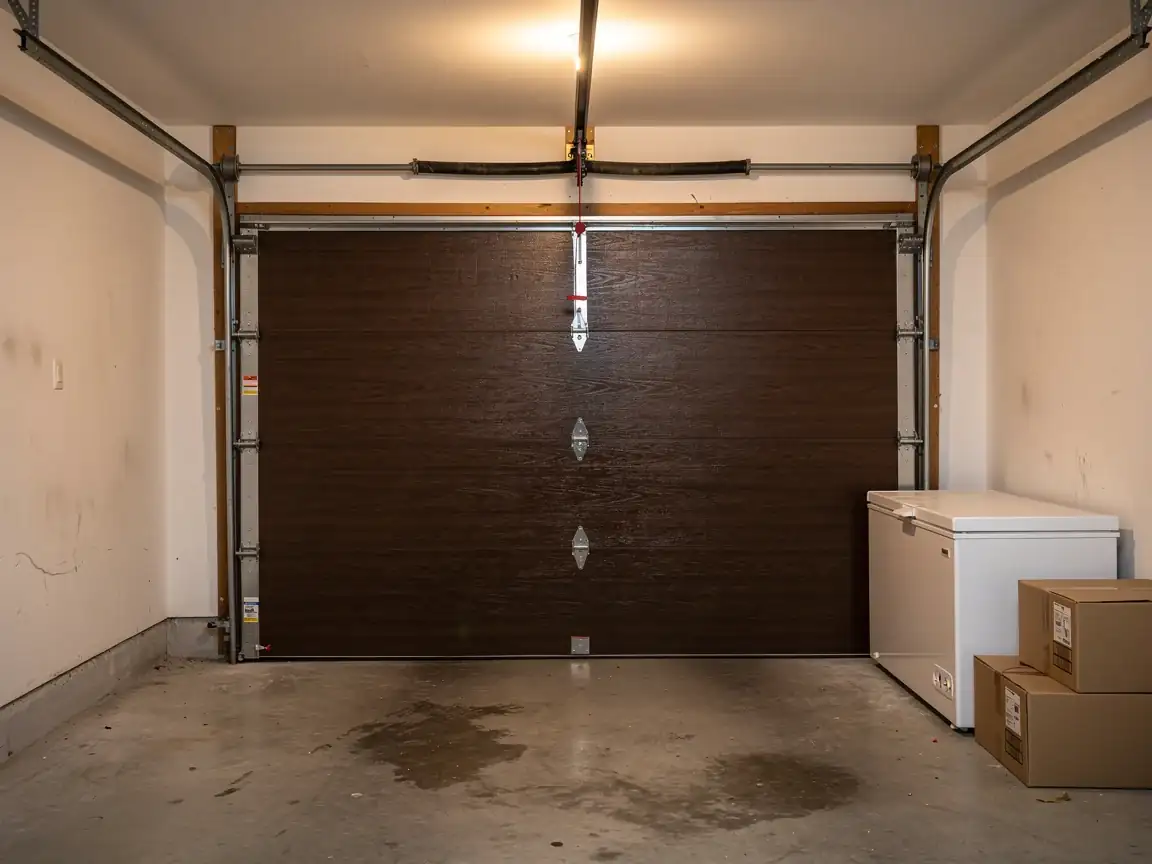
Give or take a few years either side. That puts you past the era of heavy wood-panel doors and into the first wave of lightweight steel sectional doors - usually 16x7 double-car on the newer builds, single 9x7 or 8x7 on the older lots. These doors run on galvanized torsion springs that were never built to last forty years, and a lot of them are still wearing the original hardware.
What that means for a call
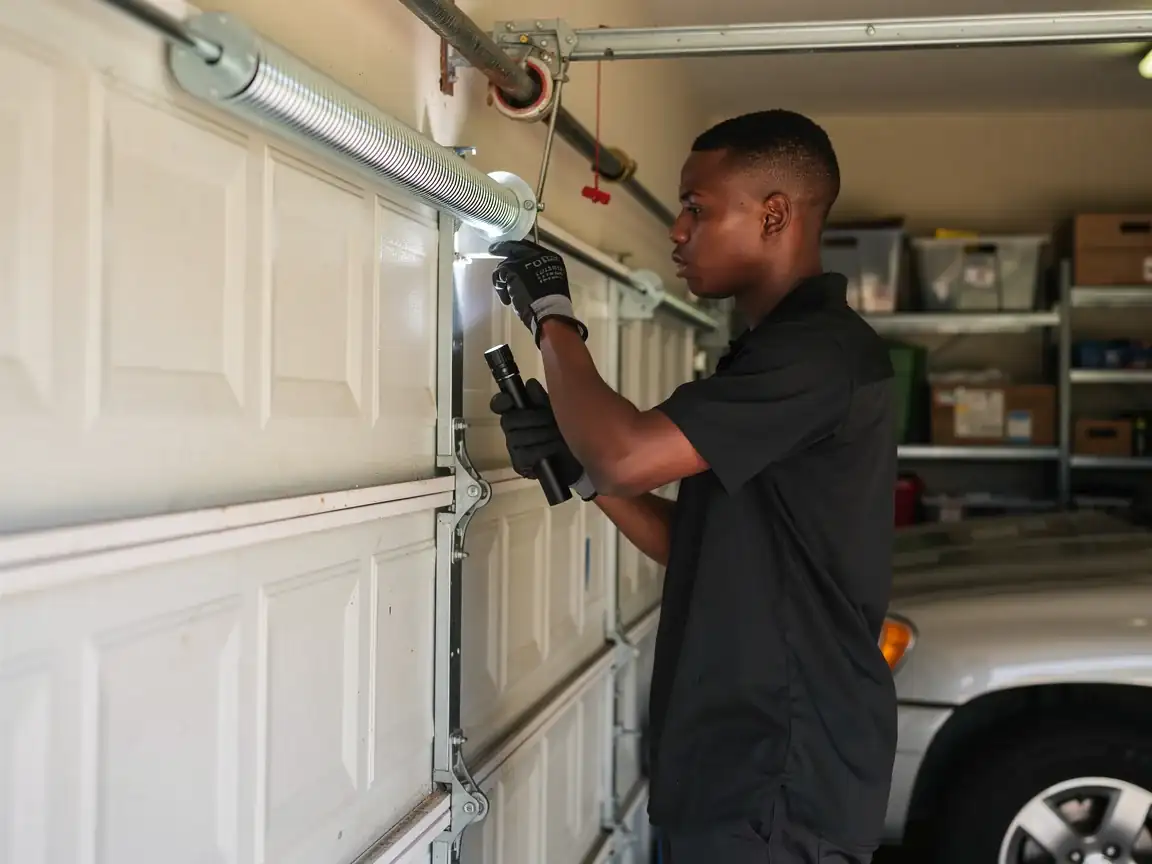
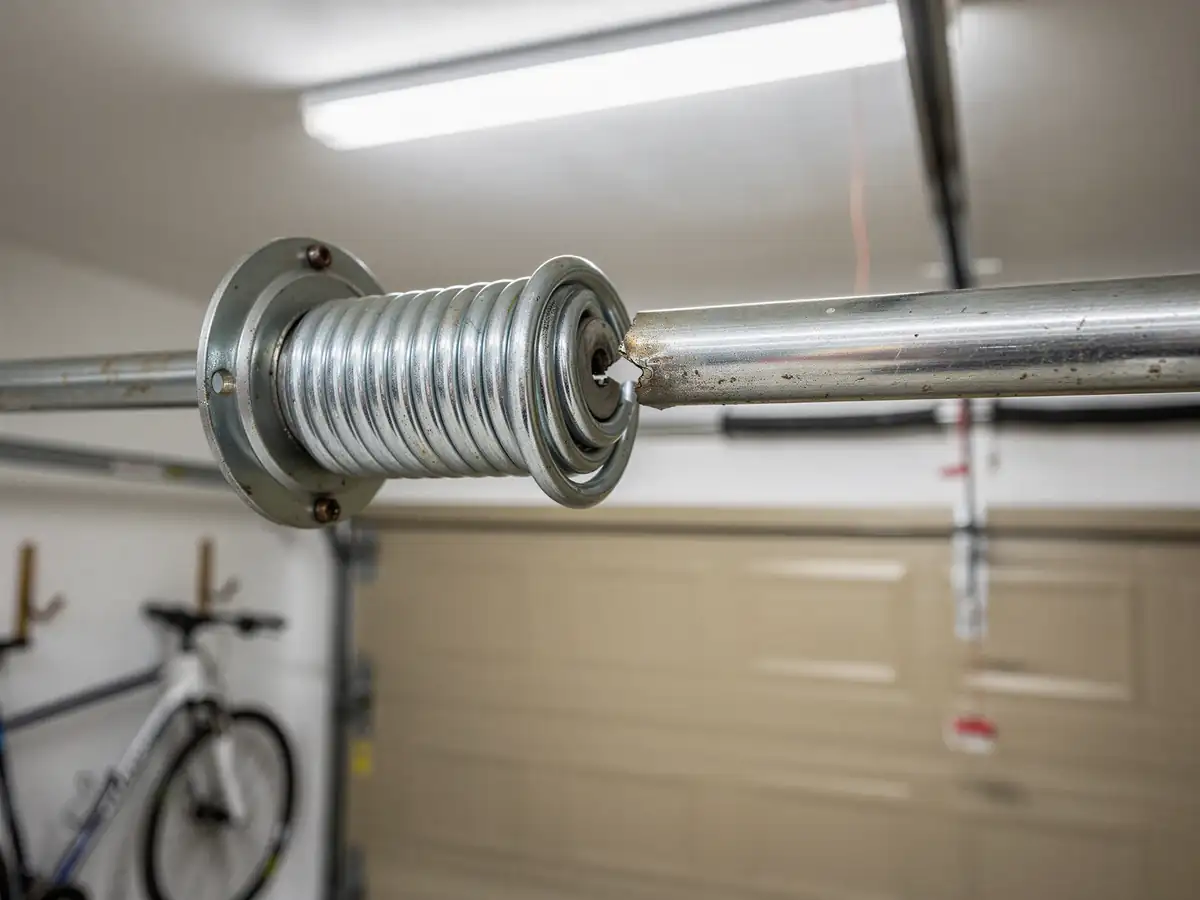
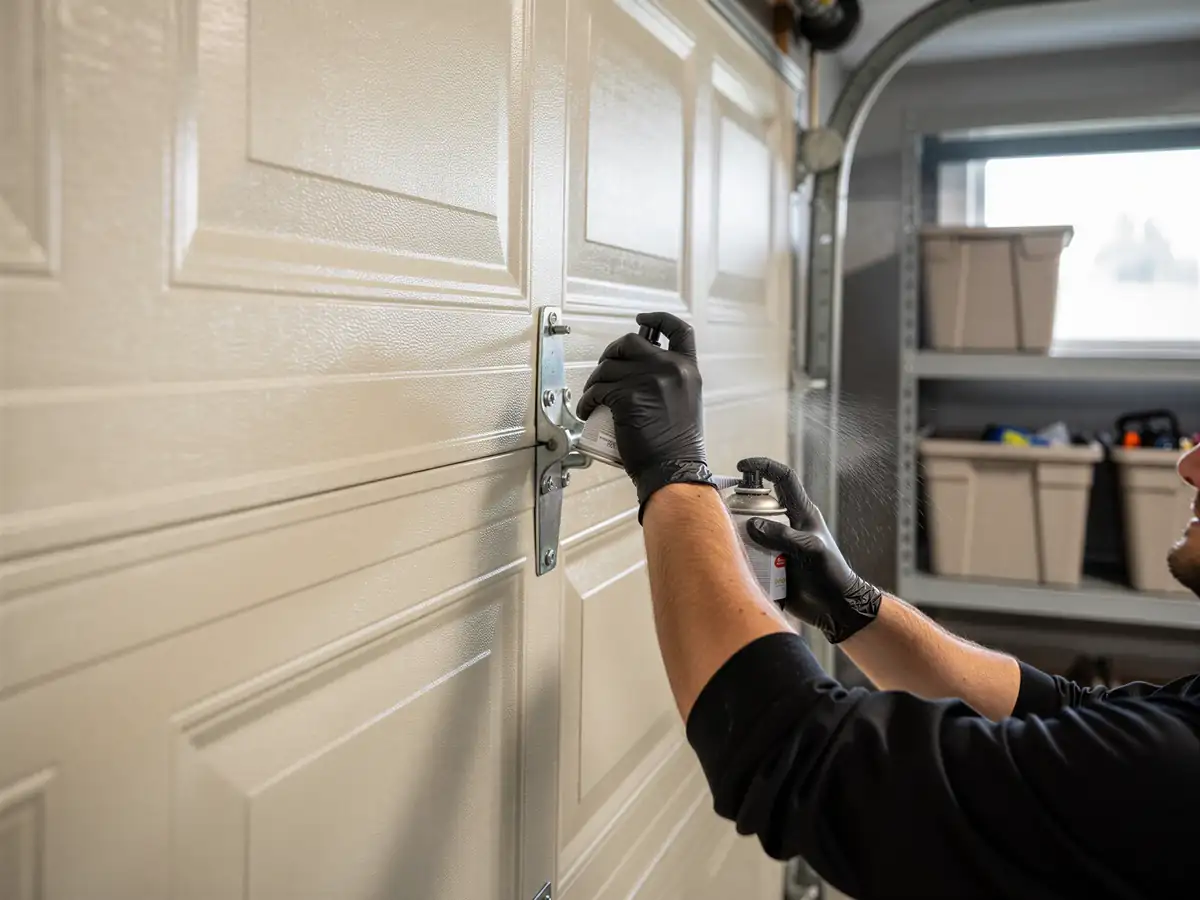
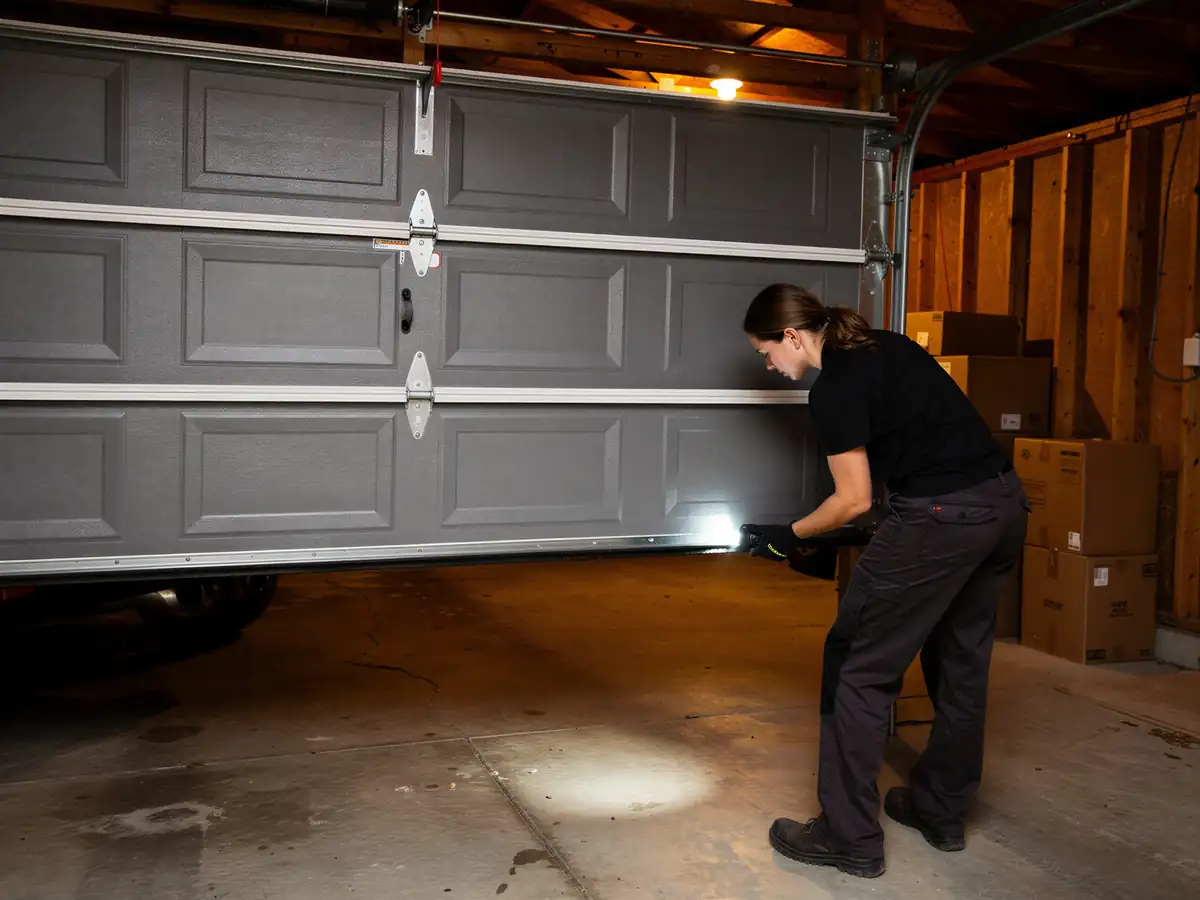
The spring on a door this age is usually fatigued, not freshly broken. You'll notice the opener straining before it quits outright - a grinding pull on lift-off, a door that closes faster than it opens, or a track that's started to walk out of its brackets because the cable has stretched past spec. Rollers on steel doors from this period were often plain steel, not nylon, so you'll also hear a dry squeal that gets worse in cold weather before anything actually breaks. If your door is original to the house, the hardware inside it is original too, and that's the first thing worth checking before you touch anything else.
What It Costs
We don't have a West Valley City specific price list to hand out here - costs on a repair depend on spring size, cable length, and whether the opener itself is original 1980s hardware or a later replacement, and that varies door to door even on the same street. What we can tell you is what drives the number on a house like this: a single torsion spring swap on an original door is a smaller job than a full cable-and-drum replacement, and if the track has bent from age it usually needs straightening or replacing rather than just re-hanging.
Household income in this area runs around $88,604, noticeably below the wider service area's $115,335 median, and that gap shows up in the calls we get - more repair requests, fewer full-door replacements, more people asking what the minimum fix is to get the door working safely again. That's a reasonable question and we'll answer it straight: if the drum or track is original and worn, patching the spring alone just moves the failure a few months down the road.
The DIY Question
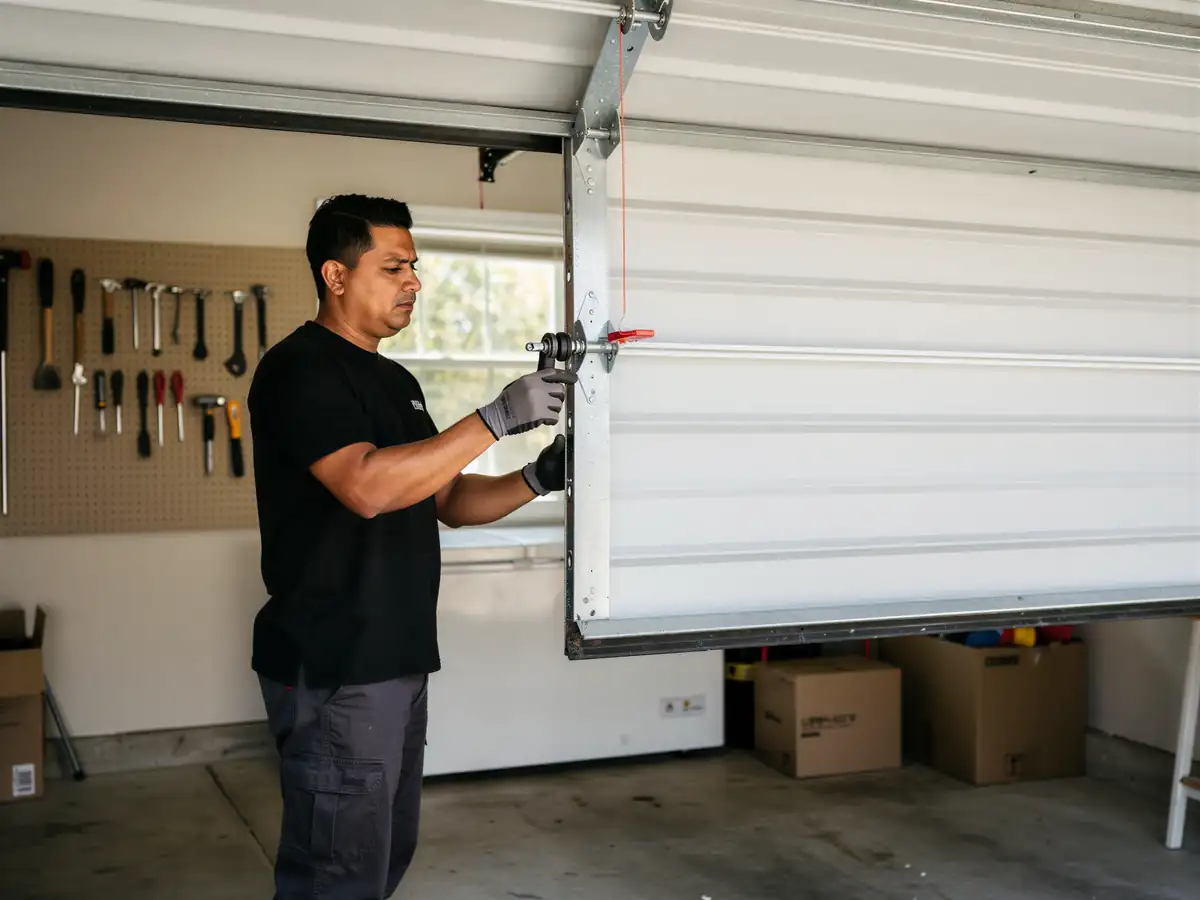
A torsion spring on a door this age is wound tight enough to break a wrist or worse if you don't know the drill bar routine, and on a 38,855-household area like this, we'd rather tell you not to try it than get a call after. Rollers and hinges are different - if you can get the door open safely and the spring isn't the problem, swapping a roller is reasonable weekend work.
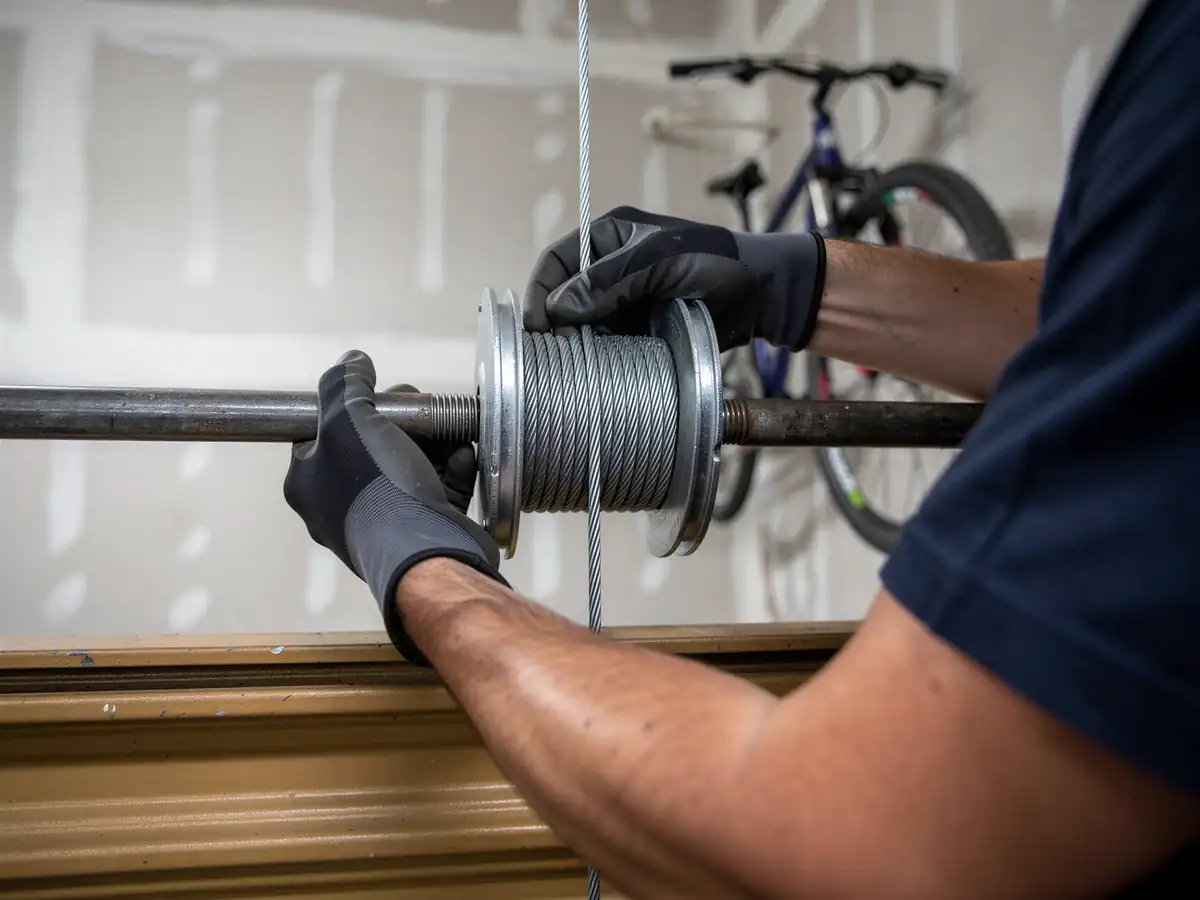
What we'd flag as not worth doing yourself: anything involving the cable drums, the torsion bar itself, or an opener bracket that's pulled loose from a ceiling joist. On a house built around 1984, that bracket was likely installed into framing that's seen four decades of seasonal movement, and over-tightening a loose lag bolt into old wood can strip it rather than fix it. If the door won't budge and the opener is straining against it, stop pulling the cord and call - that's a spring under load, not a stuck track.
Why It Happens Here
West Valley City sits in a severe cold climate band
And that's the detail that does the most damage to a door this age. Steel contracts in the cold, and a torsion spring that's already lost tension from thirty-plus years of cycling gets noticeably stiffer and weaker on the first hard freeze of the season - that's why late fall and early winter are when we see the most spring failures here, not mid-summer heat.
It also matters that this is a 6-mile run from our West Jordan base
Close enough that we're not guessing at drive time, but it's worth knowing we're coming from outside town rather than parked around the corner. On the house side: original steel sectional doors from the mid-80s weren't insulated the way current code expects, so the panel itself flexes more in cold weather, which puts extra strain on hardware that was already due for replacement before the cold ever got involved.
Where This Job Goes Sideways
The job that goes bad here is the one where someone replaces a spring on an original 1984 door and leaves the rest of the hardware alone. The spring is new, but the cable drums, the rollers, and the track are all the same age and under the same stress they've always been - so three months later something else lets go, and it looks like the first repair failed when really it just exposed the next weak point.
The other way it goes sideways: a cable that's frayed but not snapped gets ignored because the door still opens. On an older steel door, a fraying cable under tension can snap suddenly rather than gradually, and when it does, the door drops unevenly on one side. If your door is original to a house this age and one repair call turns into hardware you didn't expect to touch, that's usually not an upsell - it's the rest of a forty-year-old system catching up at once.