What It Costs
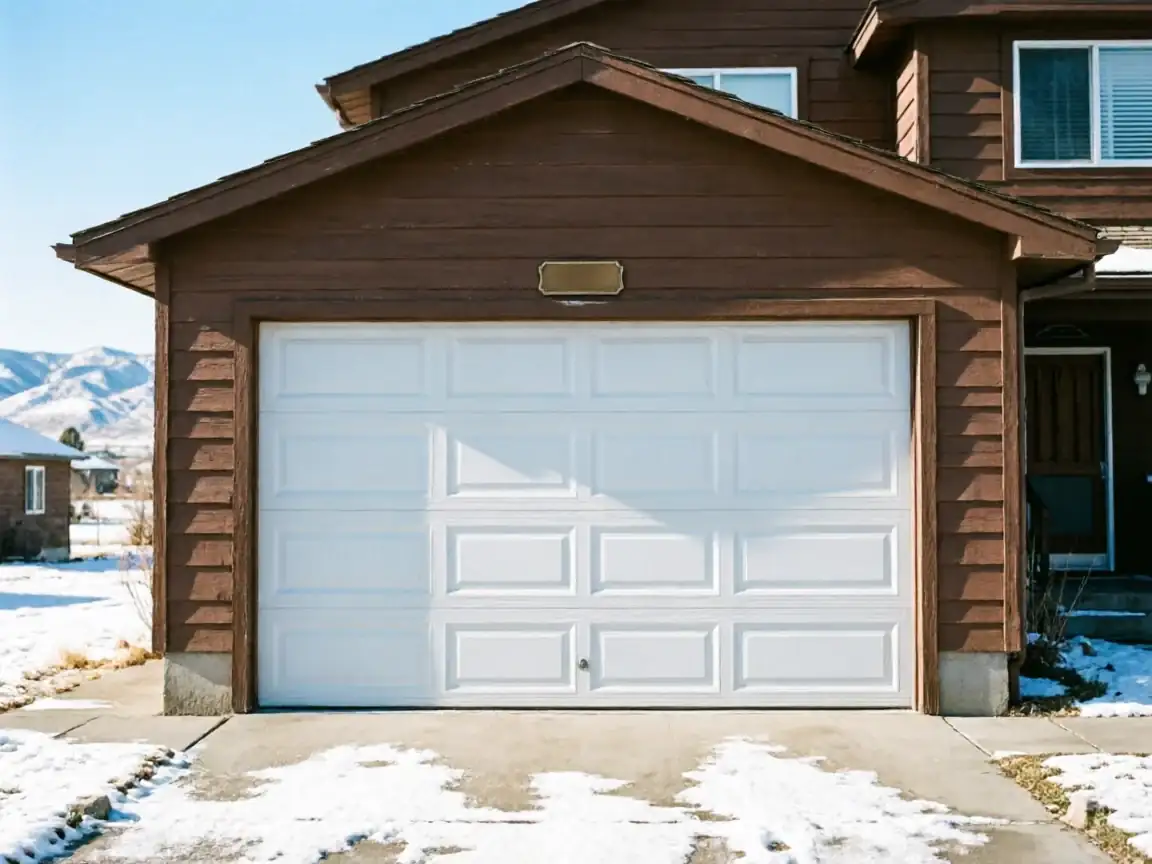
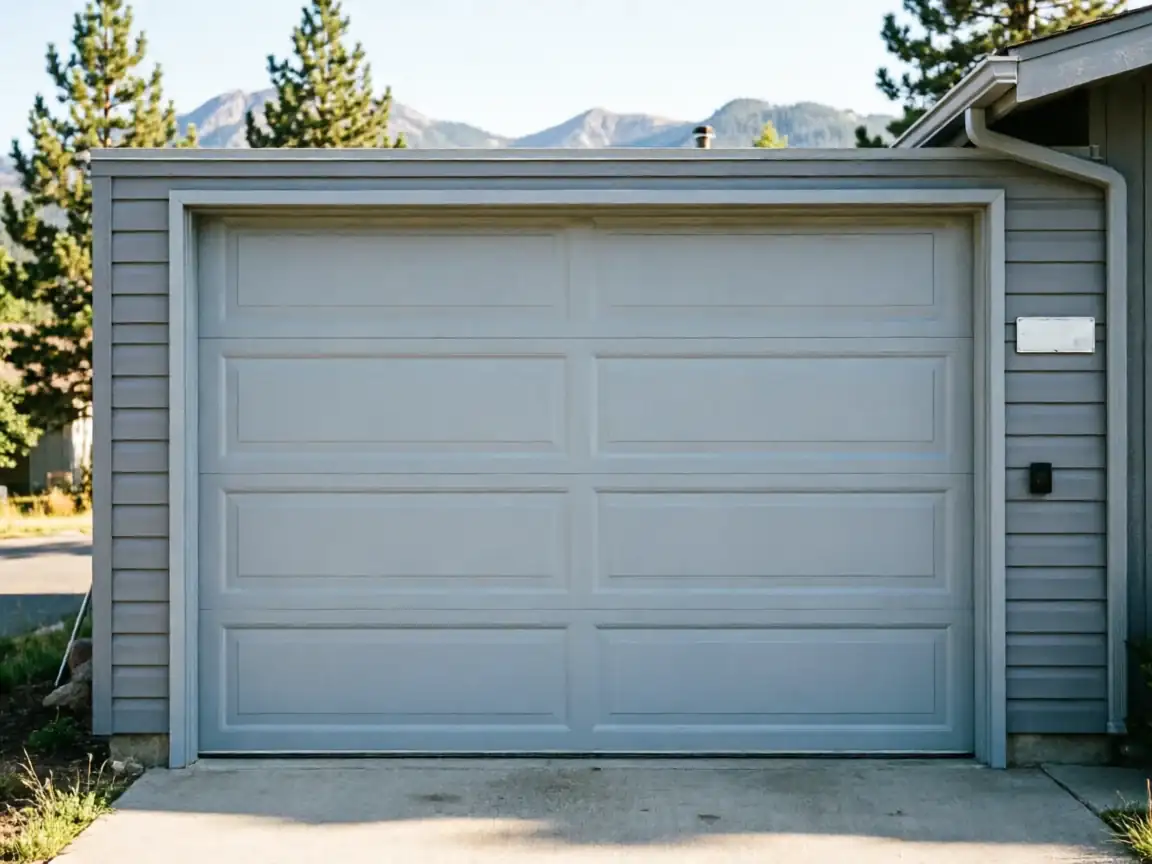
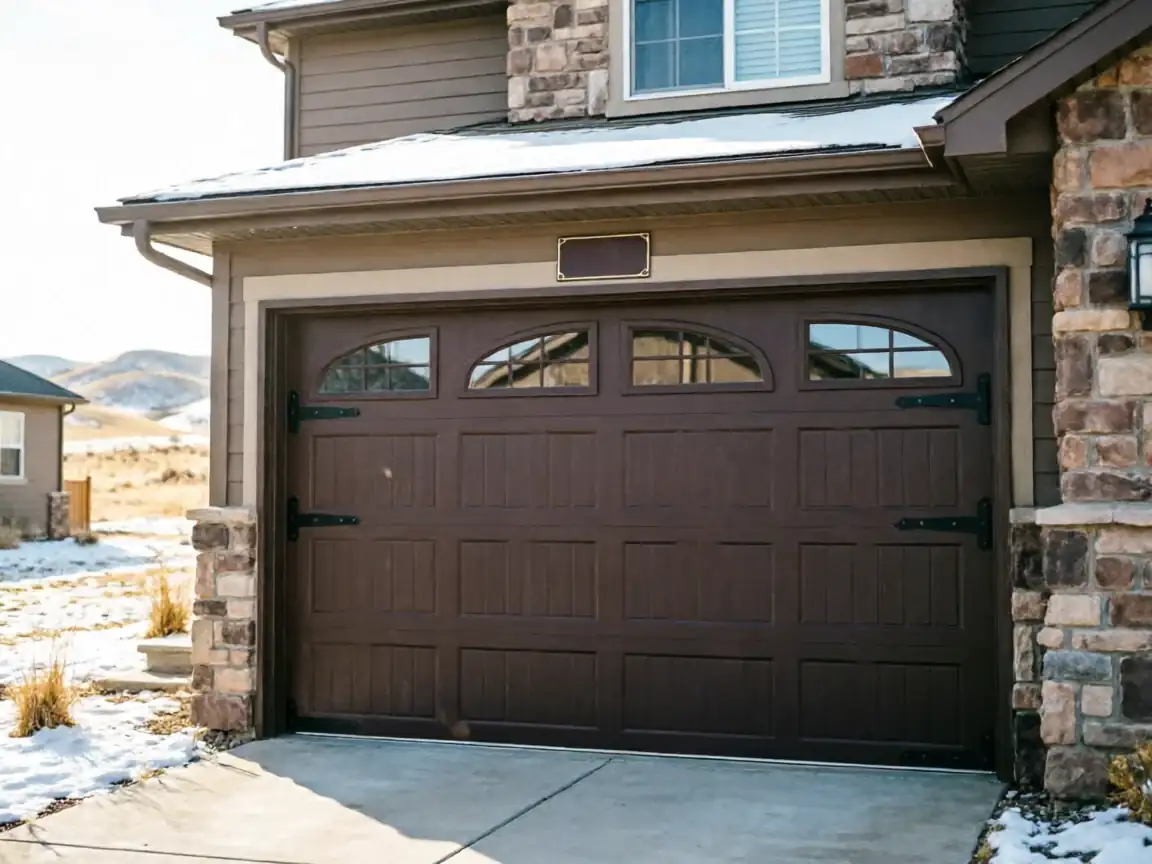
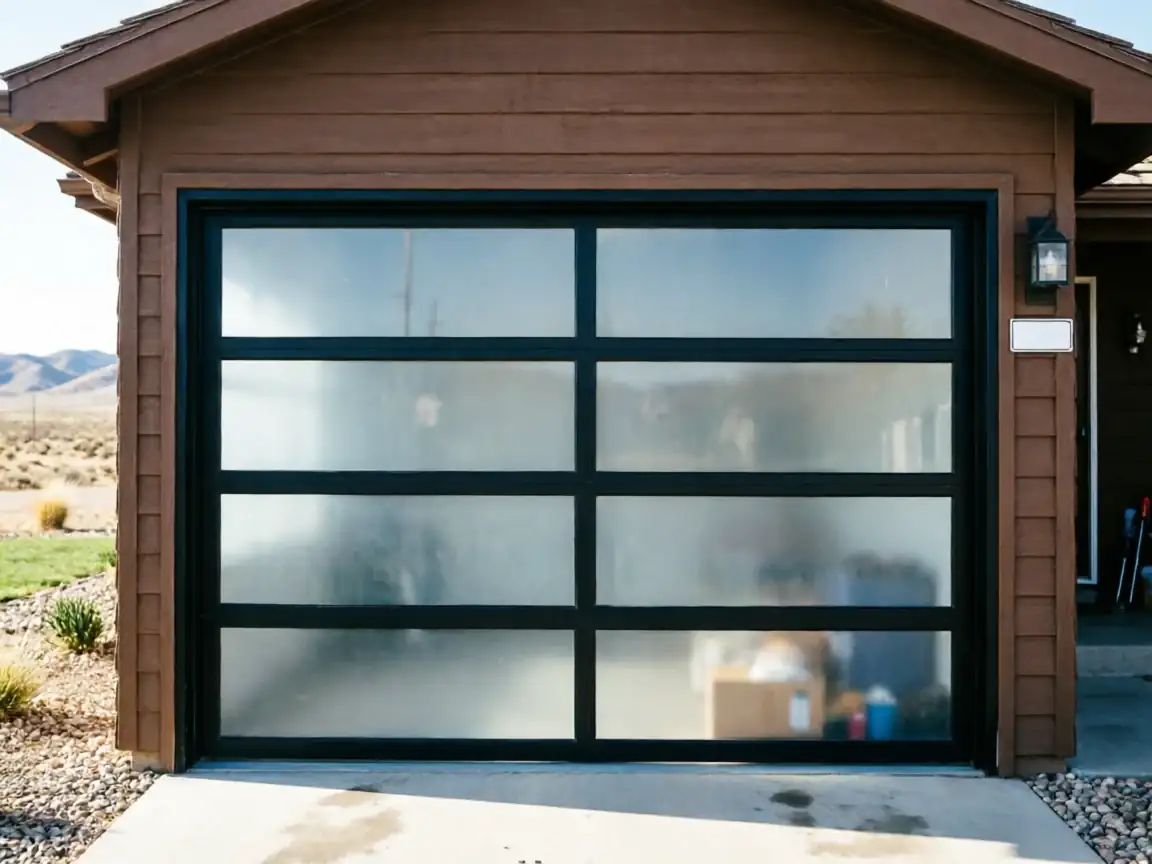
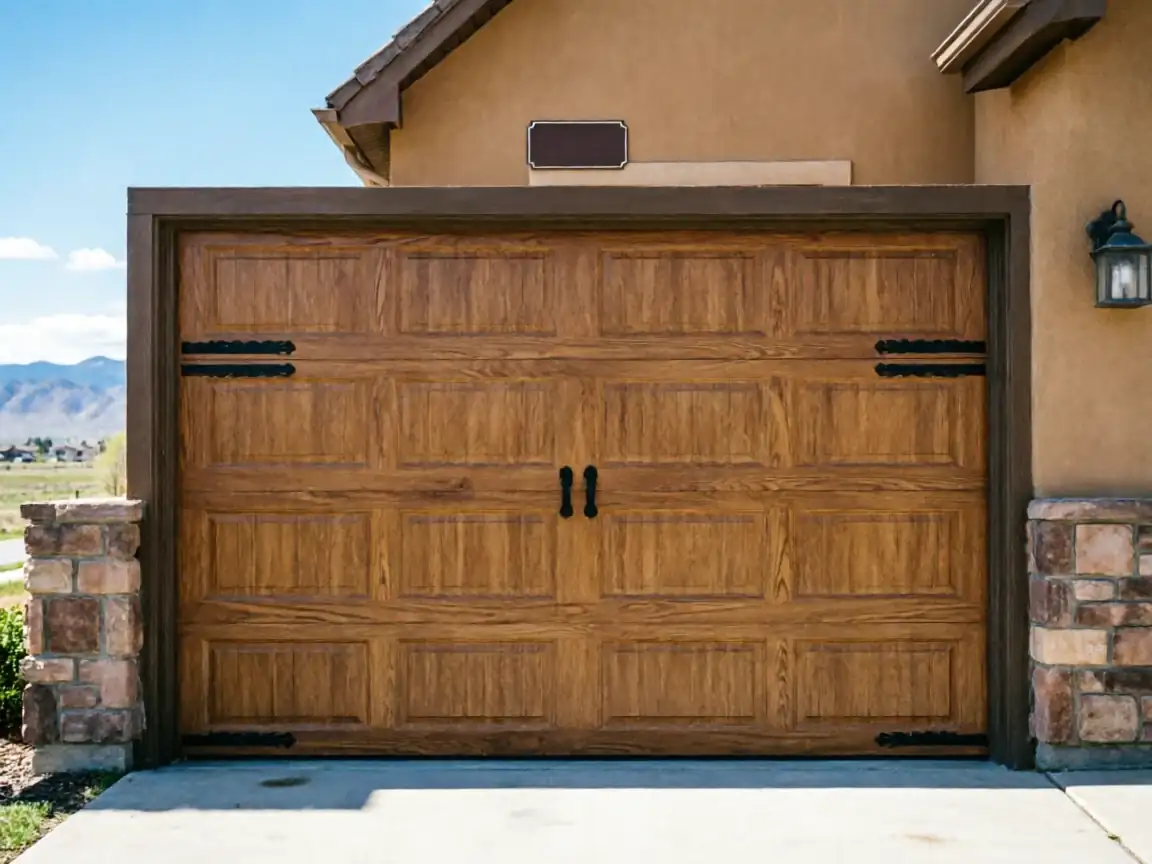
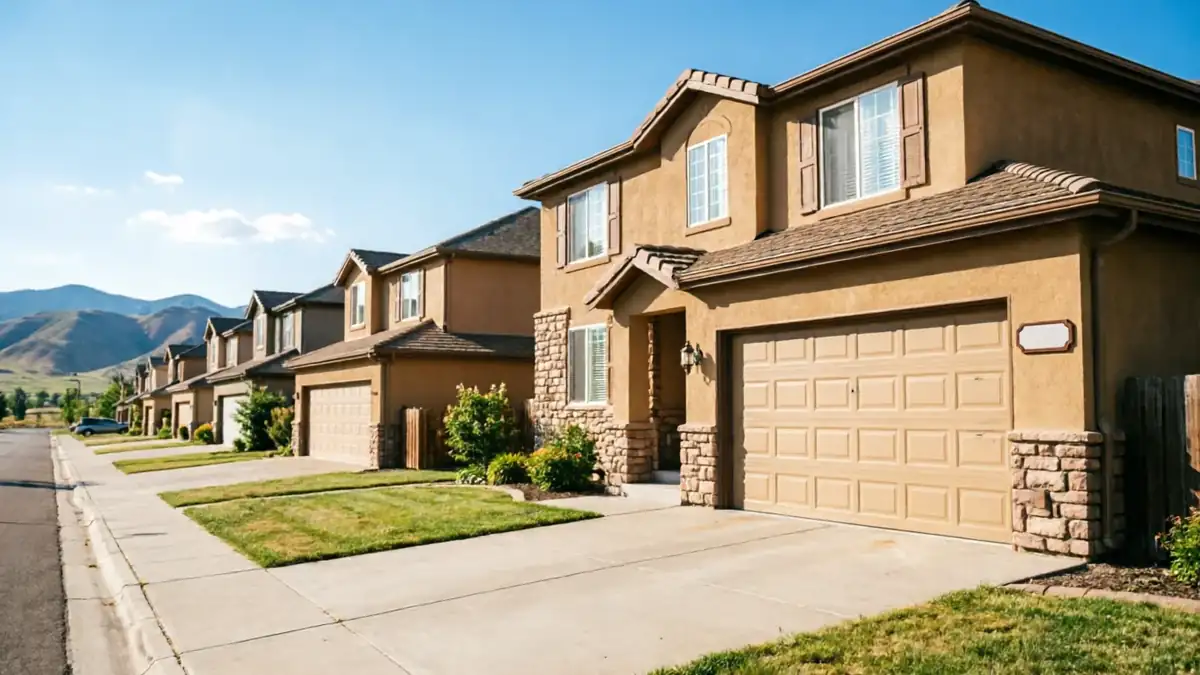
We don't quote a number here because the honest answer depends on the door, and we're not going to make one up to fill space. What we can tell you is what drives the number up or down in a neighborhood like this. West Valley City's median household income sits at $88,604, and most of the jobs we run here land in the mid-range tier - a steel door with some insulation, a standard torsion spring setup, nothing custom. Double doors cost more than single doors for the obvious reason that there's more steel and a heavier spring system. Insulation adds cost upfront and pays it back slowly in a climate that runs cold and severe through winter, so it's worth asking about even if you weren't planning on it. The one thing we won't do is sell you a door sized for a showroom when your opening is framed the way 1980s construction framed it - nonstandard trim can turn a standard-size door into a job that needs extra flashing or a header adjustment, and that adds to the bill honestly rather than hiding it in the base price.
The DIY Question
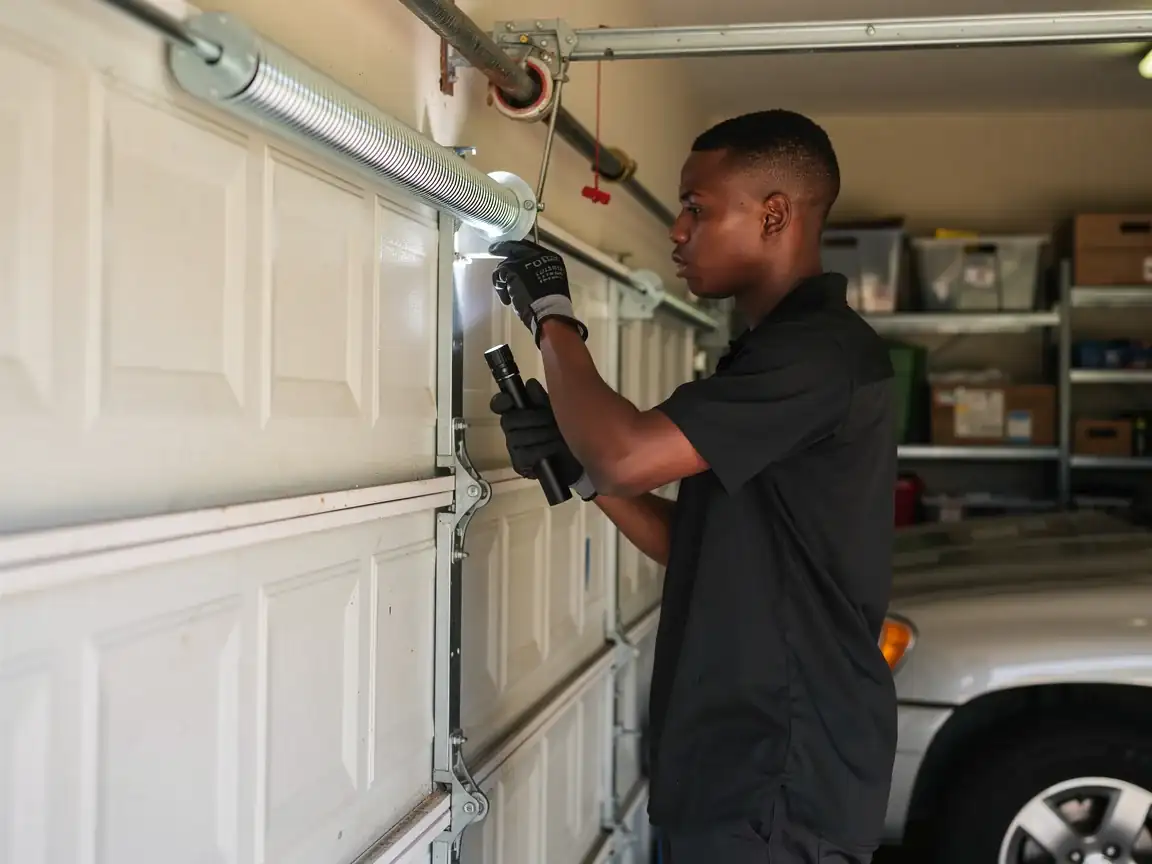
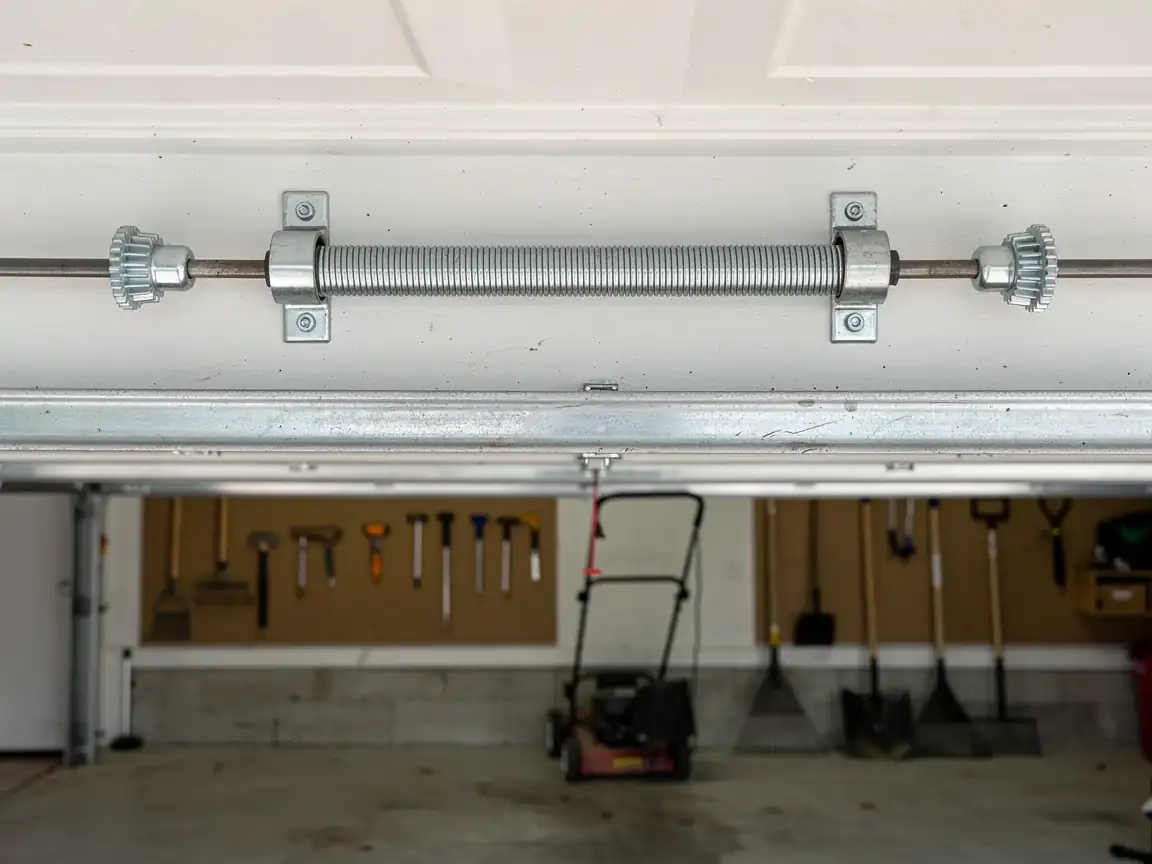
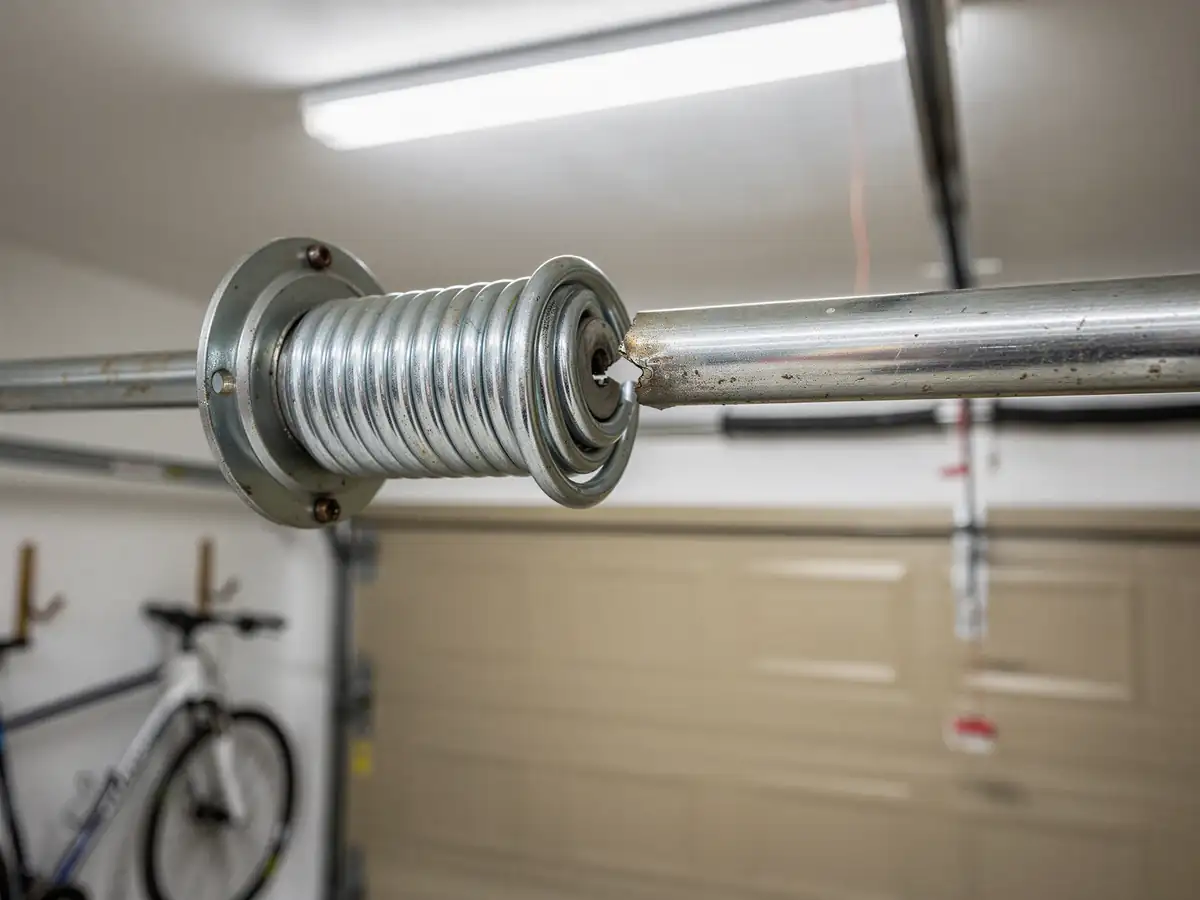
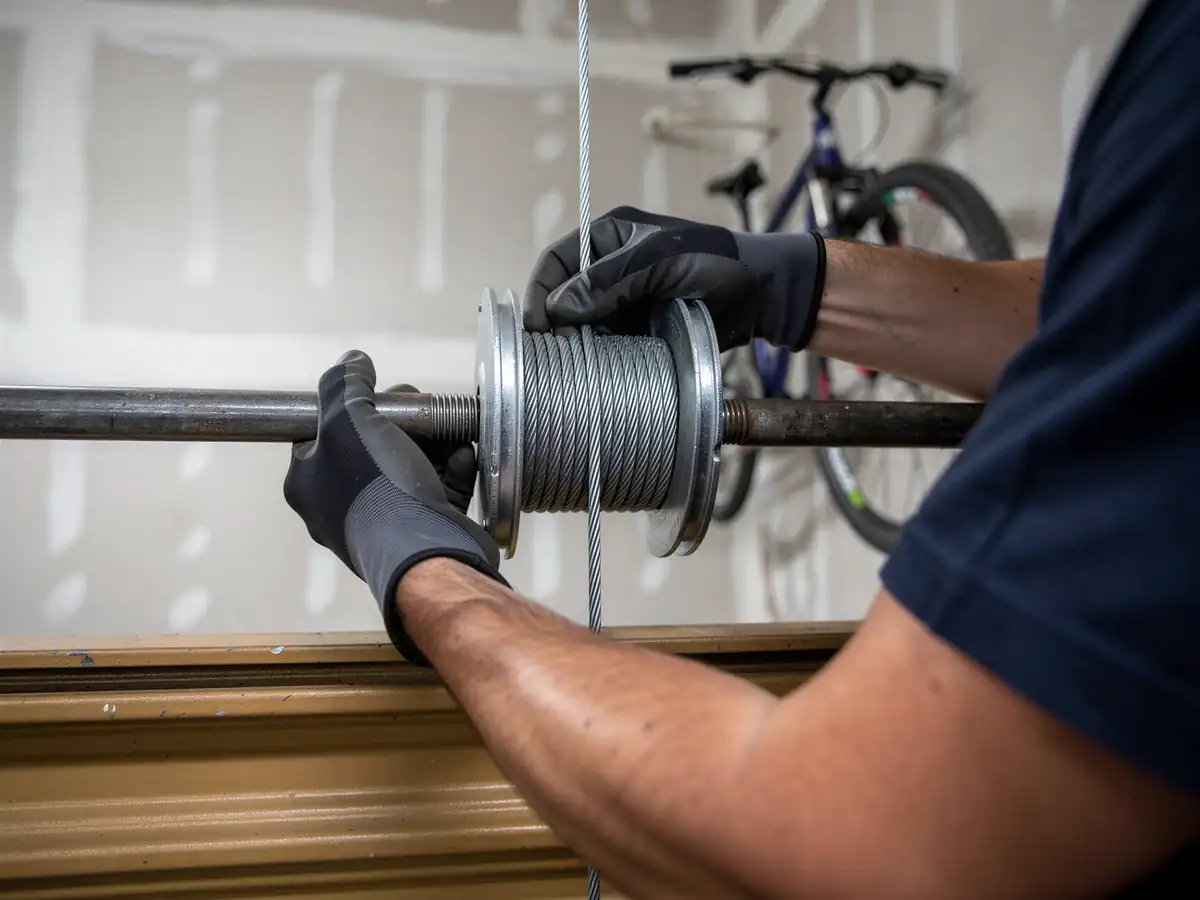
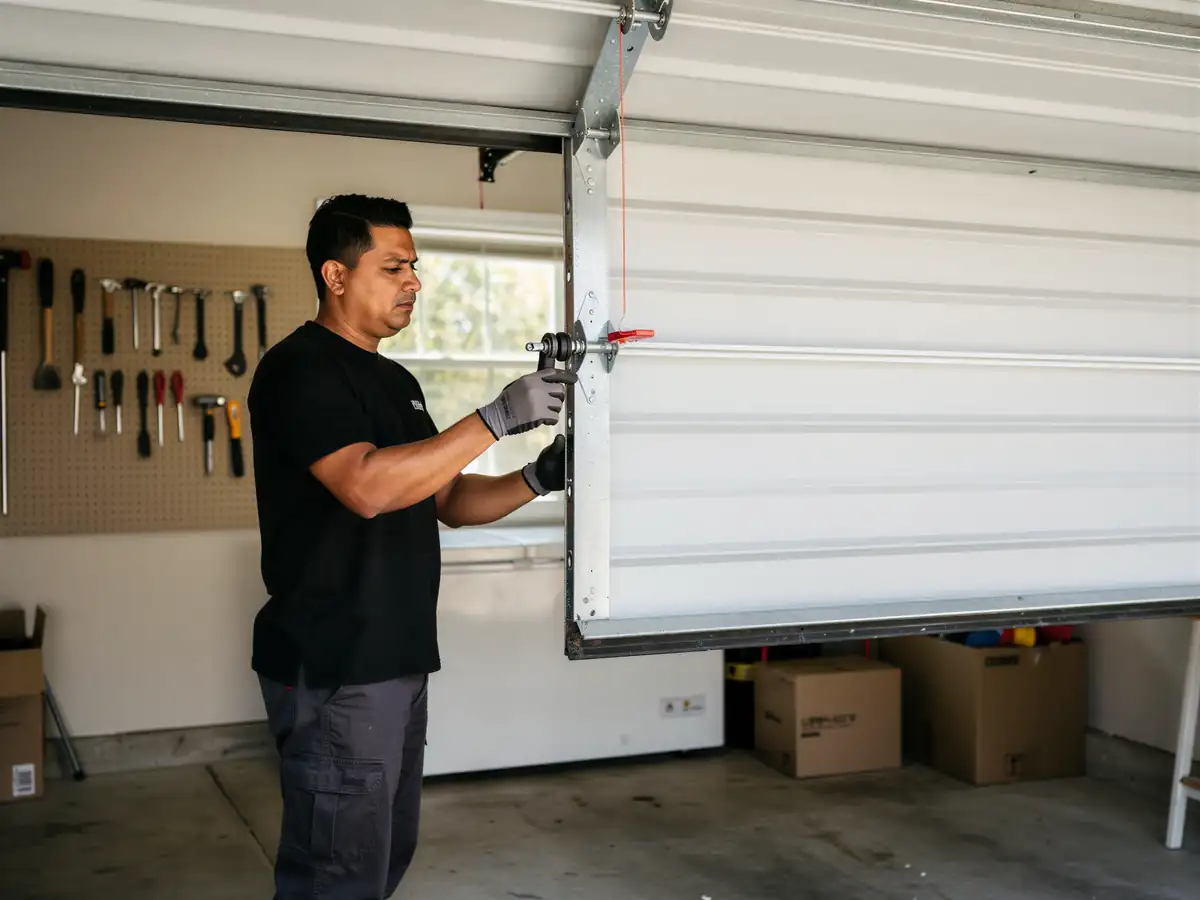
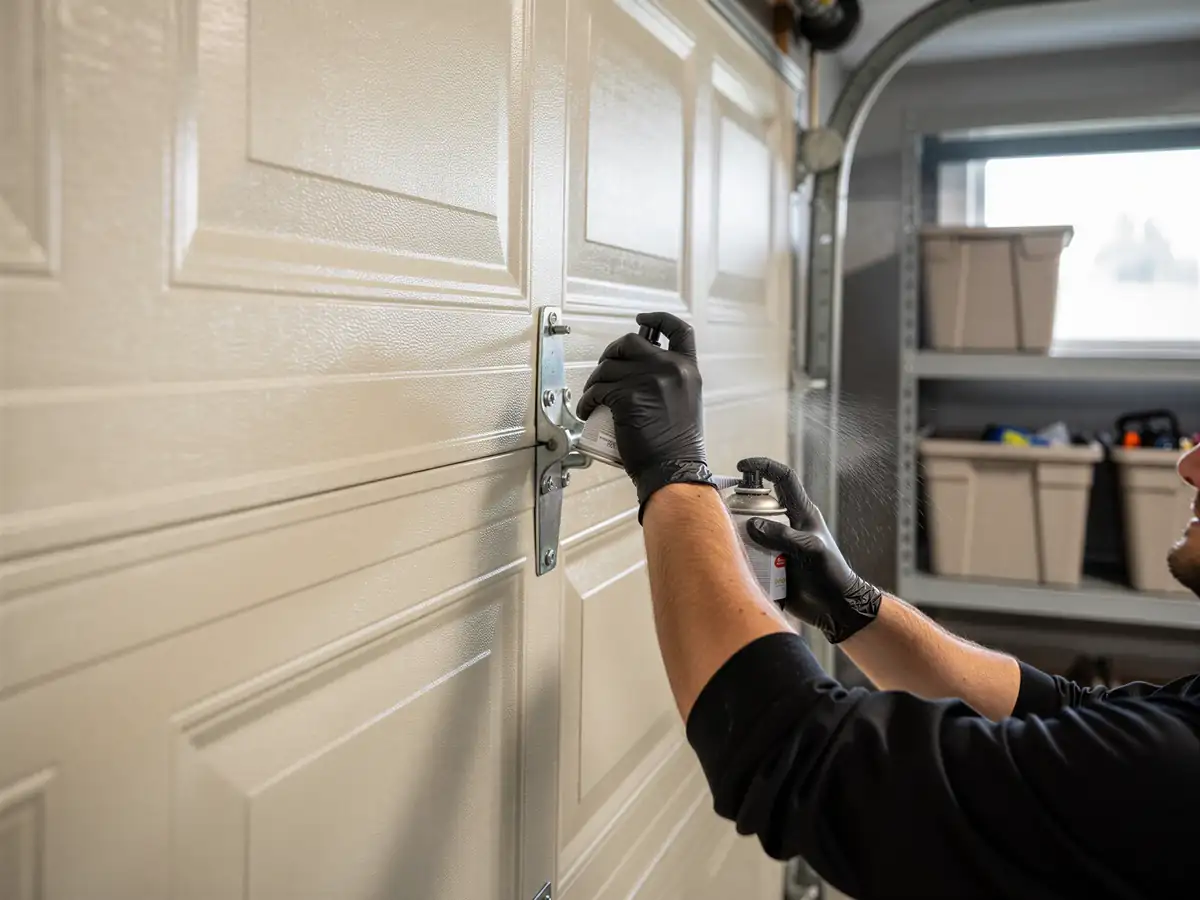
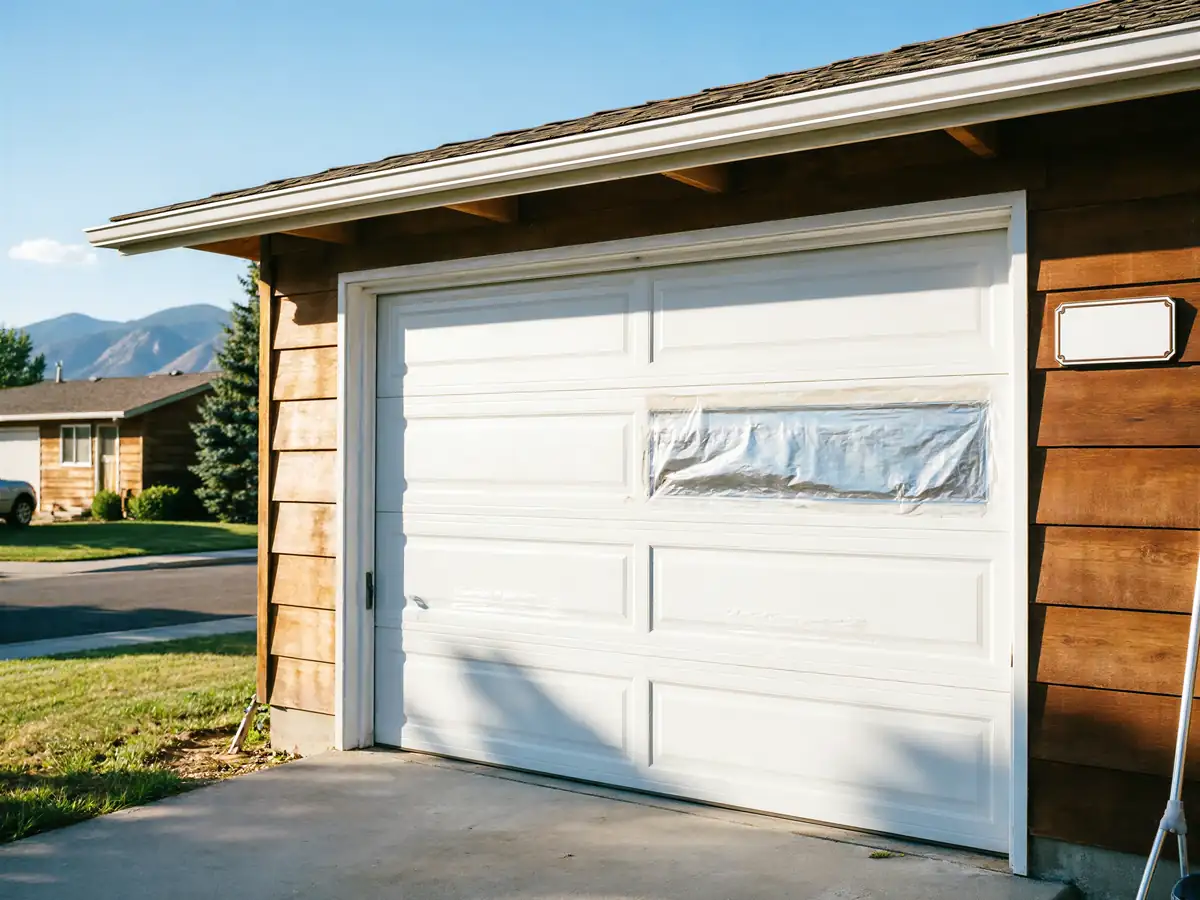
Don't do the spring yourself. That's the limitation we'll put in writing: a torsion spring under tension can put someone in the hospital, and the tools to wind one safely aren't ones most people own or should buy for a single job. Swapping a door panel, re-hanging track, or balancing a new door against the right spring weight is specialized work, not because we want to gatekeep it, but because the margin for a mistake is a door that falls or a spring that lets go. Where DIY makes sense is the small stuff - weatherstripping, lubricating rollers, tightening a loose hinge. Where it doesn't is anything that involves removing the old door and setting a new one, especially in a house built in the 1980s where the opening may not match a modern door's hardware without some adjustment. If you're set on doing some of the work yourself, say so when you call - we'll tell you straight whether that's a place to save money or a place not to.
Where This Job Goes Sideways
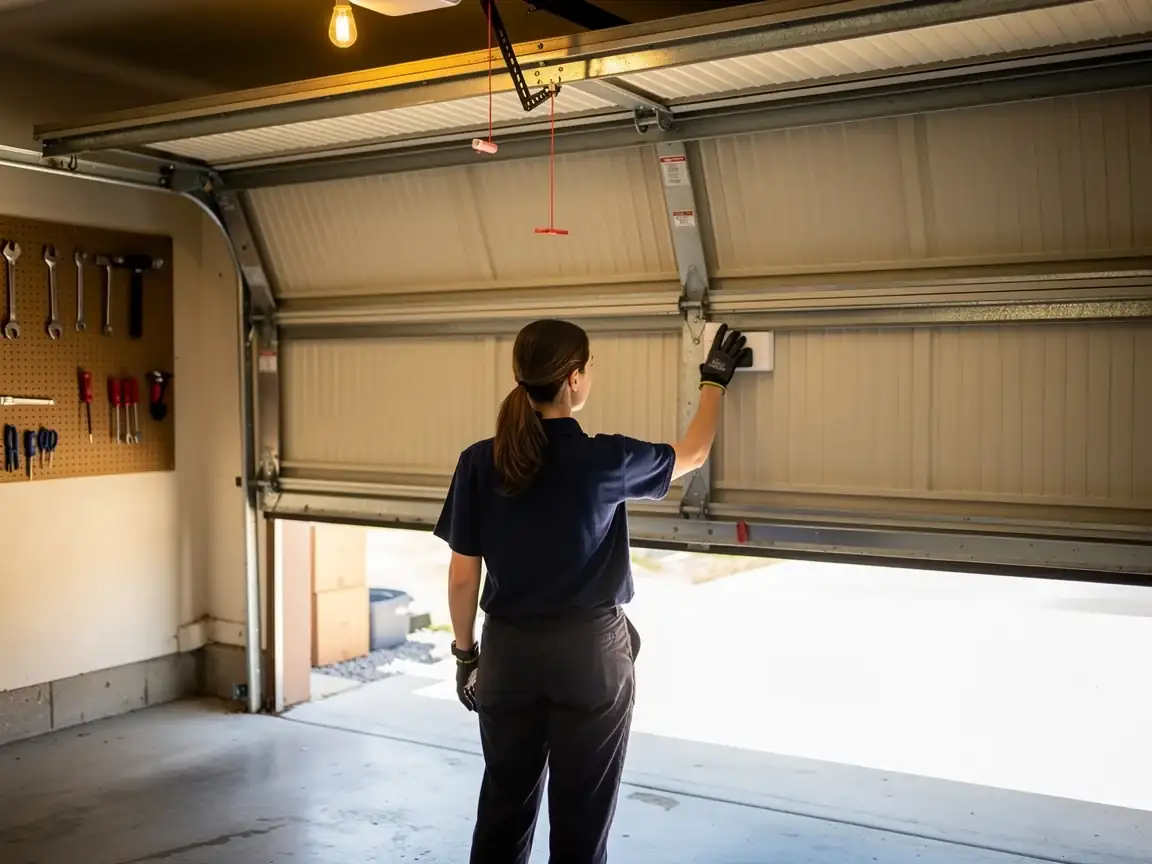
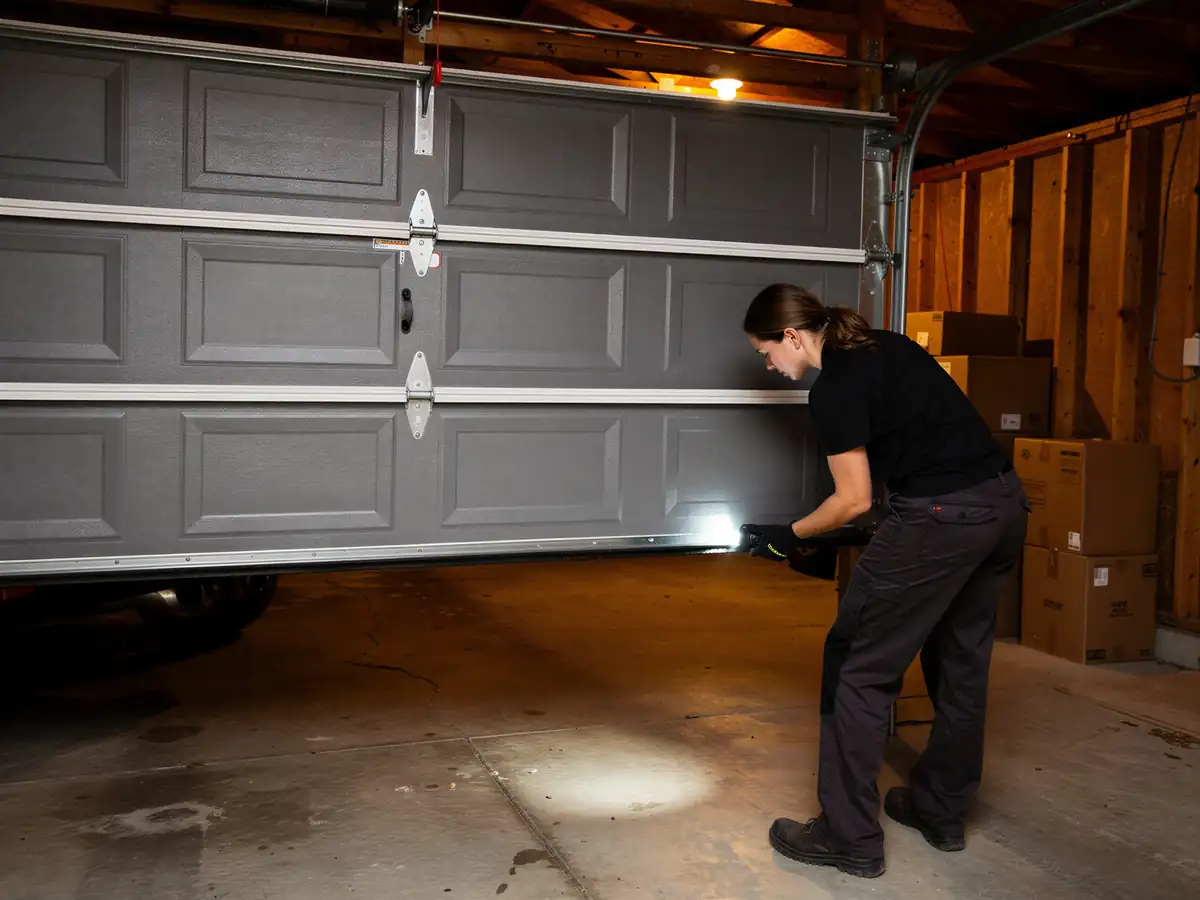
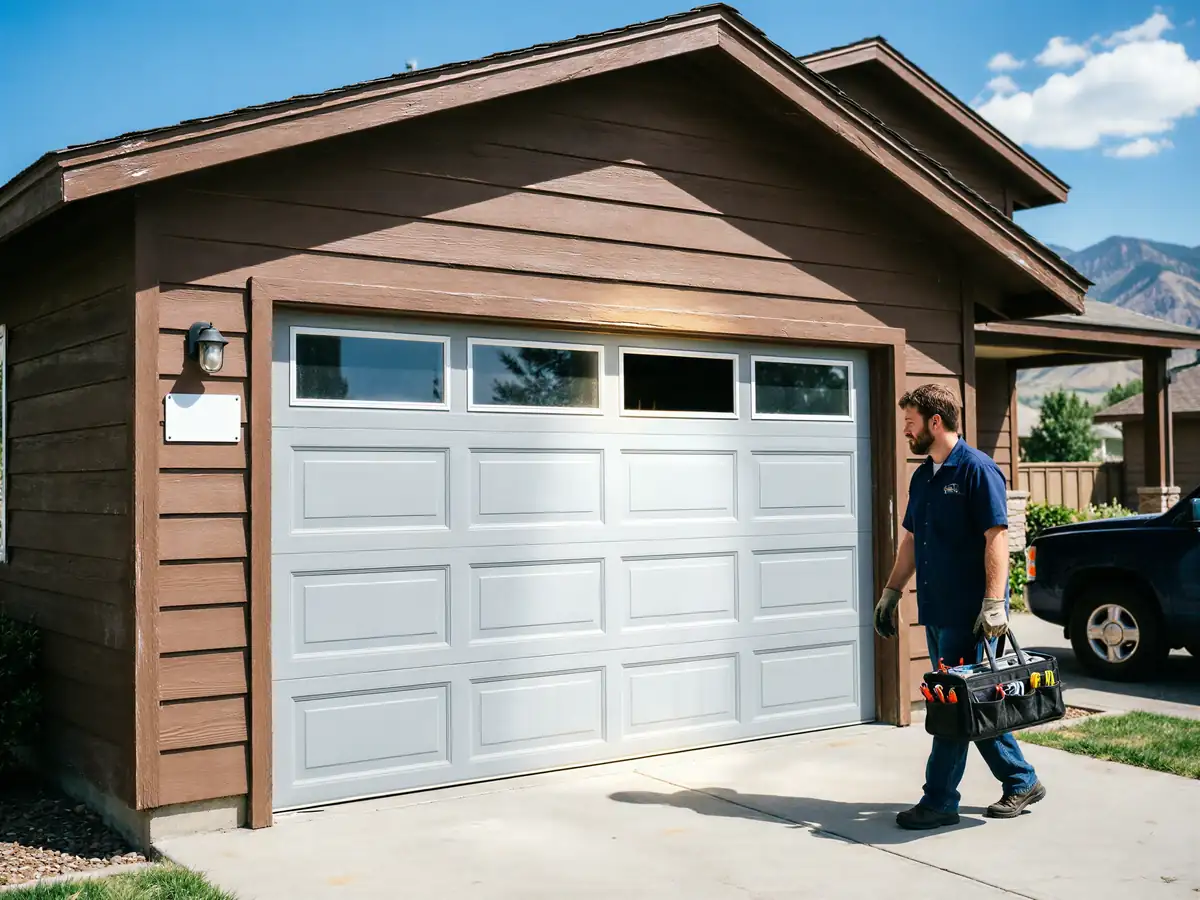
The most common snag on a West Valley City install isn't the door, it's the opening. Houses built around 1984 weren't all framed to the same rough-in dimensions builders use today, so a door box ordered to a stock size sometimes needs the jamb adjusted or a header reinforced before it'll sit right. We catch that at measurement, not at install, because catching it at install means a second trip from West Jordan, and that's time neither of us wants to spend. The other place it goes sideways is the opener. If the old opener is original to a door from this era, it's rated for a lighter panel than most new doors weigh, especially insulated ones. Reusing it on a heavier door either overworks the motor or leaves the door out of balance, which shows up later as a door that won't stay shut. We flag that before the new door goes in, not after, because a mismatched opener is the kind of thing that looks fine on install day and fails six months later.