How That Shows Up in the Door
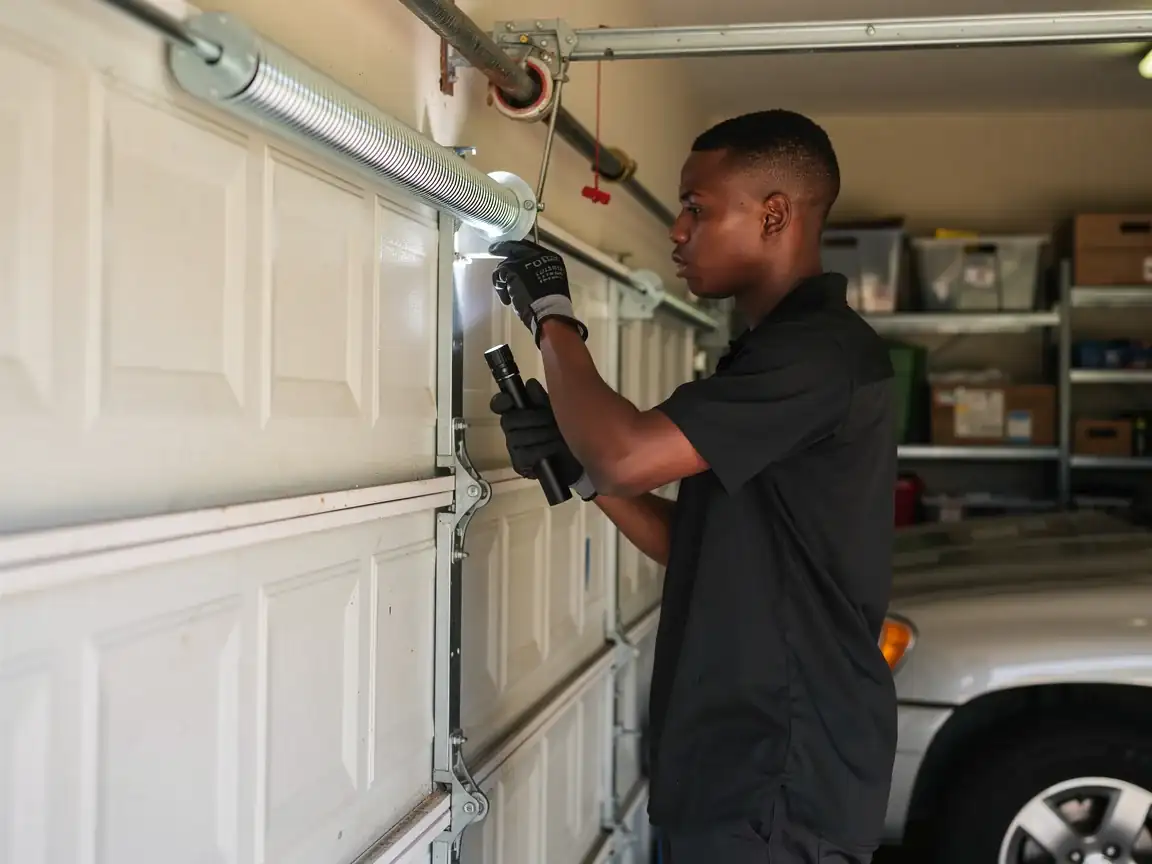
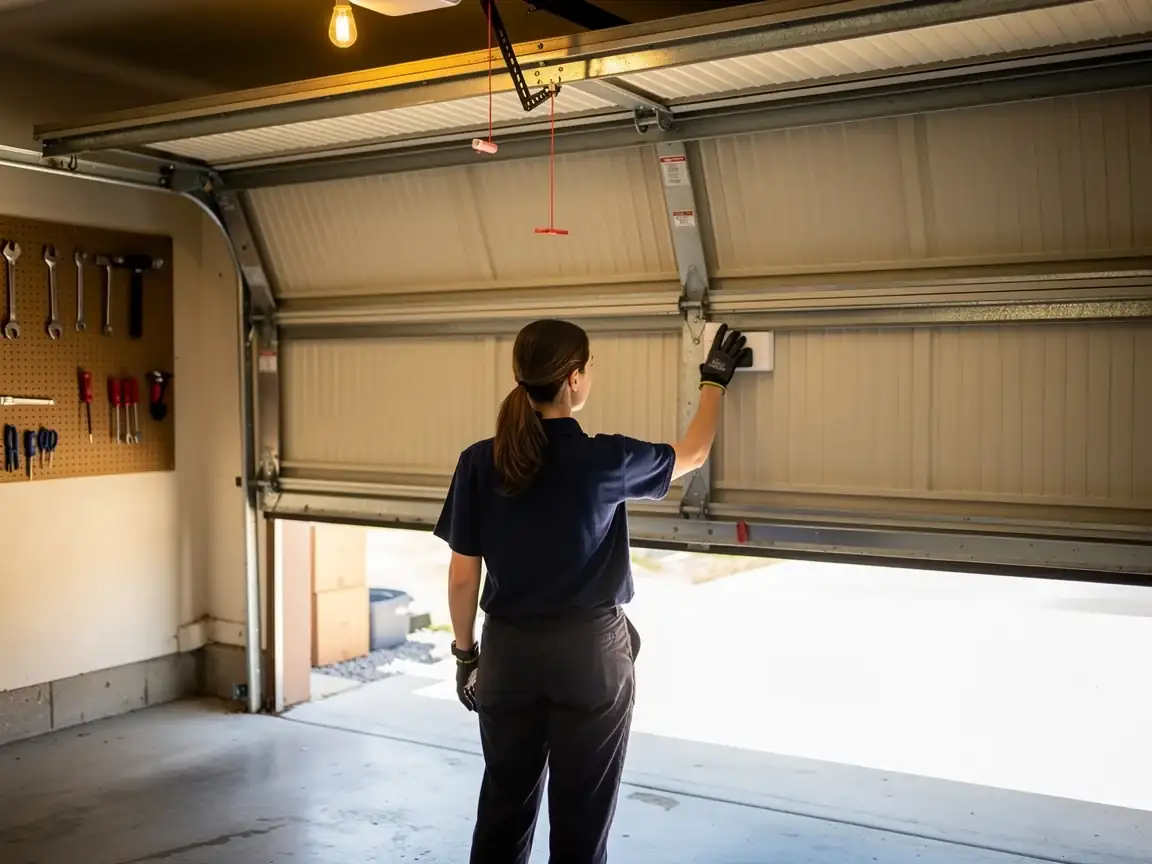
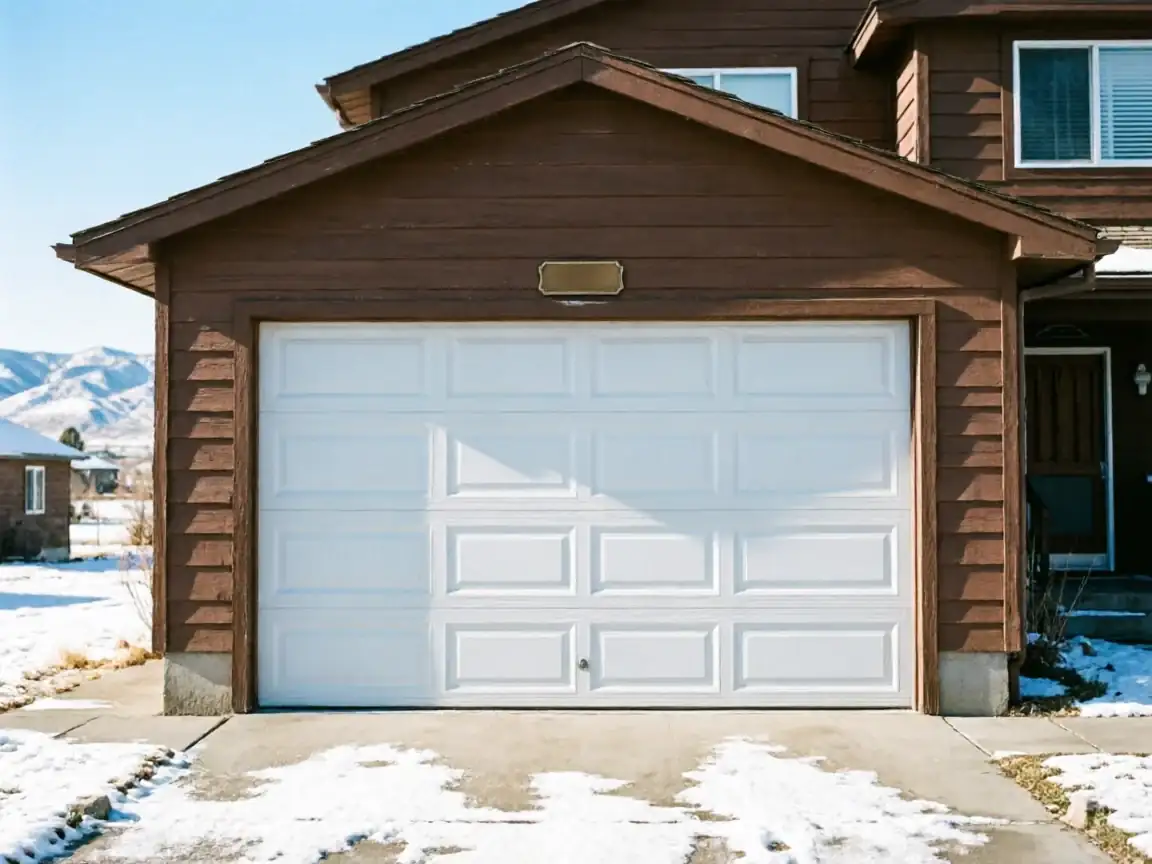
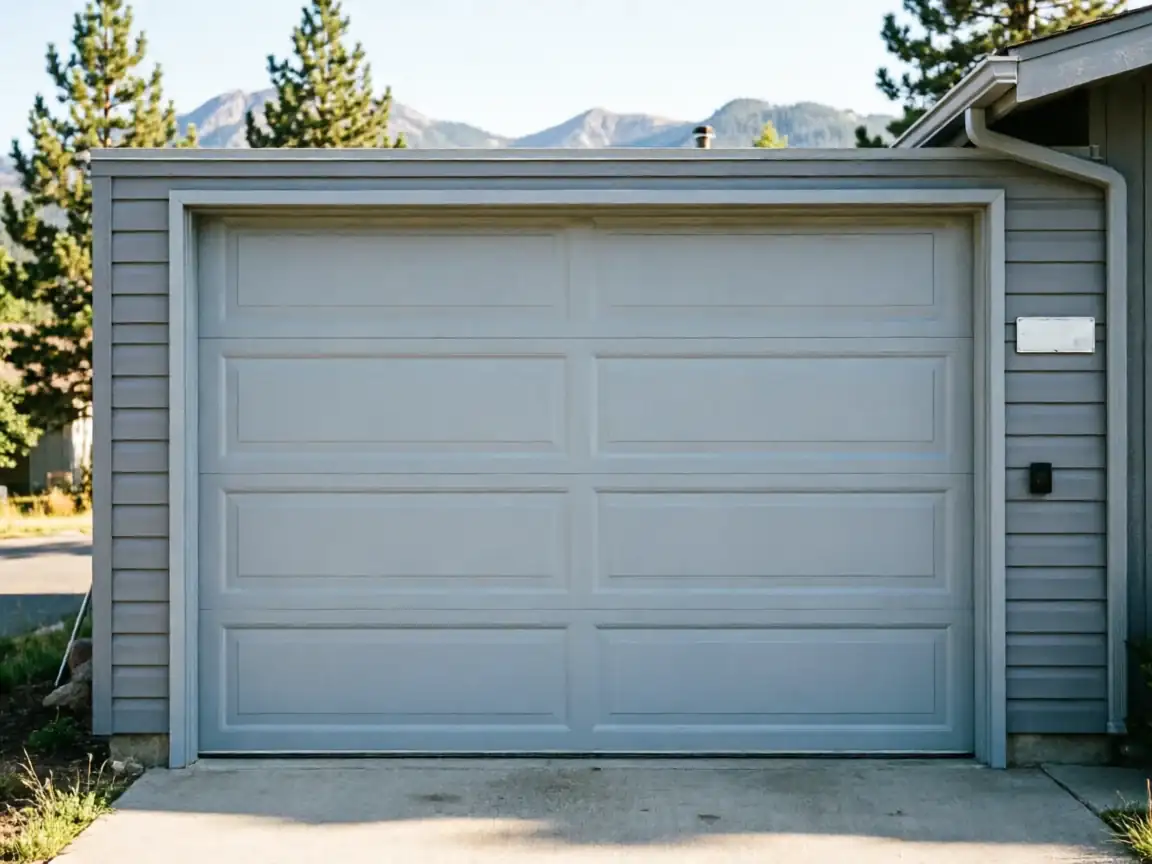
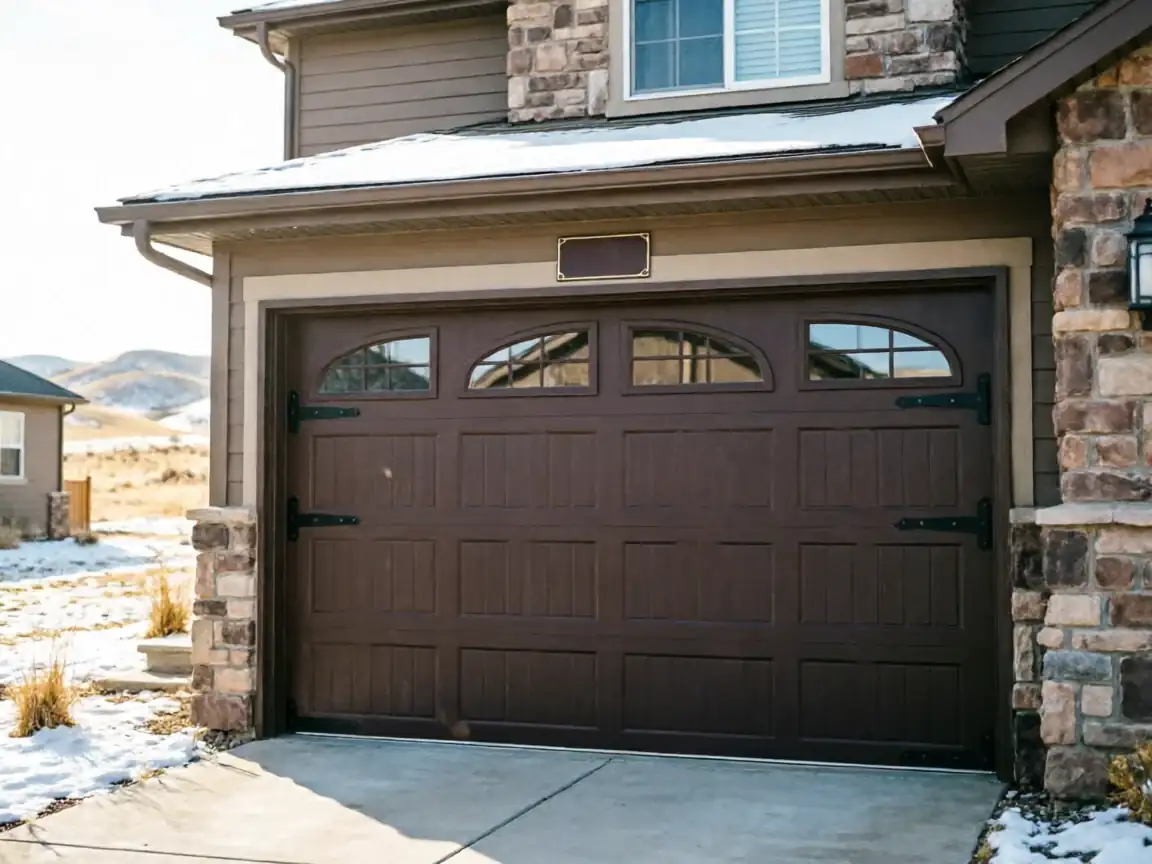
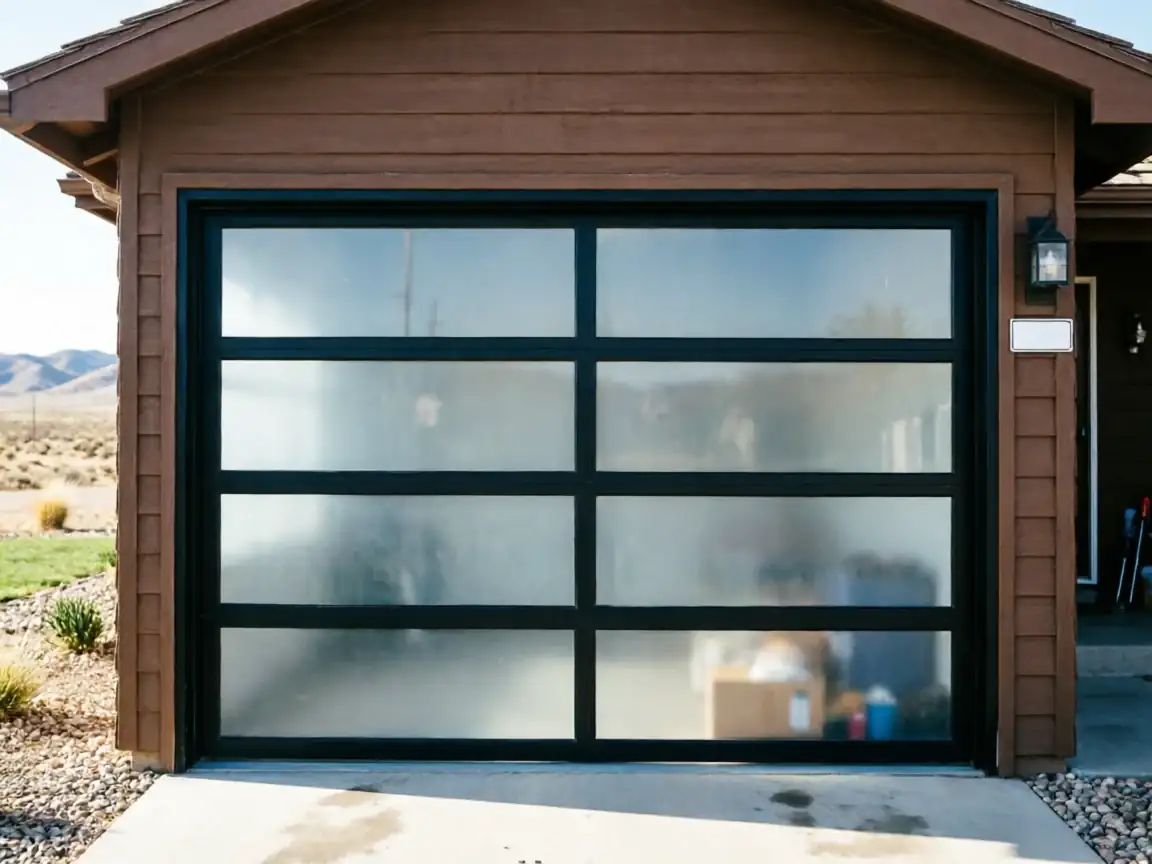
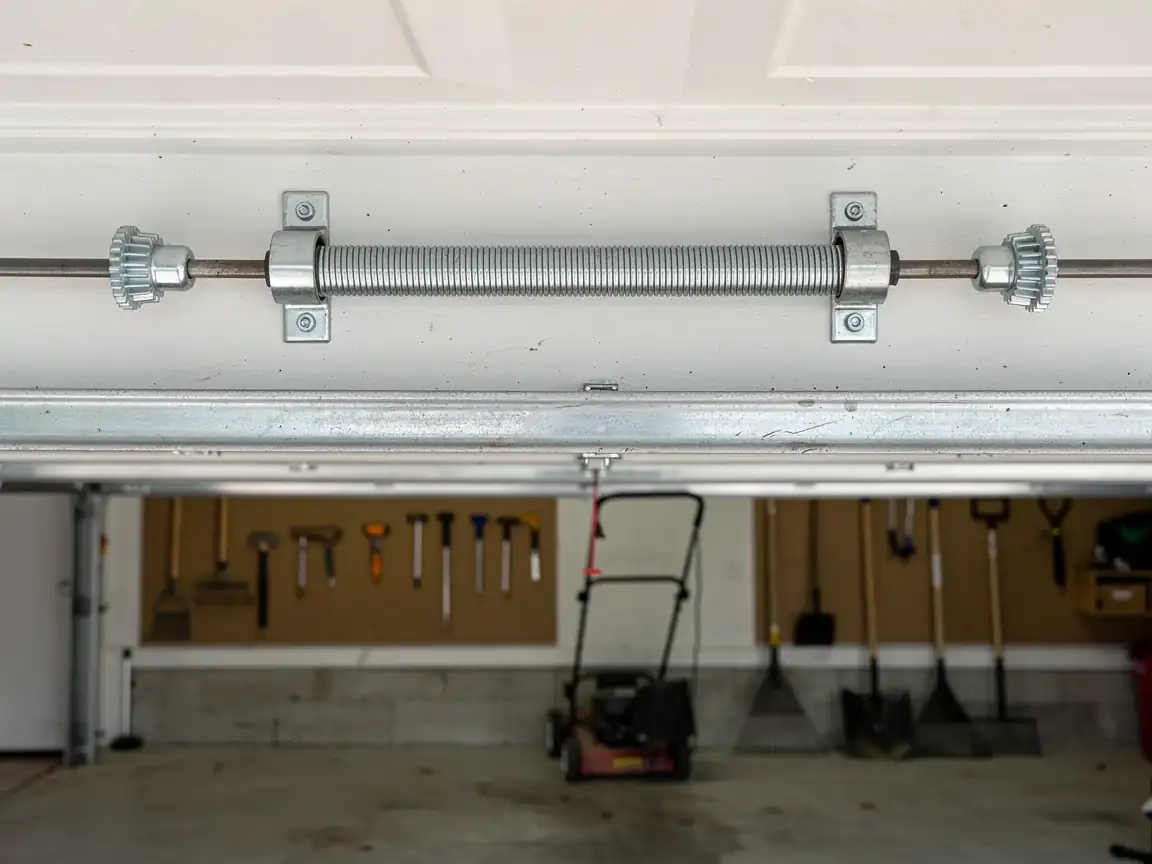
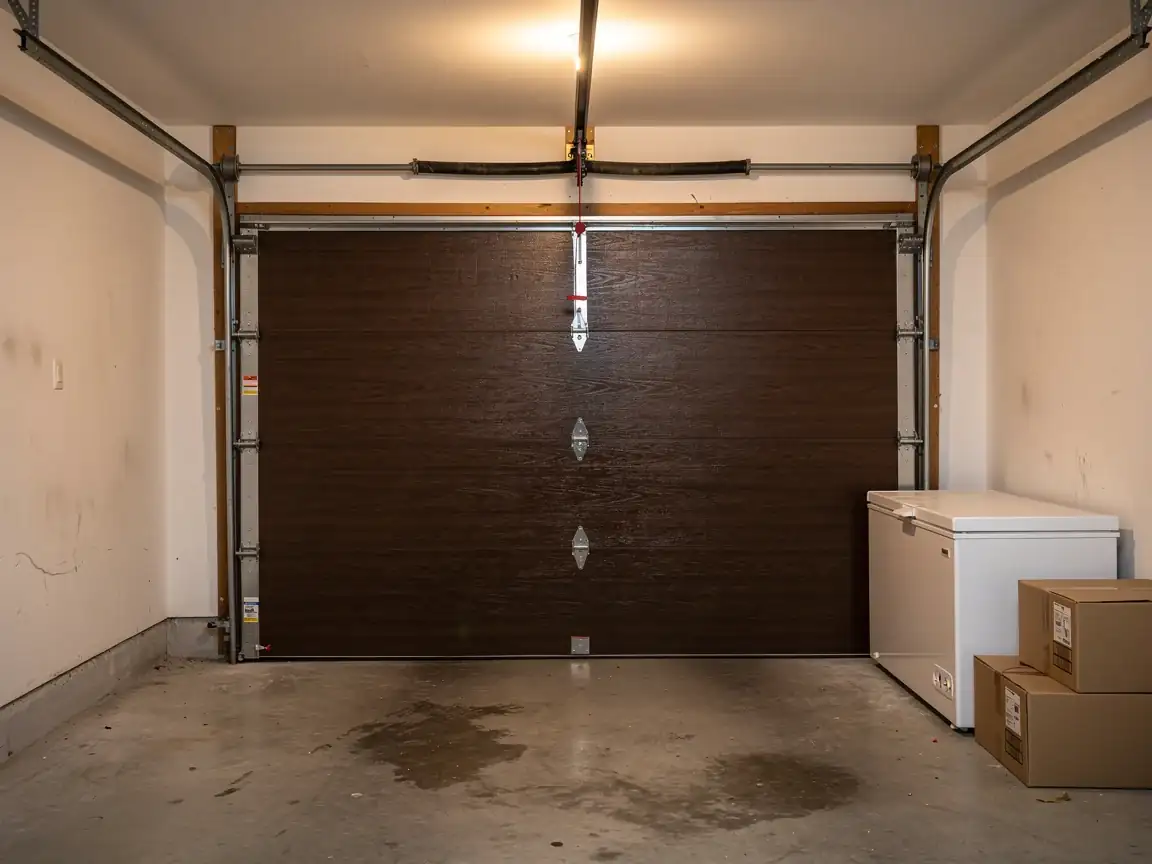
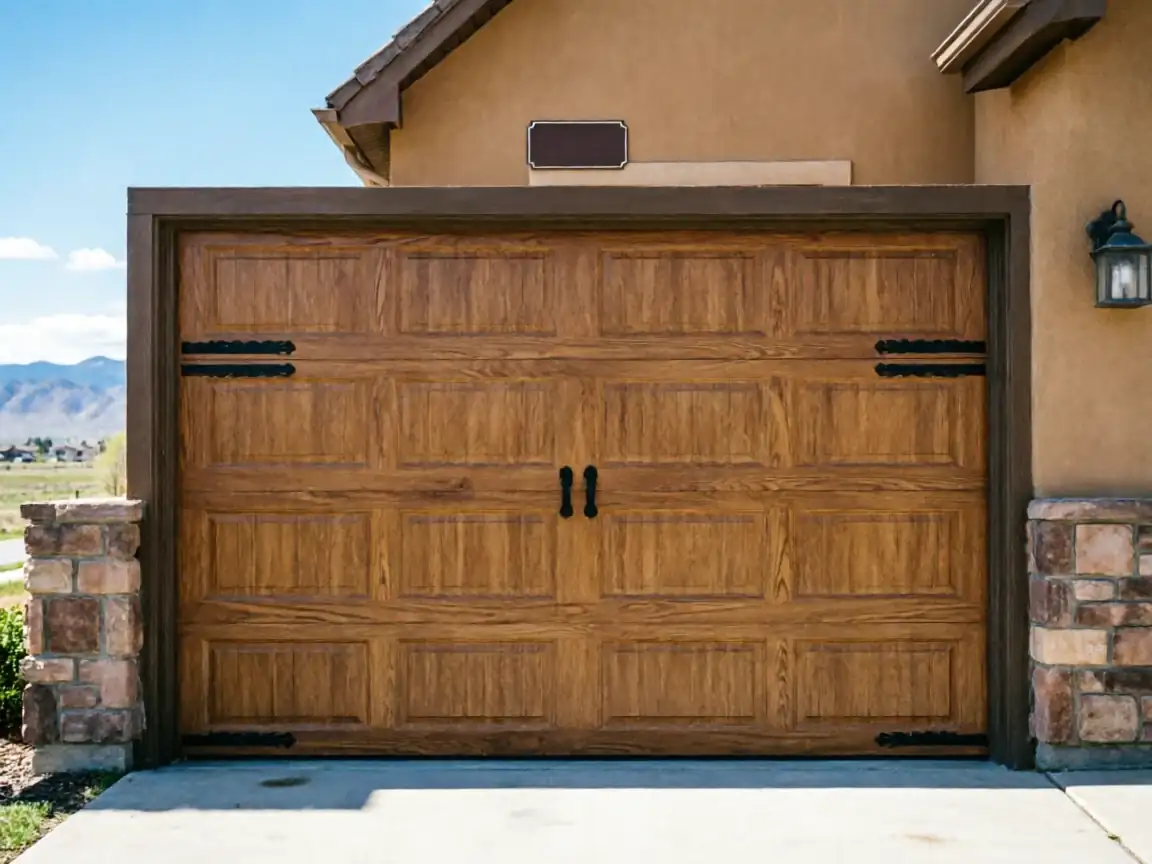
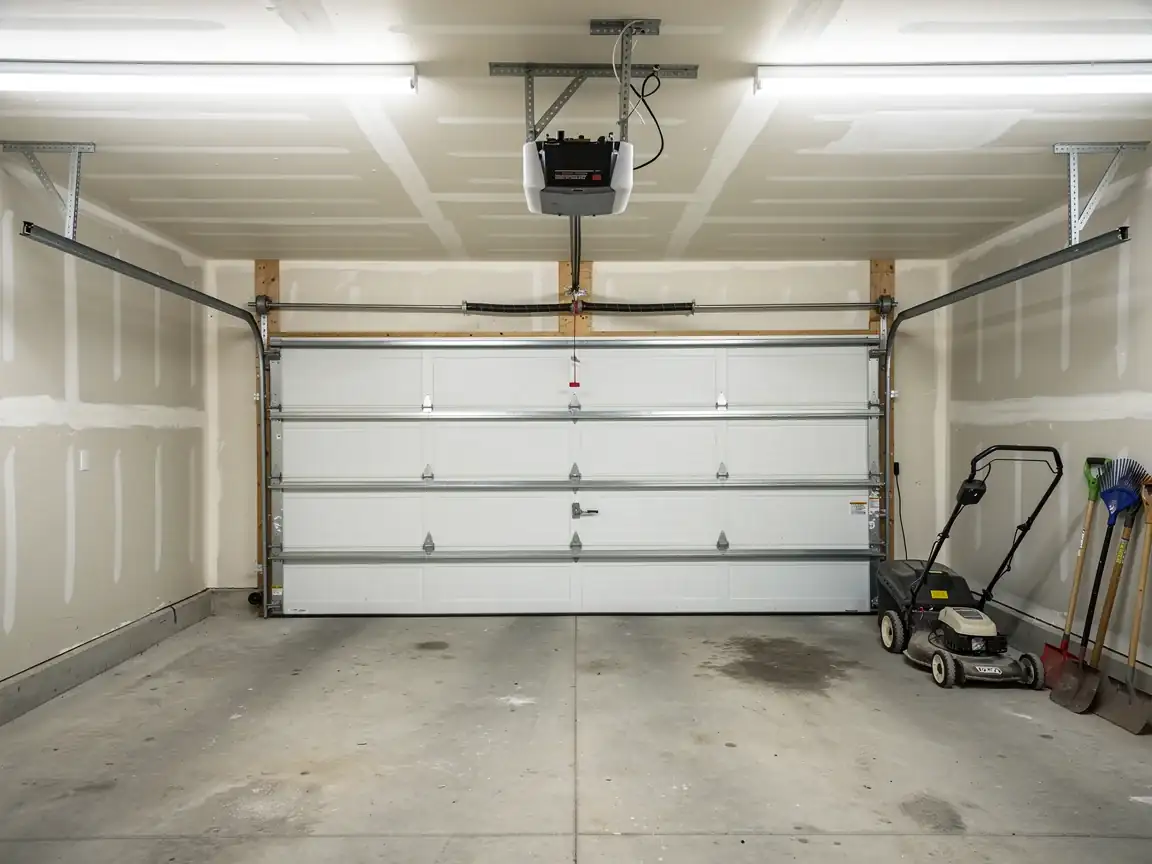
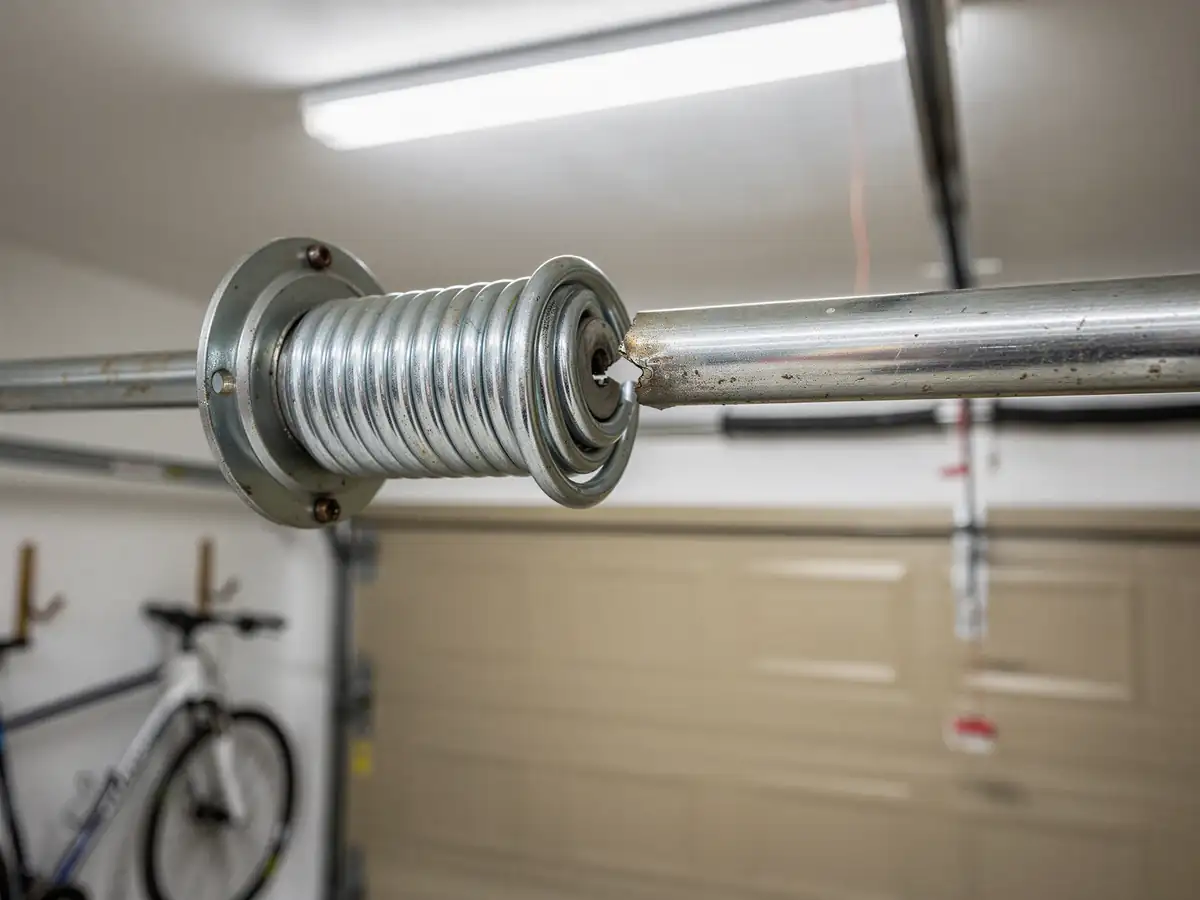
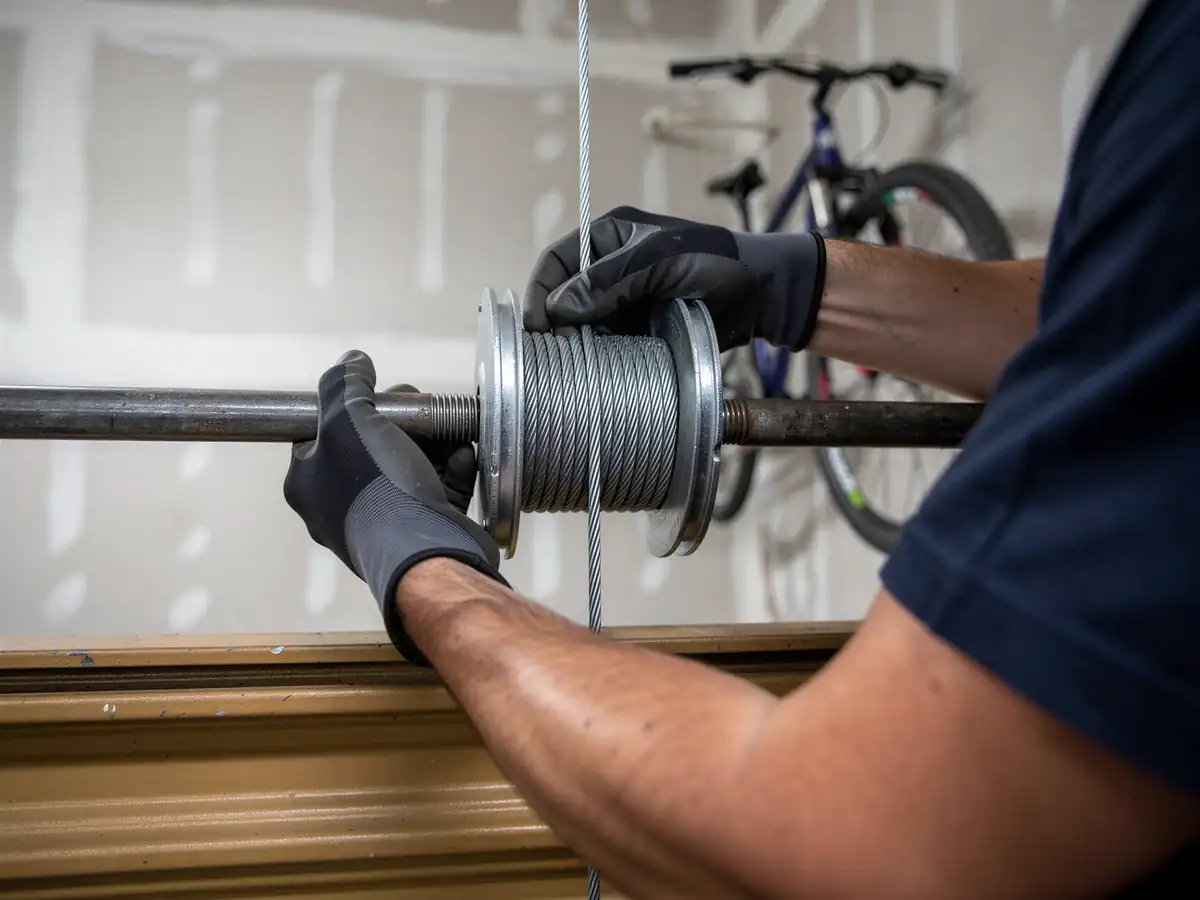
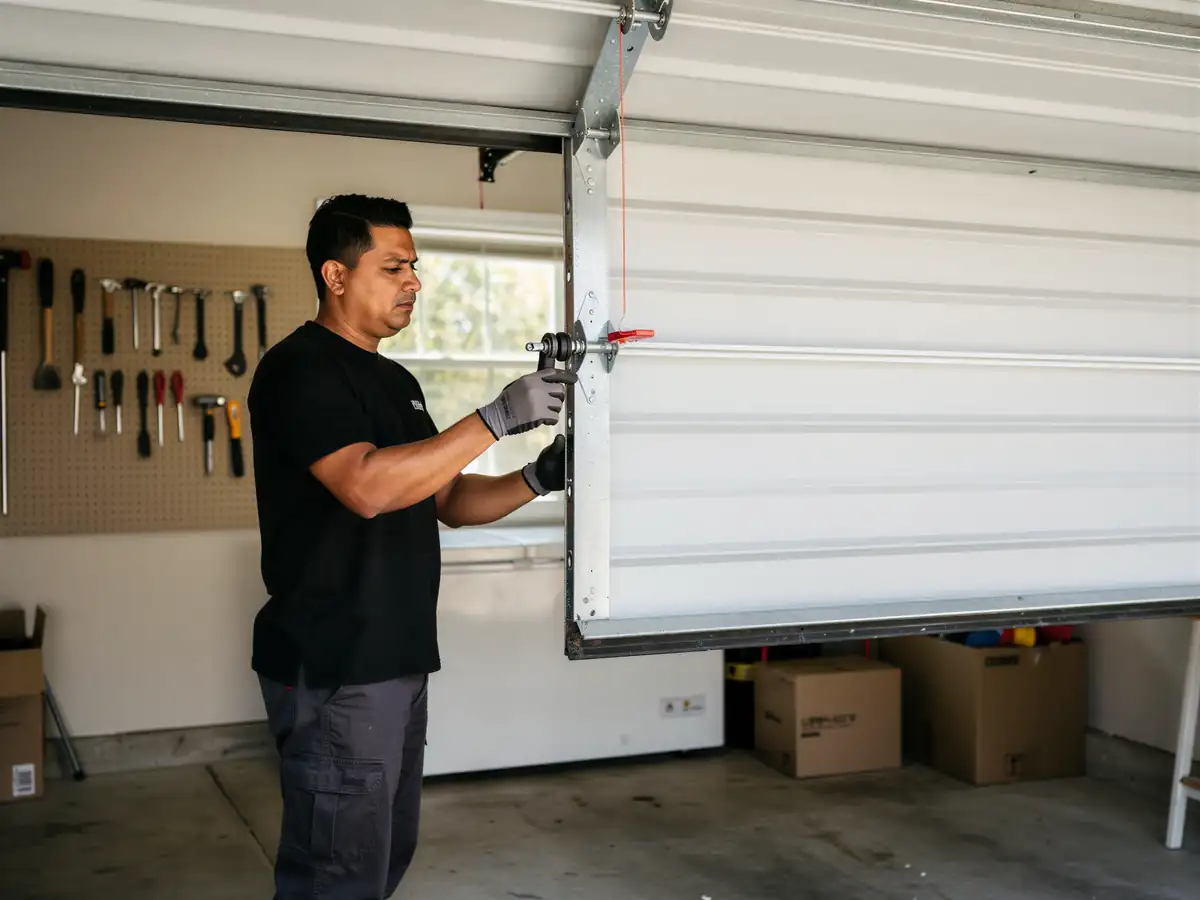
Cold is the variable that doesn't care what year your door was built. This whole region sits in a severe cold climate band, and newer openers aren't immune - circuit boards and battery backup units both get sluggish or drop out entirely when temperatures stay low for stretches. On a 2007-or-newer door, that usually looks like an opener that responds to the remote but won't fully close, or a battery backup light blinking without the unit actually holding charge. Weatherstripping on newer insulated doors is tighter by design, which is good for energy bills but means a slightly warped track or a door that's a few degrees out of square gets noticed fast - it binds instead of just rattling through like an older loose-fit door would. Torsion springs on these heavier insulated doors are also wound to tighter tolerances, so a spring that's lost even a little tension shows up as a door that struggles on the last foot of travel rather than failing all at once. None of this means newer construction breaks more often. It means the failure points are different, and diagnosing them starts with the opener board and the spring rating, not with the hinges.
This Area's Housing
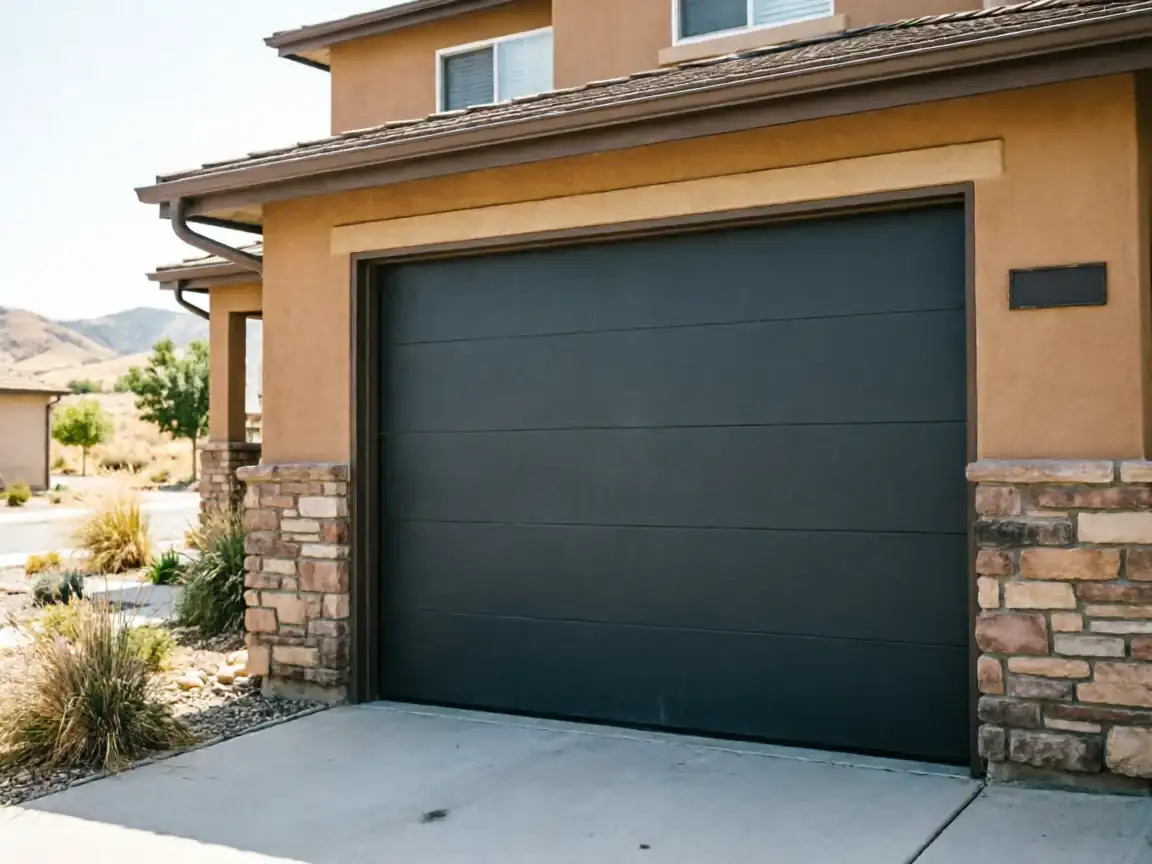
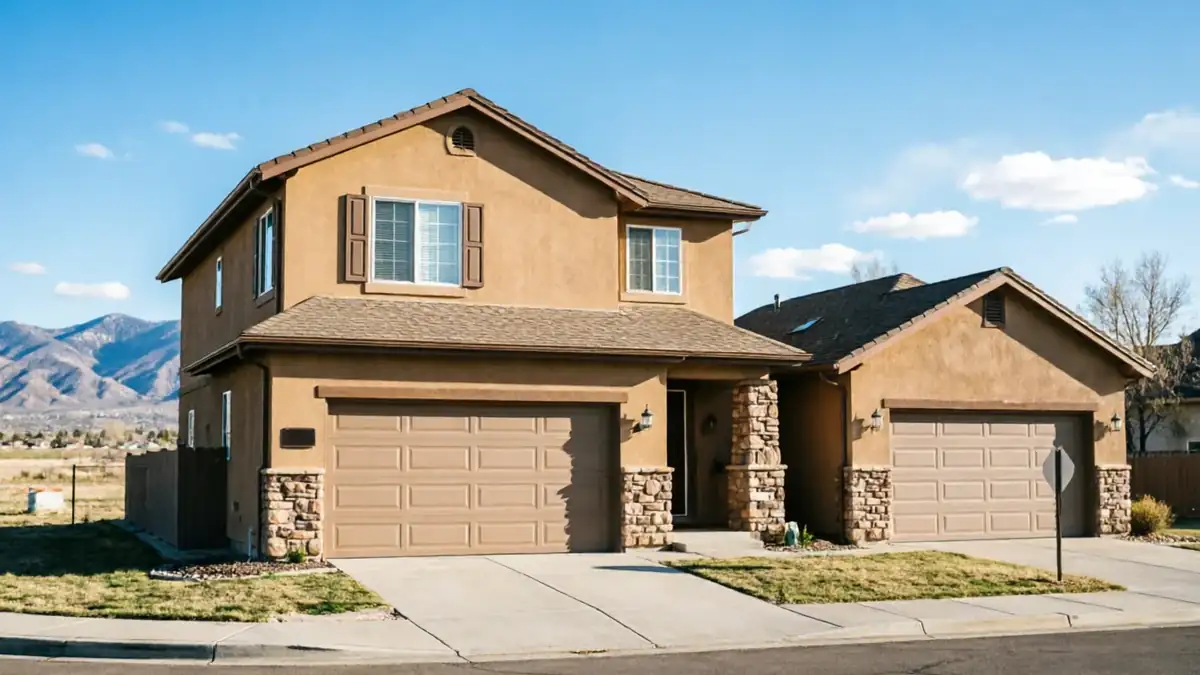
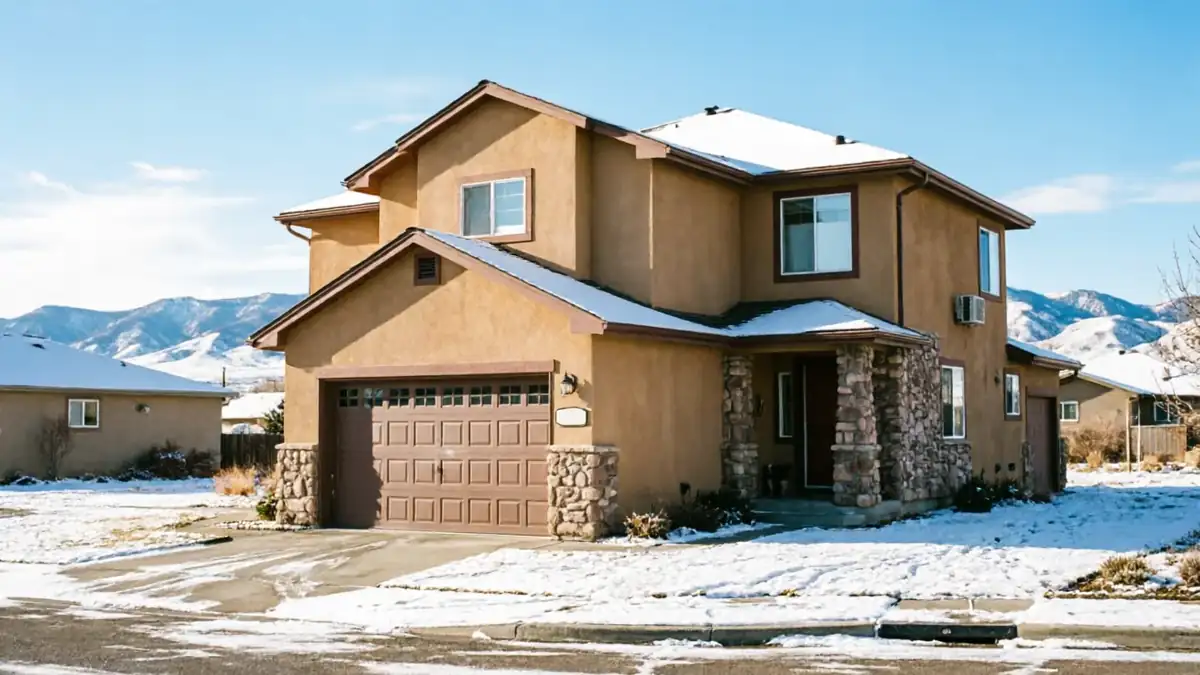
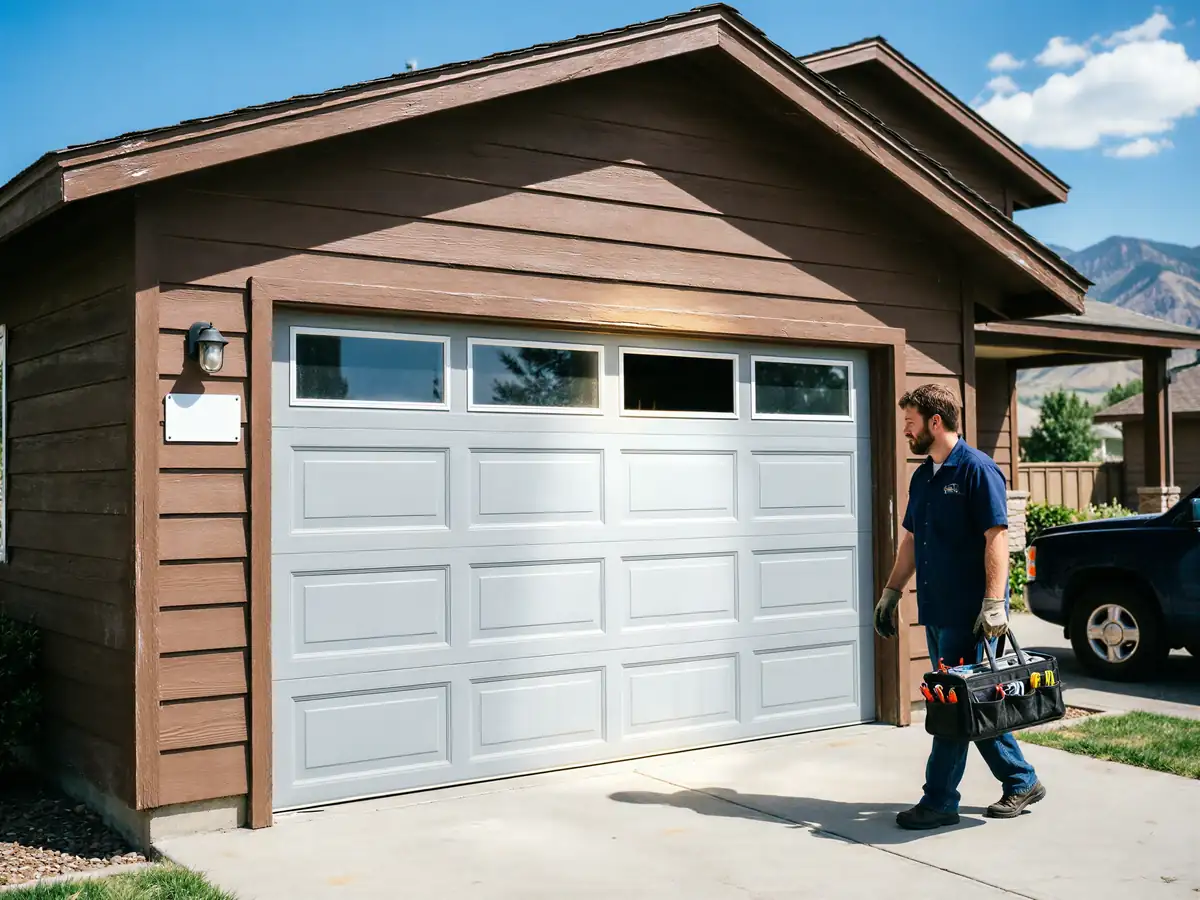
South Jordan runs about 25,801 households, a much smaller base than the 327,418 households spread across the full coverage area, and the income picture here is notably different too - median household income runs around $126,400, well above the $115,335 figure for the broader area. That combination tends to track with newer builds and more original equipment still in place, which lines up with the 2007 median build year. We're not going to pretend every house here is identical; a master-planned community built in phases over a decade still has some spread in what's installed. But the center of gravity here is newer doors, newer openers, and components that are generally still supported by current parts suppliers rather than discontinued lines.