Why It Happens Here
South Jordan's median household income sits around $126,400
Noticeably higher than the roughly $115,335 median across the wider service area. That number matters before we even talk about springs or tracks, because it changes what's worth fixing versus what's worth replacing. A homeowner here can usually afford a full opener swap instead of nursing along a ten-year-old unit with a failing logic board, and that's often the smarter call.
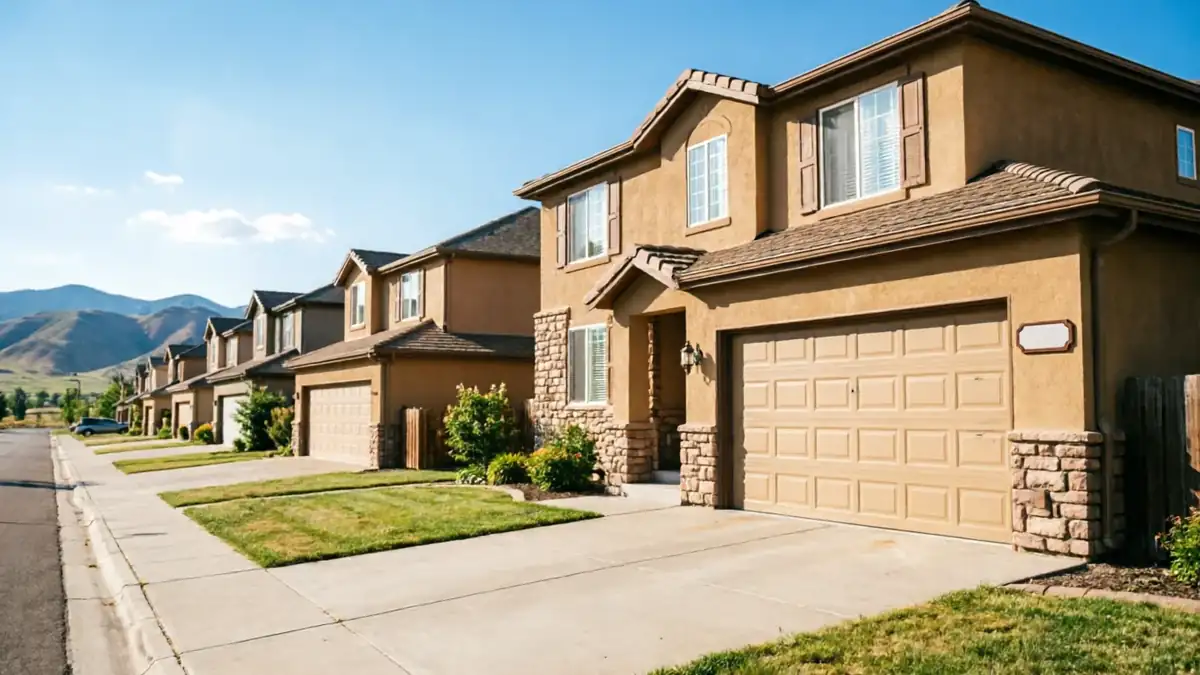
The housing stock backs this up
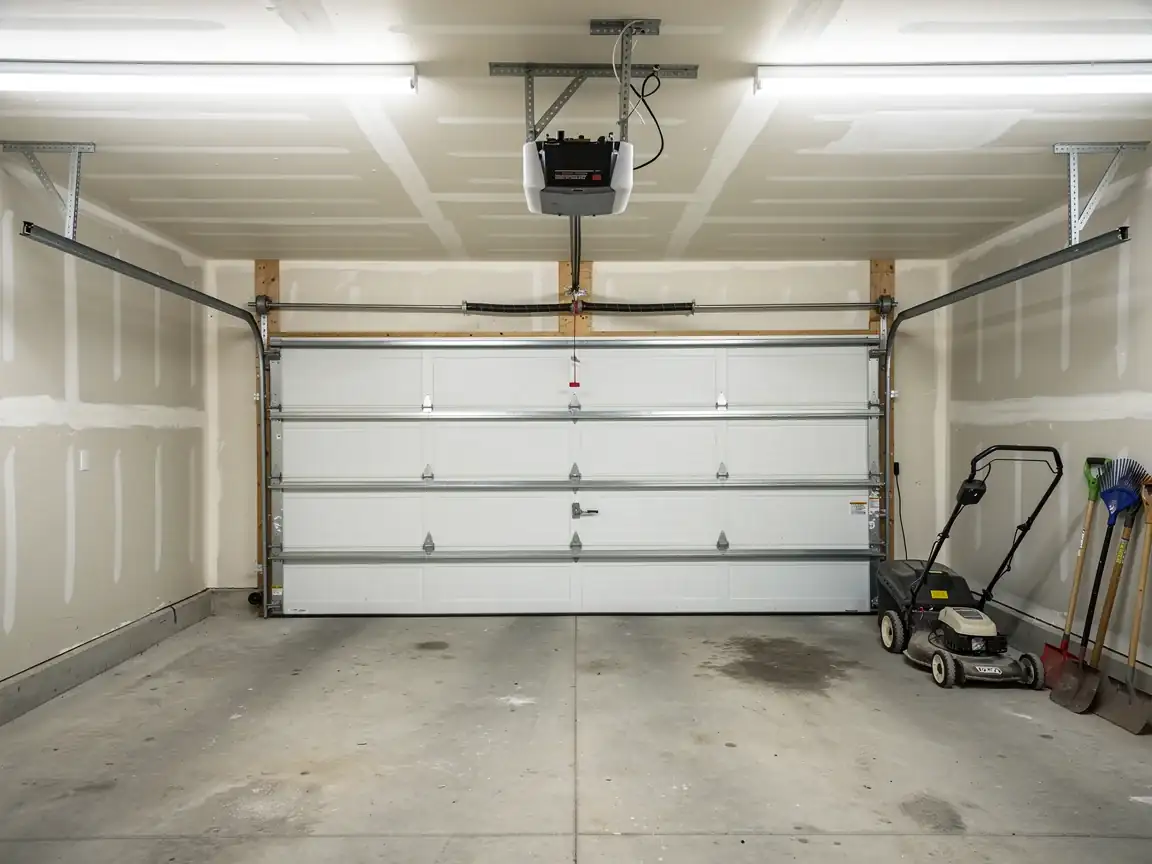
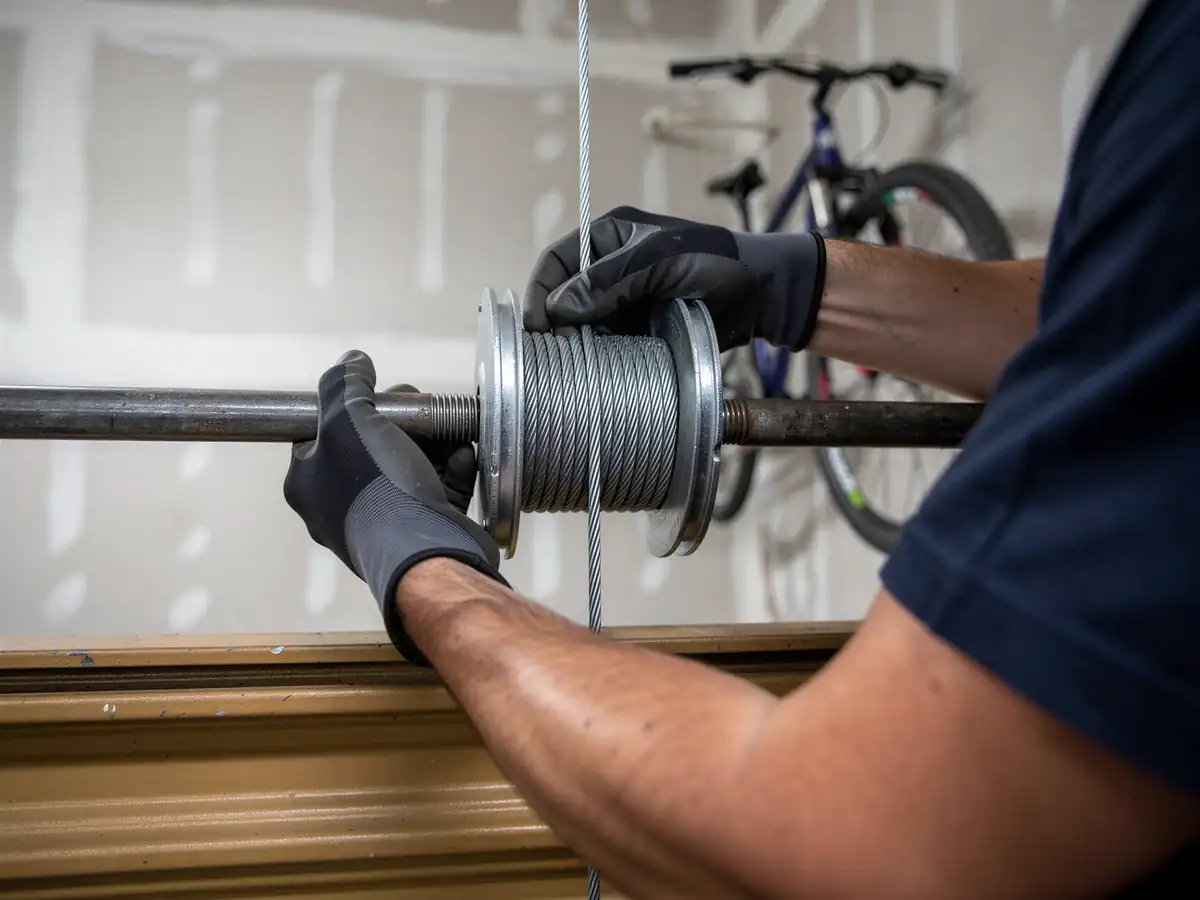
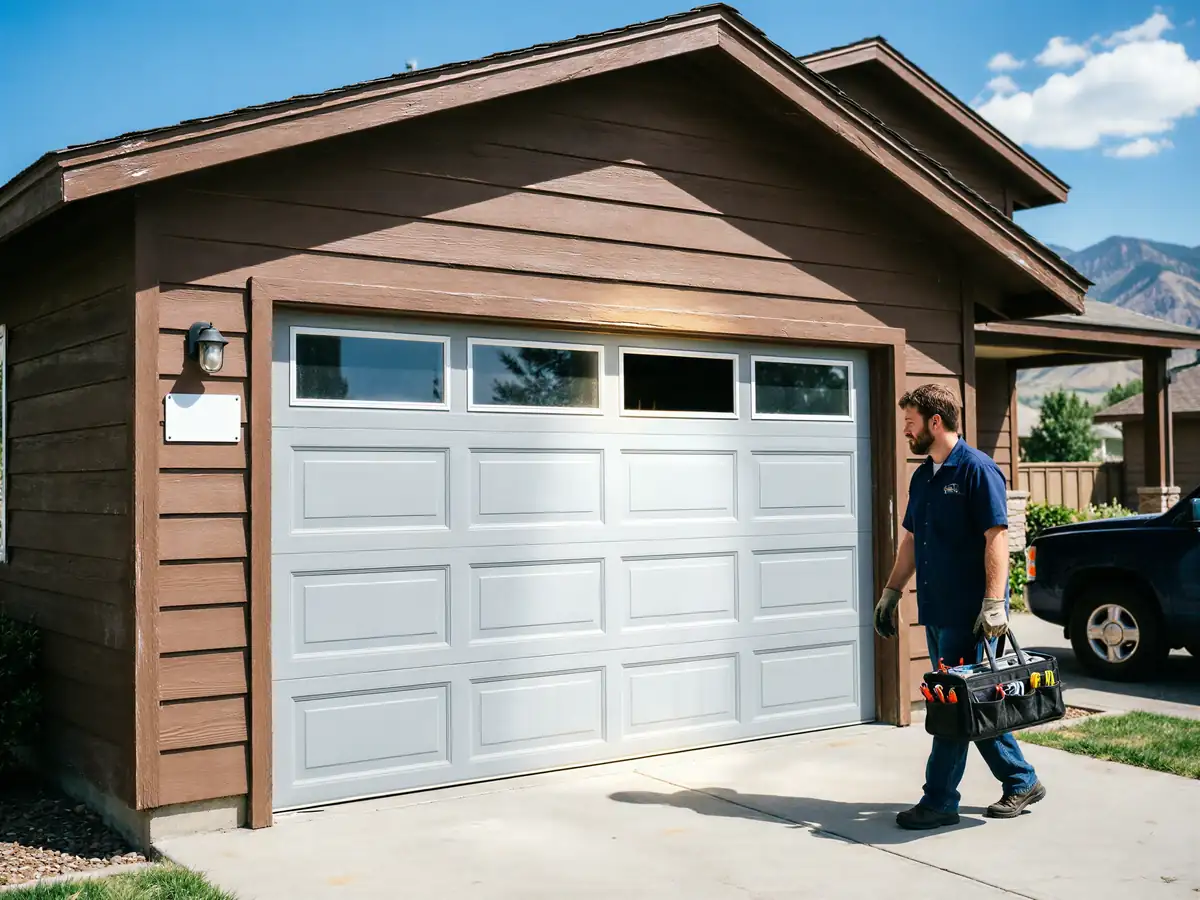
The broader service area spans doors built anywhere from 1969 to 2012, but South Jordan's median build year lands around 2007 - late in that range. That means less of the old side-mounted torsion hardware and worn extension-spring setups you find in older neighborhoods, and more steel-and-polyurethane sectional doors on standard torsion bar systems with chain or belt-drive openers from the mid-2000s. The faults we see are less "the whole system is obsolete" and more "one part failed and the rest is fine" - a cracked bottom bracket, a worn roller, a sensor that's drifted out of alignment. Winter cold still stiffens grease and shortens cable life regardless of the house's age, so even a 2007 door isn't immune to a frozen track on a hard morning.
What It Costs
Because South Jordan's housing is newer than much of the surrounding area, the repair conversation usually starts differently than it would on a 1970s door. Parts for a 2000s-era sectional door and its opener are still widely stocked, so most jobs here are a straightforward parts-and-labor repair rather than a full teardown. Where it gets expensive is when the opener itself is the point of failure rather than the door - a dead circuit board or burned-out motor on a unit from that era often costs close to what a new opener runs, and at that point replacement is the honest answer, not a repair quoted to sound cheaper.
We don't price jobs sight unseen over the phone, because spring size, track condition, and opener brand all move the number, and guessing wrong either lowballs you or scares you off a job that was actually simple. What we will say plainly: if a part isn't in stock, lead time can push a job out a few days, and that's the honest limitation of working from West Jordan rather than keeping a warehouse in every suburb we cover.
How It Shows Up
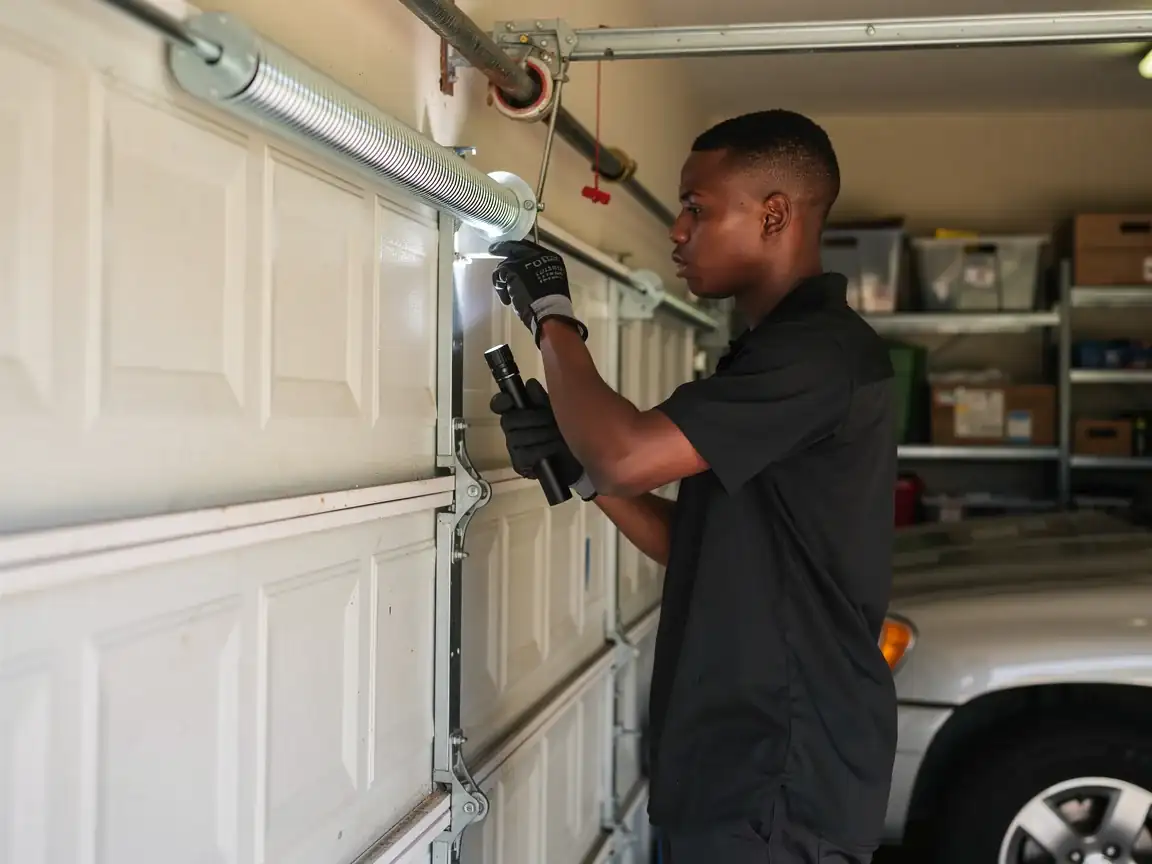
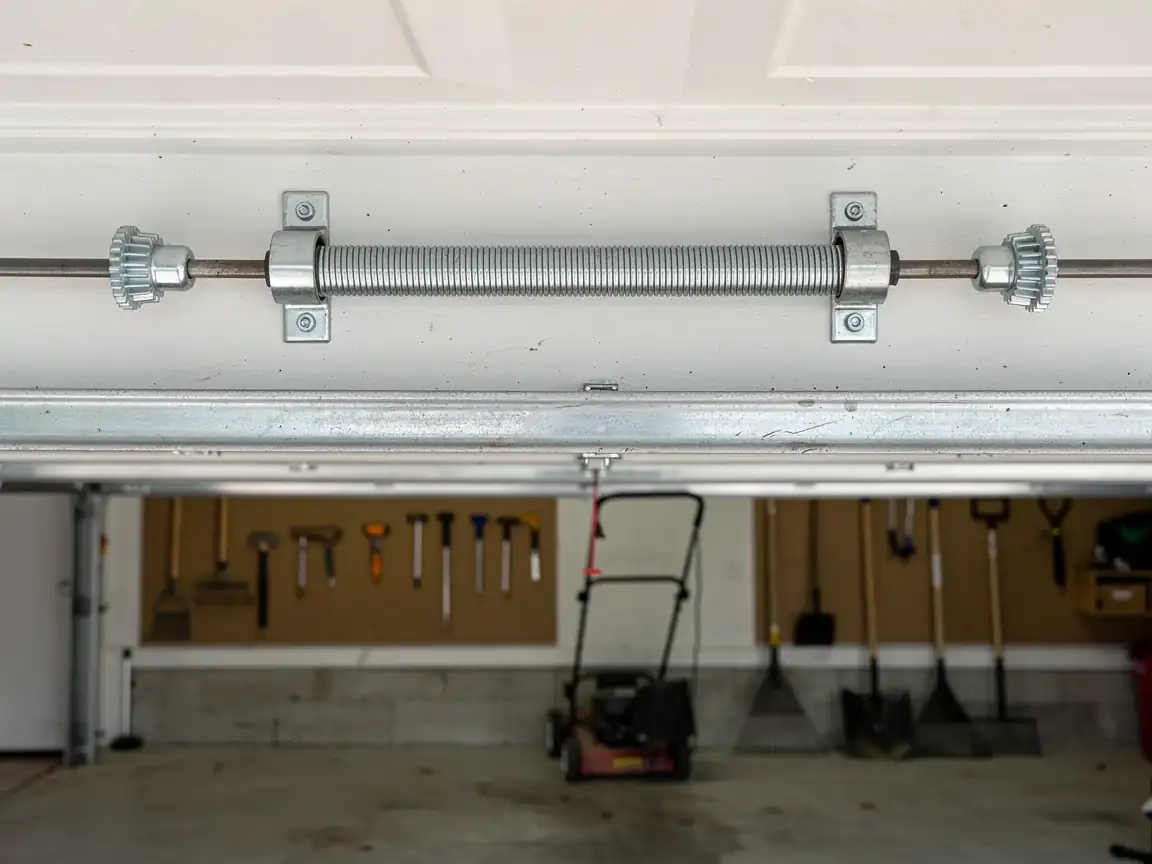
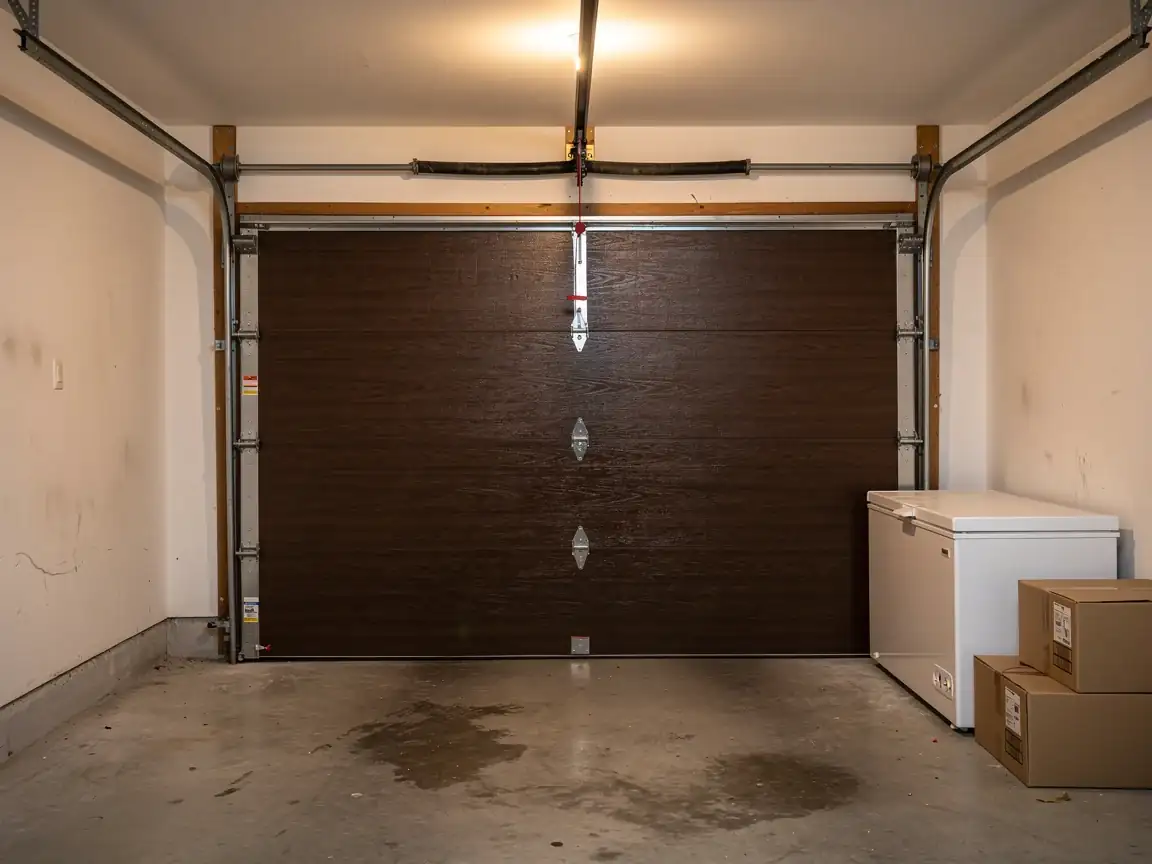
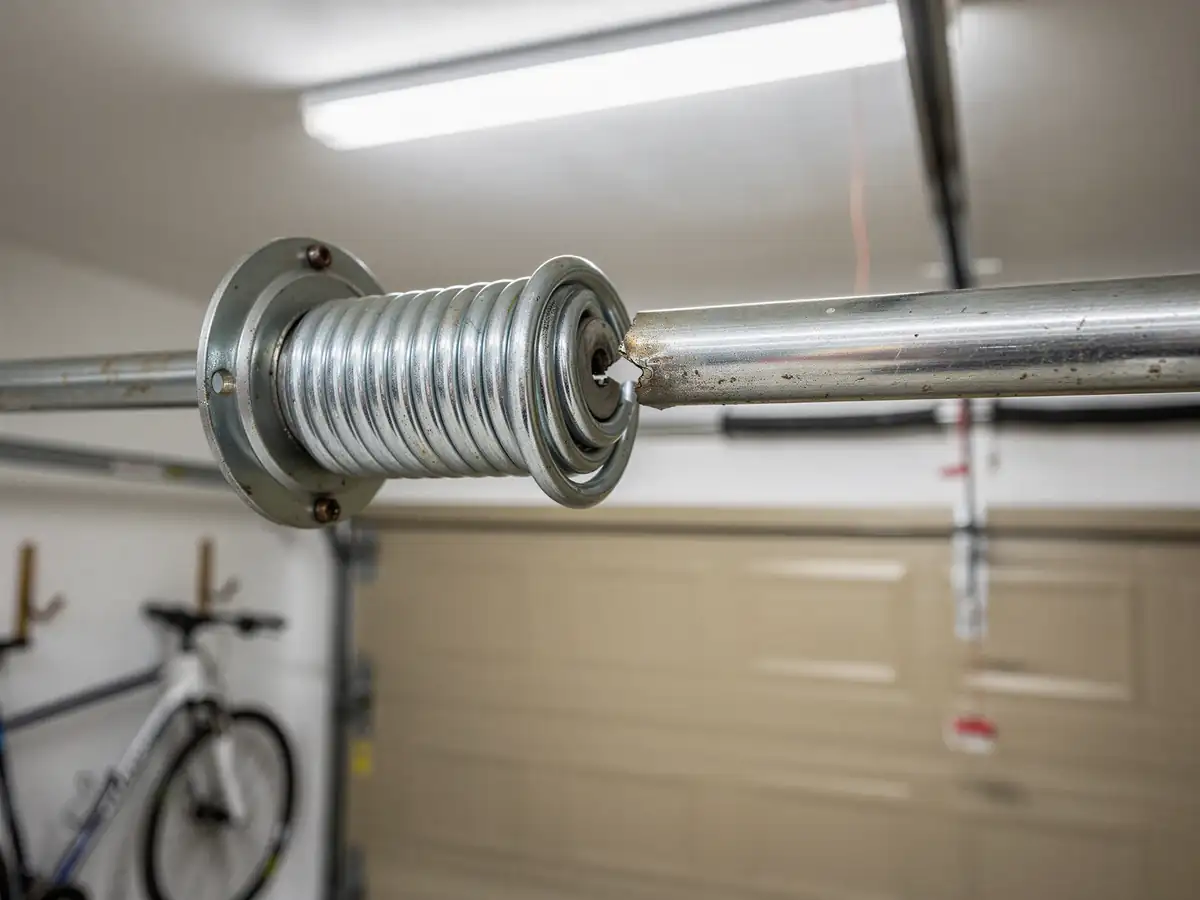
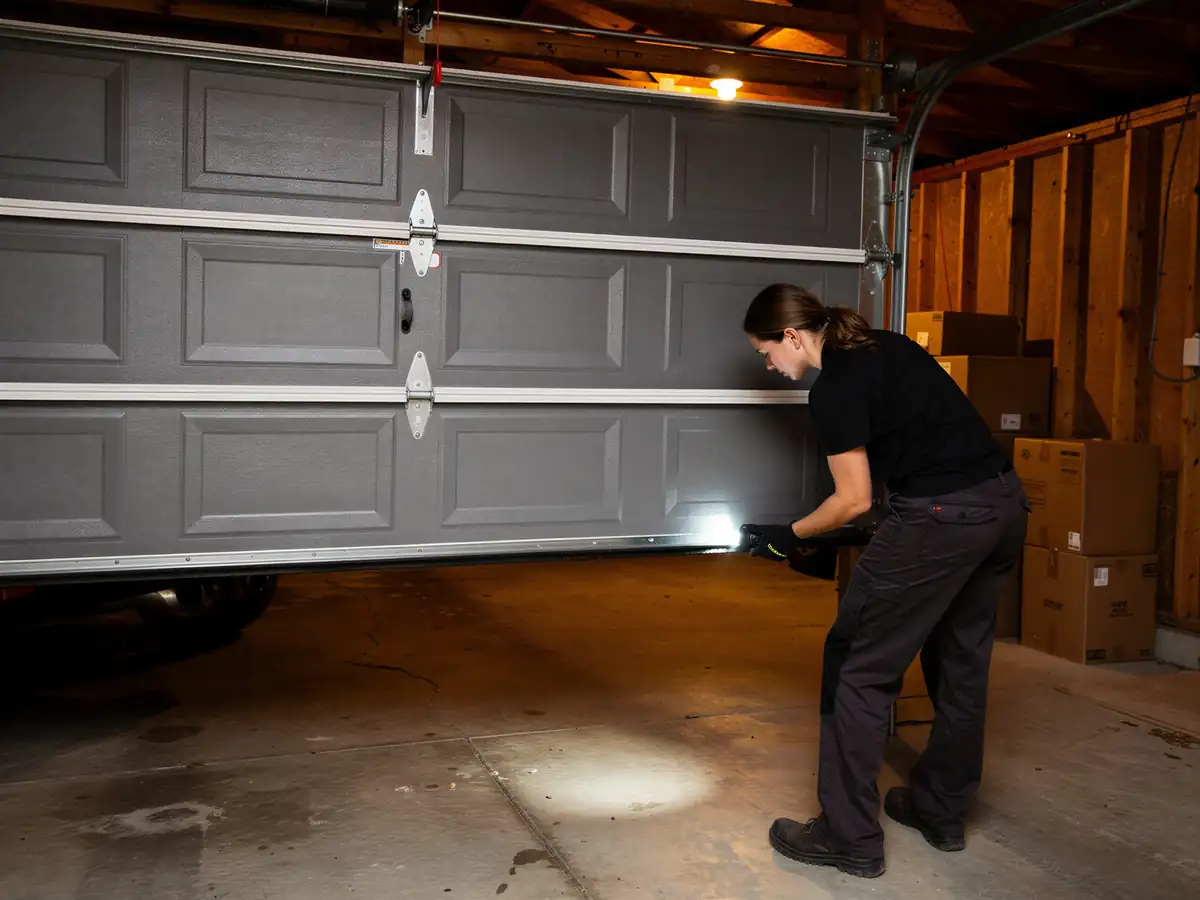
On a door built around 2007, the failure pattern looks different from an older house. You're less likely to see a snapped extension spring on exposed side hardware and more likely to see a torsion spring that's simply reached the end of its cycle count, a opener sensor knocked out of alignment, or a roller that's worn its track groove uneven after years of daily use. Cold mornings make all of it worse - stiff lubricant, a cable that's lost a strand, a door that shudders halfway up and stalls.
South Jordan sits about 3 miles from our West Jordan base, which keeps most calls here a short trip rather than a cross-valley haul. That's useful context for scheduling, not a promise of a specific arrival window - we don't quote response times we can't back up for a service area this size.
The DIY Question
A door from the 2000s is a reasonable candidate for homeowner troubleshooting on the small stuff
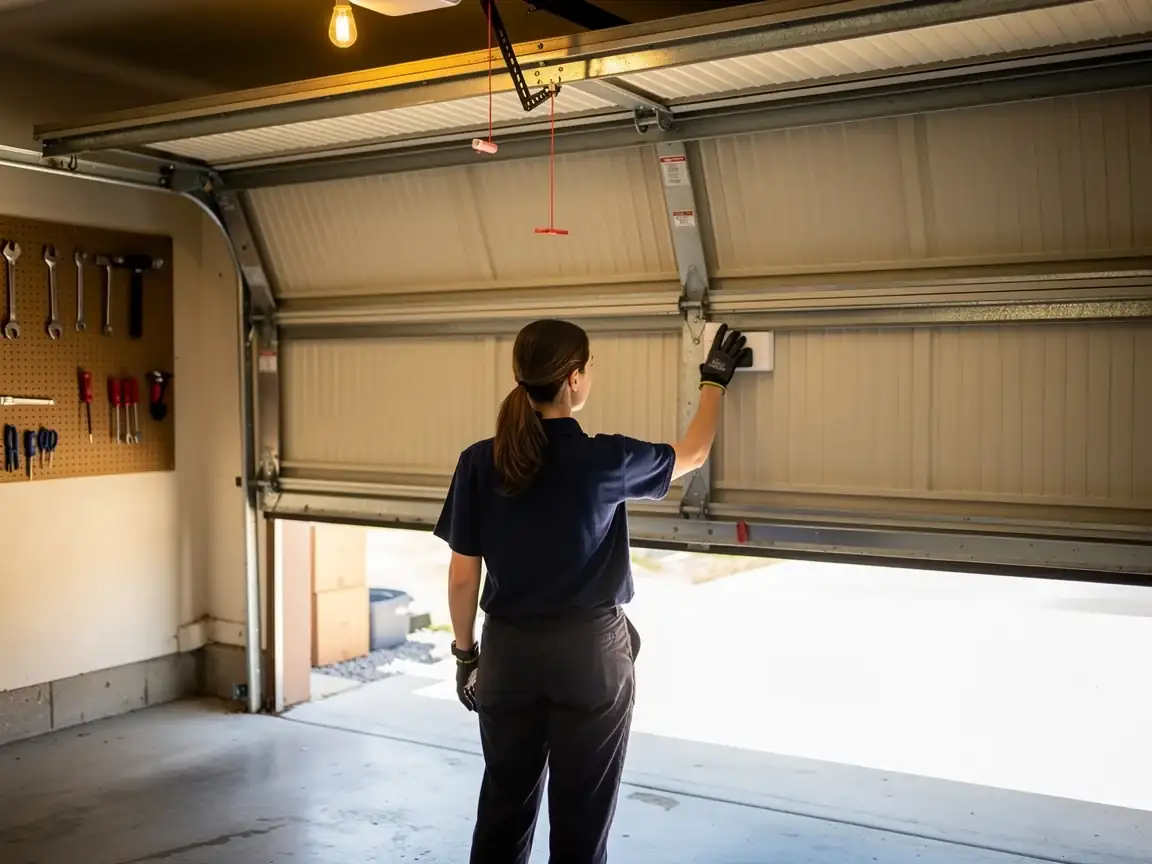
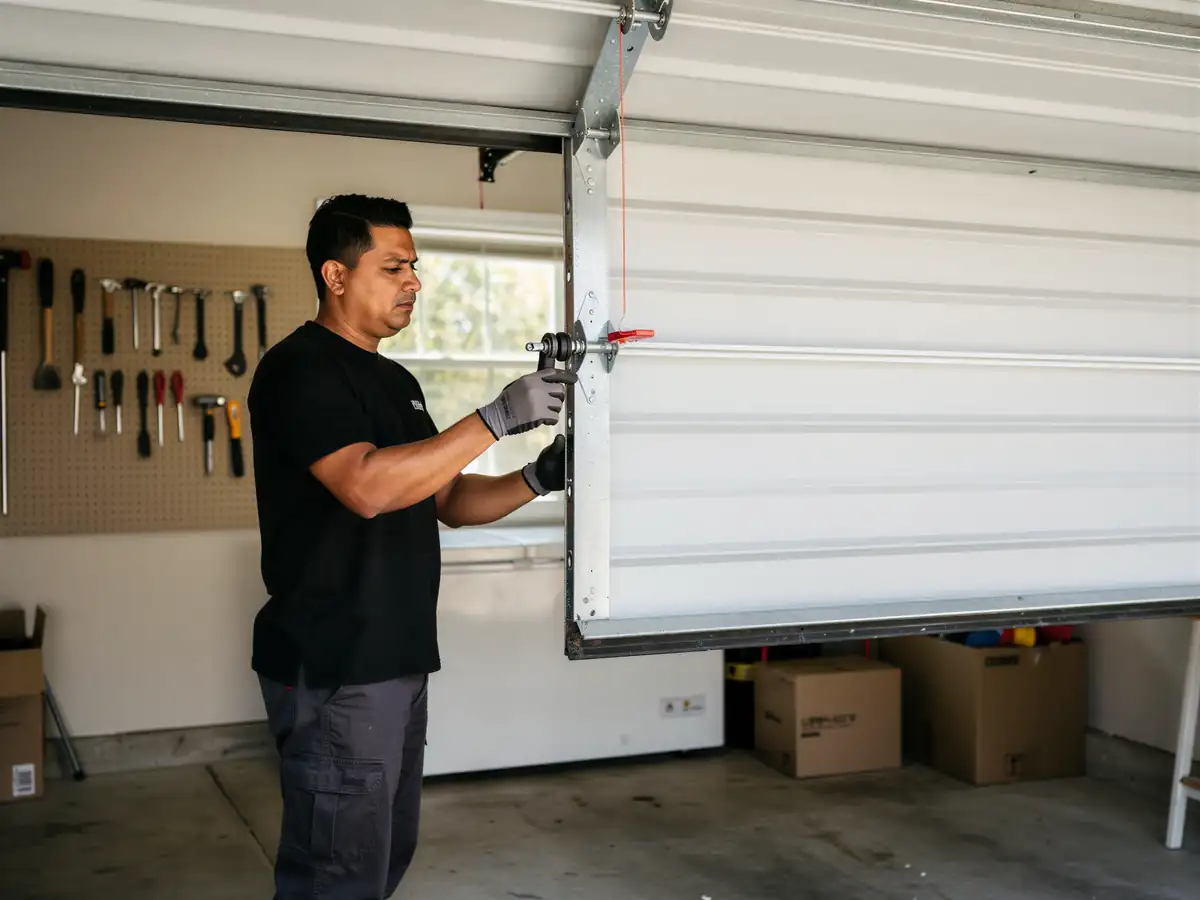
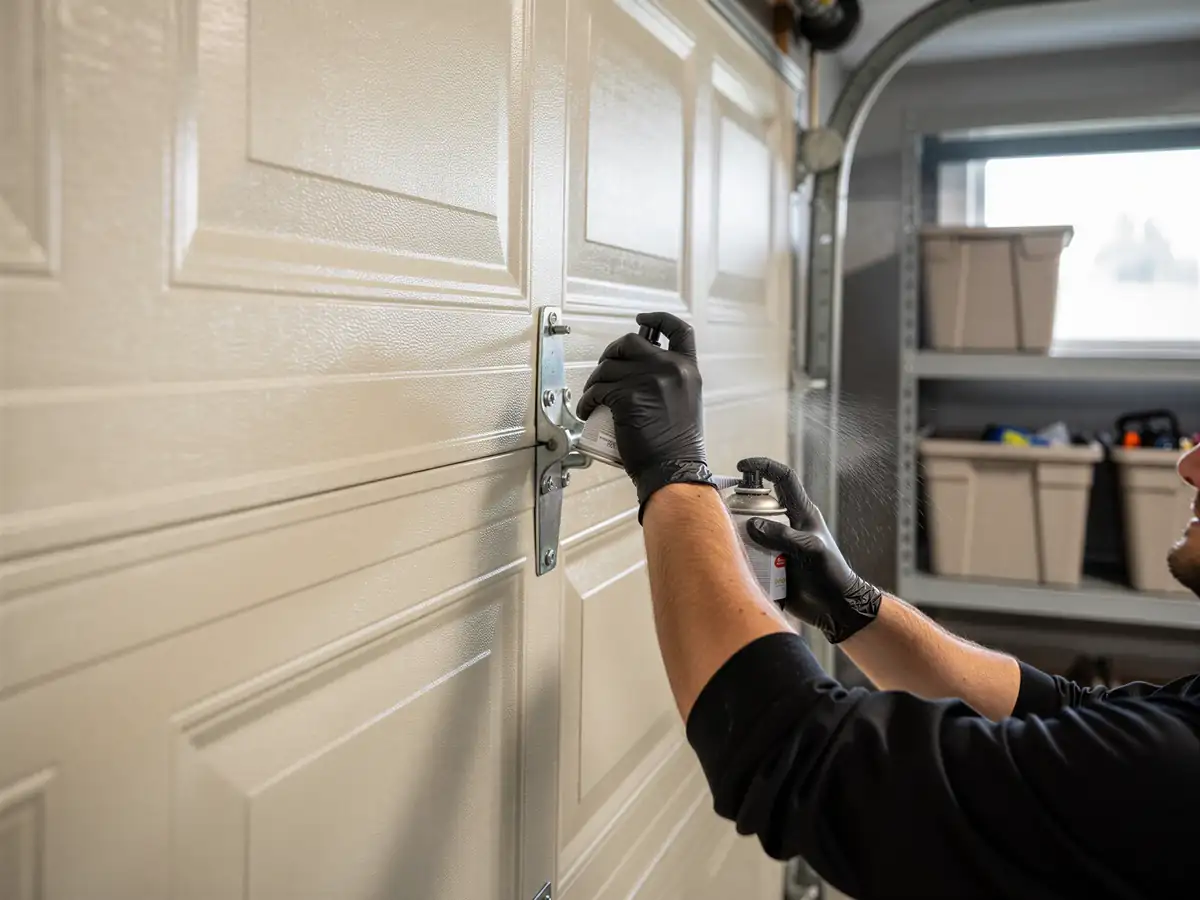
Tightening a loose track bracket, replacing a photo-eye sensor, lubricating hinges. Where we'd stop you is torsion spring work. These doors use torsion bar systems under real tension, and the newer the door, the more likely it's a heavier insulated steel panel that makes a spring failure more dangerous to handle without the right bars and clamps, not less.
If the opener itself is throwing error codes or cycling the motor without moving the door
That's also not a weekend fix - diagnosing a dead circuit board versus a failed capacitor takes equipment most garages don't have. Given South Jordan's income profile and the age of the housing stock, replacing rather than endlessly patching an opener is often the more sensible long-term move, and we'll tell you that straight instead of billing for a repair that won't hold.