The Usual Work Here
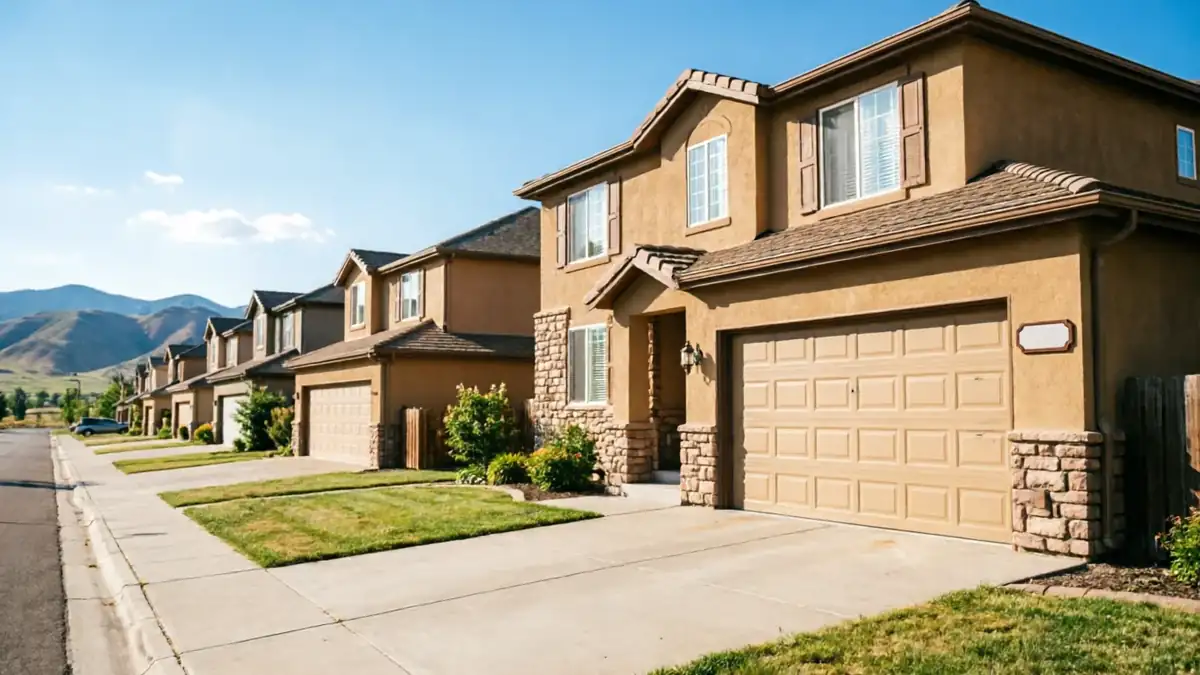
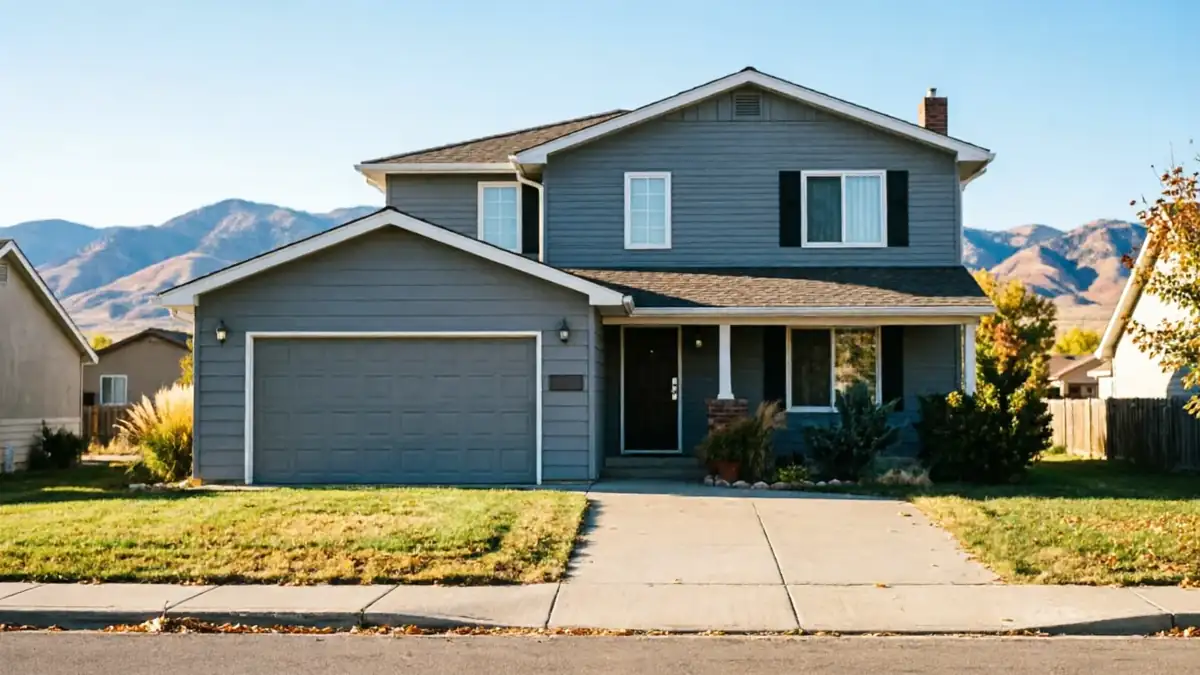
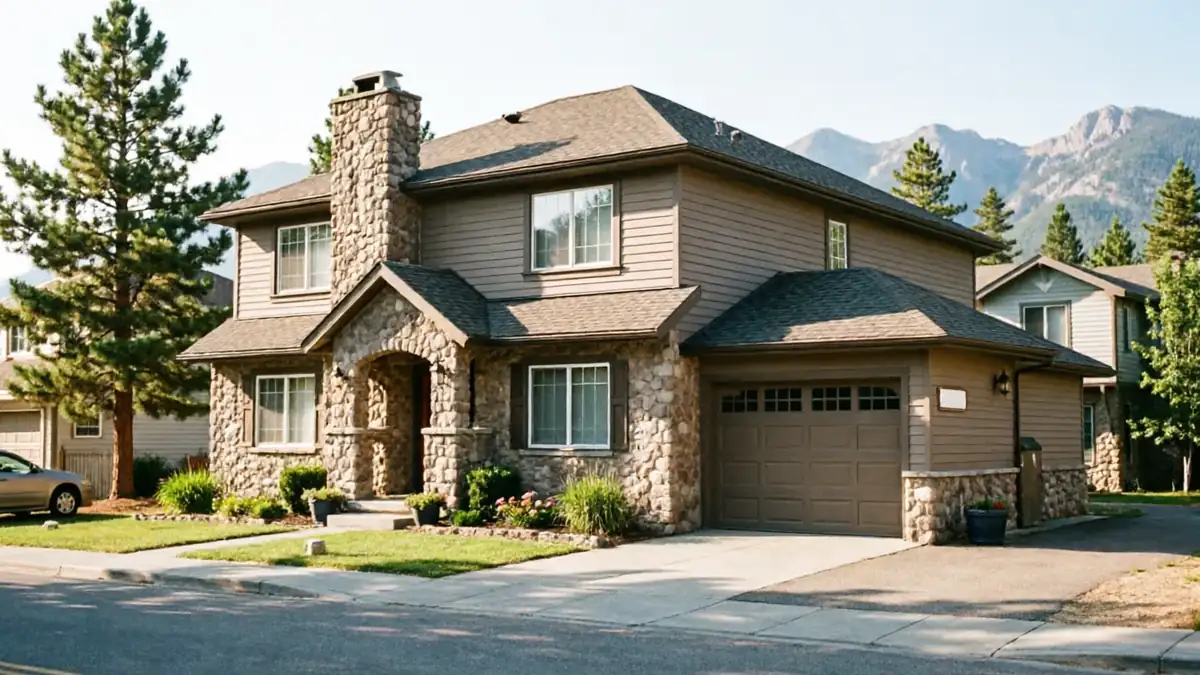
Taylorsville's housing stock centers on 1981
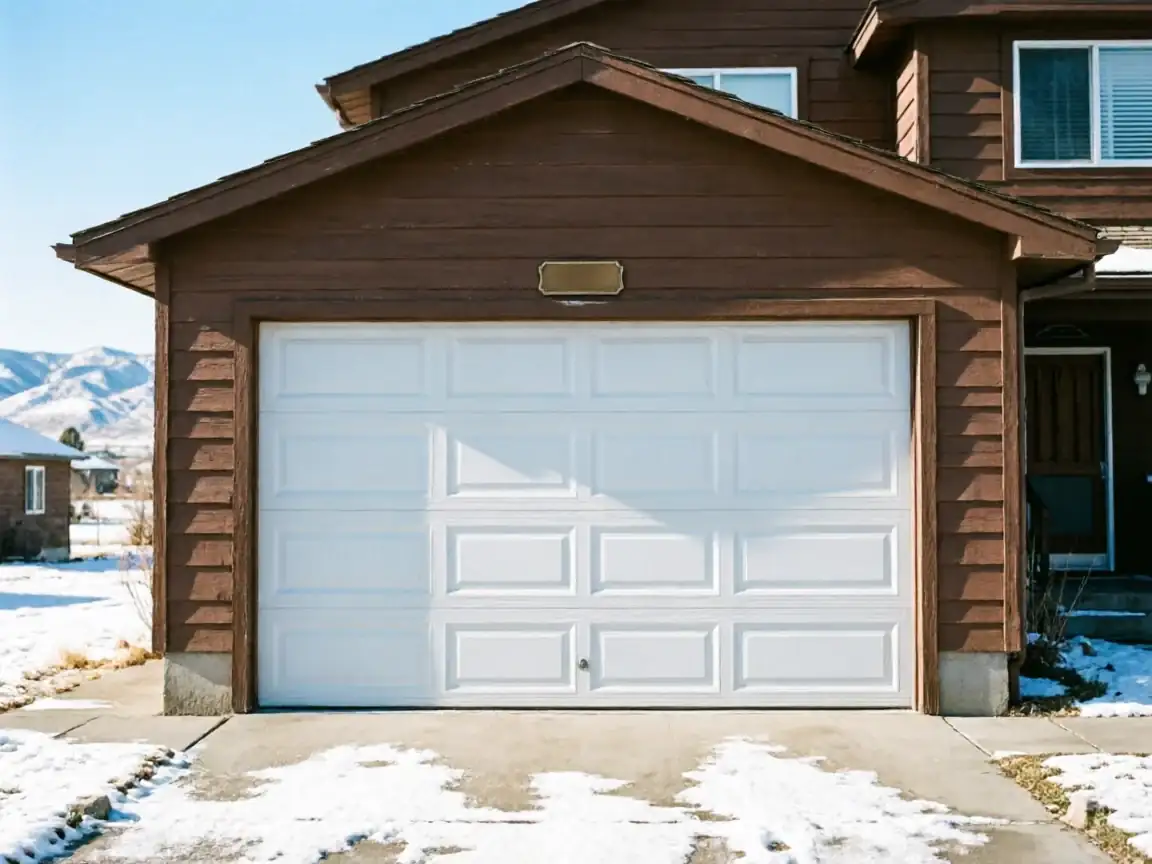
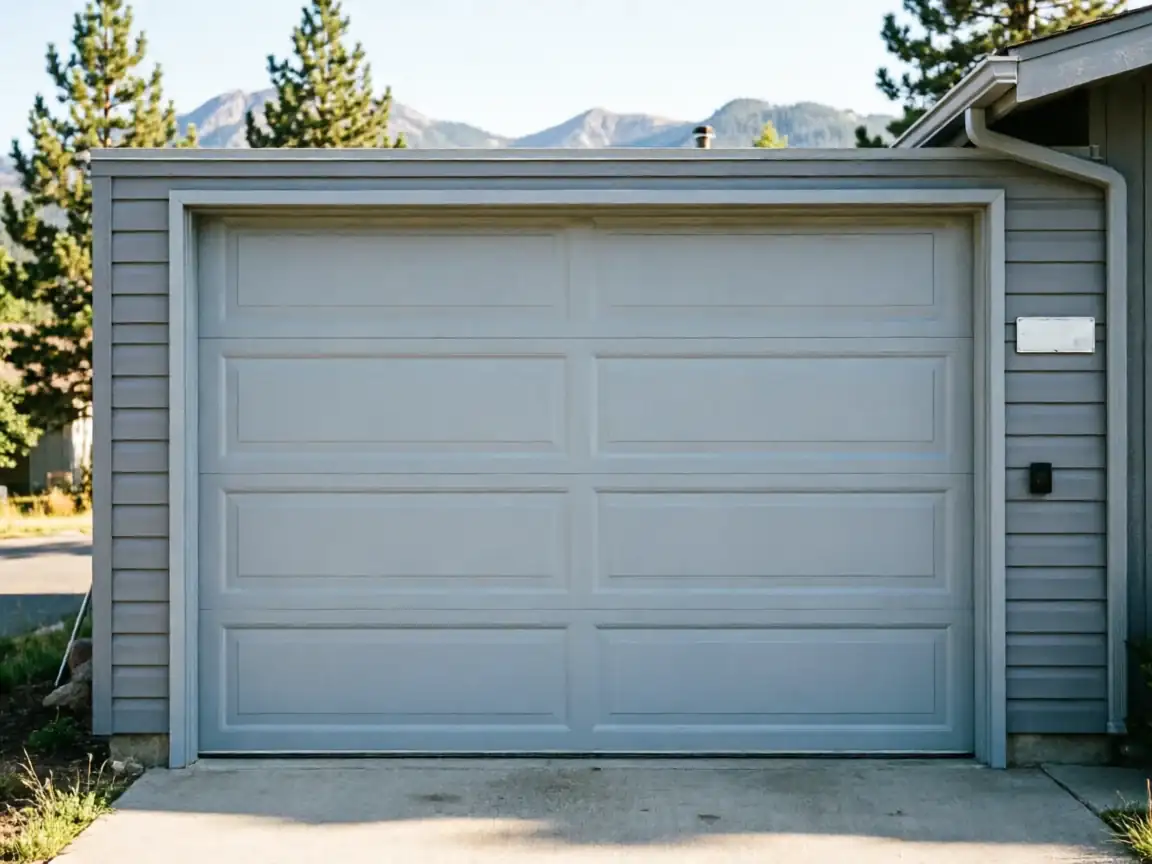
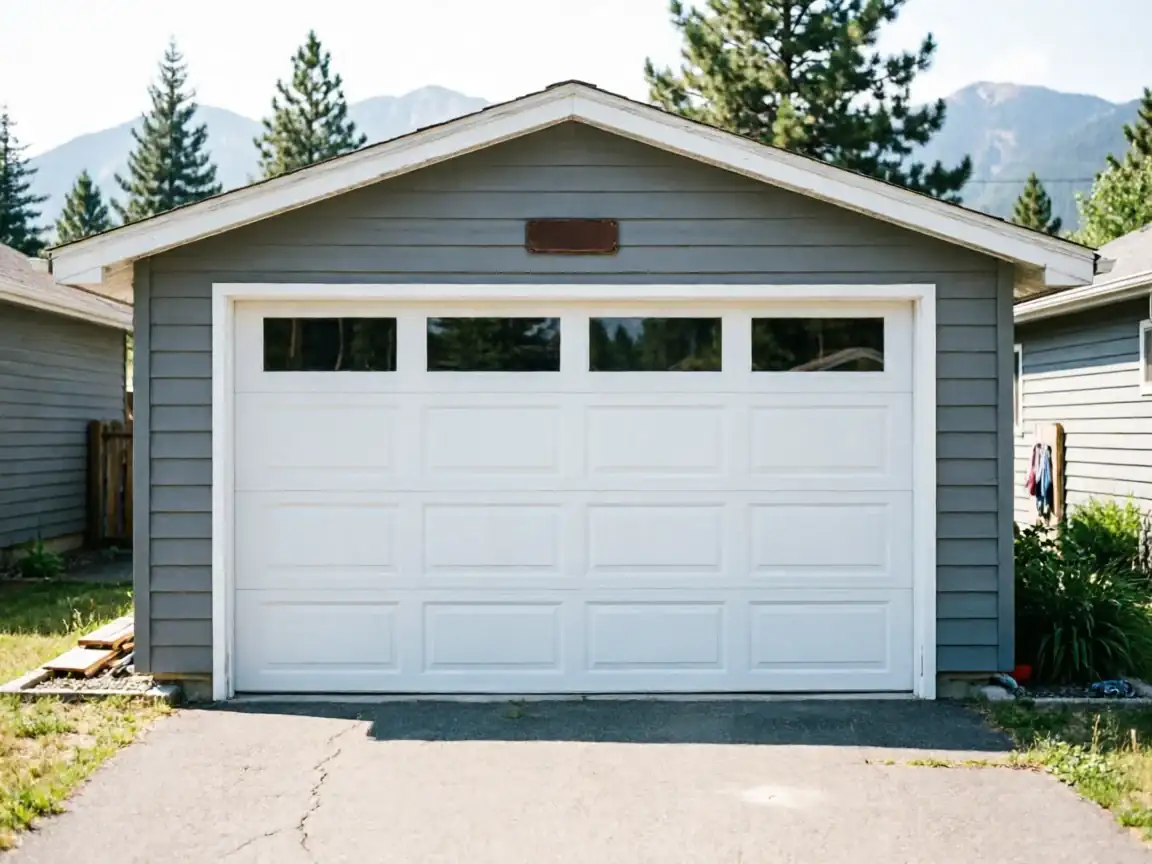
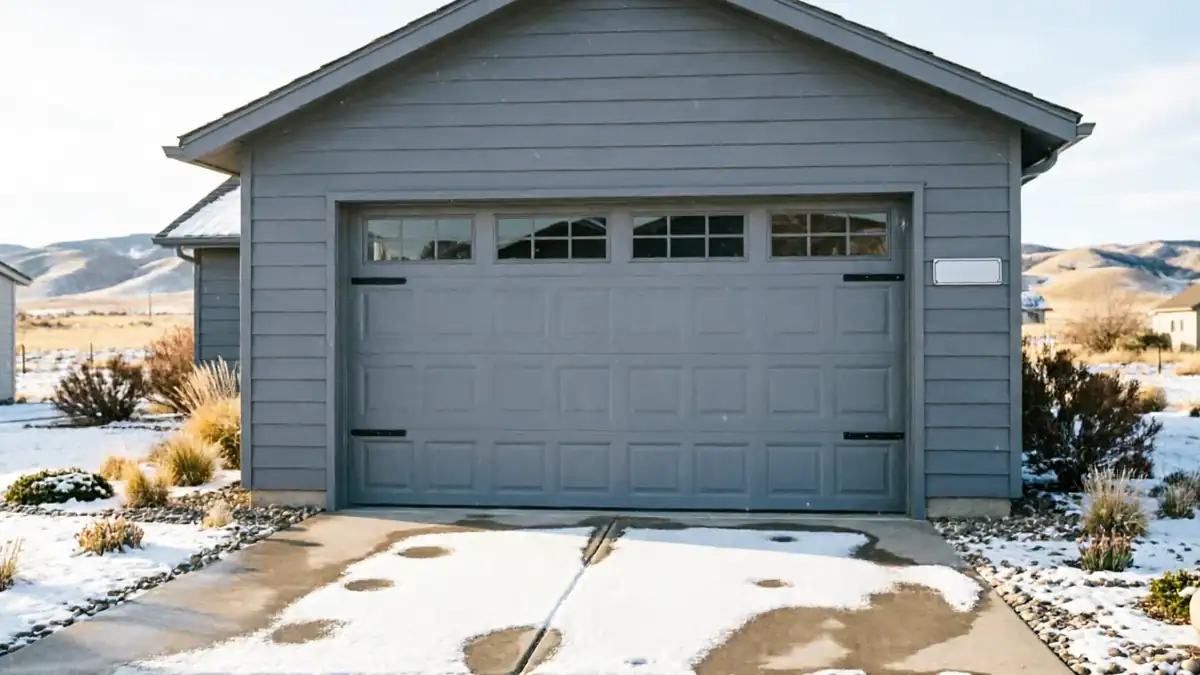
Which puts most garages here squarely in the builder-grade wave of the late 1970s and early 80s. That's a different animal from the mixed 1969-2012 stock across the wider service area. By now these doors are on their second or third spring, sometimes their second opener, and the original steel track has usually been bent and re-aligned at least once by whoever moved in after the first owner.
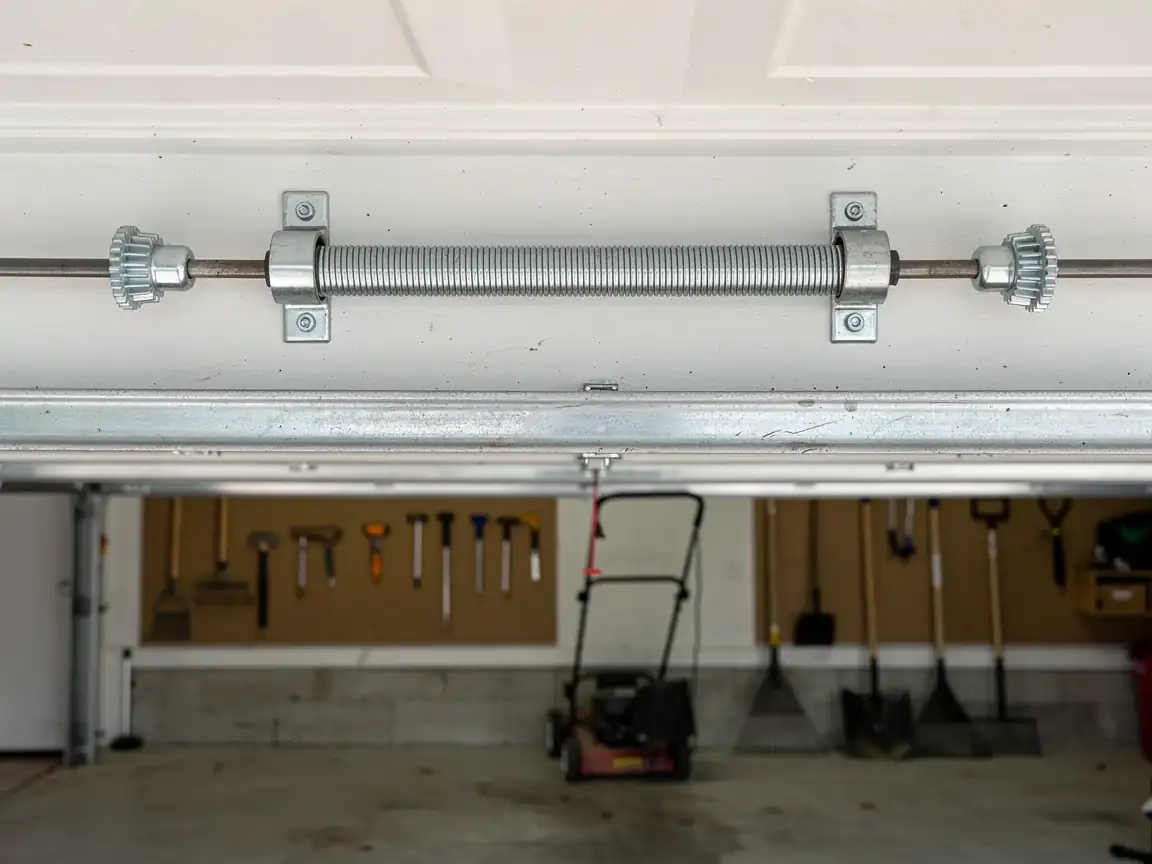
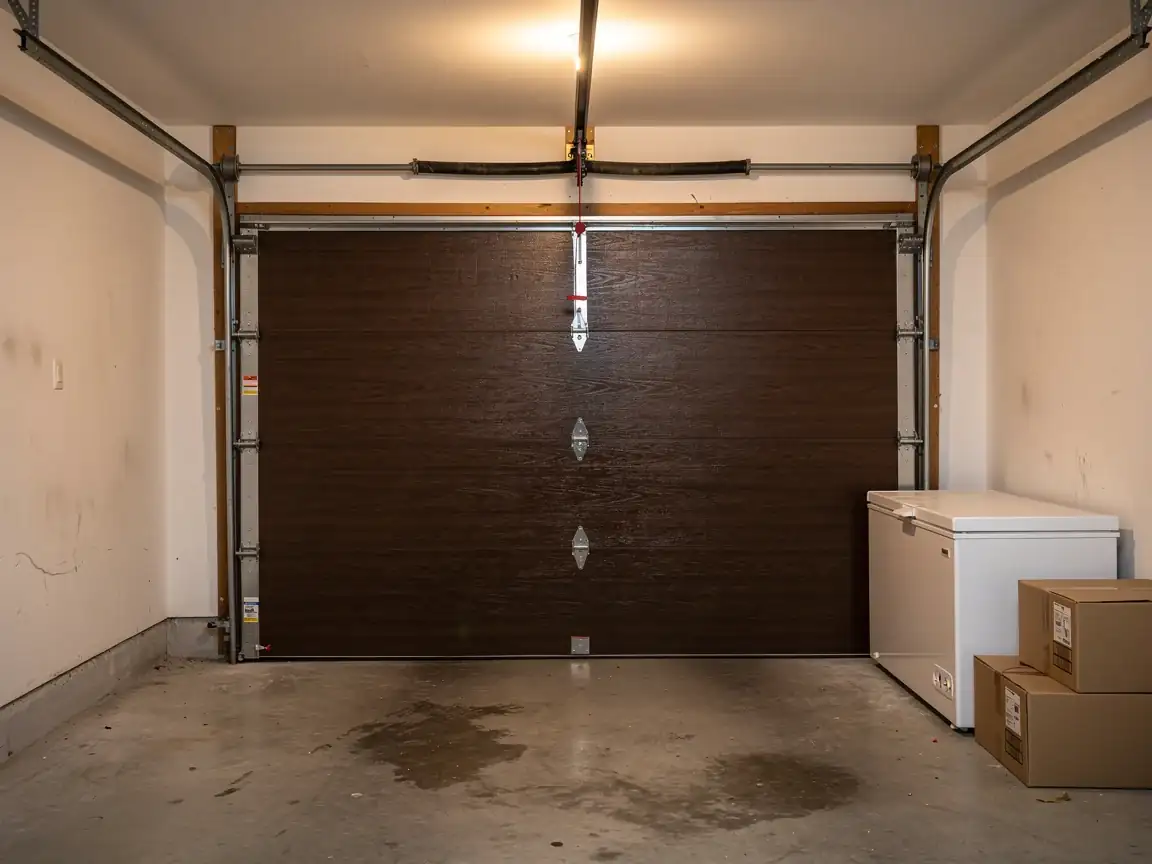
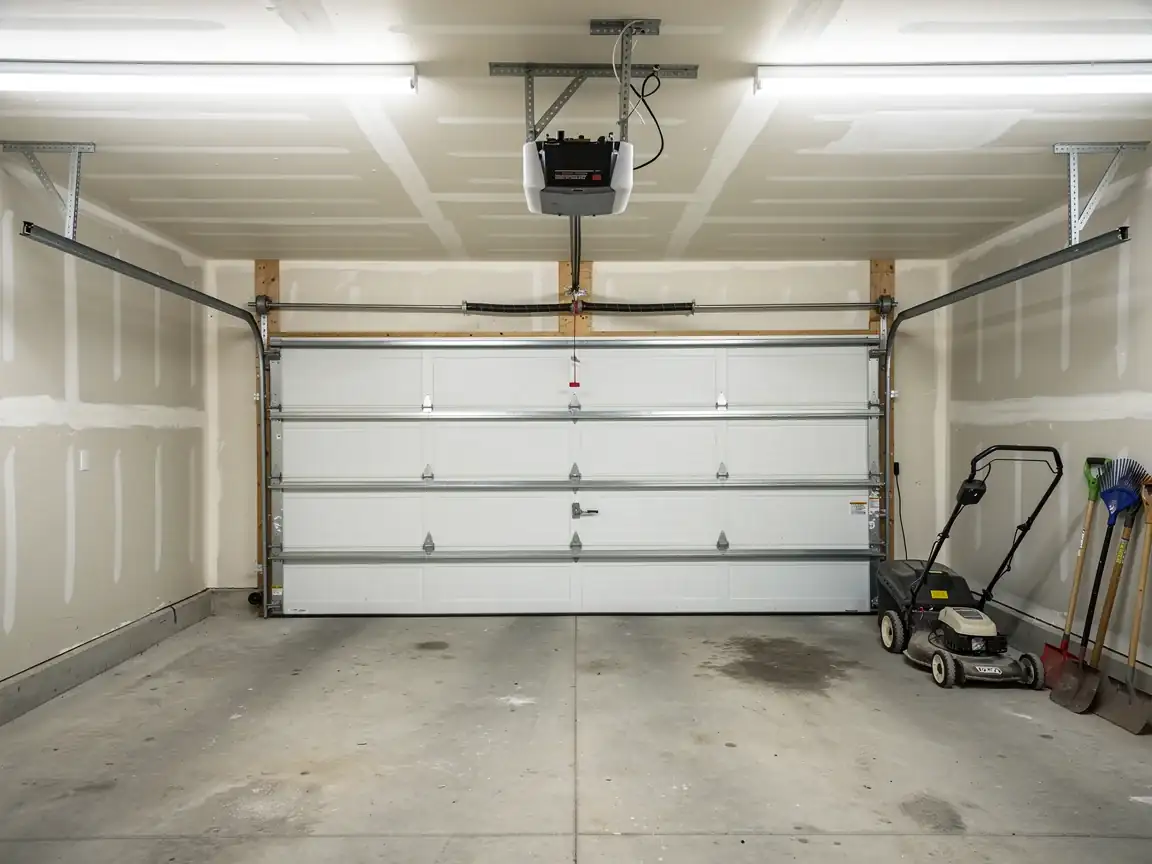
We see a lot of single-torsion-spring setups on two-car doors from this era
Which were standard before dual-spring systems became the norm on heavier doors. When one of these fails, the door doesn't just stop working, it can slam if someone tries to force it up by hand. We also see a fair number of chain-drive openers from the 80s and 90s still limping along, loud and slow, often because nobody's replaced the drive gear since it was installed.
We don't carry parts for every oddball opener brand that existed in 1981
If yours is something we can't source quickly, we'll tell you straight instead of stringing along a repair that won't hold.
How That Shows Up in the Door
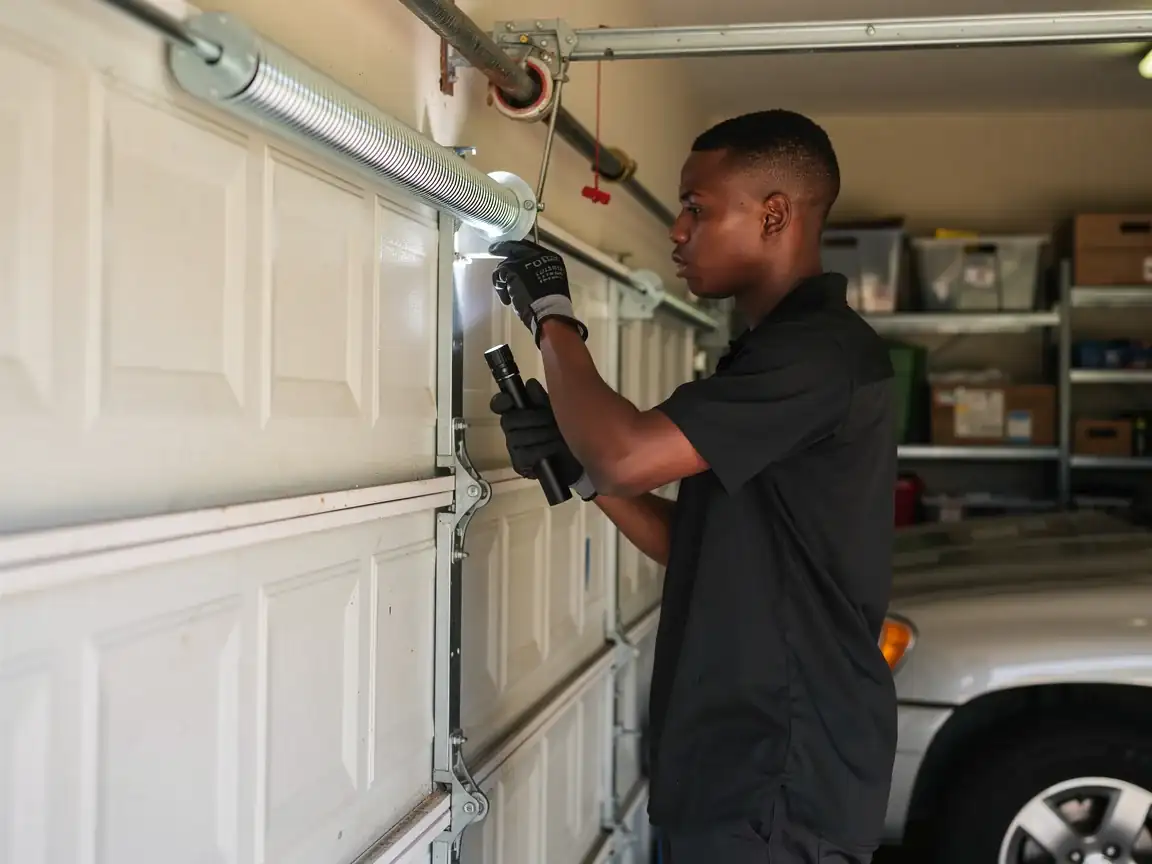
A door built around 1981 and still running on its original hardware tends to fail in predictable ways. Torsion springs rated for that era's door weight are decades past their cycle life, so a spring snap is often the actual reason for the service call, not just a symptom of something else. Rollers on these older tracks are usually steel, not nylon, which means more noise and more wear on the track itself over the years.
Winters here are cold enough, and consistently so, that old grease hardens in the opener's drive mechanism and in the spring coils, making everything stiffer and louder on the first cold mornings of the season. That's not unique to any one house, but it's a real factor on original 1981-era hardware that hasn't been serviced in a while. If your door groans on cold mornings and runs fine by afternoon, that's usually hardware age and lubrication, not a sign you need a whole new door.
We size torsion springs to the actual door weight and track setup in front of us, not to a generic chart, because a door from this period often has non-standard reinforcement added over the years by a previous repair.
This Area's Housing
Taylorsville sits at a median build year of 1981, which is older than the broader 1969-2012 range and the 1999 median across the service area. That one number matters more than it sounds like it should: doors from 1981 are more likely to have a single torsion spring instead of two, more likely to run on a chain-drive opener instead of belt, and more likely to have steel track instead of the aluminum extrusions used in newer builds.
With roughly 20,349 households in the area, there's a lot of this same housing type repeating block after block, which means the fixes tend to look alike from one job to the next. Median household income here runs around $85,608, a bit below the wider service area's $115,335, and that's part of why we try to be clear up front about what's a real repair versus what's a door that's simply earned its retirement. Sometimes replacing a worn-out 1981 door costs less over five years than patching the same opener twice more.
We don't do cosmetic upgrades or custom door builds. Our work here is structural and mechanical: springs, openers, tracks, panels, and the cables that hold it all together.
The Drive Over
We run out of West Jordan, about 5 miles from Taylorsville
Which puts most calls here within a short drive rather than a cross-valley trip. We don't keep a depot or a standing crew stationed in Taylorsville itself, so we can't promise a same-hour arrival, but the distance is short enough that it's rarely the bottleneck on a job.
- 5 miles
What matters more than the mileage is what's in the truck when we get there
Given how much of Taylorsville's housing sits around that 1981 build year, we stock the torsion spring sizes and standard track hardware that era calls for, rather than showing up and discovering we need to order a part for a door we could have guessed about in advance.
If you're near the edges of Taylorsville toward Murray or West Valley City
The drive doesn't change our approach, just the minutes on the road.