Why It Happens Here
The drive from West Jordan to Taylorsville is five miles
Short enough that a cable call here runs the same day a West Jordan call does - there's no cross-town traffic pattern or long haul working against the schedule, just a quick trip down the same stretch of valley.
That short drive matters because what we find once we get there is different from a lot of other stops
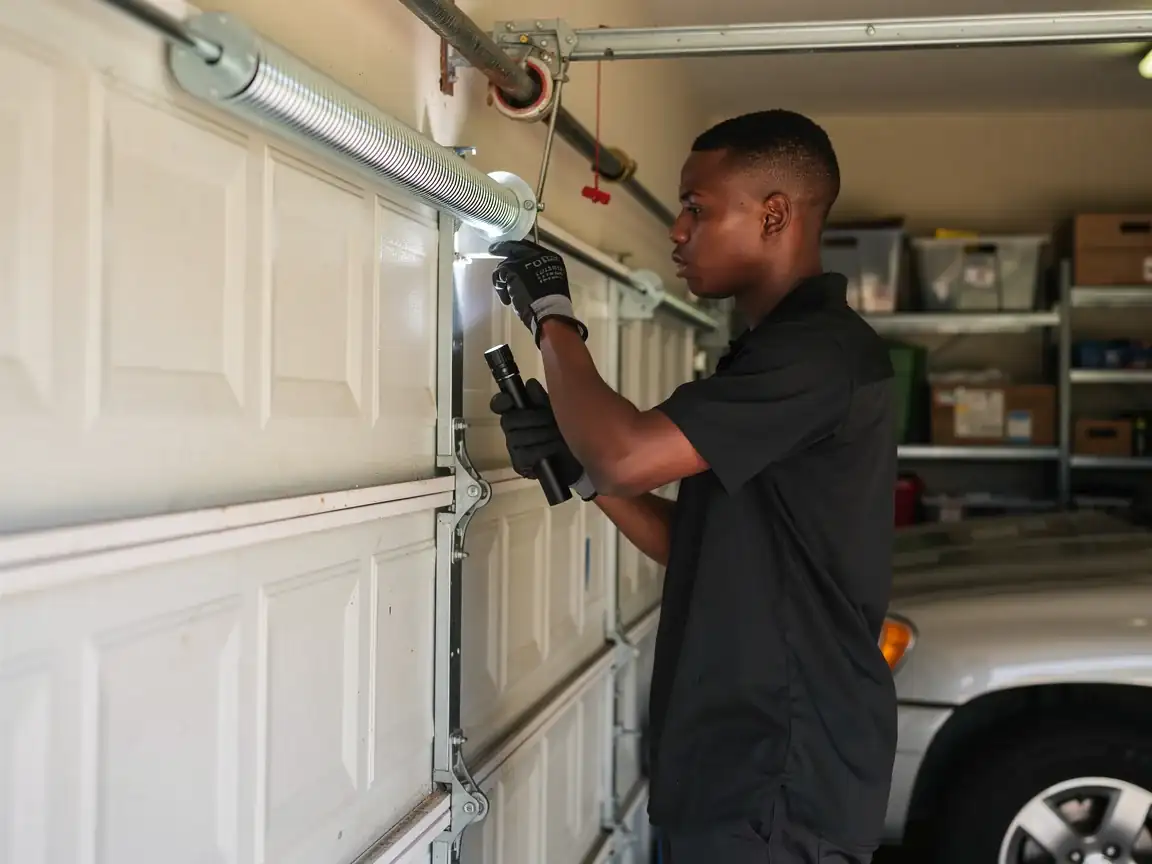
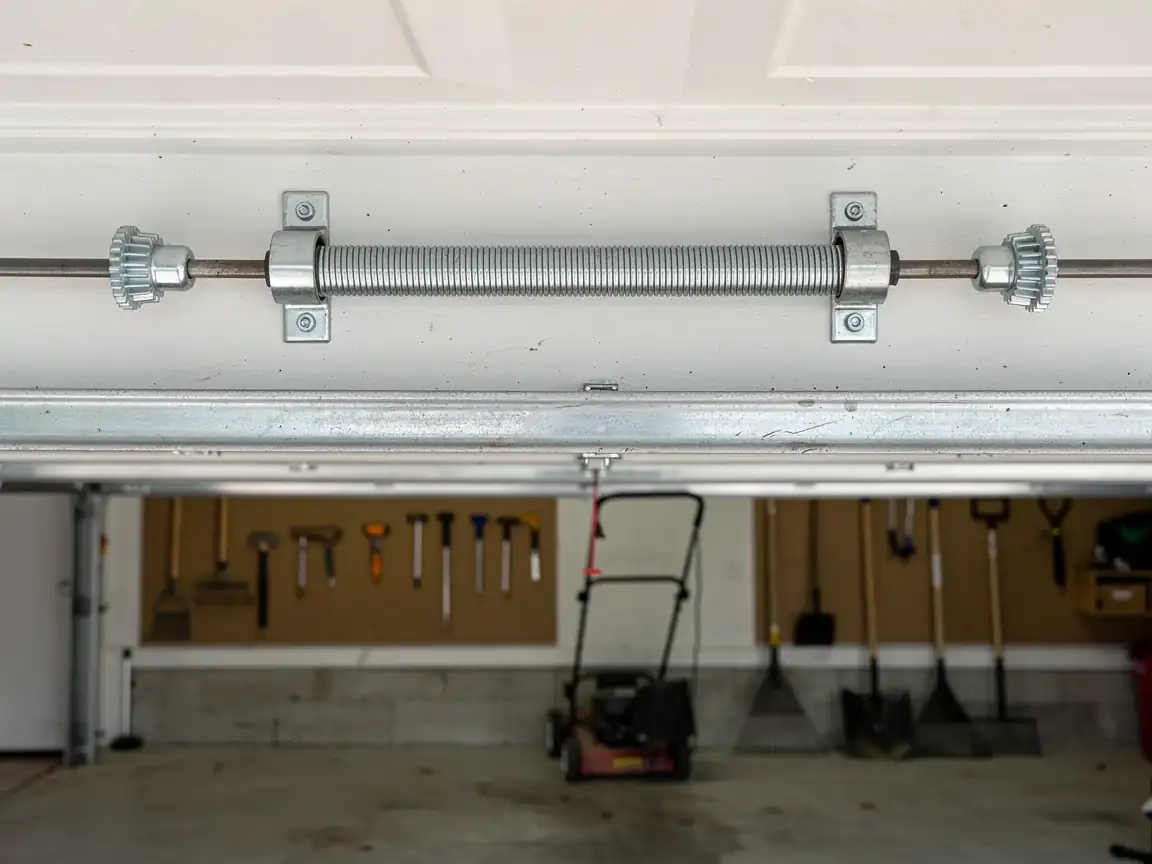
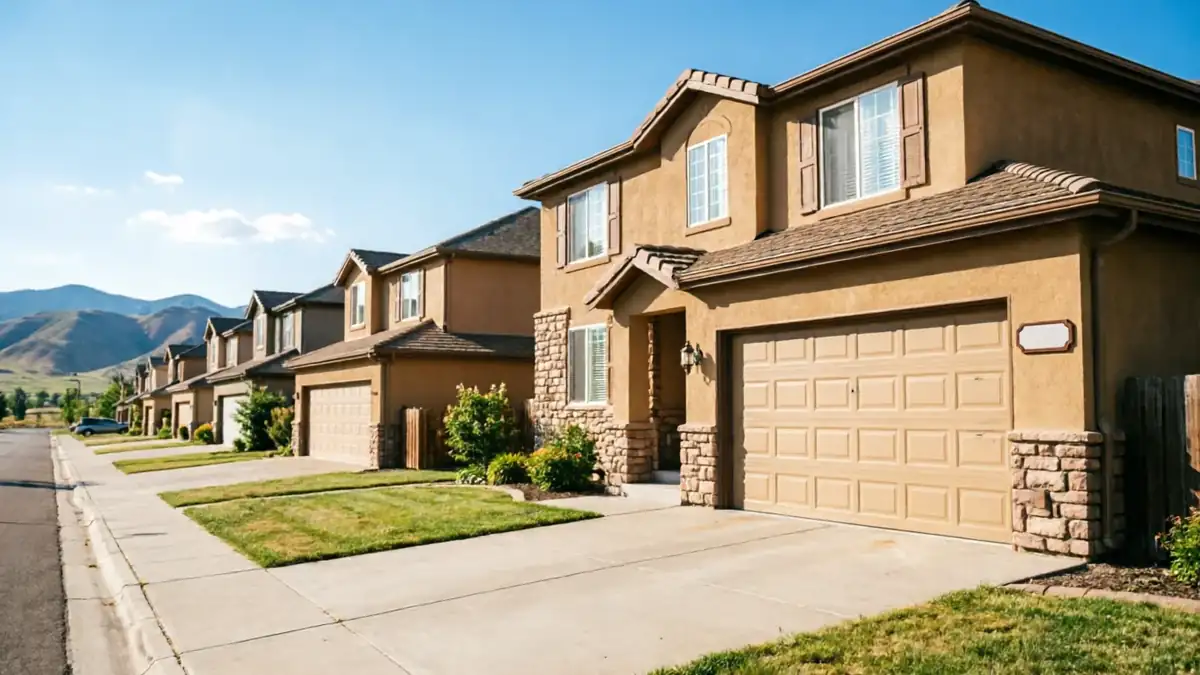
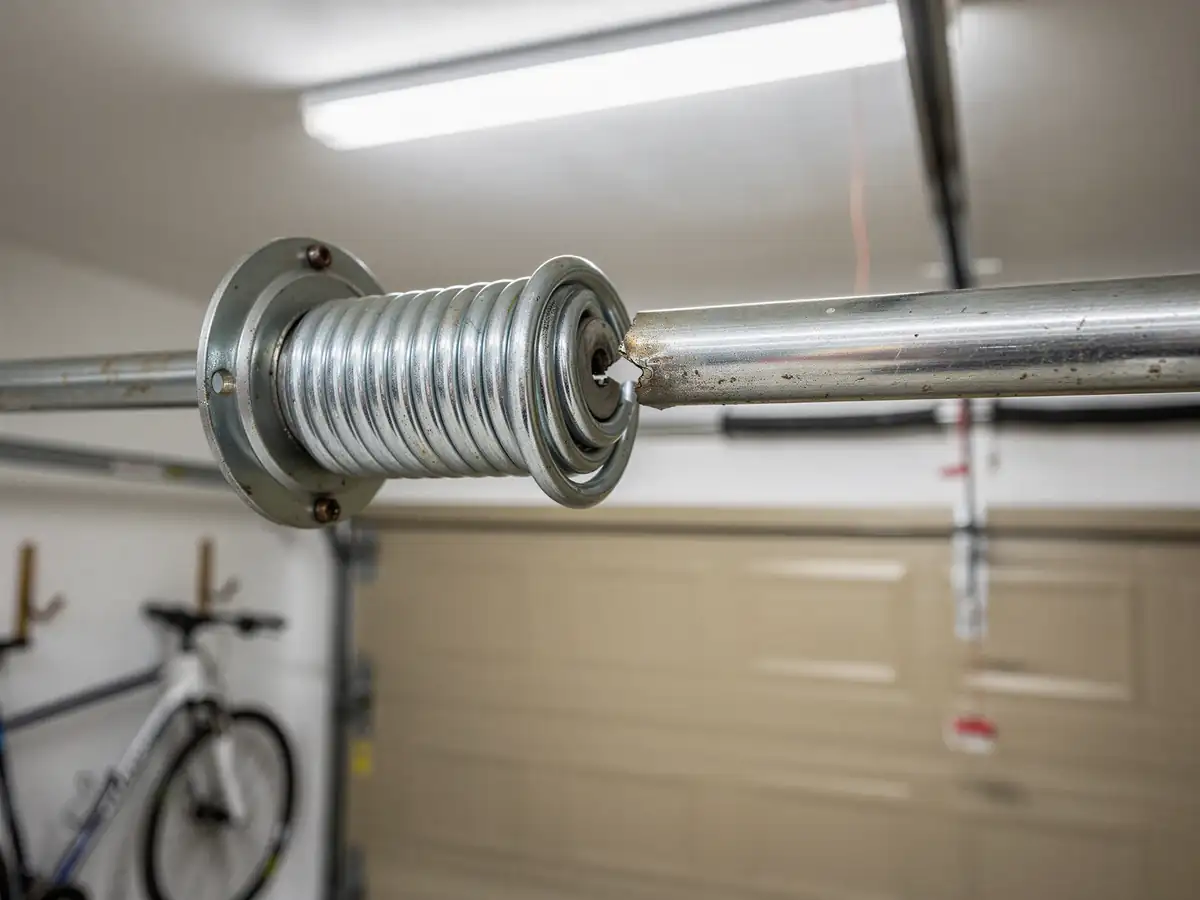
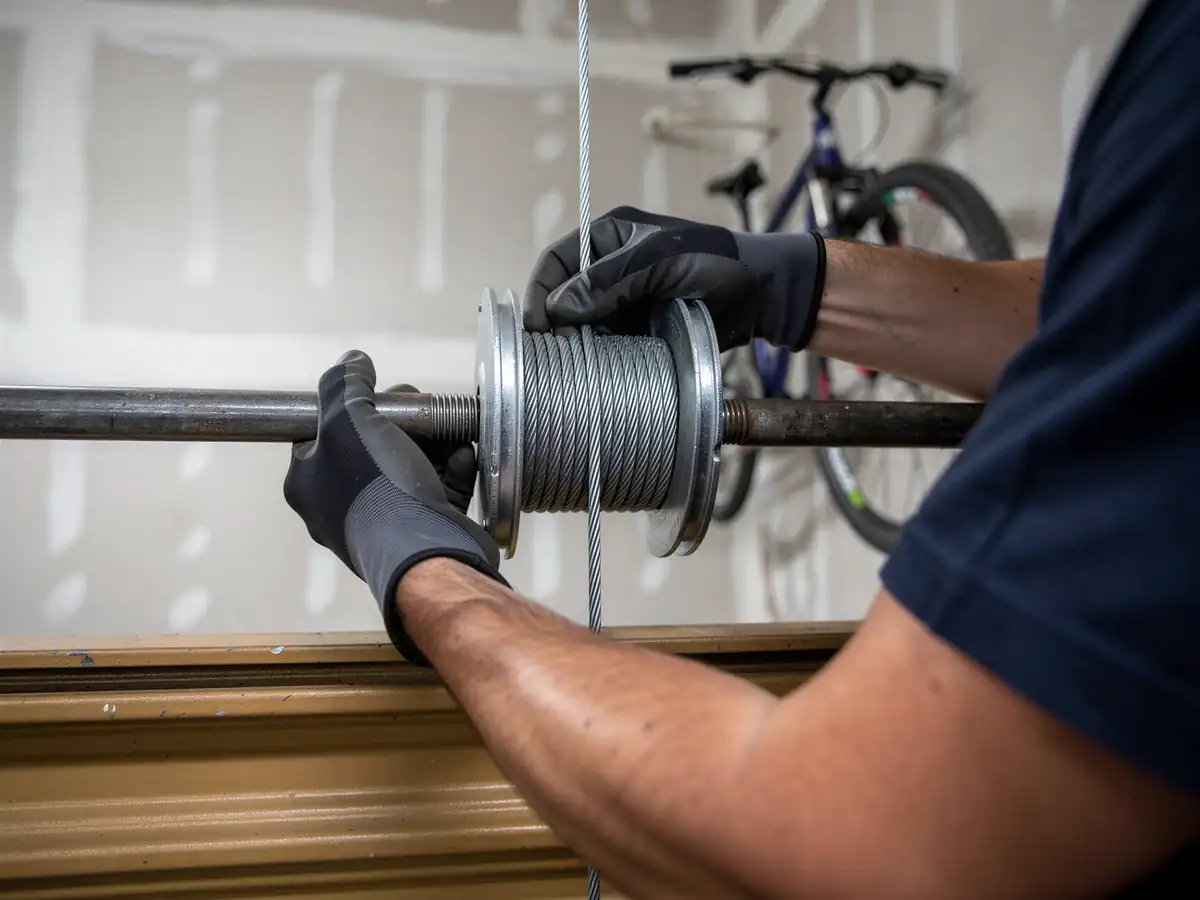
The typical Taylorsville house went up around 1981, squarely in the era when builders here leaned on extension springs with lift cables running over pulleys at each side of the door, rather than the torsion-and-drum setups that came standard later. Those pulleys are a wear point nobody thinks about until a cable jumps the groove or frays where it wraps the drum.
Cold winters work on that hardware too
In a severe cold climate, galvanized cable strands stiffen and the pulley bearings dry out faster, so a cable that looked fine in September can shred by January. We're not guessing at a home's age when we show up - a 1981 build tells us before we open the garage which style of cable drum and which pulley bracket we're probably dealing with, and that saves time on the call itself.
What It Costs
We don't have a flat number to quote you here, and we're not going to make one up to fill space. Cable repair cost depends on whether one cable snapped clean or both are frayed, whether the drums or pulleys got damaged when the cable let go, and whether the door dropped crooked and bent a track on the way down.
What we can tell you is what drives the cost up versus down on a typical Taylorsville call. A single cable caught early, before it snaps and the door racks sideways, is a contained job - cable and maybe a pulley. Let it go and the door drops unevenly, and now you're also looking at a bent track or a damaged roller, which turns a cable job into a bigger repair. On a household budget in this area, that's the difference worth knowing before the cable fails rather than after.
How Long You Are Without the Door
Because the trip from West Jordan is only five miles, a Taylorsville cable call isn't sitting behind a long commute the way some outlying stops are. The time you're without a working door comes down to the job itself, not the drive to reach it.
A single frayed cable that hasn't snapped yet is usually a same-visit fix - pull the old cable, wind on the new one, check the drum for wear, test the balance. If a cable has already snapped and the door is down and wedged, that's more work: releasing tension safely, checking both sides for matched wear since 1981-era doors often have both cables near the end of their life at the same time, and resetting the balance before anyone trusts the opener with it again.
We'll say plainly where the limit is: if the drums are grooved from the old cable or a track got bent when the door dropped, that's not a same-visit part we carry as a guess - it gets confirmed on site first.
How It Shows Up
On a house from this era, the first sign is rarely total failure
It's a door that jerks or hesitates a few inches up, because one cable has started to unwind off its drum while the other's still holding tension. Some owners hear a popping or snapping sound from one side of the door right before it happens.
A door that hangs crooked
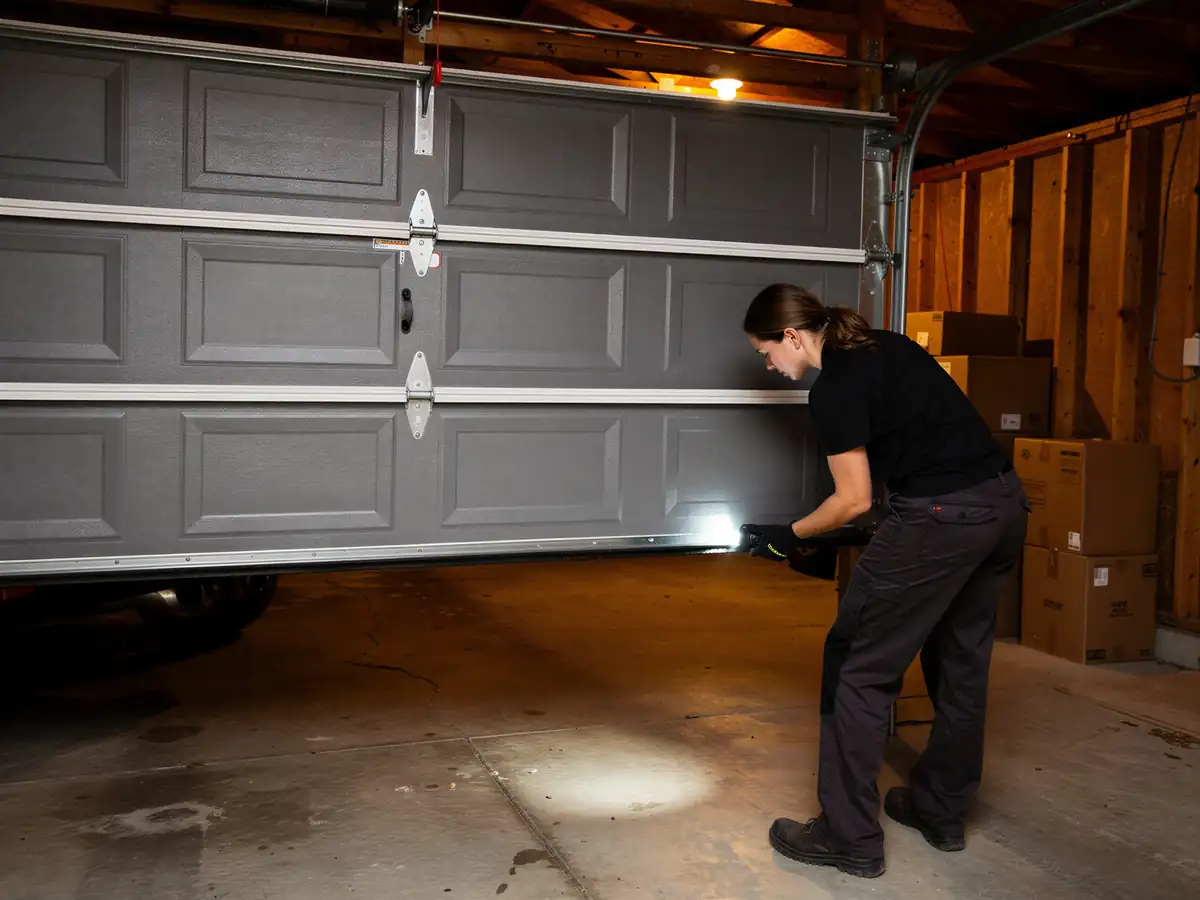
Noticeably lower on one side - almost always means a cable problem on the low side, not a spring problem, even though people usually call it in as 'the spring broke.' Frayed strands poking out near the bottom bracket are the other tell; by the time you can see them, that cable is close to done.
If the opener is still trying to lift a door with a failed cable, stop running it
That's the fastest way to bend a track or twist a panel on top of the cable repair you already need.