Why It Happens Here
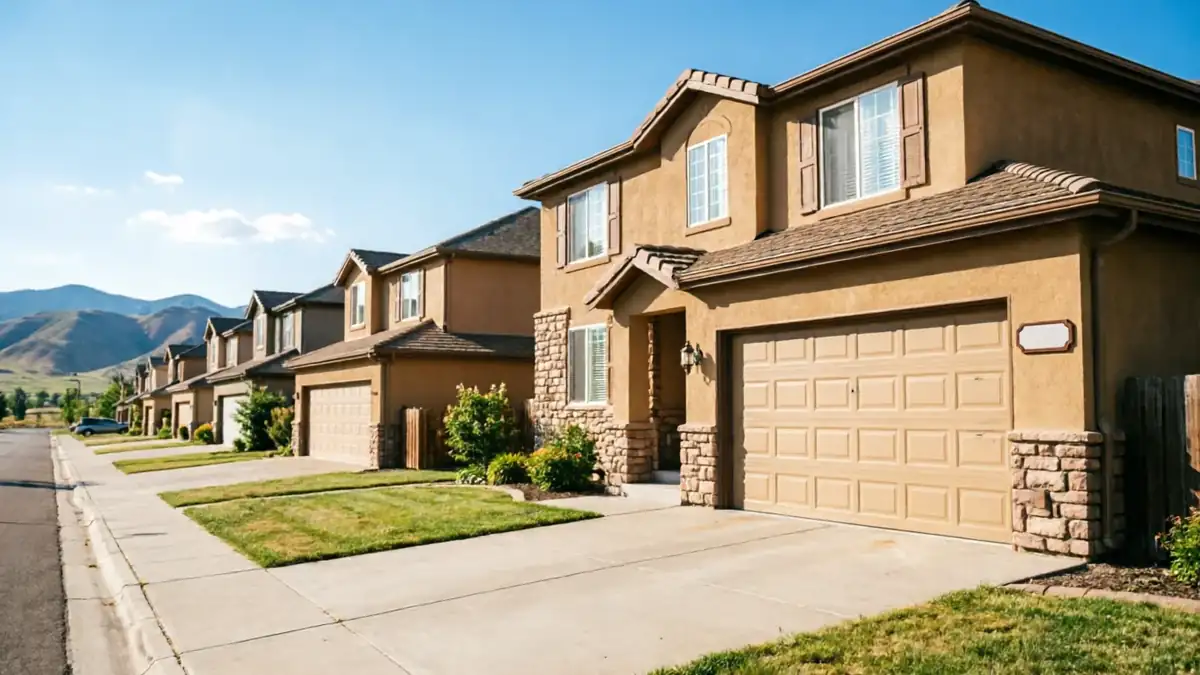
Taylorsville's housing stock centers on 1981
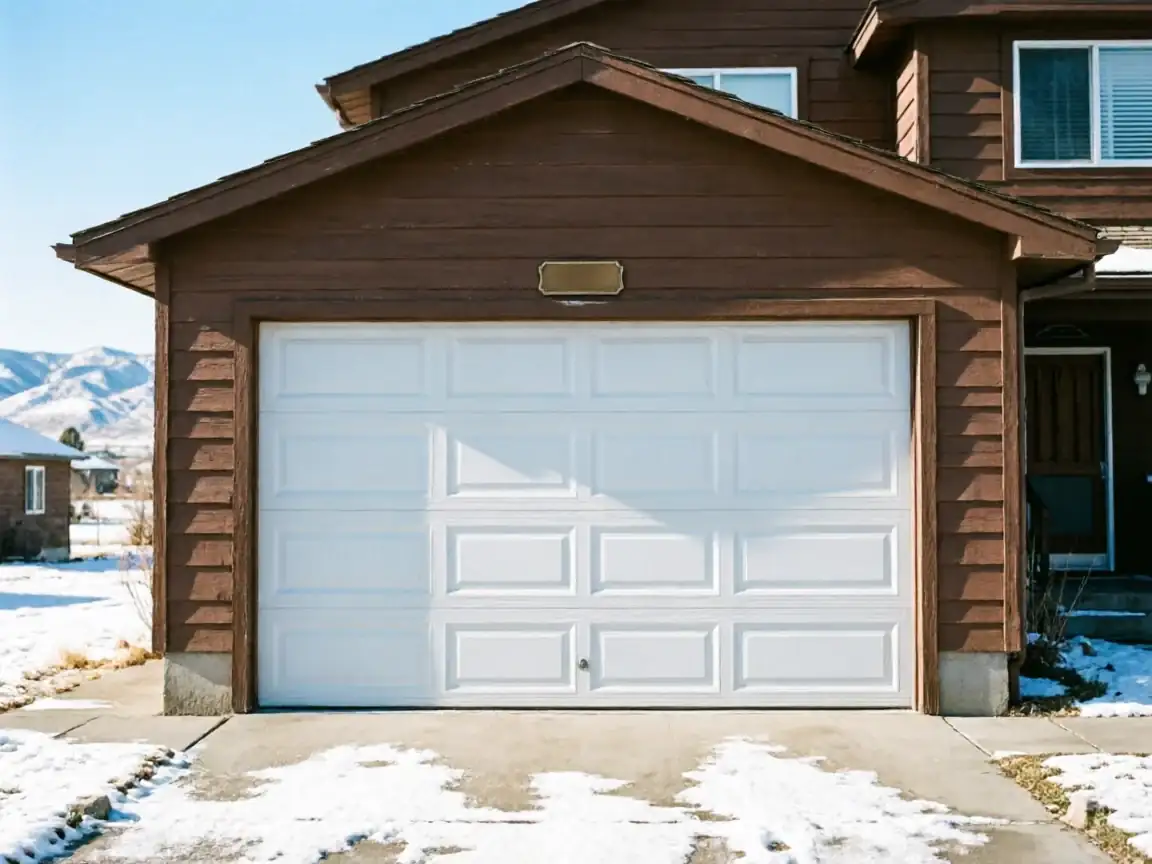
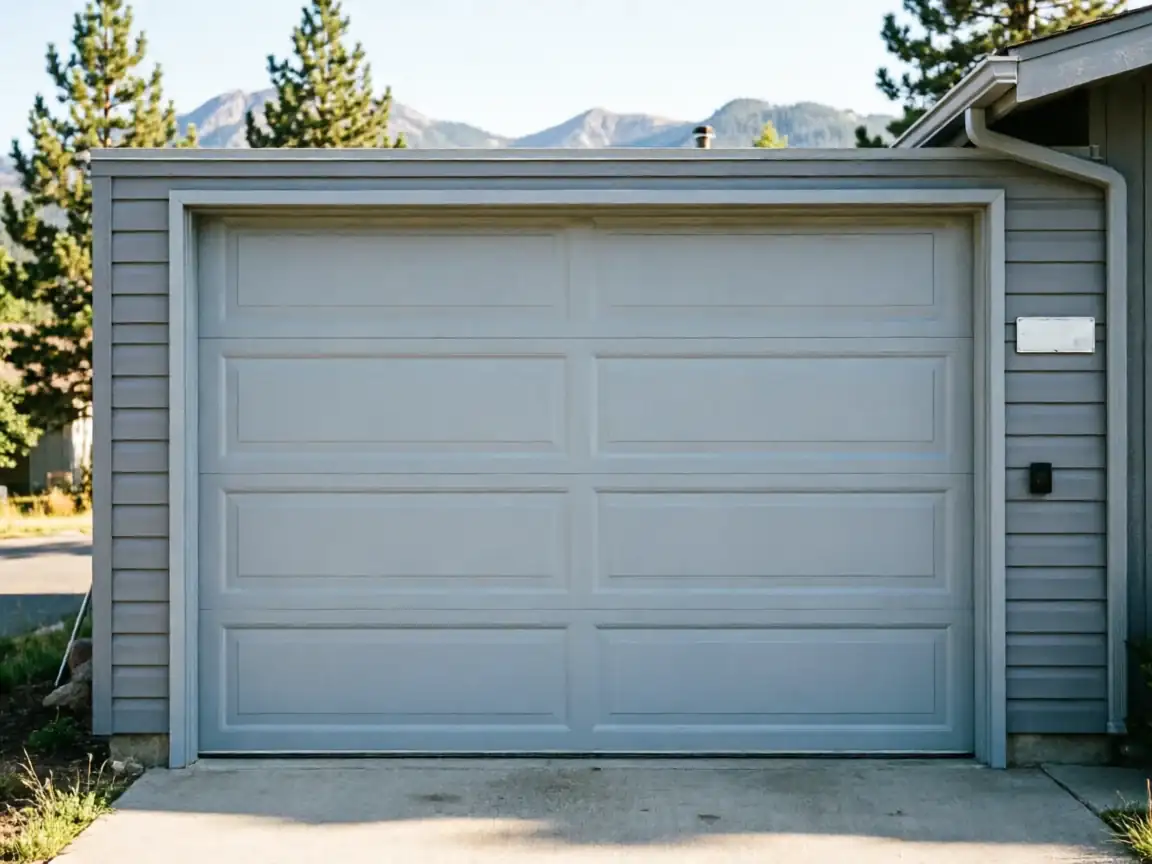
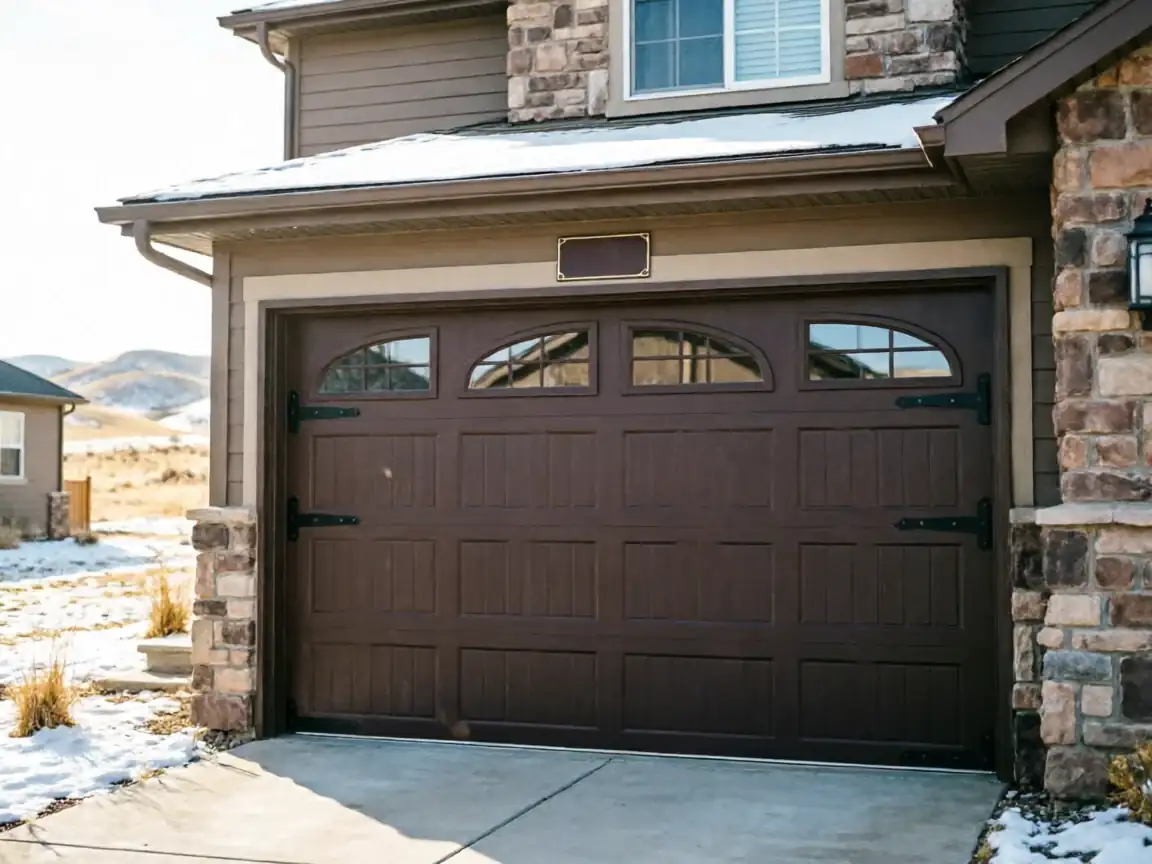
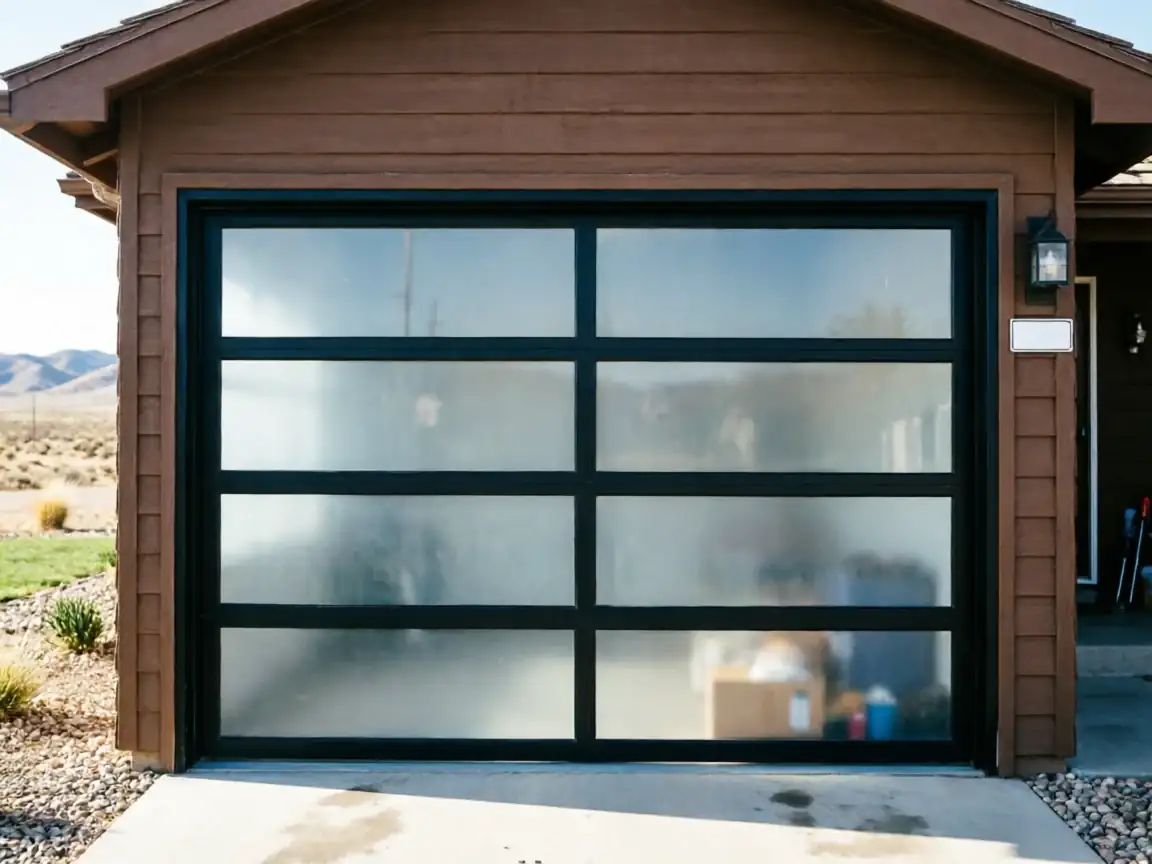
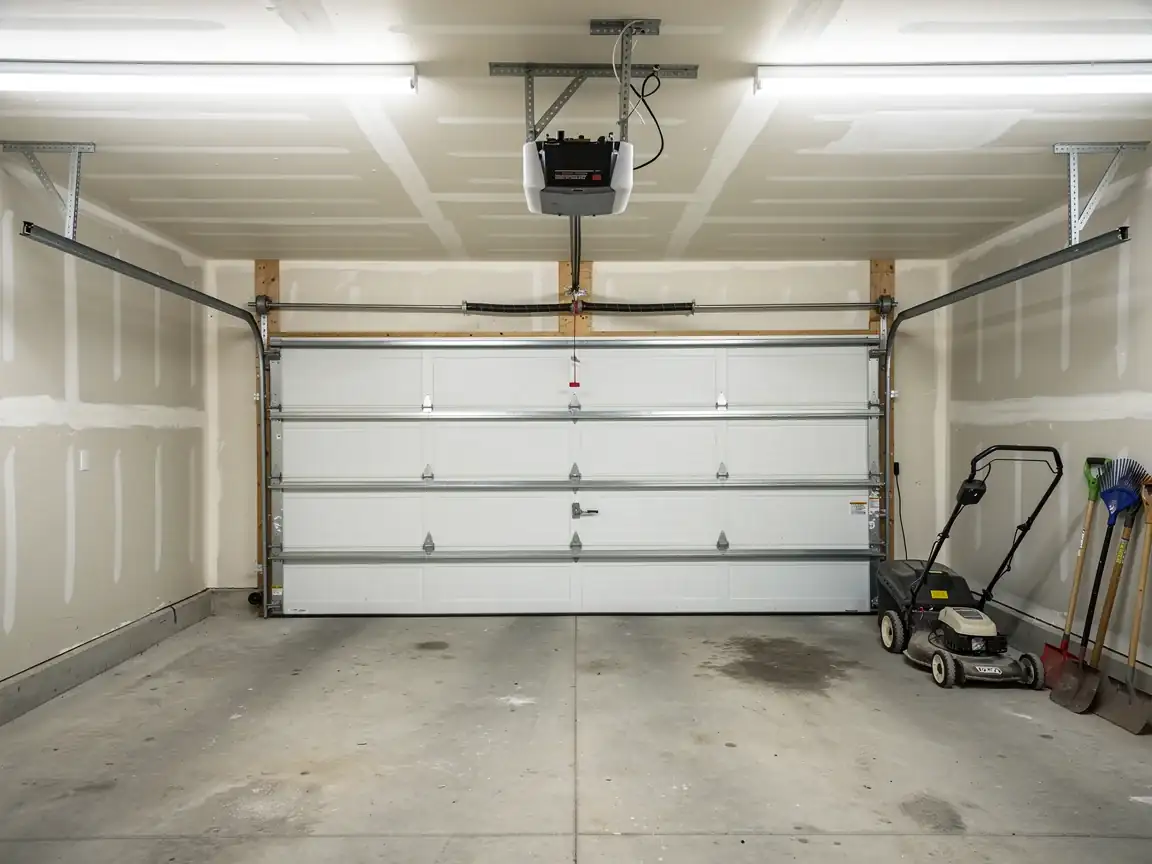
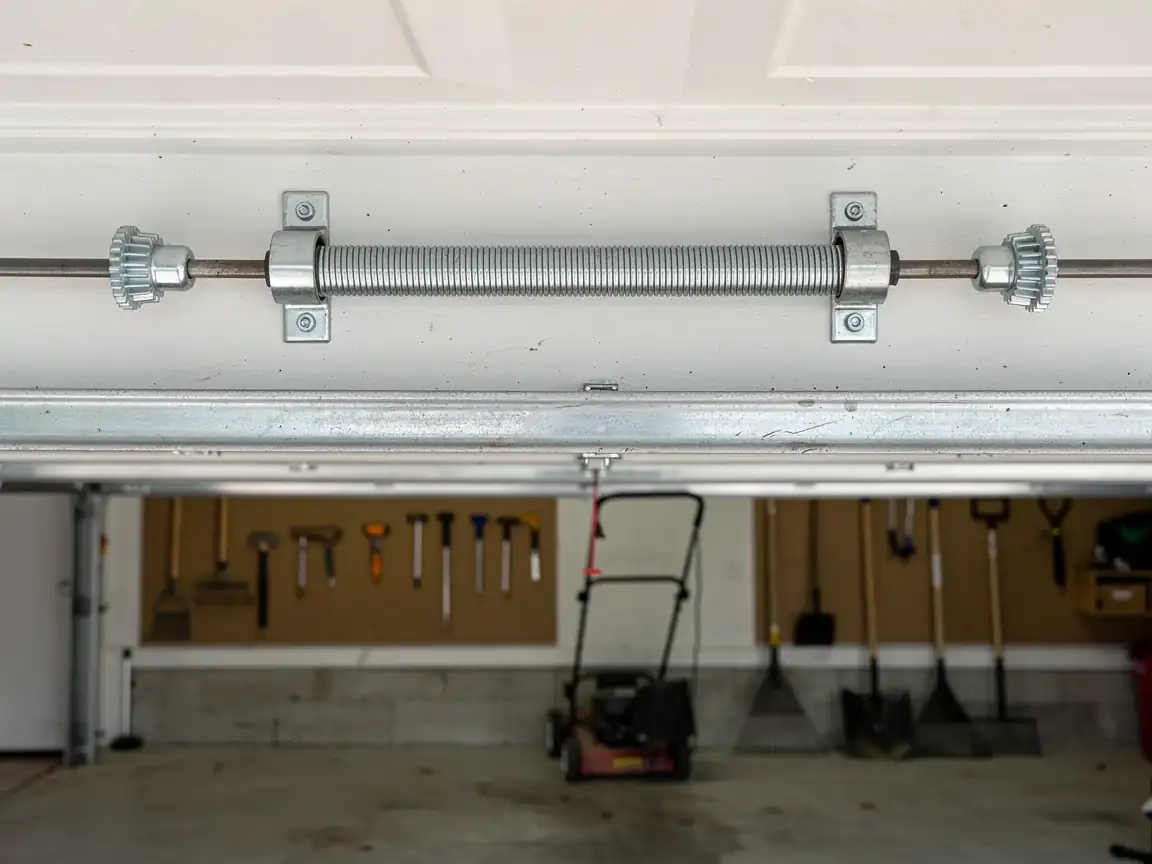
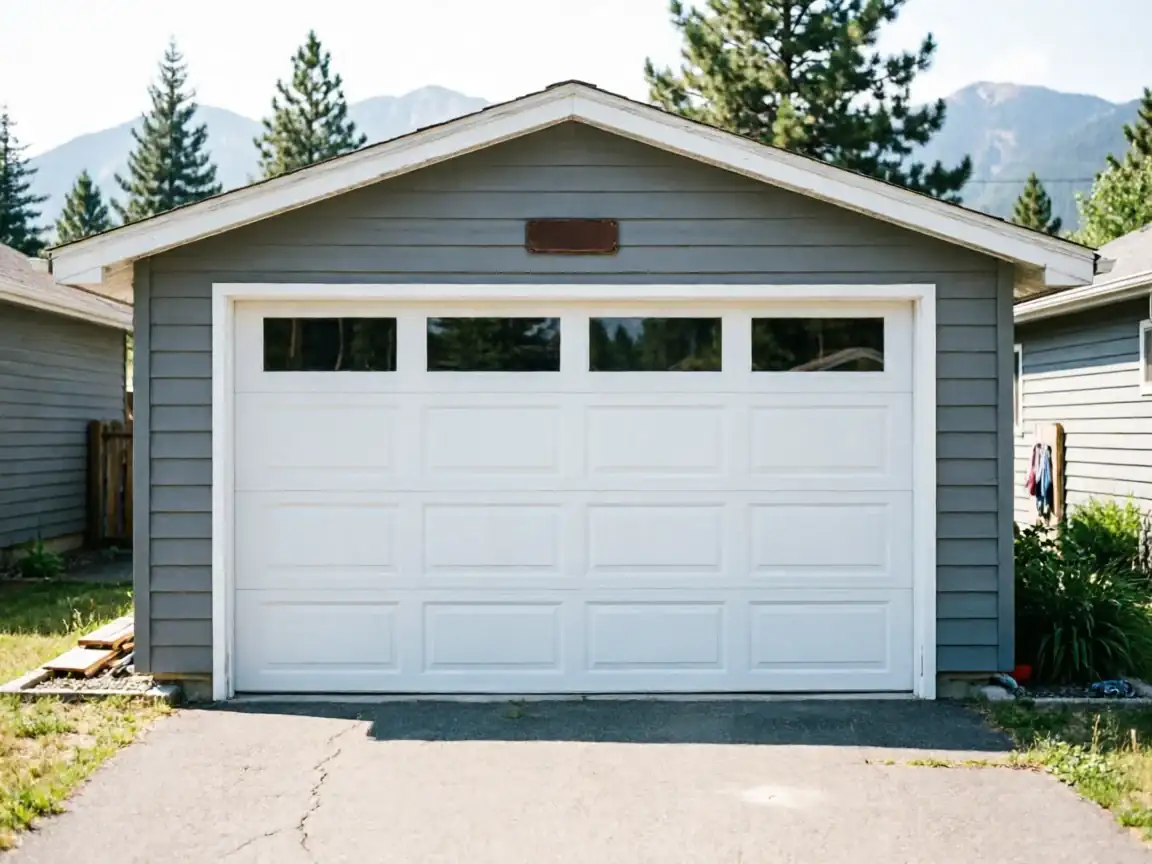
Which puts most garage doors and openers here squarely in the same generation as the rest of the valley's 1980s-90s build-out. That matters because a door from that era was built to a lighter spec than what goes in new construction today - thinner panel skins, smaller-gauge torsion springs, and rollers that were never rated for the duty cycle a modern opener puts on them running twice a day for over forty years.
Layer the climate on top of that
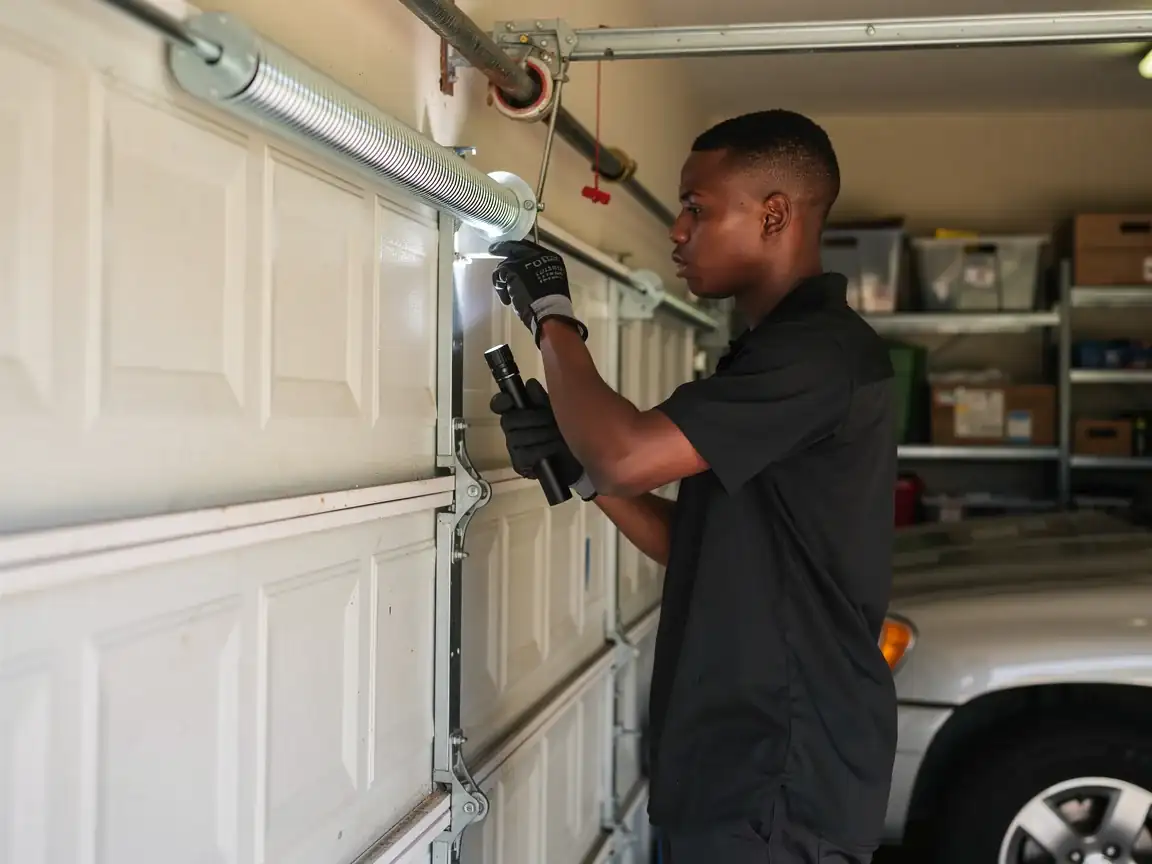
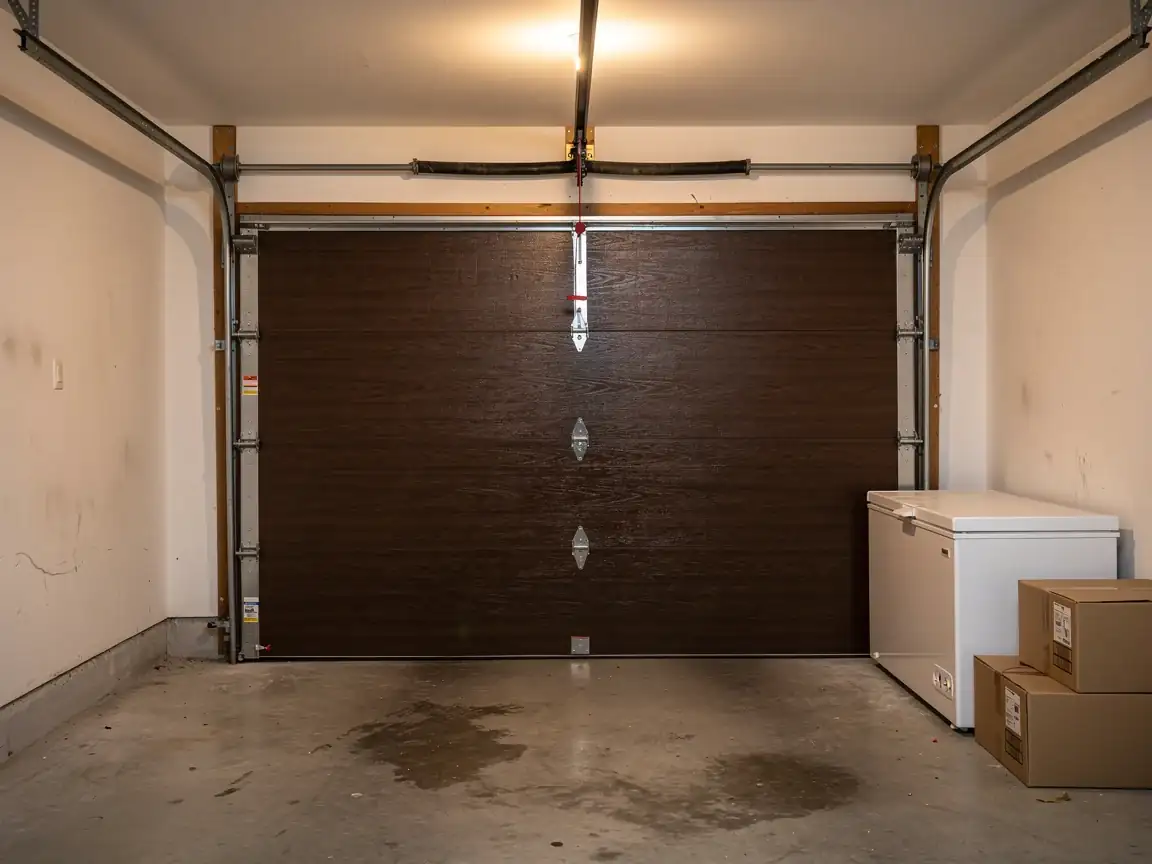
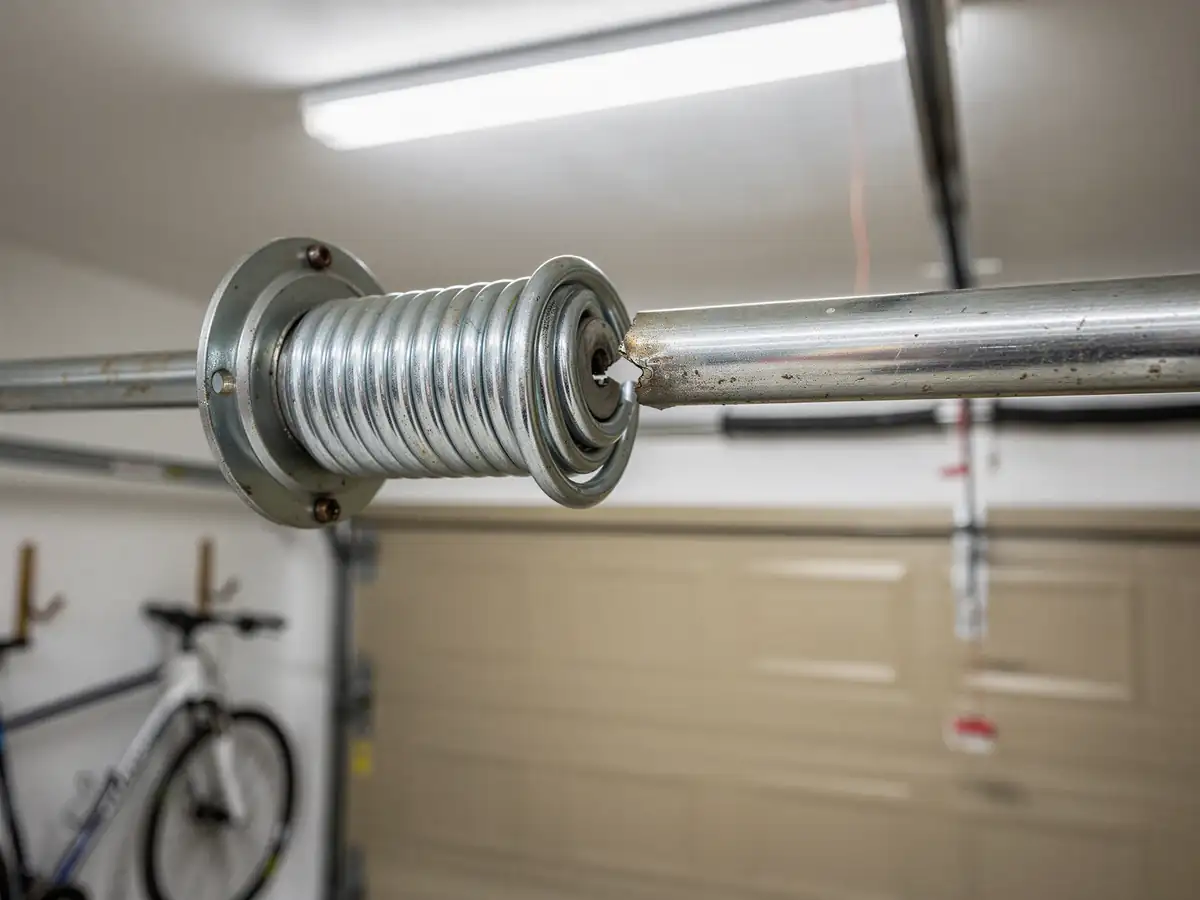
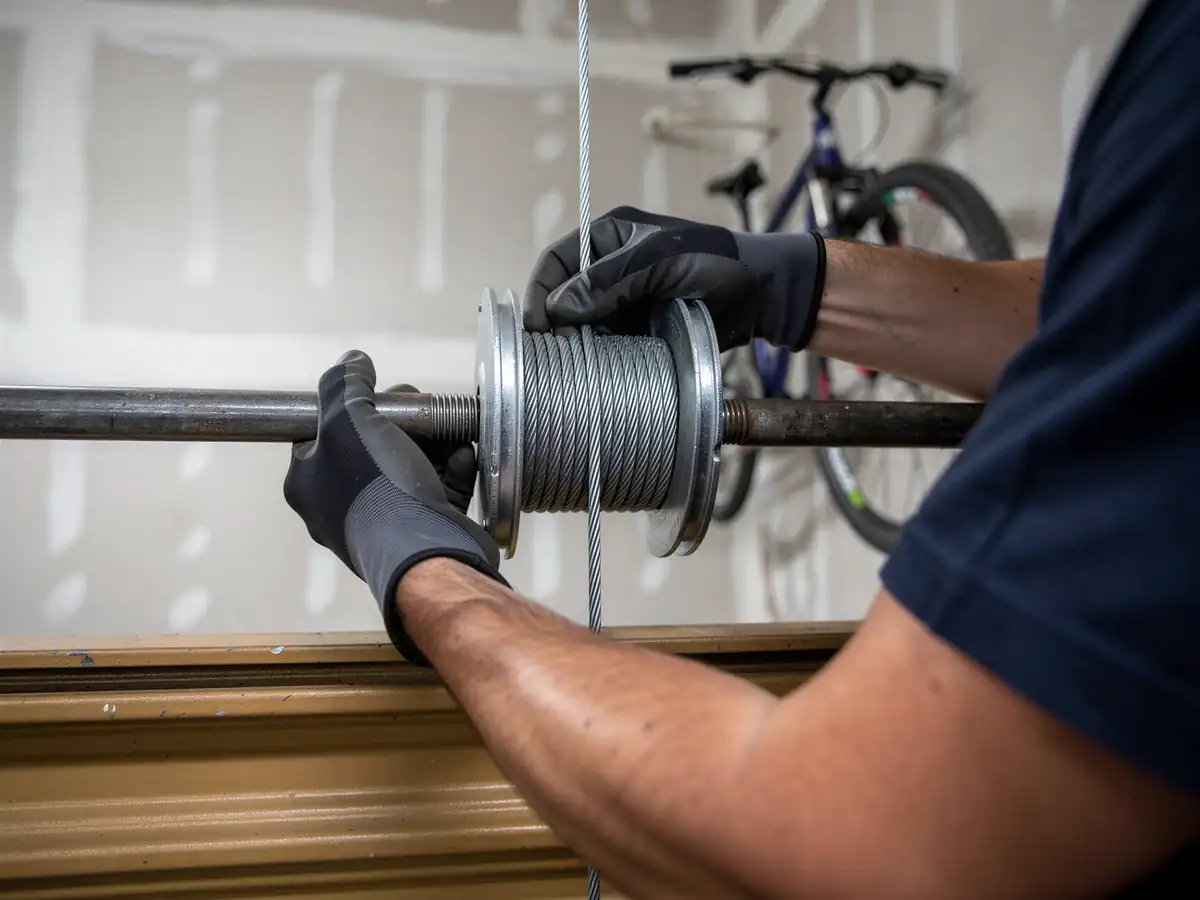
This is a cold-severe zone, and cold does specific things to old hardware: grease in the bearings stiffens, cables lose a little flex and start to fray at the drum, and springs that are already near the end of their cycle count snap in the first hard cold snap of the season rather than gradually wearing out. A door that's been fine for years will often fail in a two-week window once temperatures drop, simply because it was already close to the edge.
None of this means every door here is failing
It means the maintenance checklist for a Taylorsville house built around 1981 looks different from a checklist for a house built in 2005 - you're inspecting original hardware, not newer stock, and that changes what we look for first.
What It Costs
Median household income in Taylorsville runs $85,608, noticeably below the $115,335 median across the wider service area. That gap is the reason the repair-or-replace conversation here tends to land on repair more often than it does in the higher-income suburbs nearby - stretching the life of an original spring set or opener motor with targeted maintenance makes more sense on this budget than jumping straight to a full door replacement.
The honest limitation: maintenance has a ceiling. If a torsion spring is already cracked, if the track is bent from a vehicle strike, or if the opener's gears are stripped, no tune-up fixes that - those are repair or replacement jobs, not maintenance ones. What a maintenance visit does well is catch the things that turn into those bigger jobs: a cable starting to fray, a roller worn down to the bearing, hinges loose enough to rack the panel. Caught early, those are small line items. Caught late, in a cold snap, they're a Saturday without a working door.
We don't inflate a simple lubrication-and-adjustment visit into a bigger sale. If your hardware's holding up, we'll tell you that and move on.
How Long You Are Without the Door
We run out of West Jordan, about 5 miles from Taylorsville, so there's drive time built into any visit - we're not quoting a same-area response window because we're not based here. That distance is short enough that it doesn't change much in practice, but it's worth being upfront about rather than promising a number we can't back.
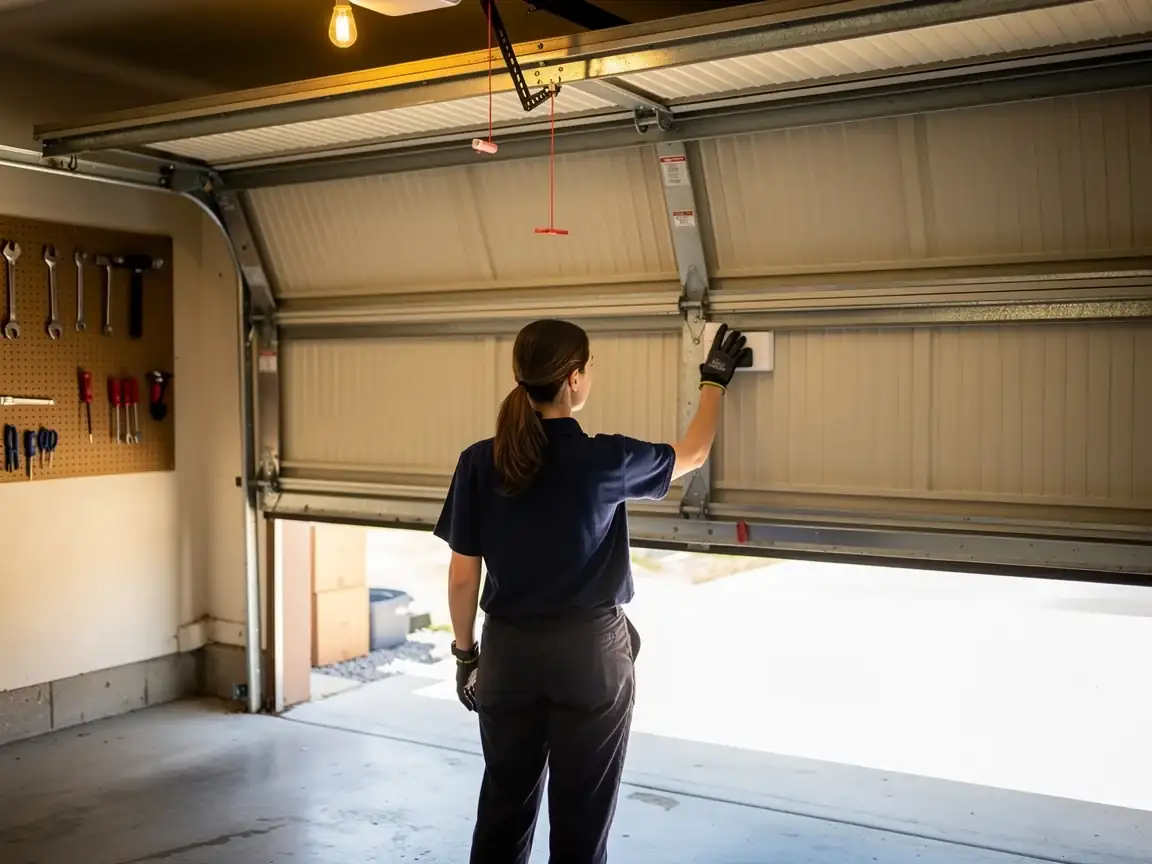
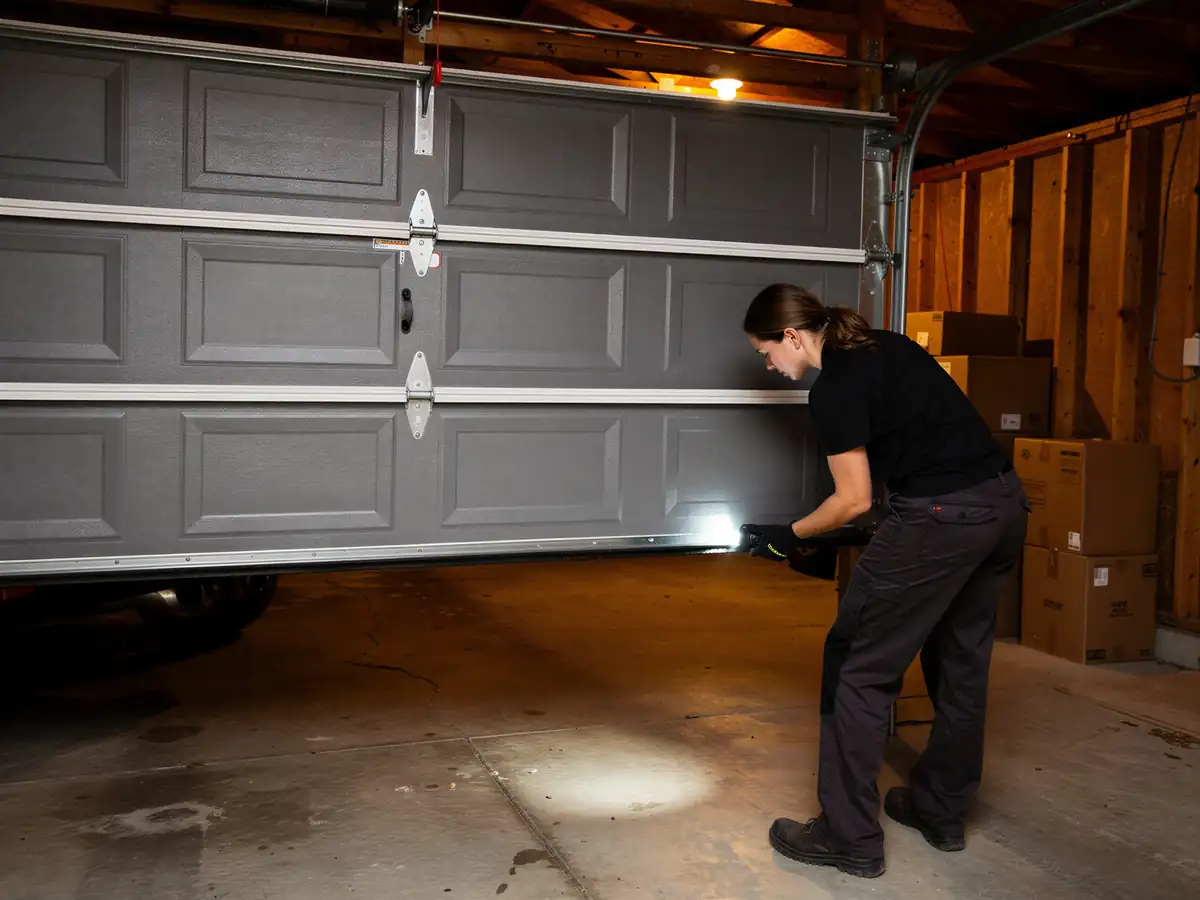
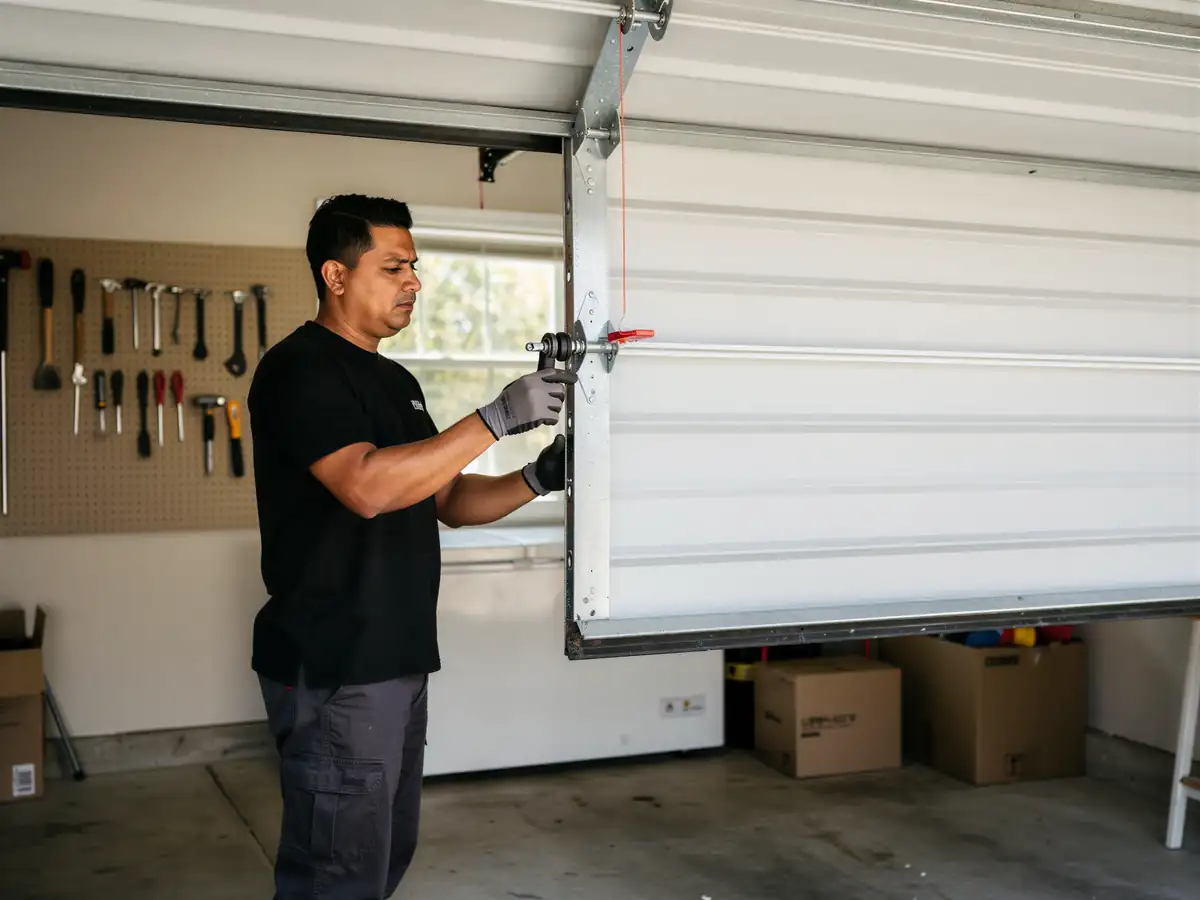
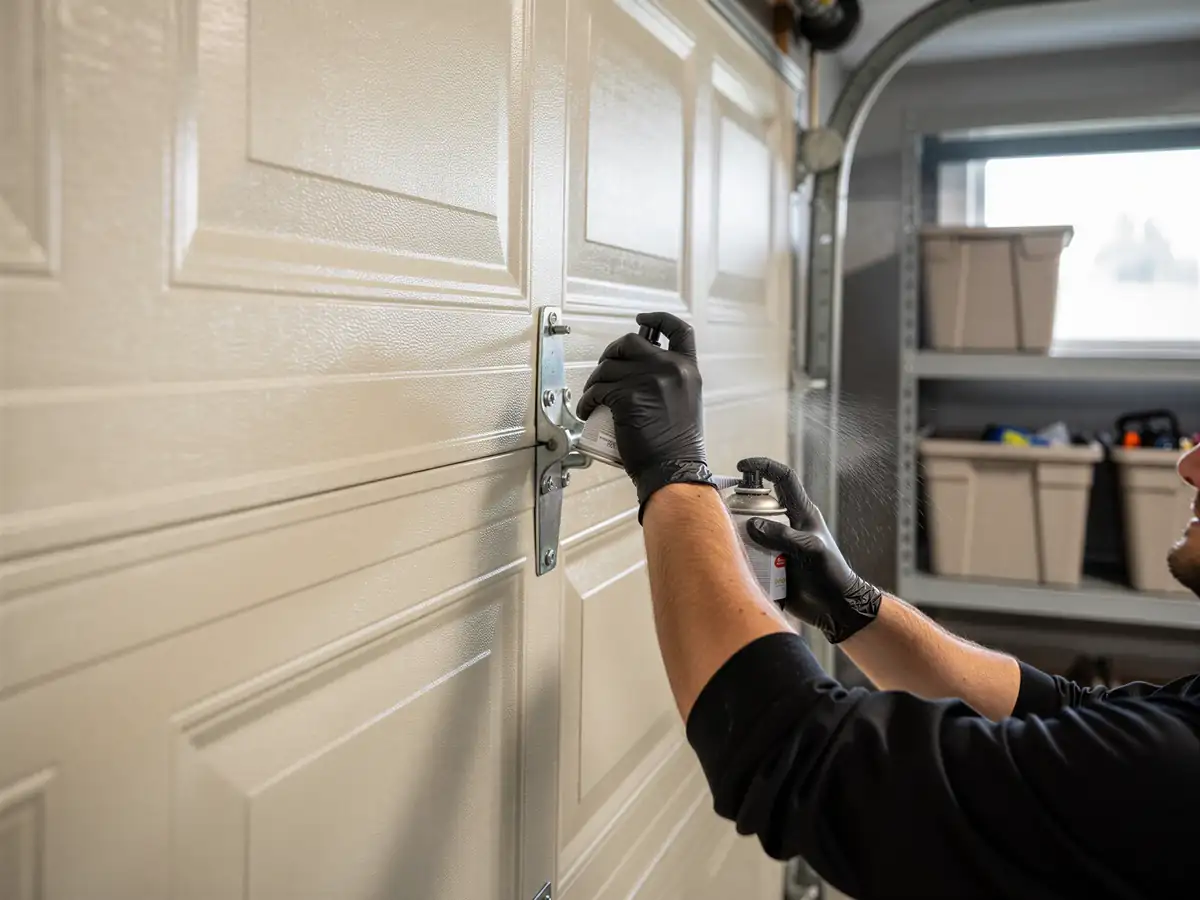
For a maintenance visit, that drive time is mostly irrelevant - it's a scheduled appointment, not an emergency call, and the work itself (lubrication, hardware inspection, balance check, opener adjustment) typically runs well under an hour once we're on site. Where the distance matters more is if that visit turns up a part that needs ordering - a specific spring size or an opener board for a motor this old isn't always sitting on the truck, and getting it means a second trip.
The way to minimize downtime on a door this age is the maintenance visit itself: catching a worn roller or a loose cable on a scheduled visit means it never becomes the 6 a.m. call where the door won't open at all.
How It Shows Up
On a Taylorsville house from the early 1980s, the first sign of trouble is usually noise before it's failure
A grinding roller, a popping sound as a weak spring compensates, or an opener that strains and slows partway through the cycle. Original hardware from that build era wasn't engineered quiet, but a change in its noise pattern over a few weeks is the door telling you something's wearing out.
Cold-severe winters push a second pattern
Doors that operate fine in summer start sticking or reversing partway up once temperatures drop, because stiffened grease and slightly shrunk cables change how the door balances. If you notice your door behaving differently only in winter, that's often original 1980s-era hardware reaching its limit under conditions it wasn't built to handle forty-plus years on.
Either pattern is worth a look before it becomes a stuck door
See our Taylorsville garage door repair page if the door's already stuck, or the West Jordan maintenance page for the full service rundown we offer across the area.