How That Shows Up in the Door
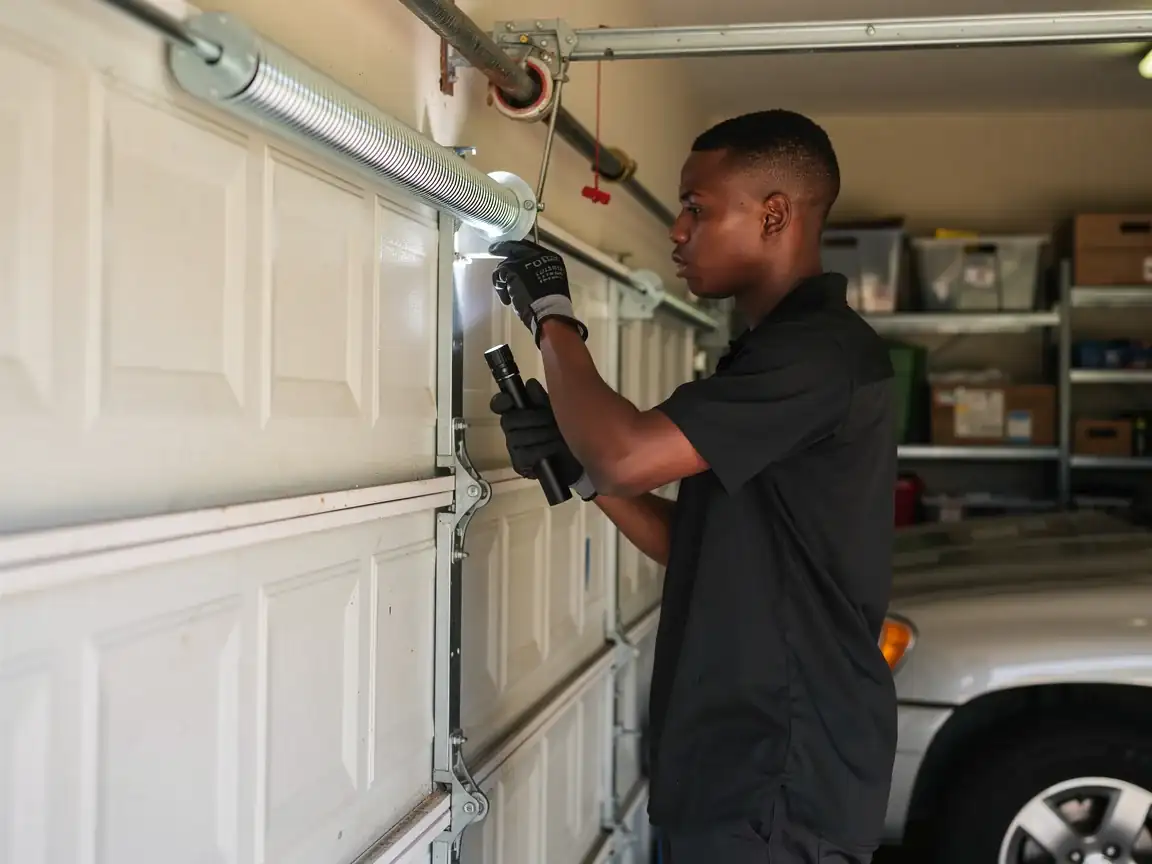
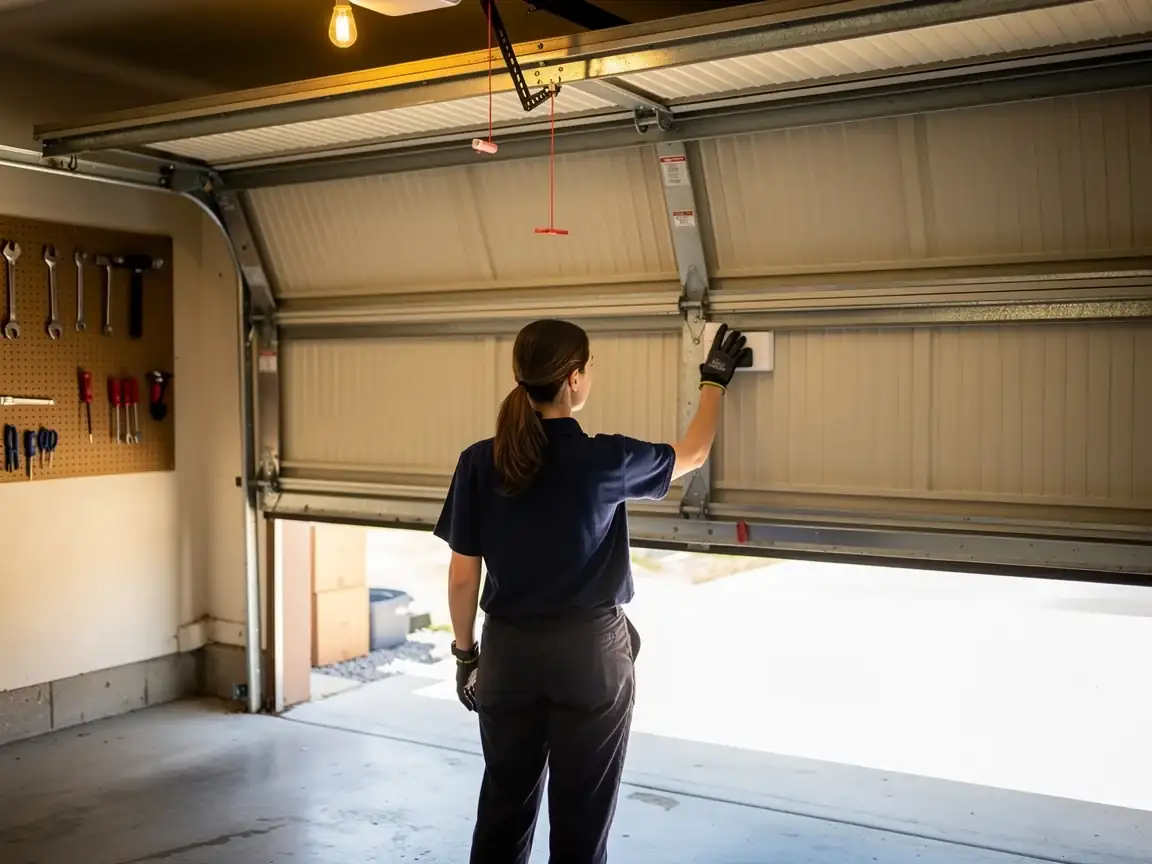
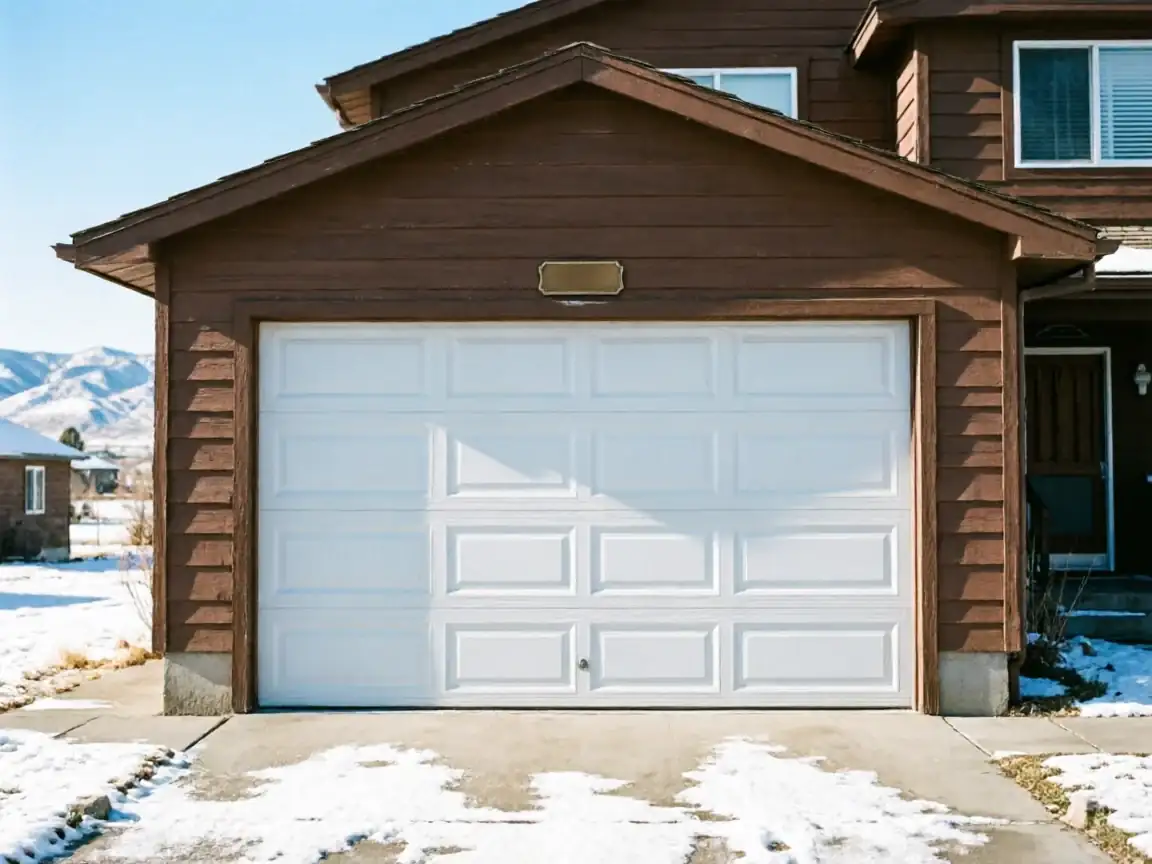
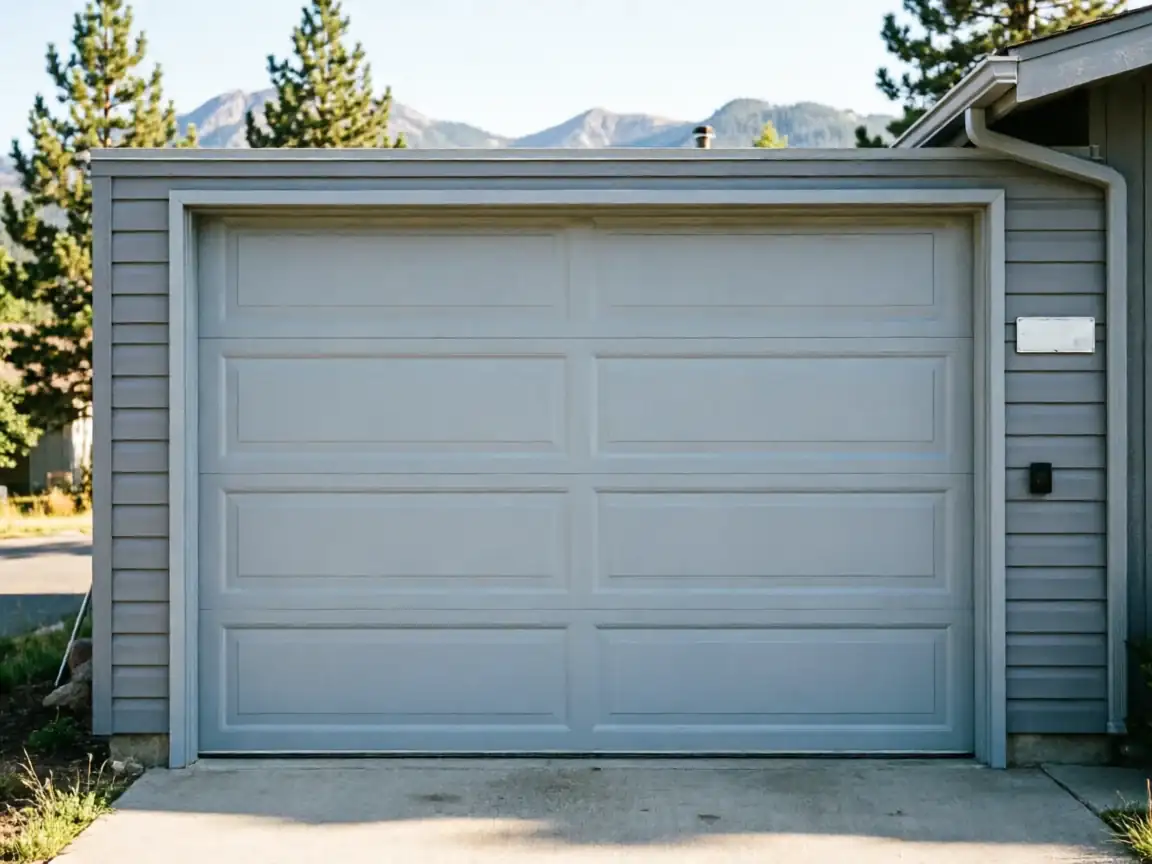
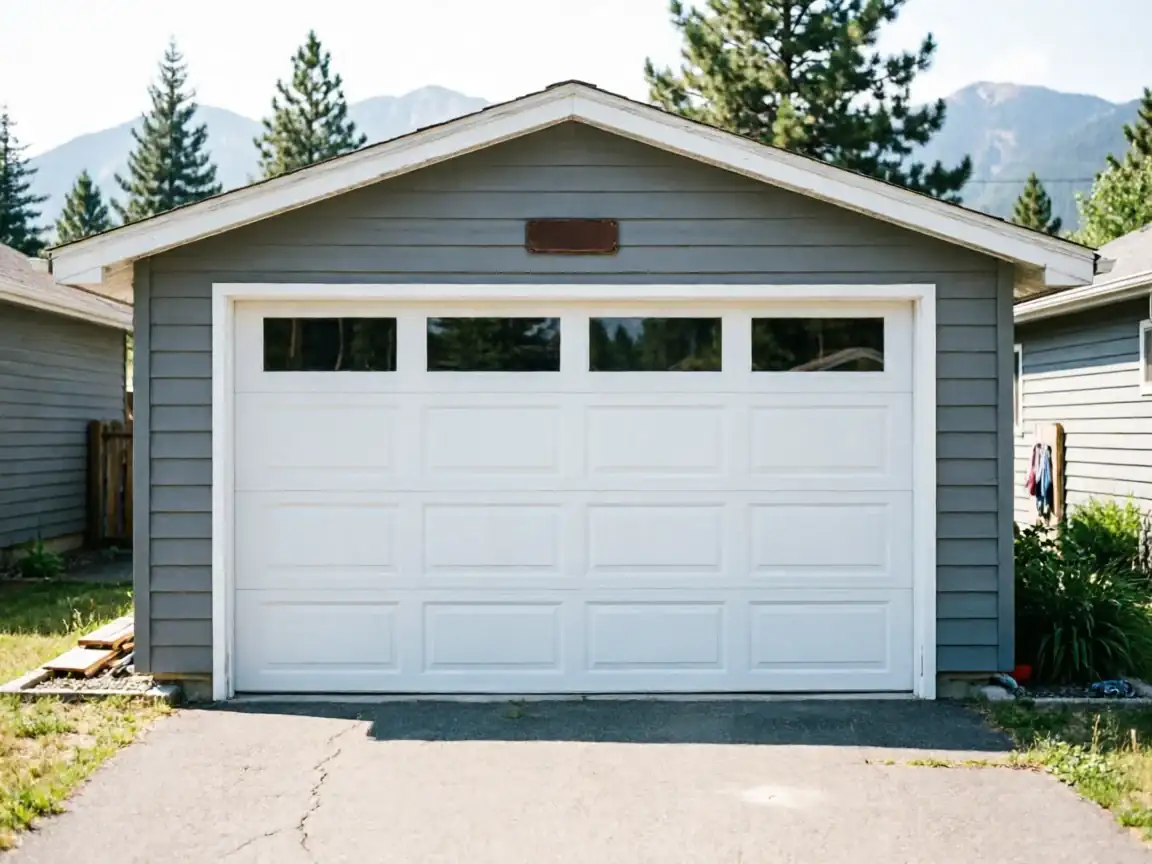
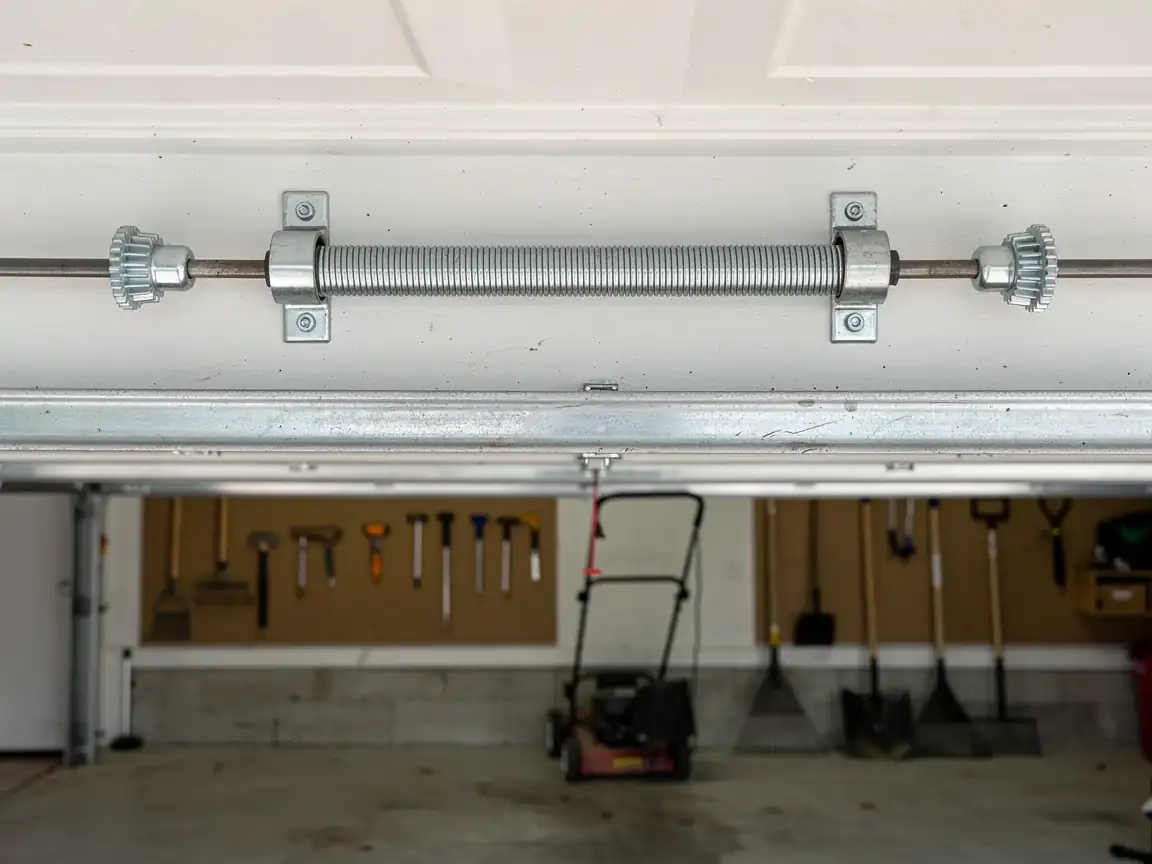
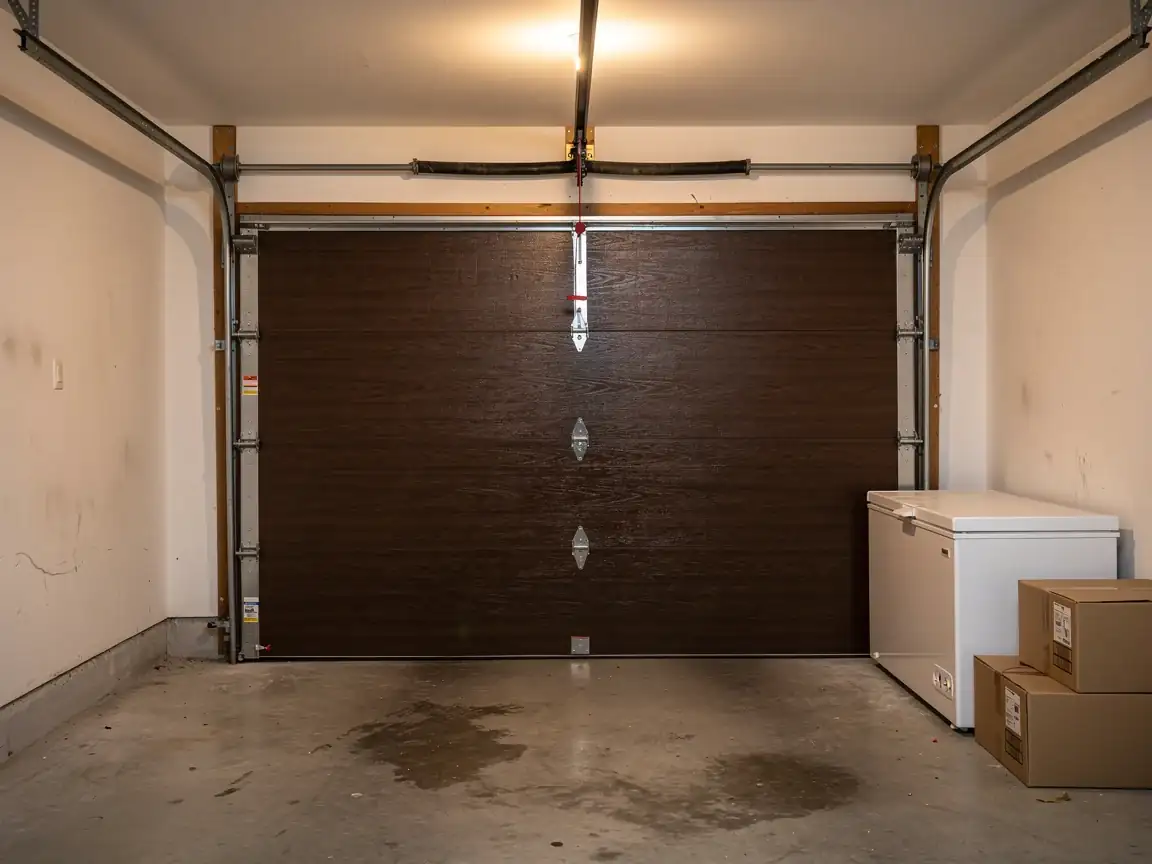
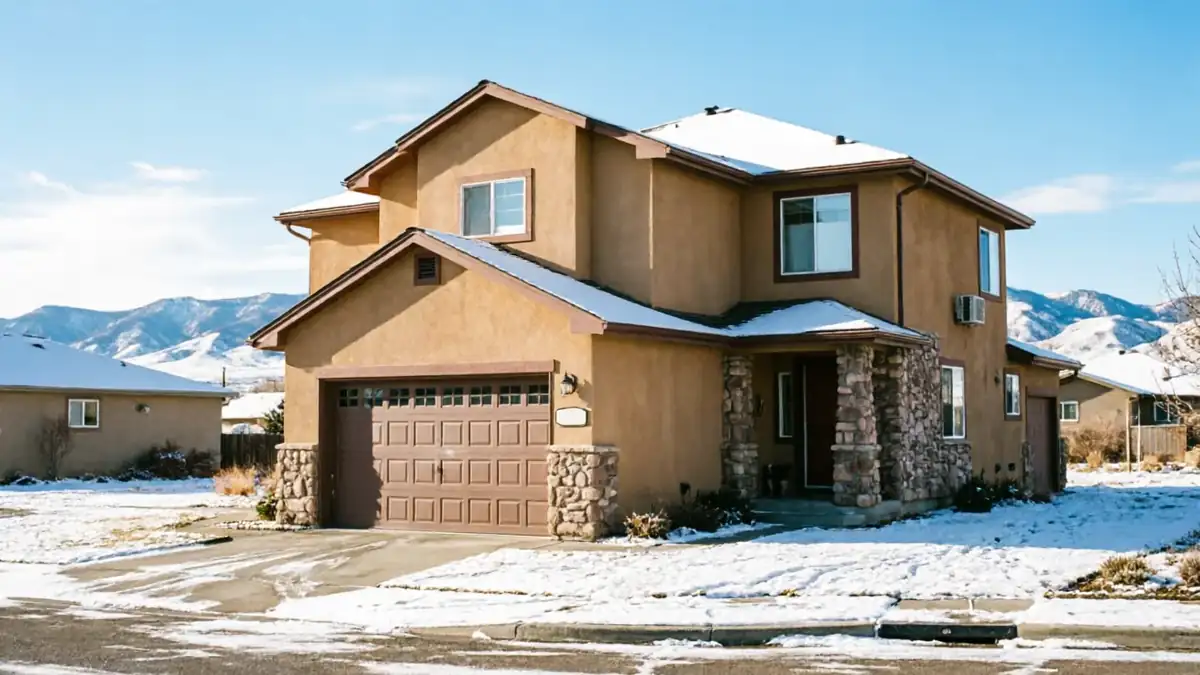
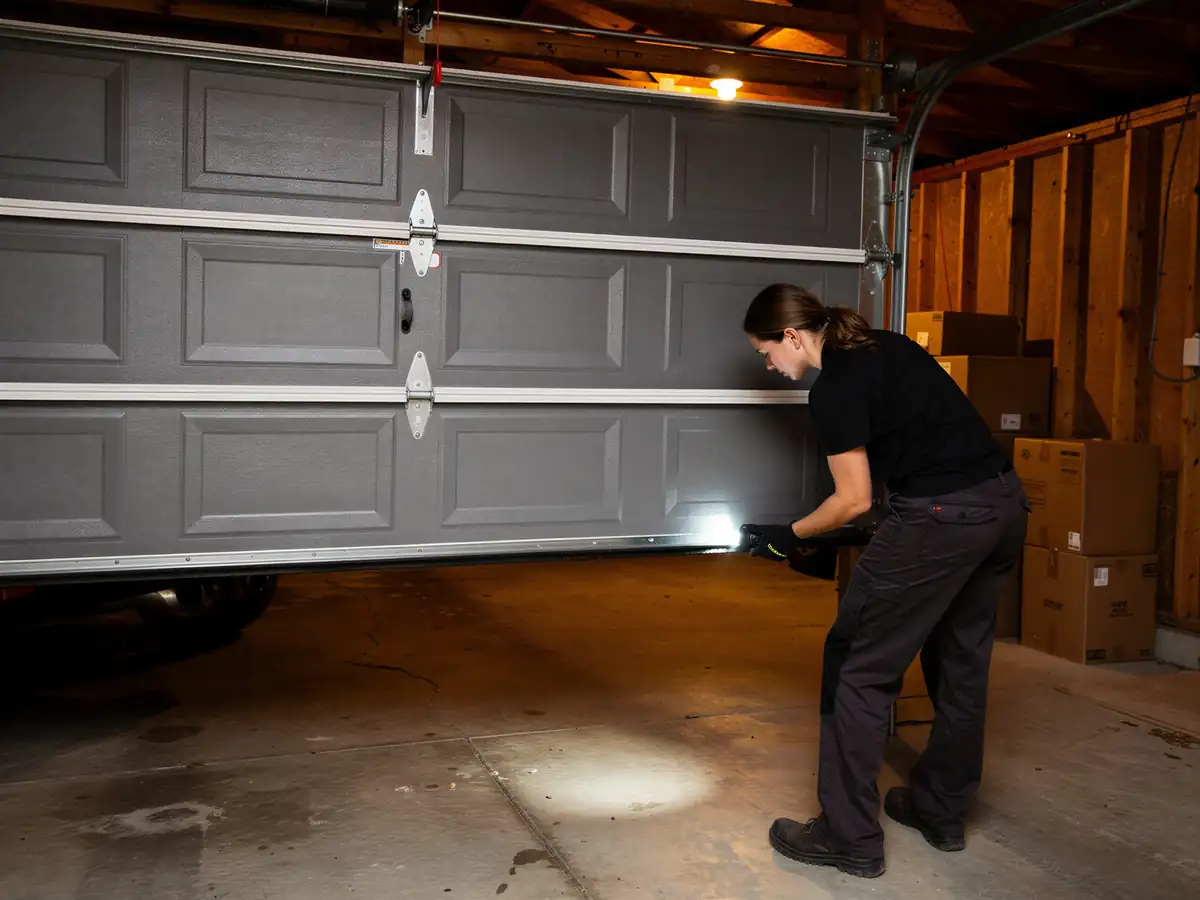
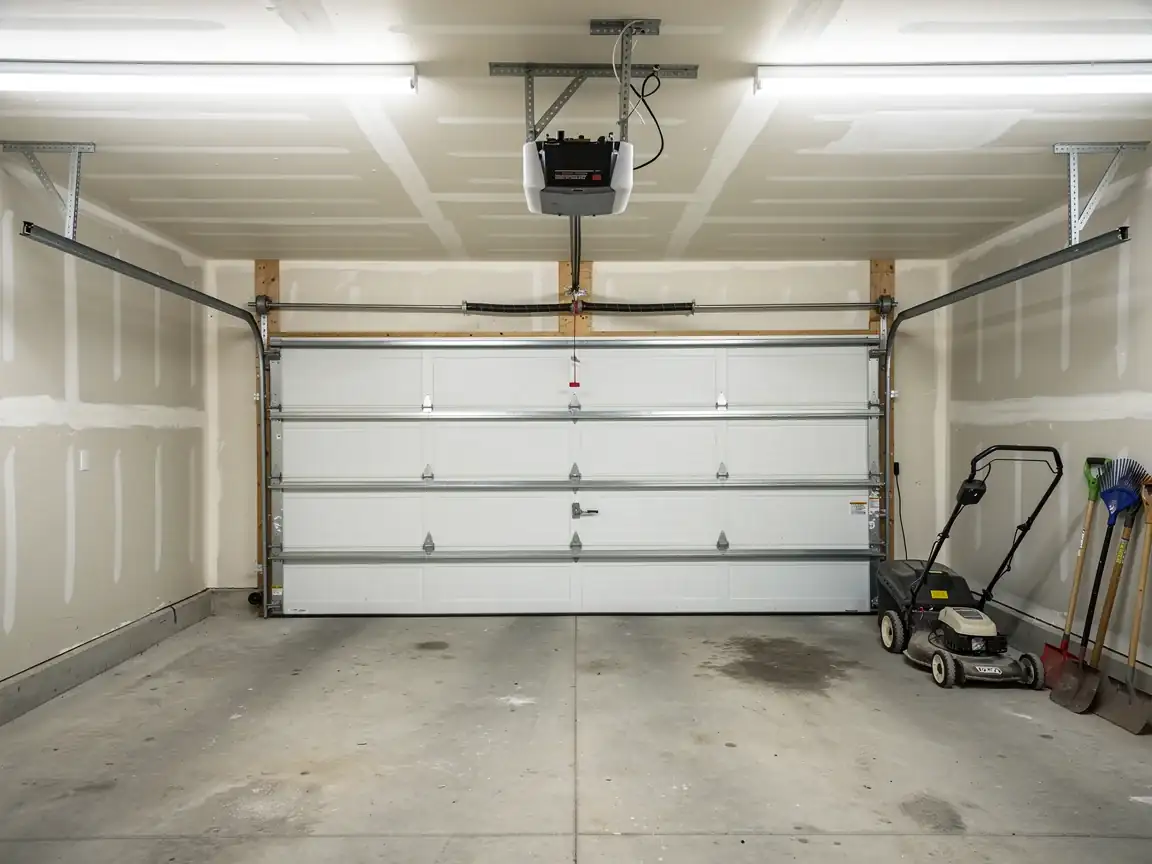
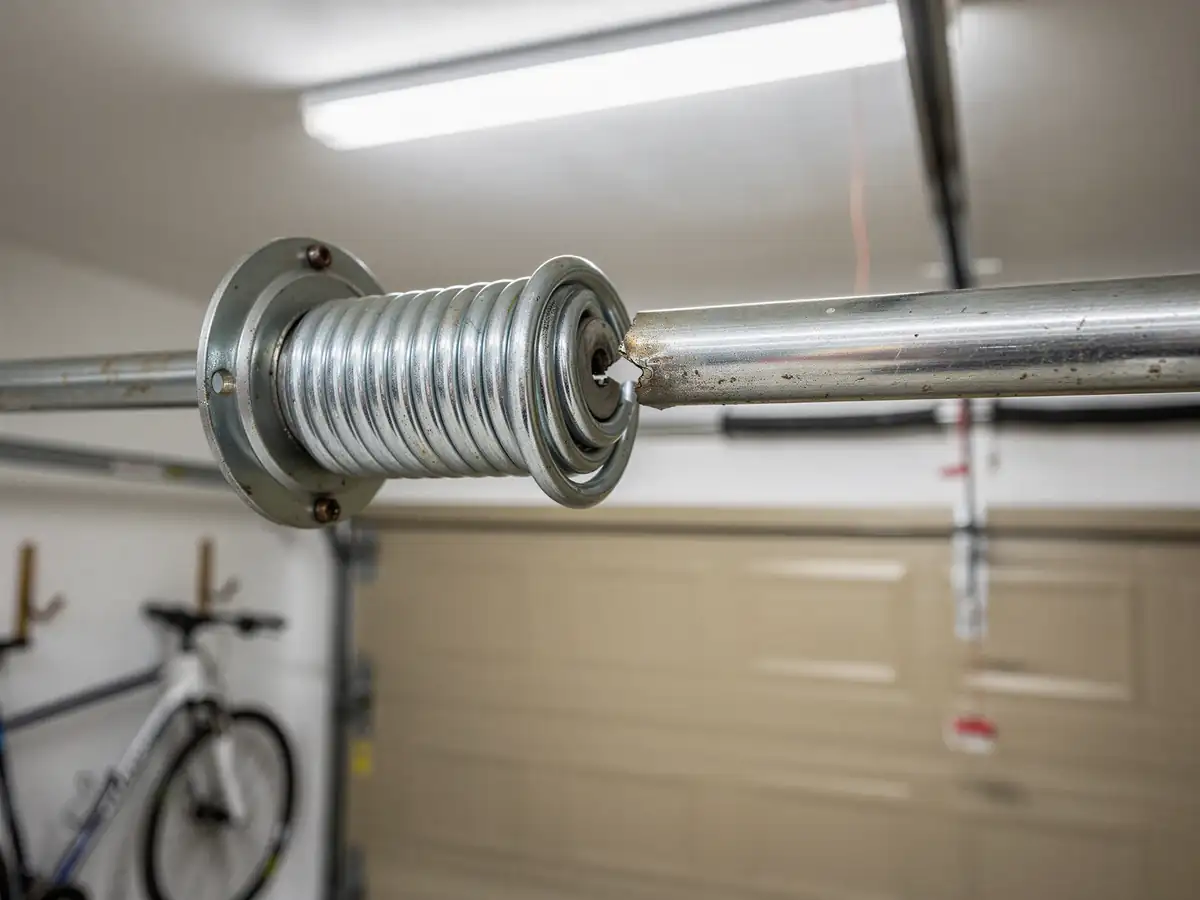
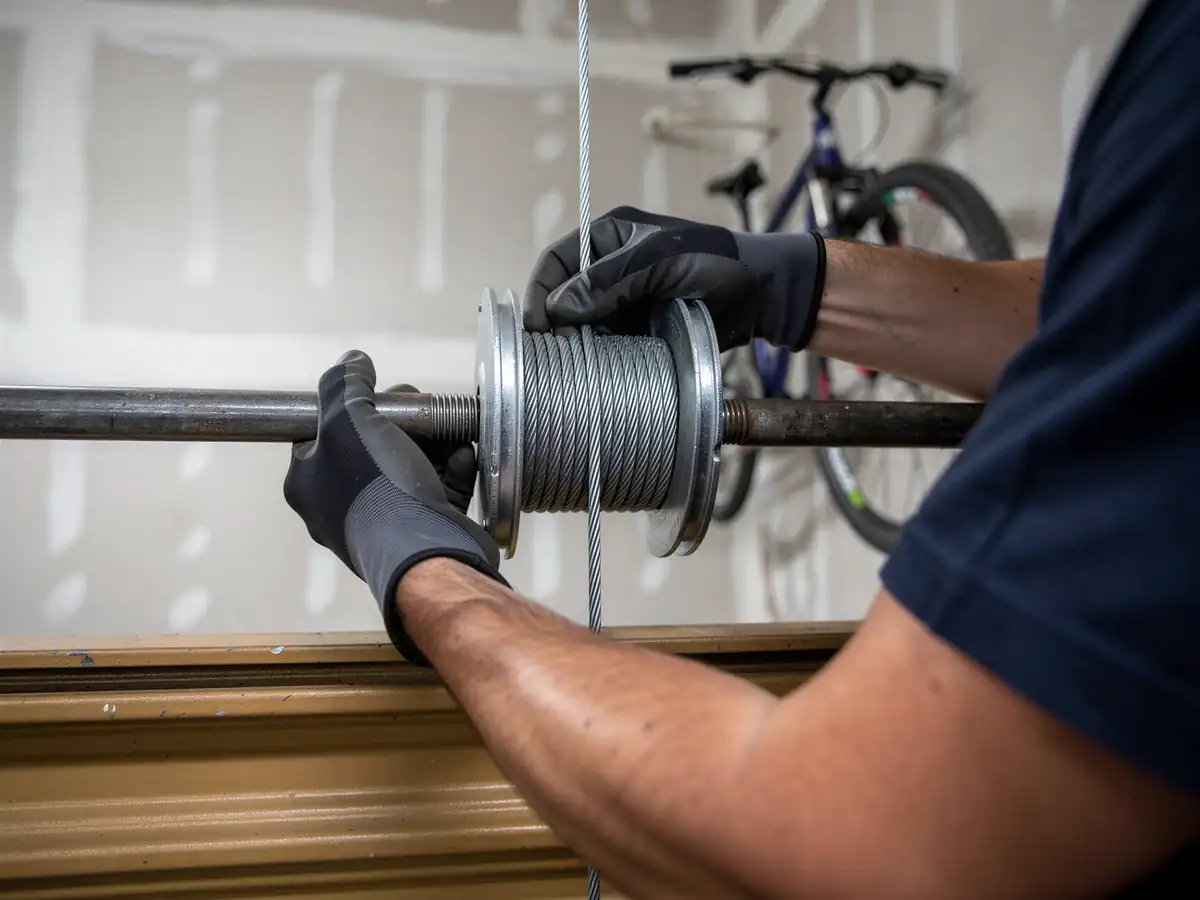
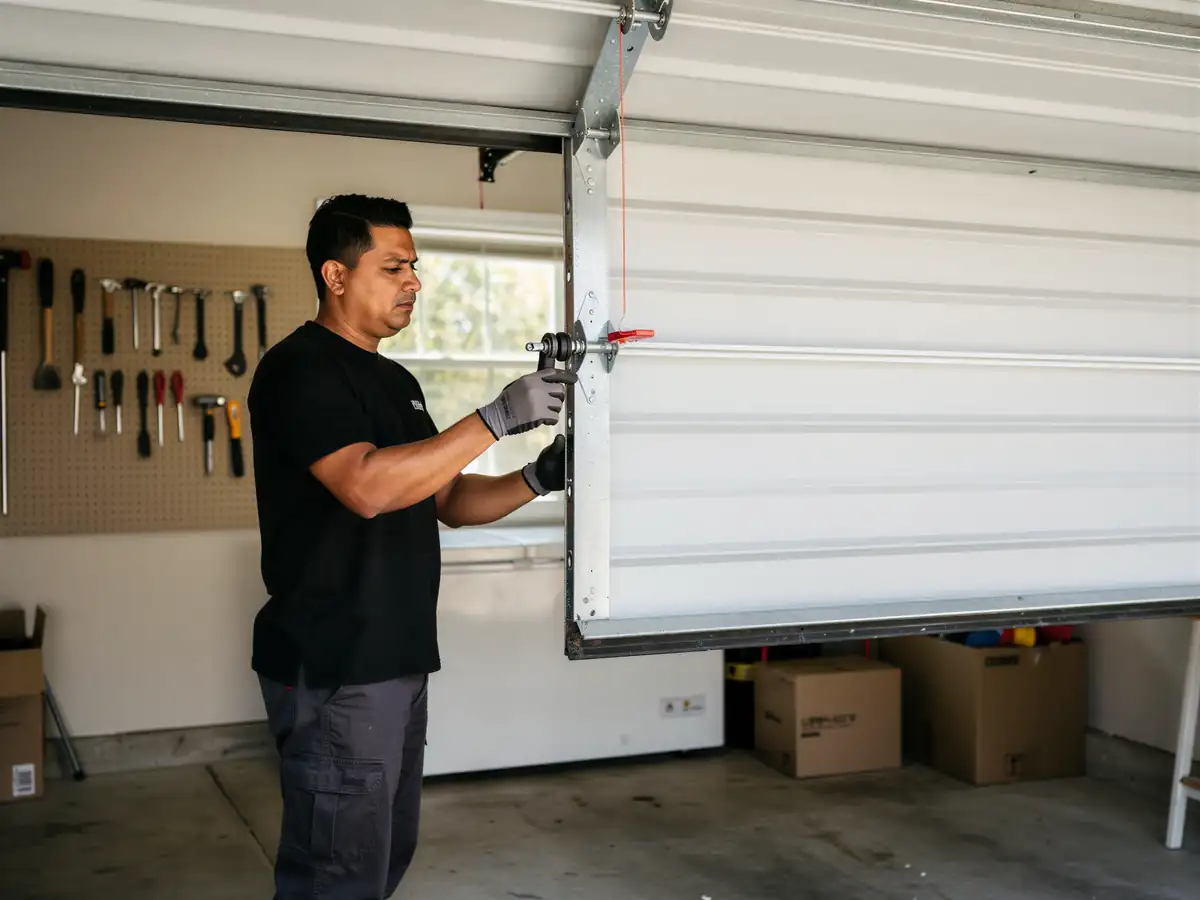
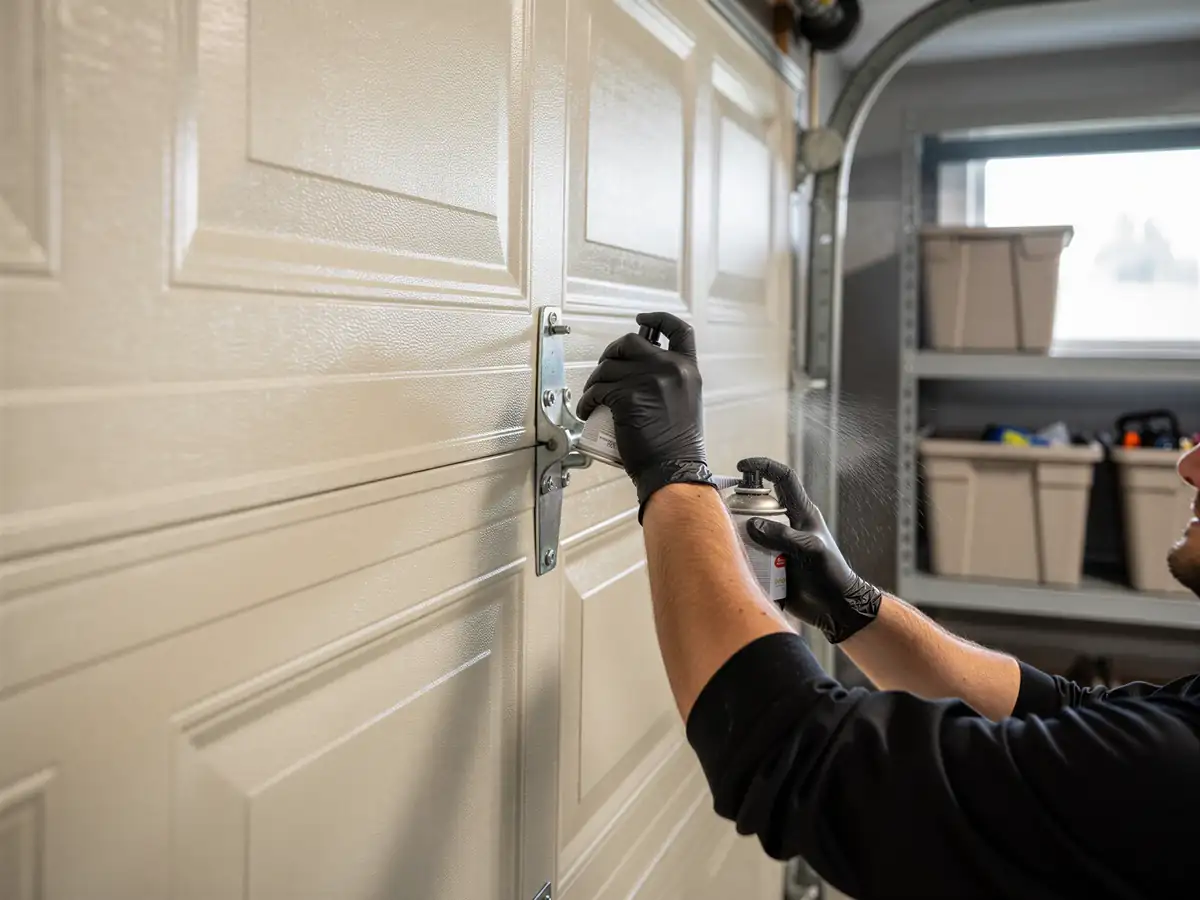
On a 1978-era door, the first symptom is usually noise, not failure - a grinding or a bang on the way up that means a roller is riding a worn track groove instead of rolling in it. The second is an opener that runs but the door doesn't move with it, which on these houses is almost always a slipped or snapped extension spring, since a lot of this vintage still runs extension rather than torsion. Cold matters here too. This area sits in a severe cold climate band, and steel contracts enough in January that a spring already fatigued from forty-plus years of cycles will finally let go on a single-digit morning, not a mild one. If your door has felt fine all fall and quits the first hard freeze, that's not bad luck, that's the age of the hardware meeting the temperature it was never going to outlast forever.
This Area's Housing
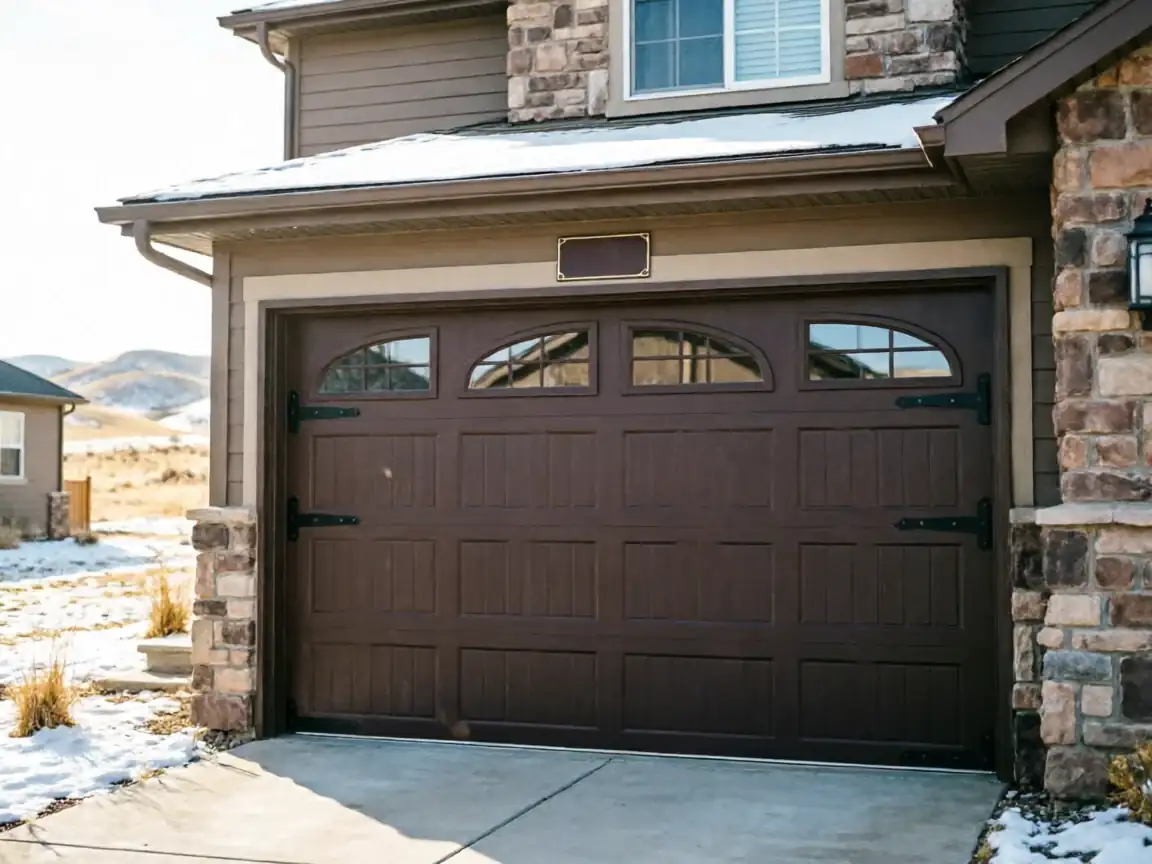
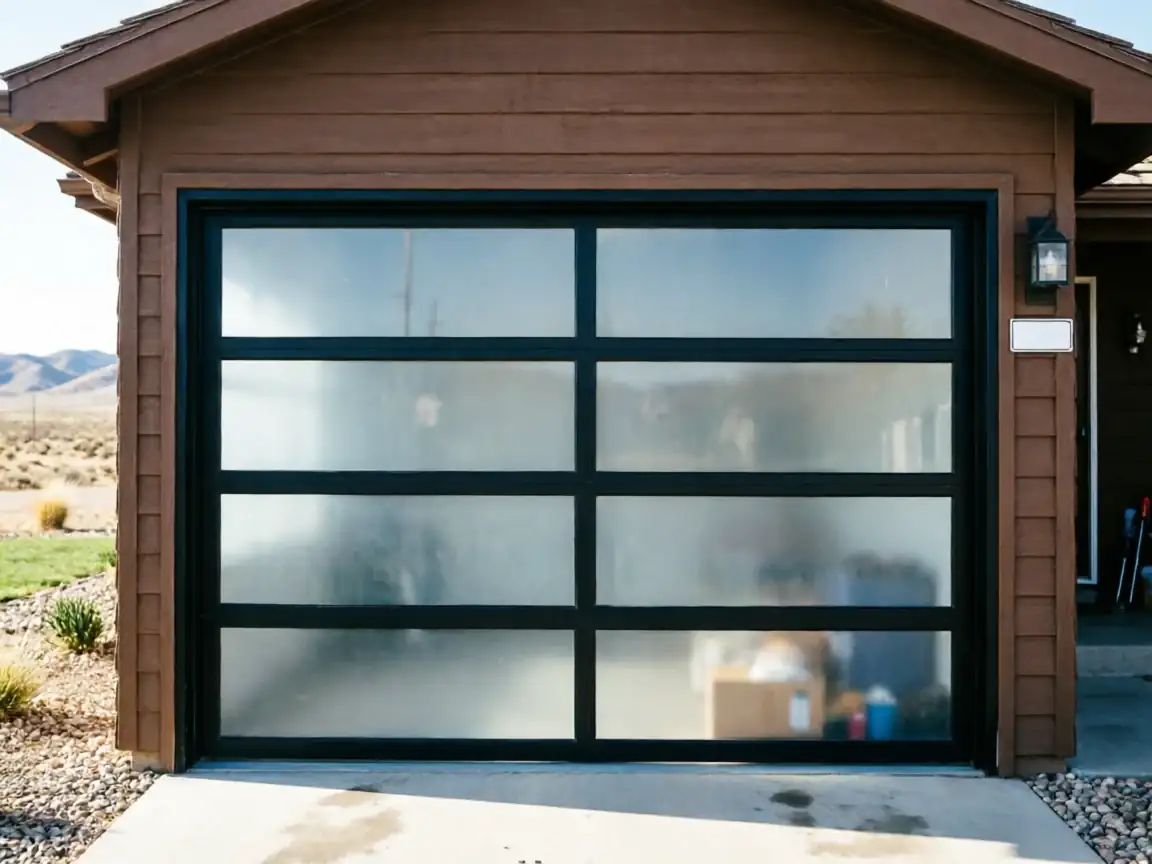
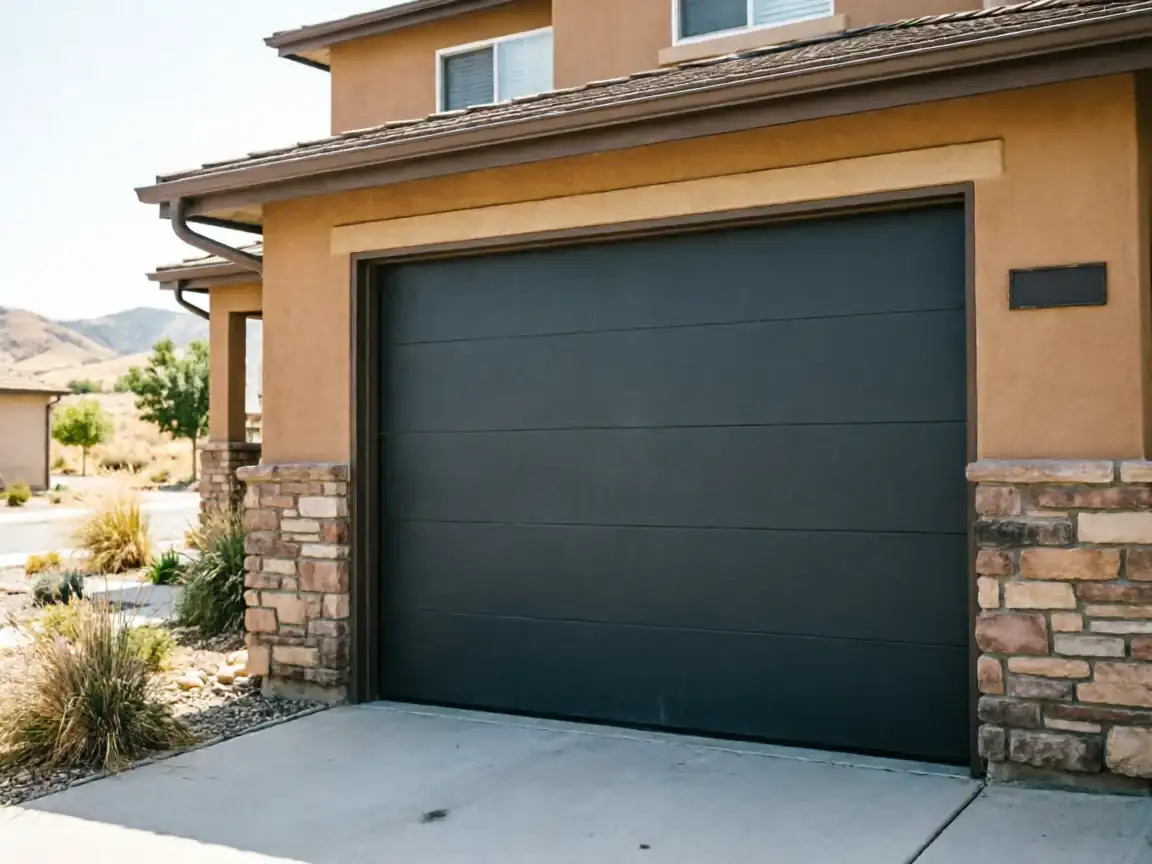
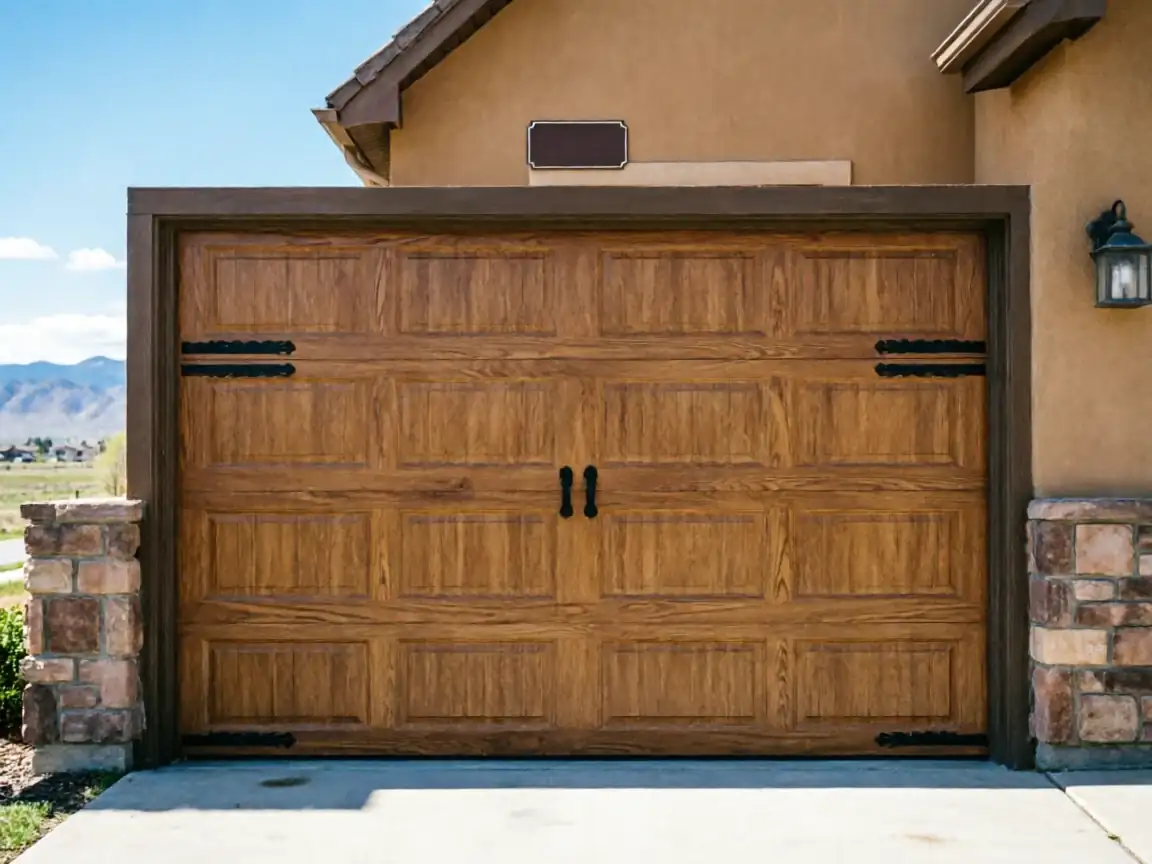
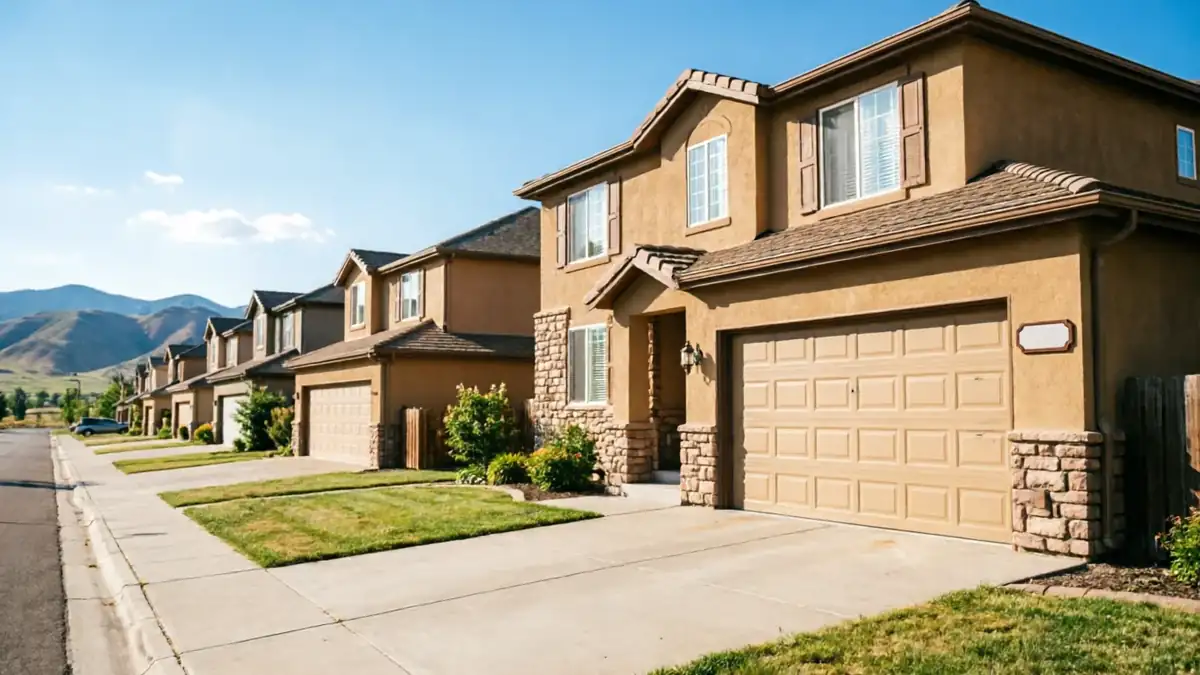
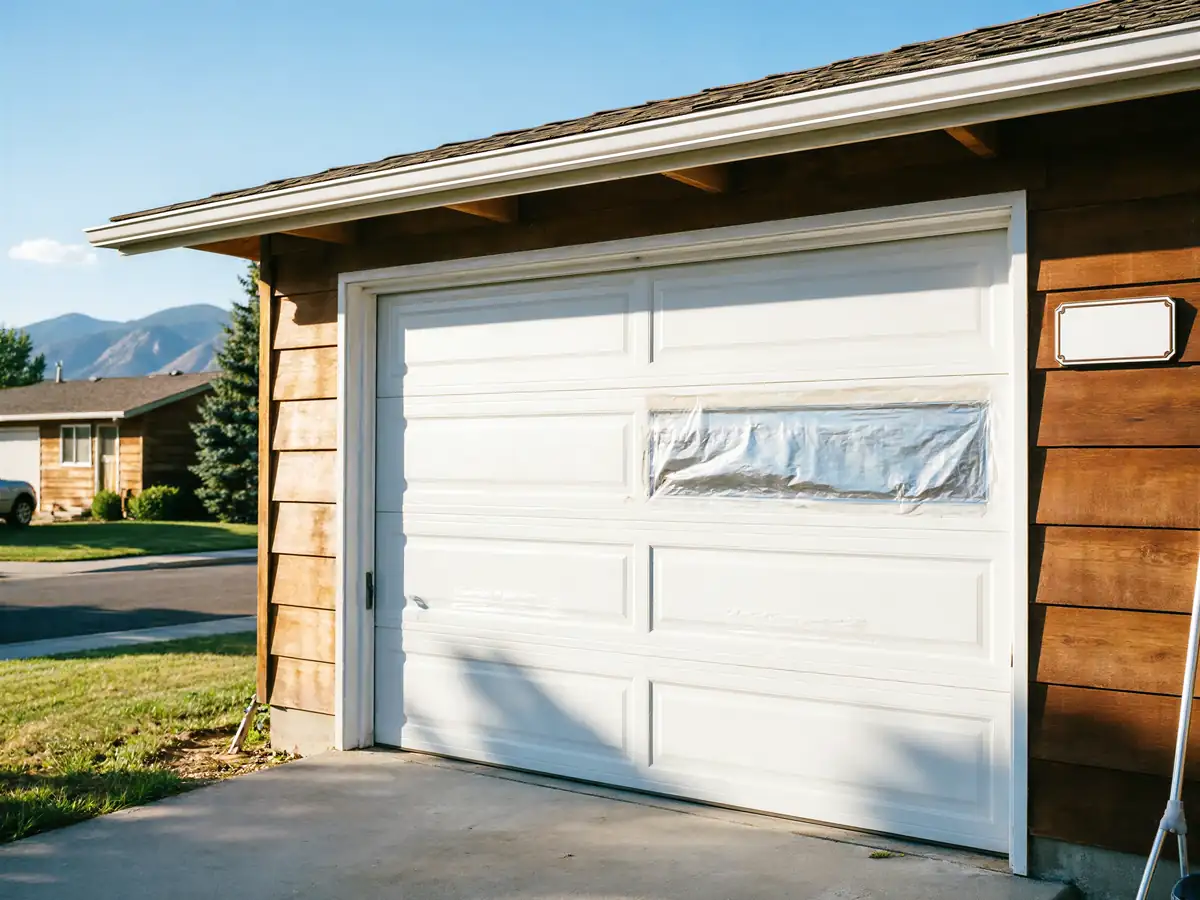
Murray runs about 20,401 households with a median income near $87,864, which is below the wider service area's $115,335 - a difference that shows up in how doors here get fixed rather than replaced outright. A lot of these homes never got the full steel-door, insulated-panel upgrade that newer construction ships with standard. That's fine; a well-maintained 1978 door with the right spring tension and a track alignment done properly can run another decade without needing a full swap. We'd rather tell you that than sell you a new door you don't need. Where we do push for replacement is when the door itself is wood-panel and has started to sag or delaminate - at that point the hardware isn't the problem anymore, and no amount of spring or track work fixes a door that's lost its square.