How It Shows Up
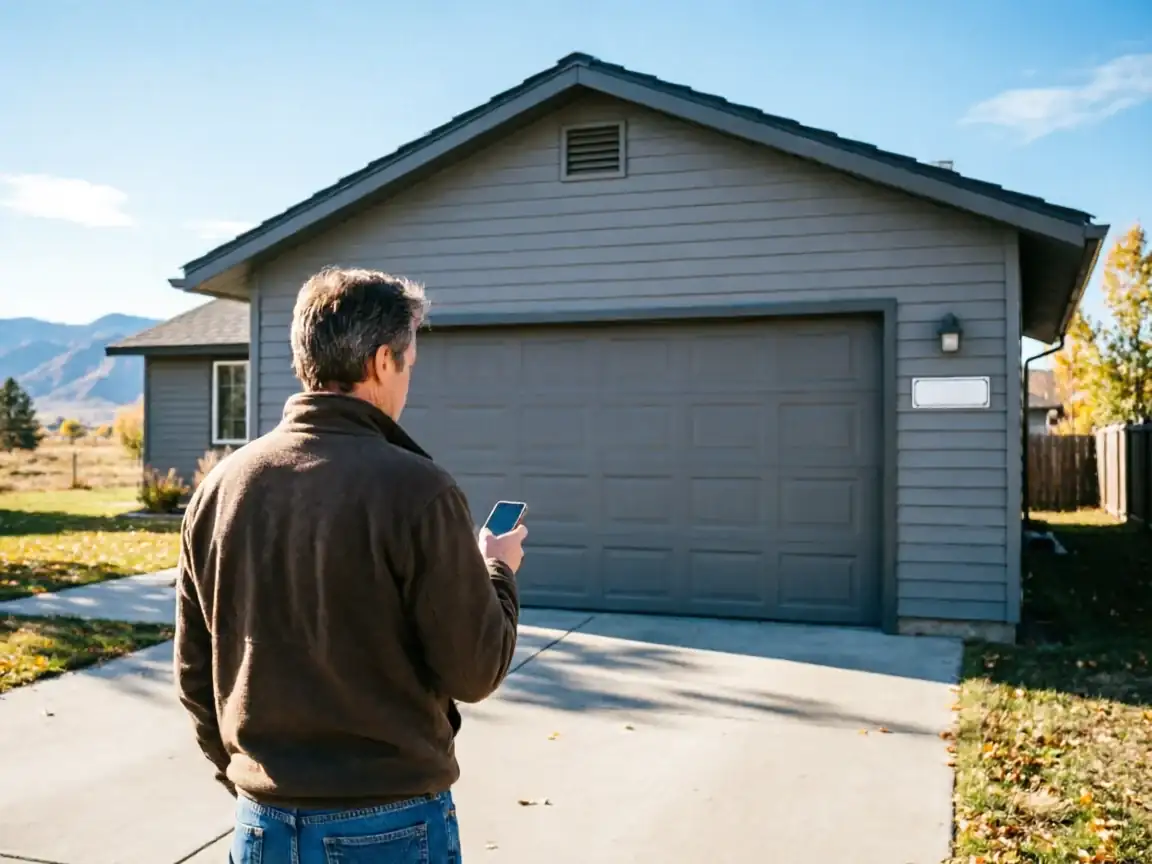
The call usually starts the same way: the door won't go up, or it goes up six inches and stops
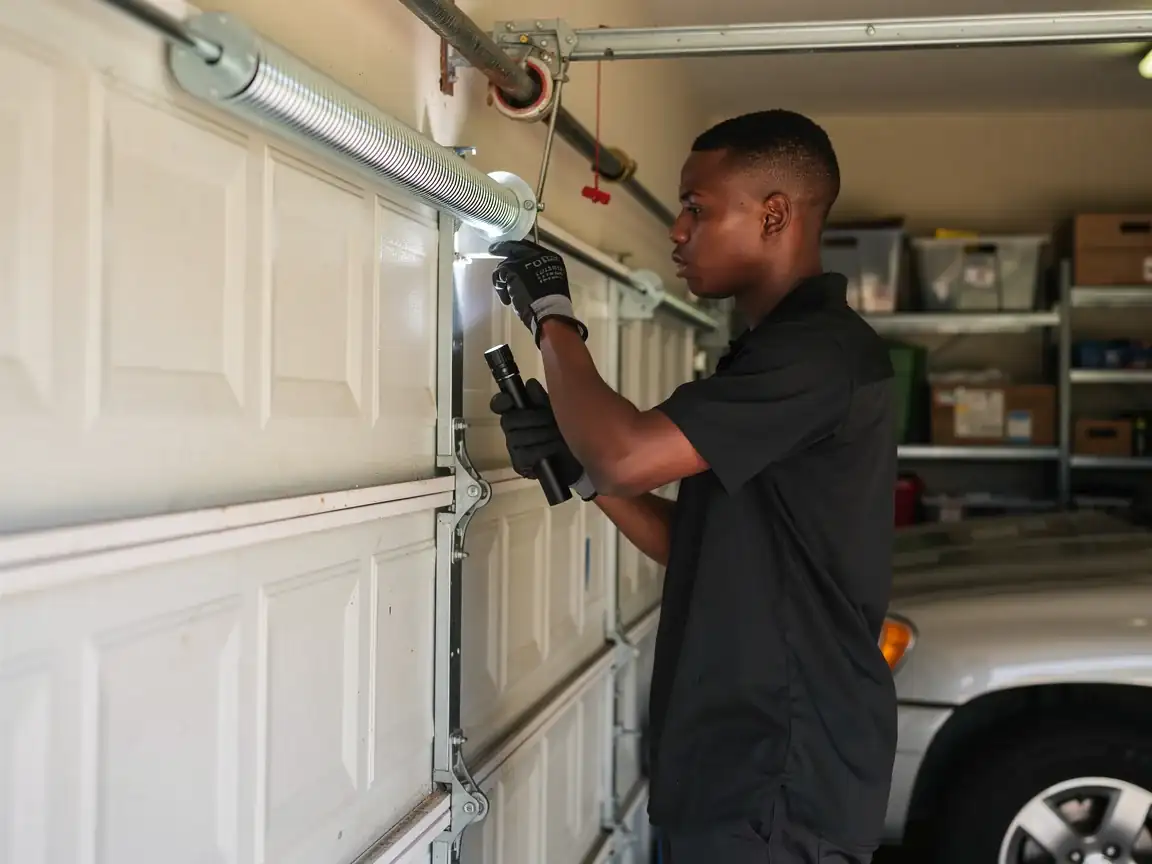
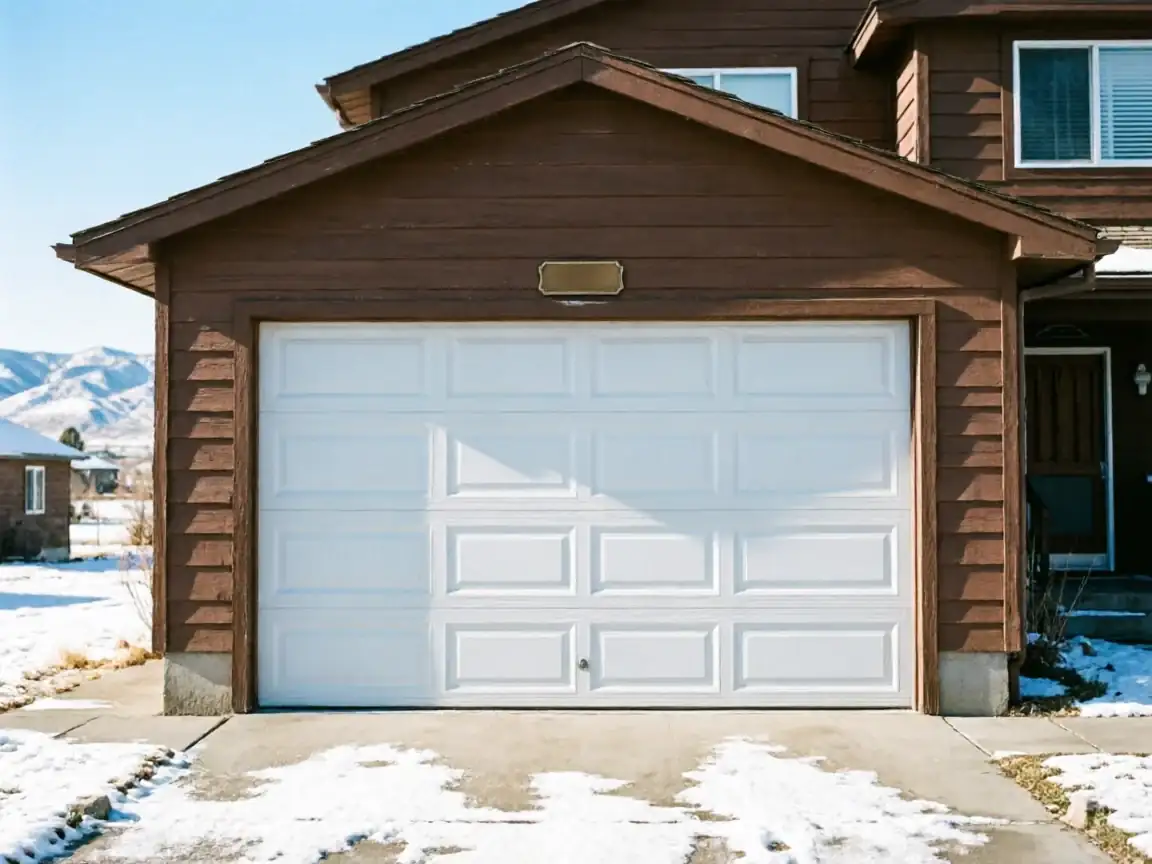
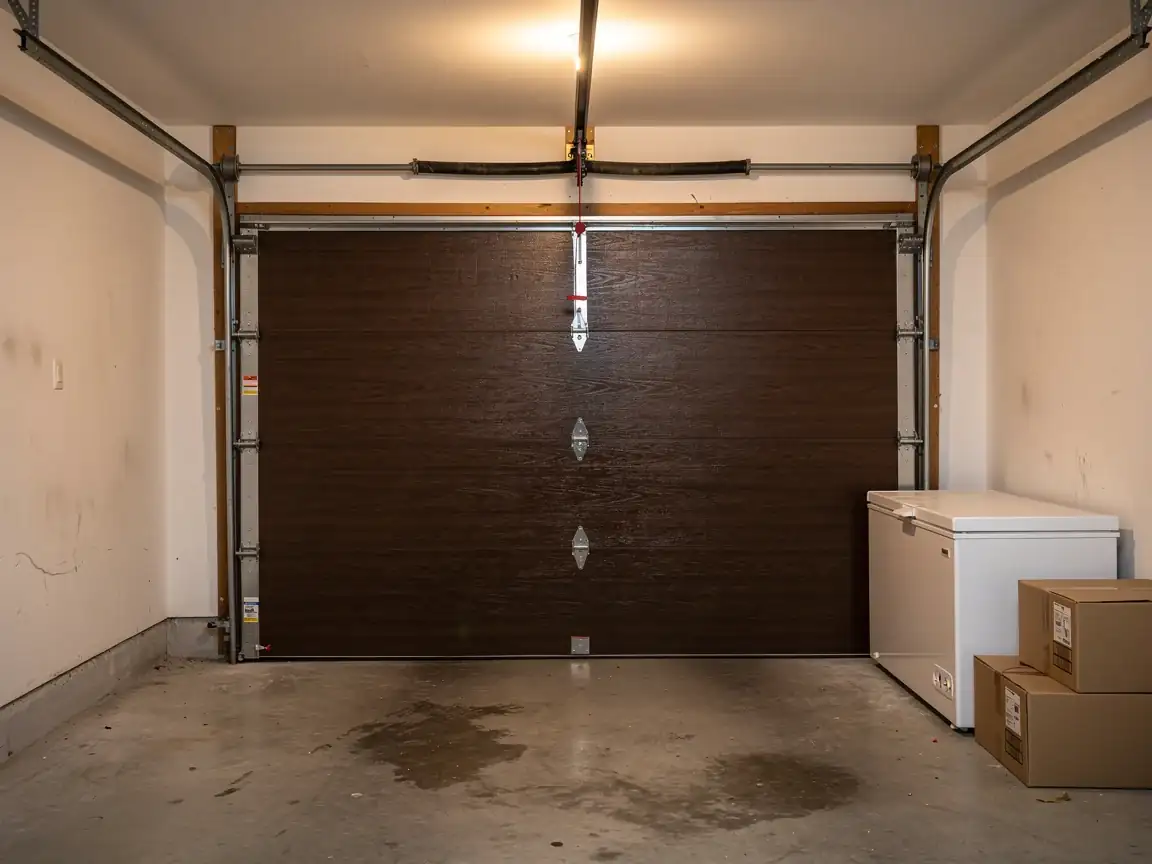
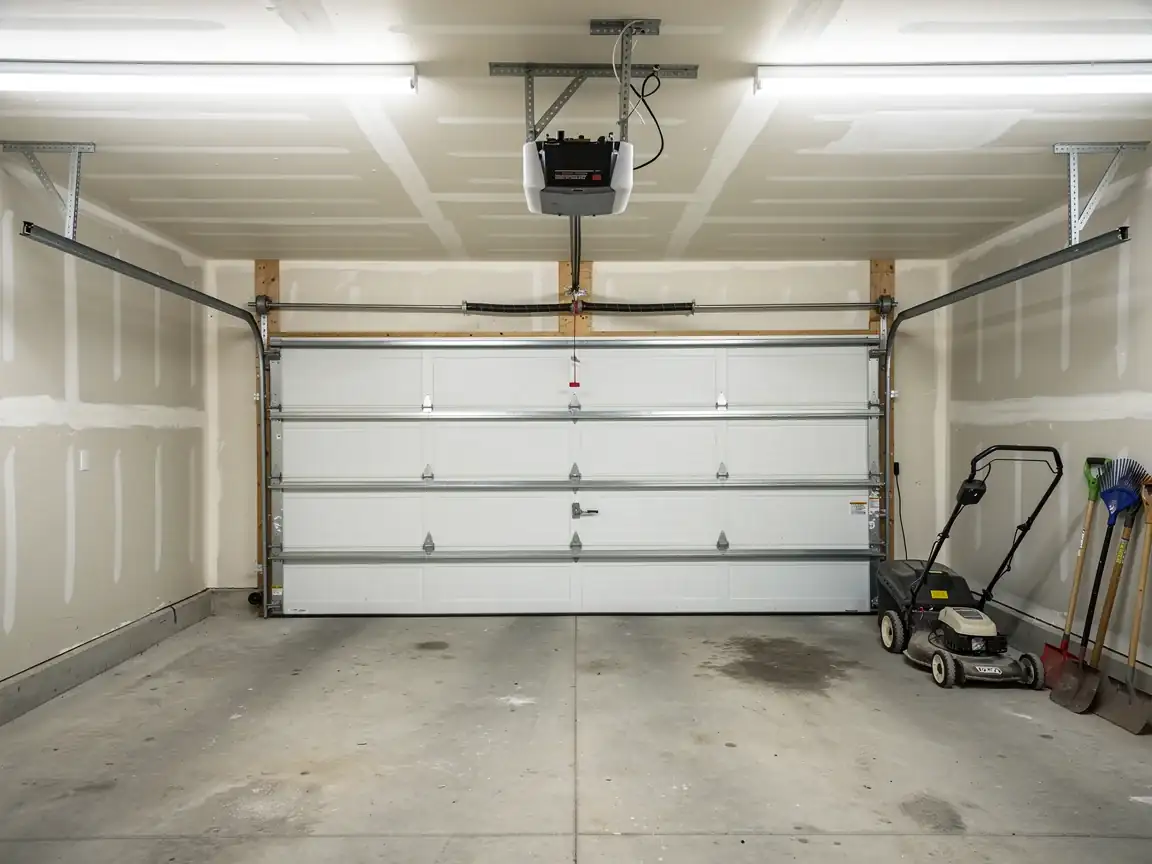
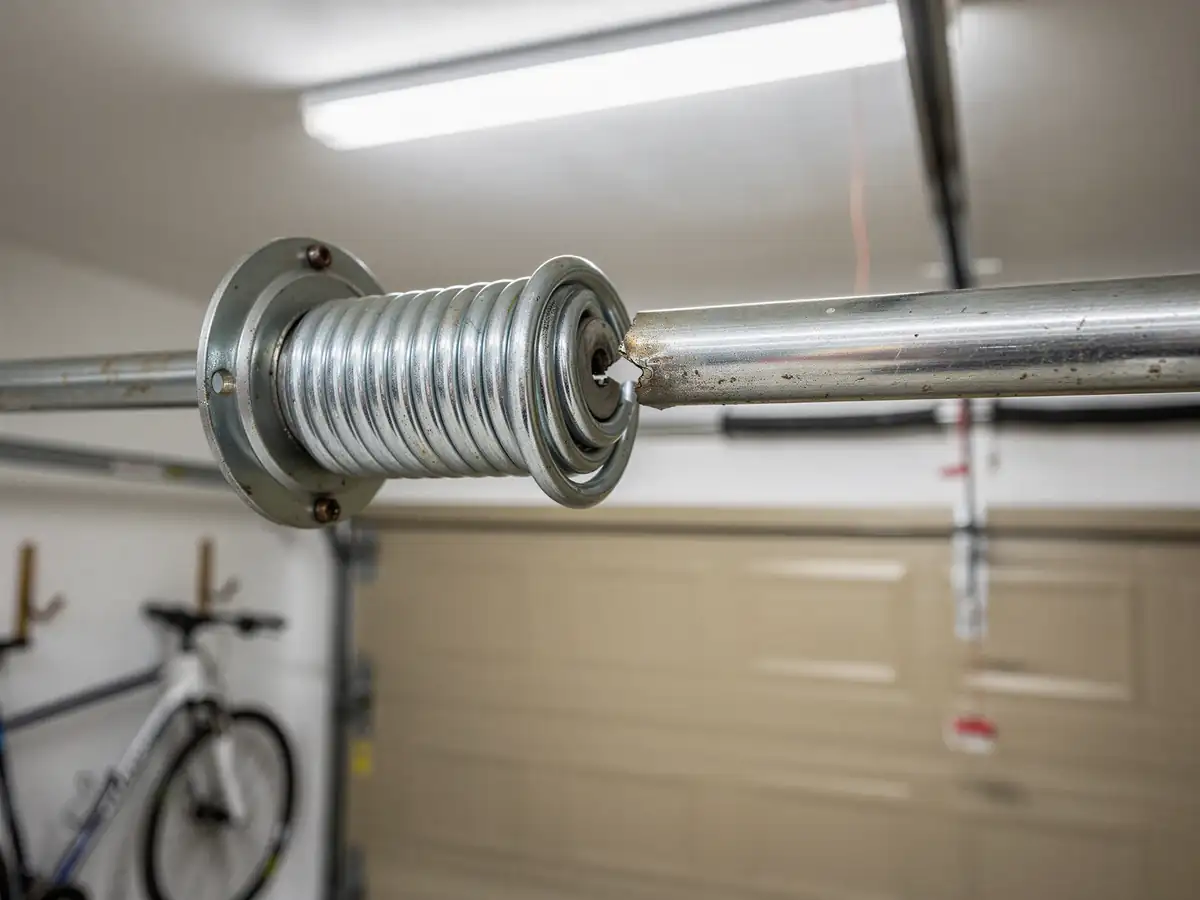
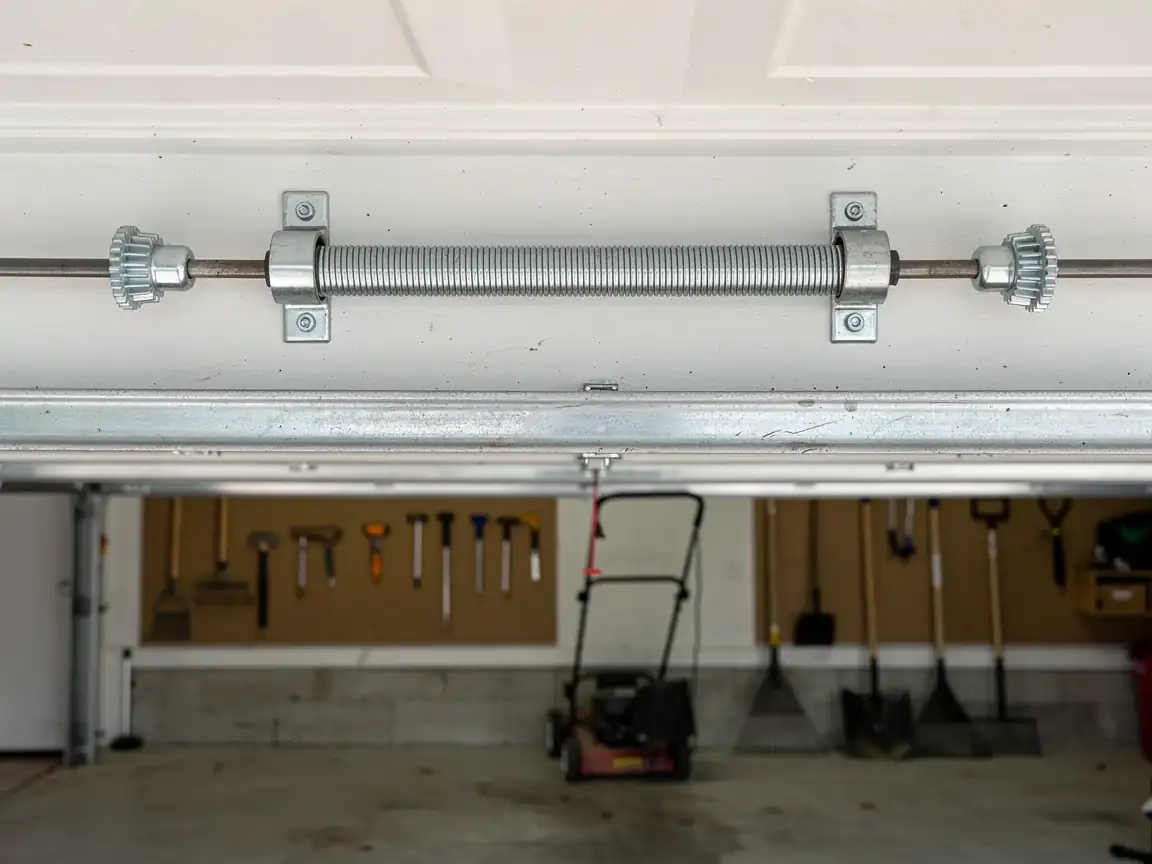
Sometimes there's a loud bang from the garage the night before, which is a torsion spring letting go. On a house built in the 1980s or 90s - which covers most of West Jordan's housing stock - that spring has been cycling for two to four decades. Steel fatigues. It doesn't give warning, it just snaps, usually on a cold morning when the metal is stiffest and the lift load is highest.
Other times it's slower
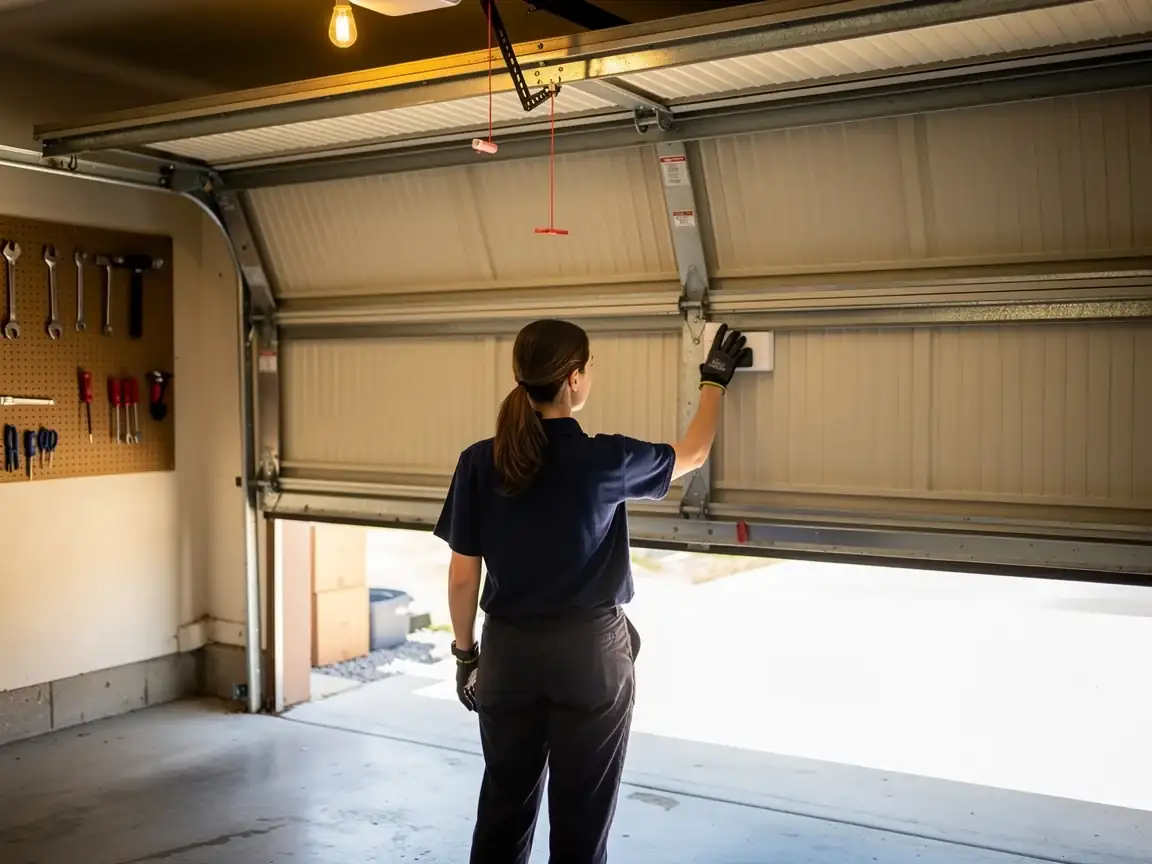
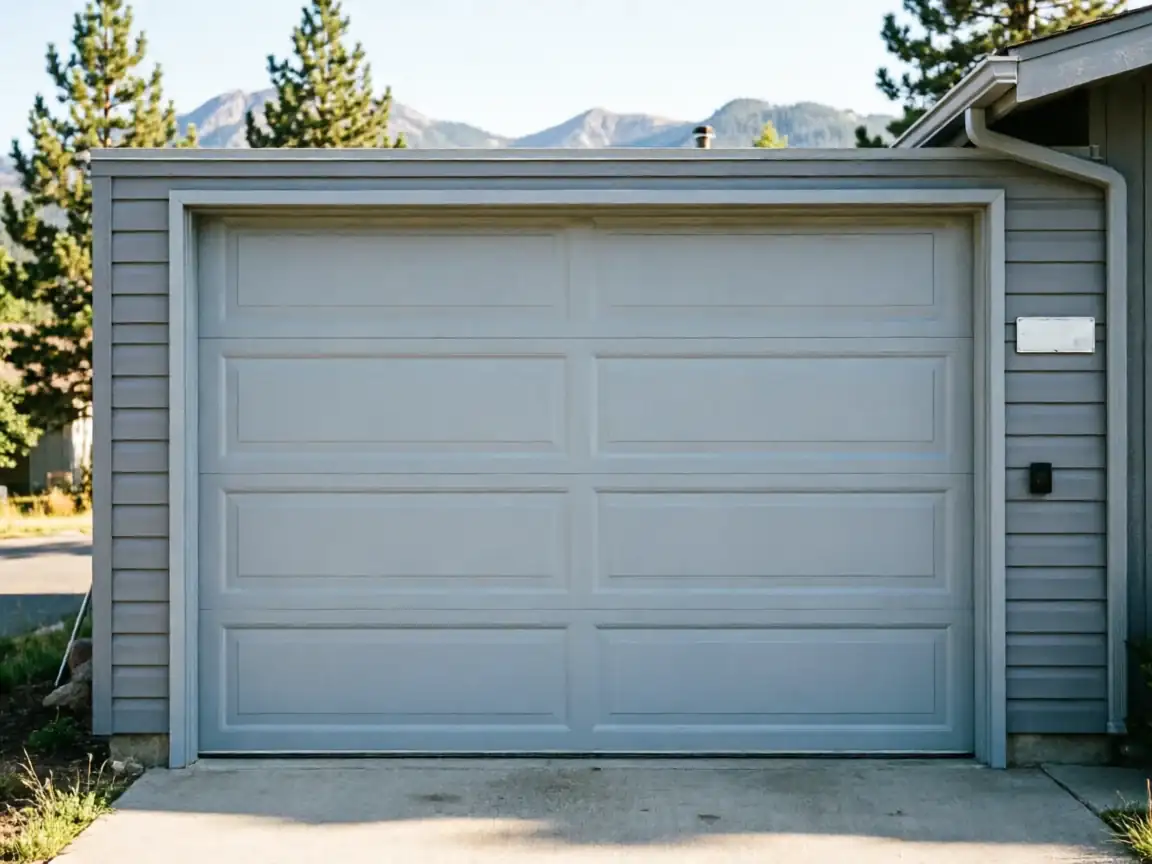
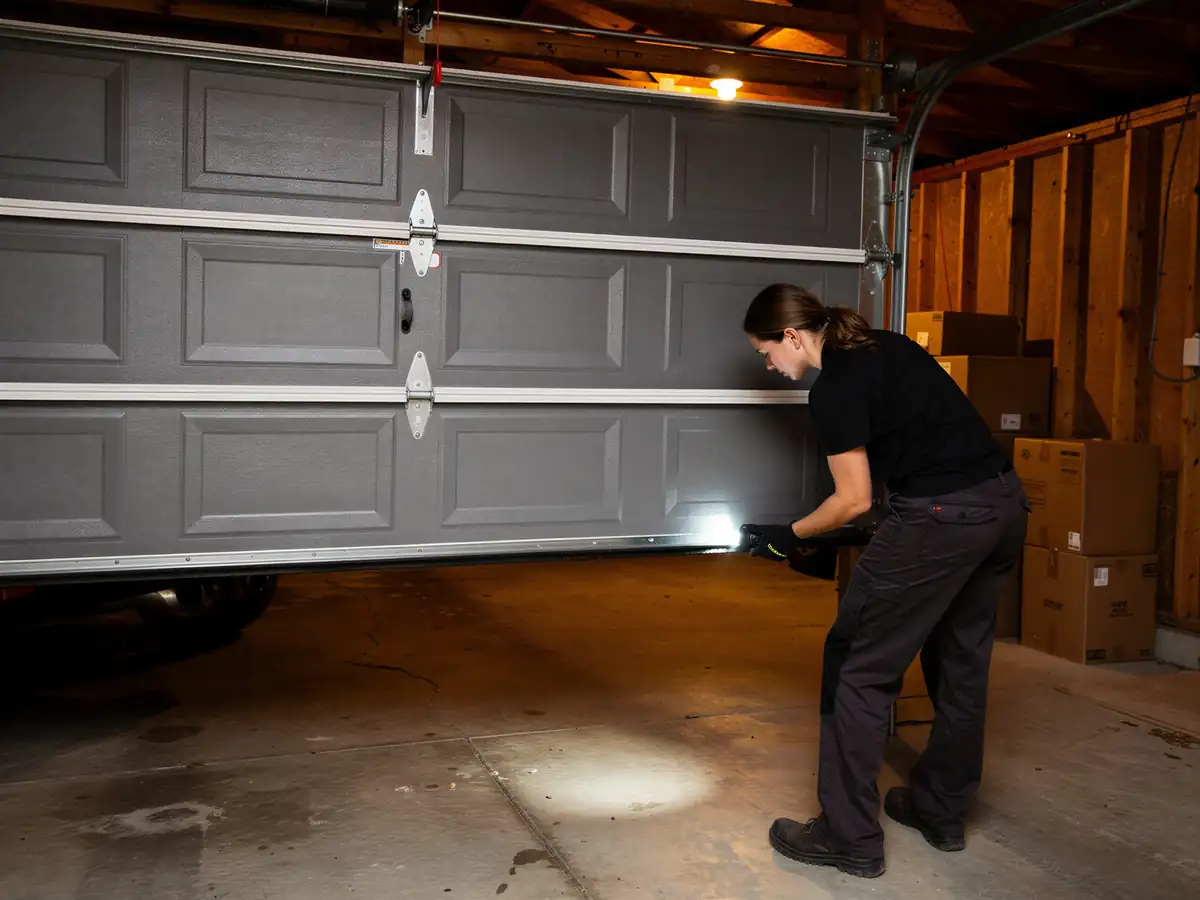
A door that's gotten heavy to lift by hand, rollers that grind instead of roll, or an opener that strains and reverses itself halfway up. On the 1970s-era builds mixed into the same neighborhoods, you'll sometimes find the original hardware still in place - one-piece doors, older track styles, hinges that have never been swapped. That's not a design flaw, it's just old steel doing old-steel things.
Whichever way it shows up, the pattern in West Jordan is consistent
It's age plus cold, not misuse. We see it on well-kept garages as often as neglected ones.
How to Book
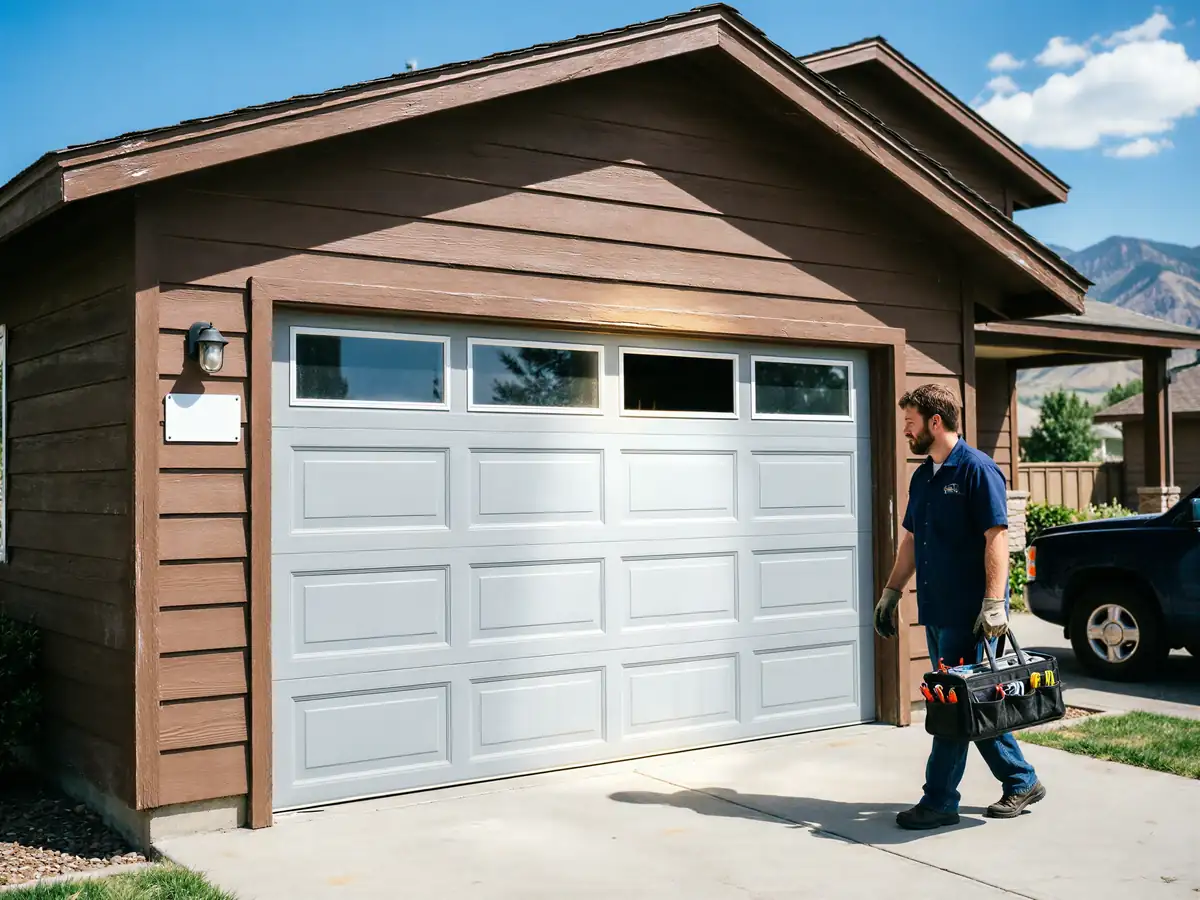
Call or use the contact page and tell us what the door is doing - won't open, won't close, stuck halfway, making noise. That's enough for us to bring the right spring size and hardware instead of guessing on site. We work West Jordan and the surrounding area, including South Jordan, Taylorsville, Midvale, Riverton, and the other communities within a short drive, so if you're just outside city limits, we still want the call.
We don't quote a price over the phone for spring or opener work because door width, spring count, and drum type all change the parts list, and nobody wants a number that changes once the truck shows up. What we can tell you up front is whether it sounds like a spring, a cable, or an opener board - that alone usually tells a homeowner whether it's worth waiting a day or not safe to use the door at all.
The DIY Question
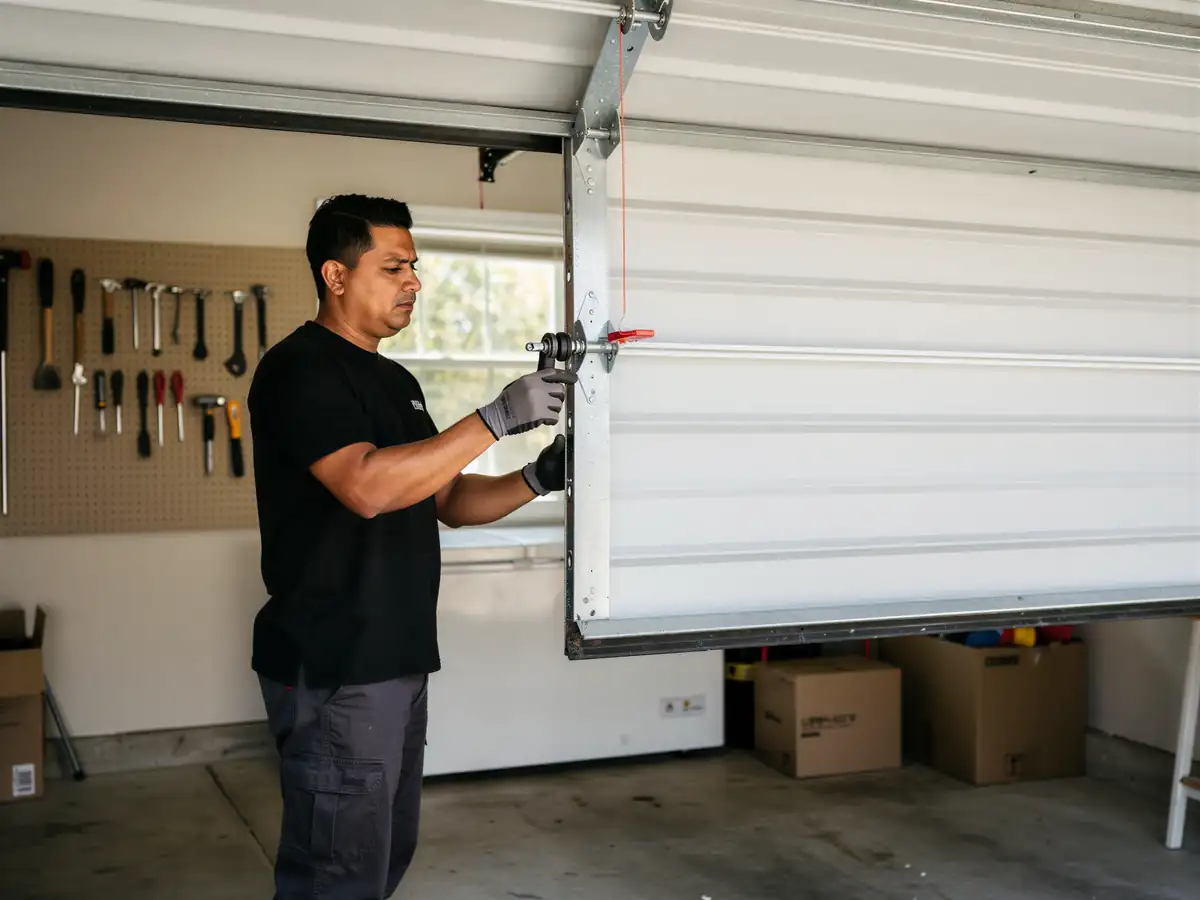
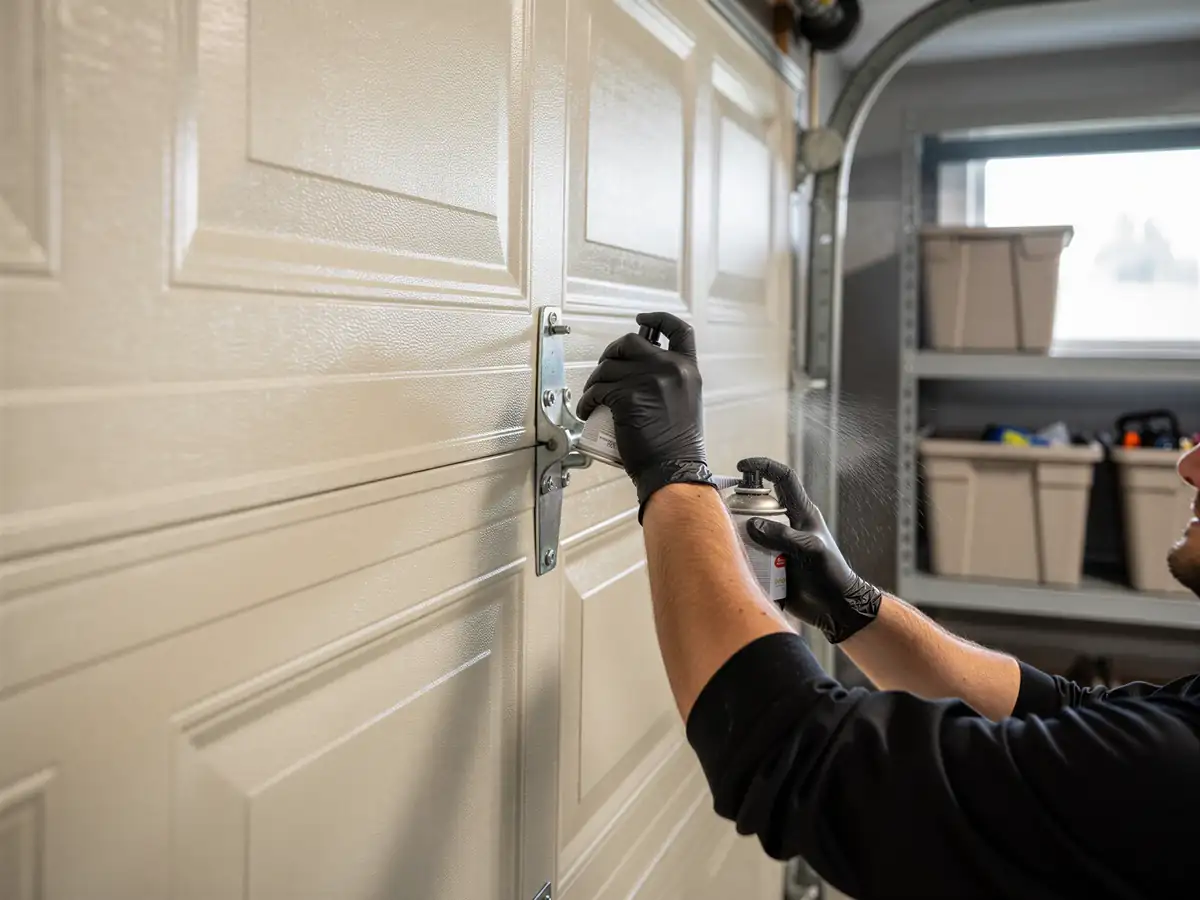
A torsion spring is under enough tension to break bones or worse if you unwind it wrong, so that one's not a weekend project regardless of how handy you are. Rollers, hinges, and weatherstripping are a different story - those are reasonable to tackle yourself if you've got the patience and the right tools.
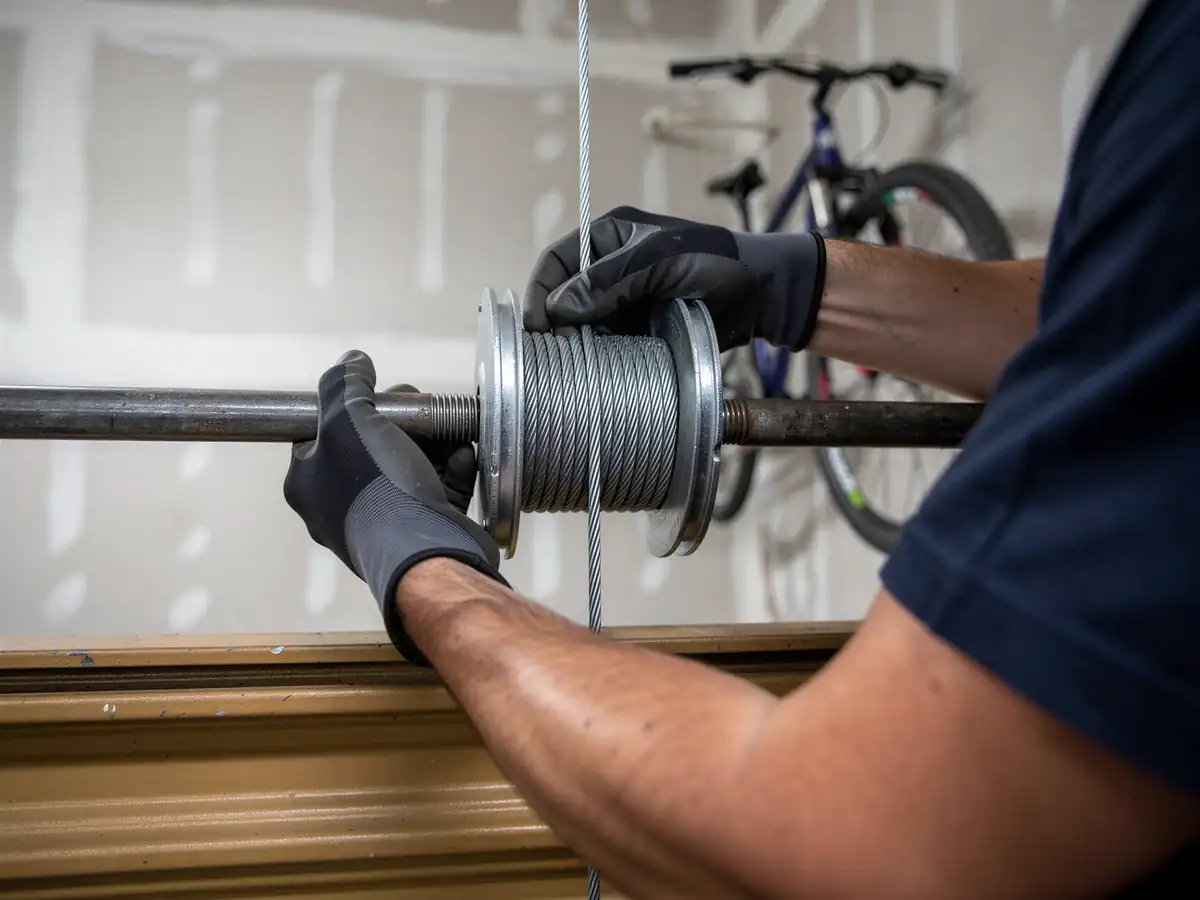
Here's the honest limitation: if your door is original to a house built in the 80s or 90s, a lot of the hardware on it was never meant to be a forty-year part. Track brackets, cable drums, and center bearings all wear out quietly, and once one fails, it tends to take the next part with it. We'd rather tell you that up front than have you spend money twice - once on a quick fix, once on the part that was actually the problem.
If the door is original and showing its age in more than one place, replacement sometimes makes more sense than another repair. We'll say so if that's what we find, not just sell another part.
Why It Happens Here
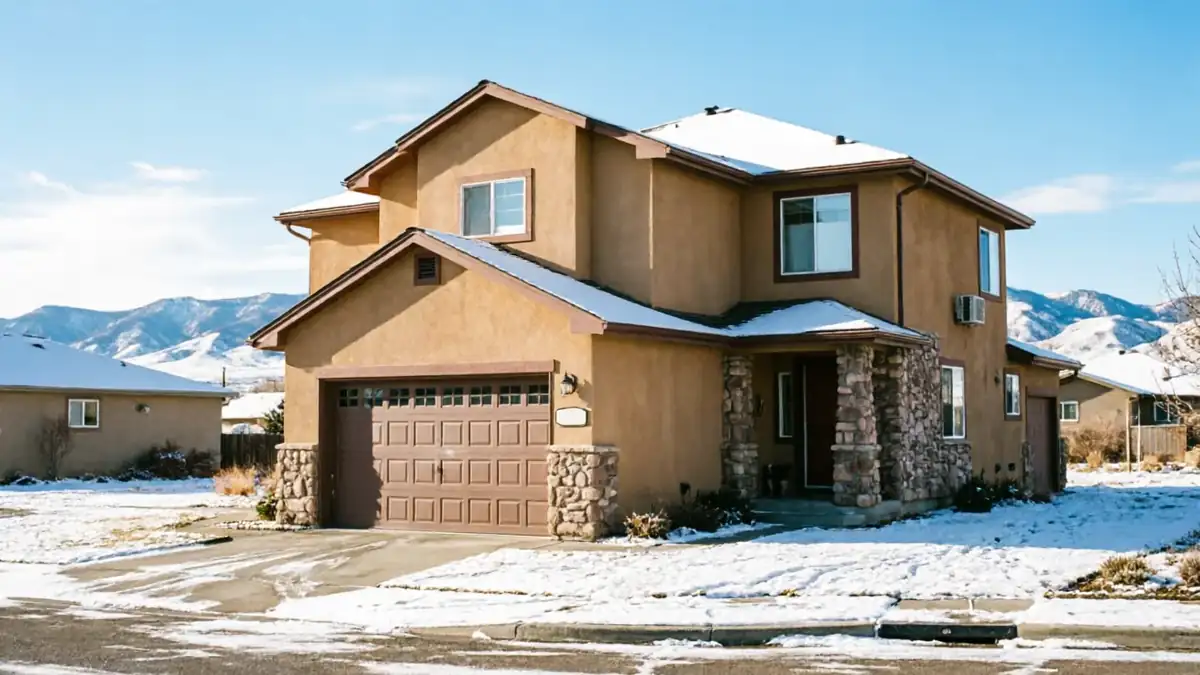
West Jordan sits in a severe-cold climate band
And that matters more for garage doors than people expect. Steel contracts in the cold, lubricant thickens, and a spring that was already near the end of its cycle count finds the extra load right when the weather turns. That's why the failure calls cluster hard in the cold months here.
Layer that onto the housing stock
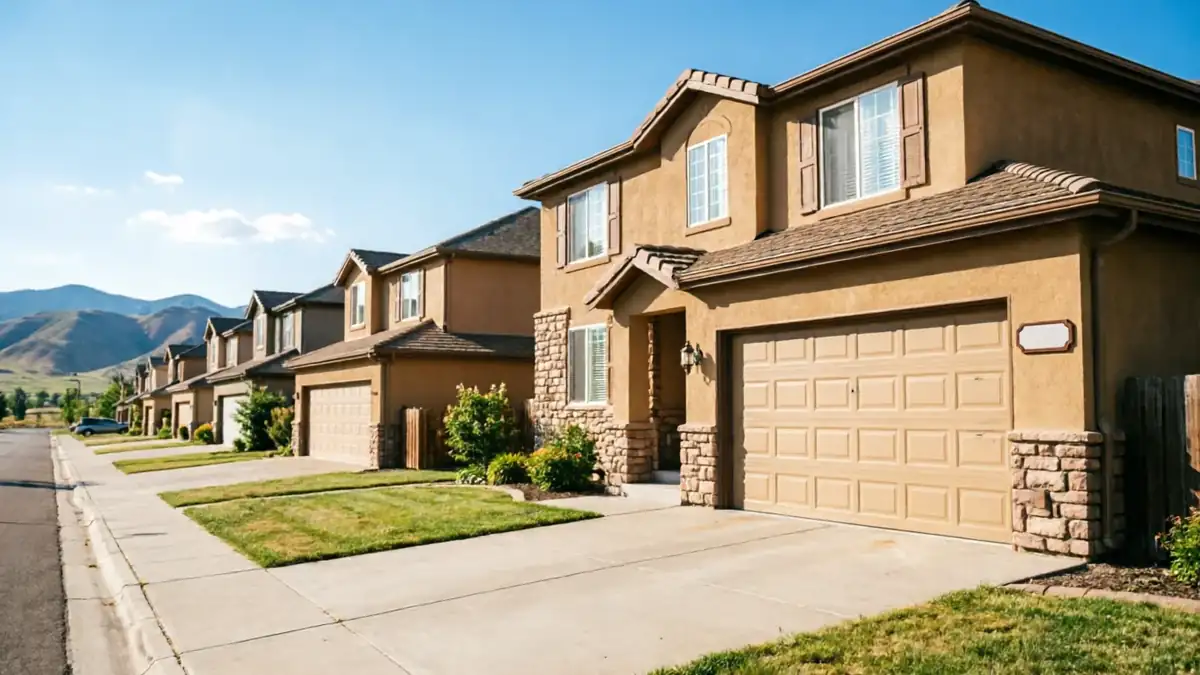
Most of the area's homes went up between 1969 and 2012, with the bulk from the 1980s and 90s. A door and opener installed when a house was built in 1988 is pushing 35+ years of cycles by now, assuming nothing was ever swapped. That's not unusual, it's just math - torsion springs are rated in cycles, not years, and a daily-use door in a house that age has usually burned through its rated life more than once.
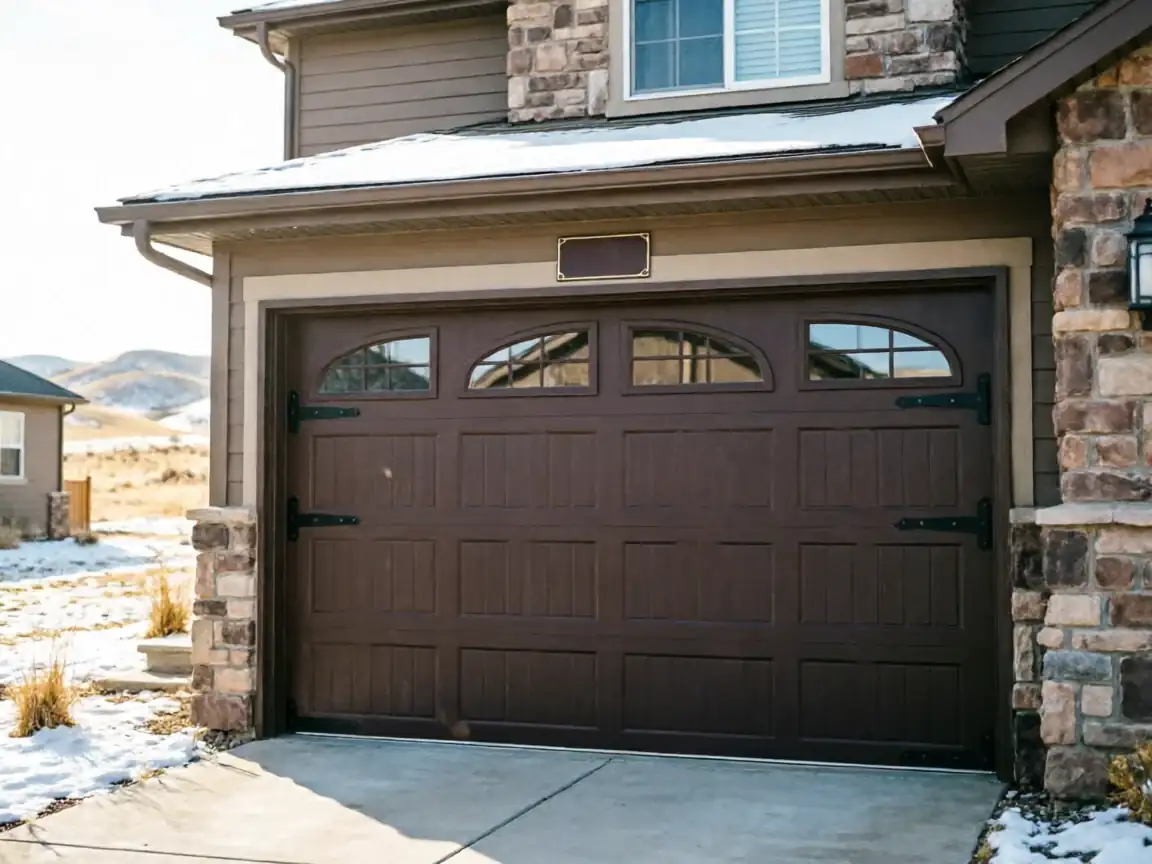
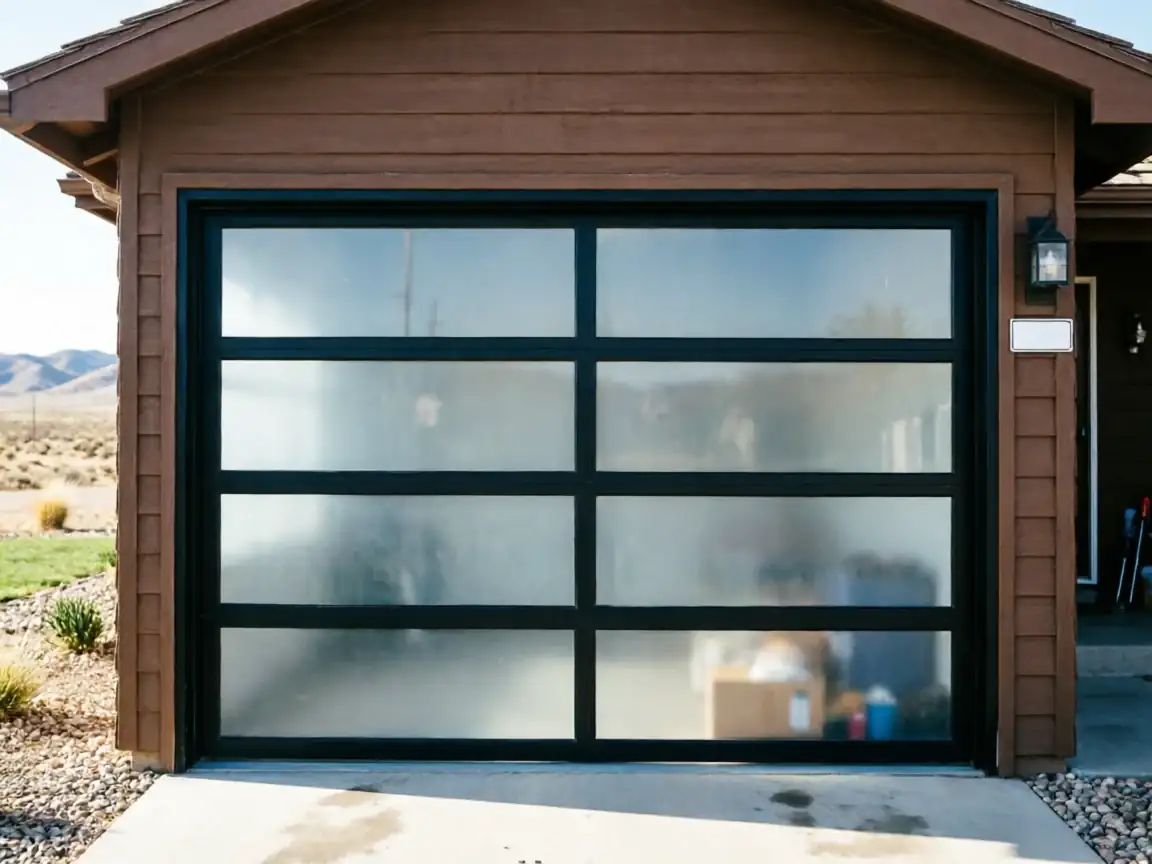
It's a different story than a newer subdivision like where the hardware is younger and the failure mode tends to be an opener sensor or a misaligned track instead of a snapped spring