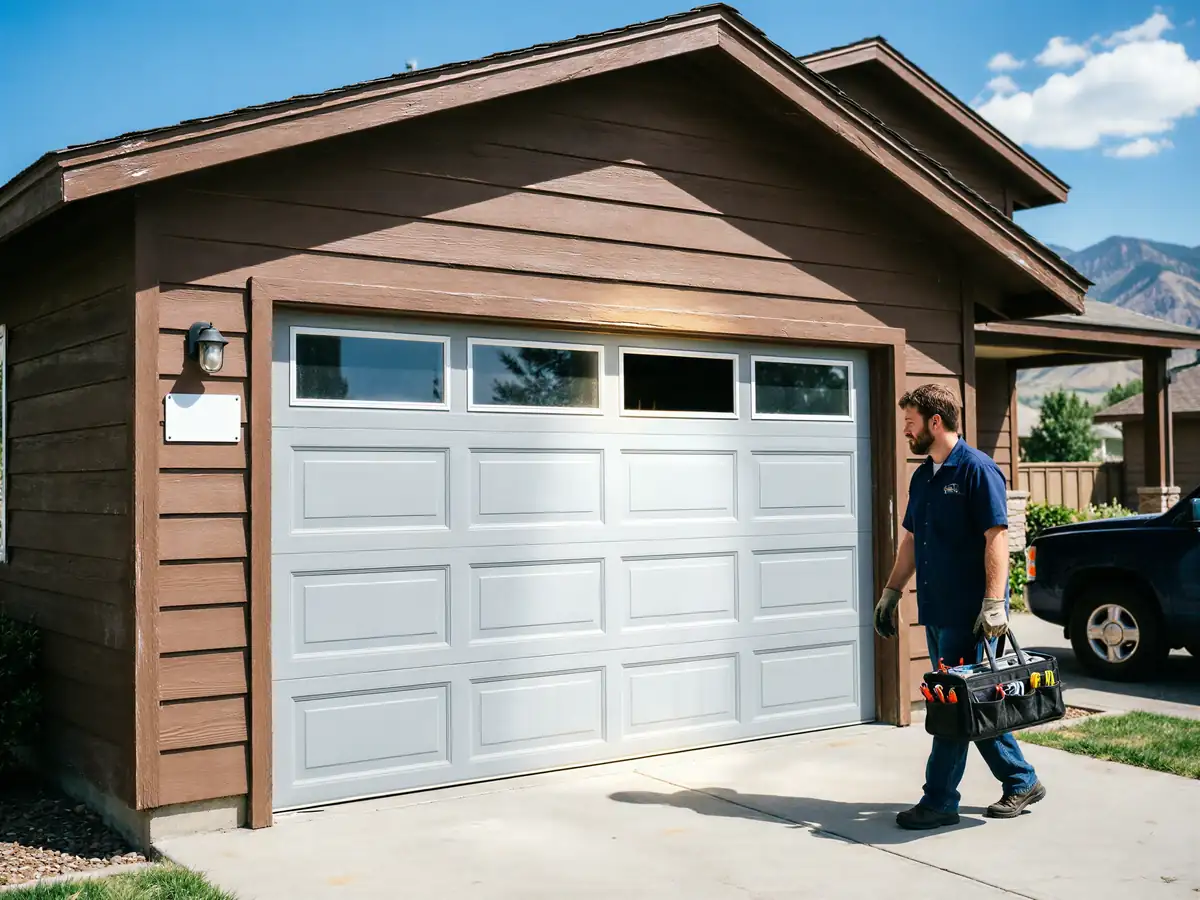
West Jordan Garage Door Pros fixes broken springs, stuck openers, and off-track doors on homes built 1969-2012, with parts suited to Wasatch Front winters.
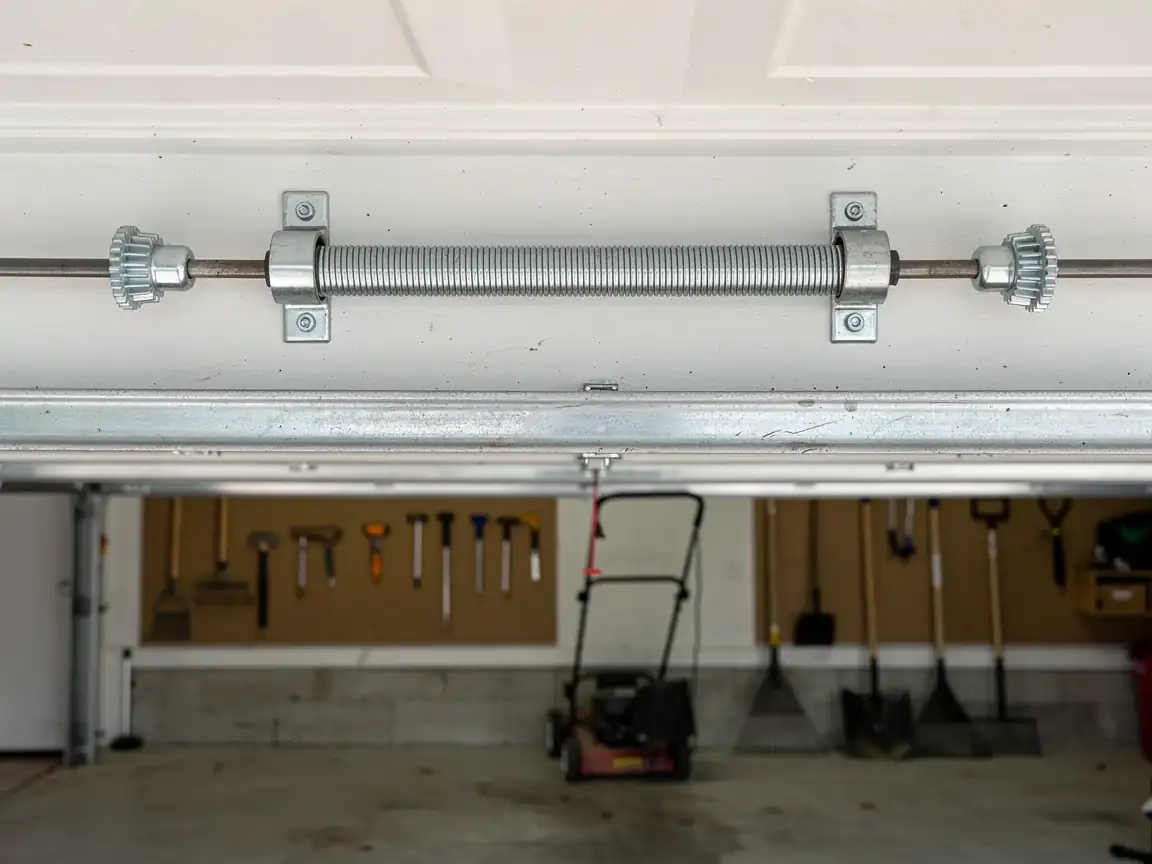
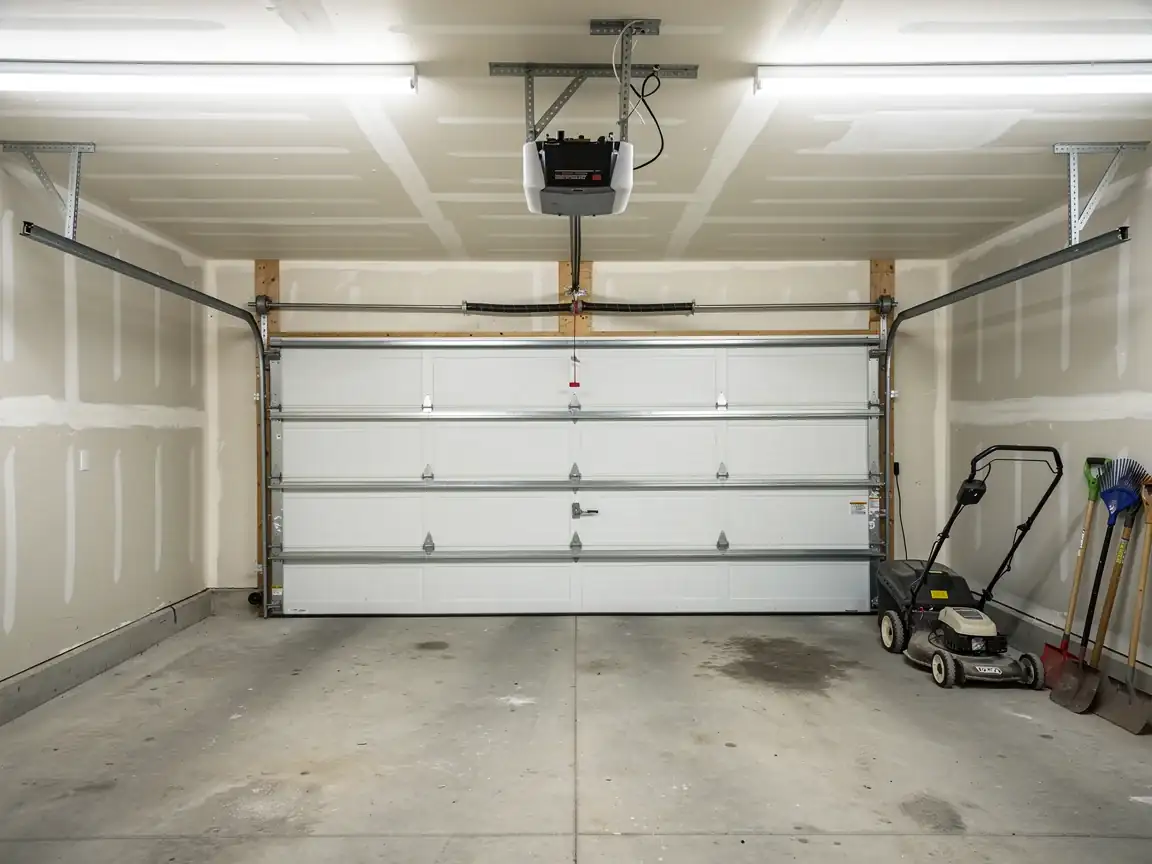
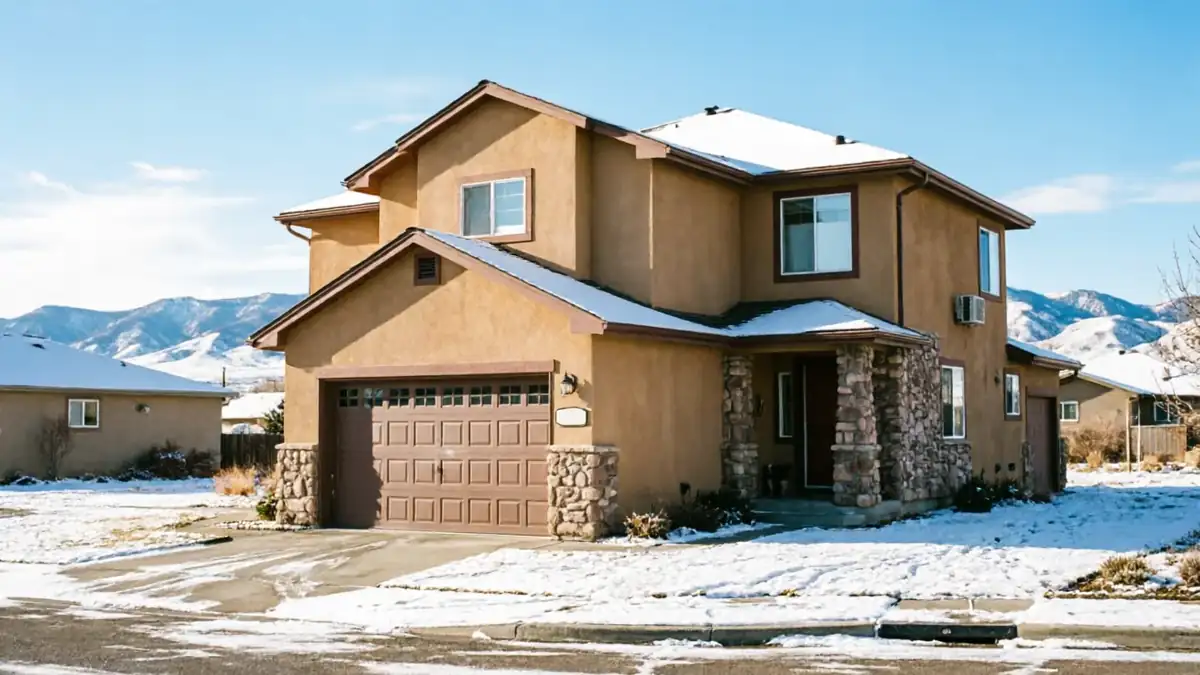
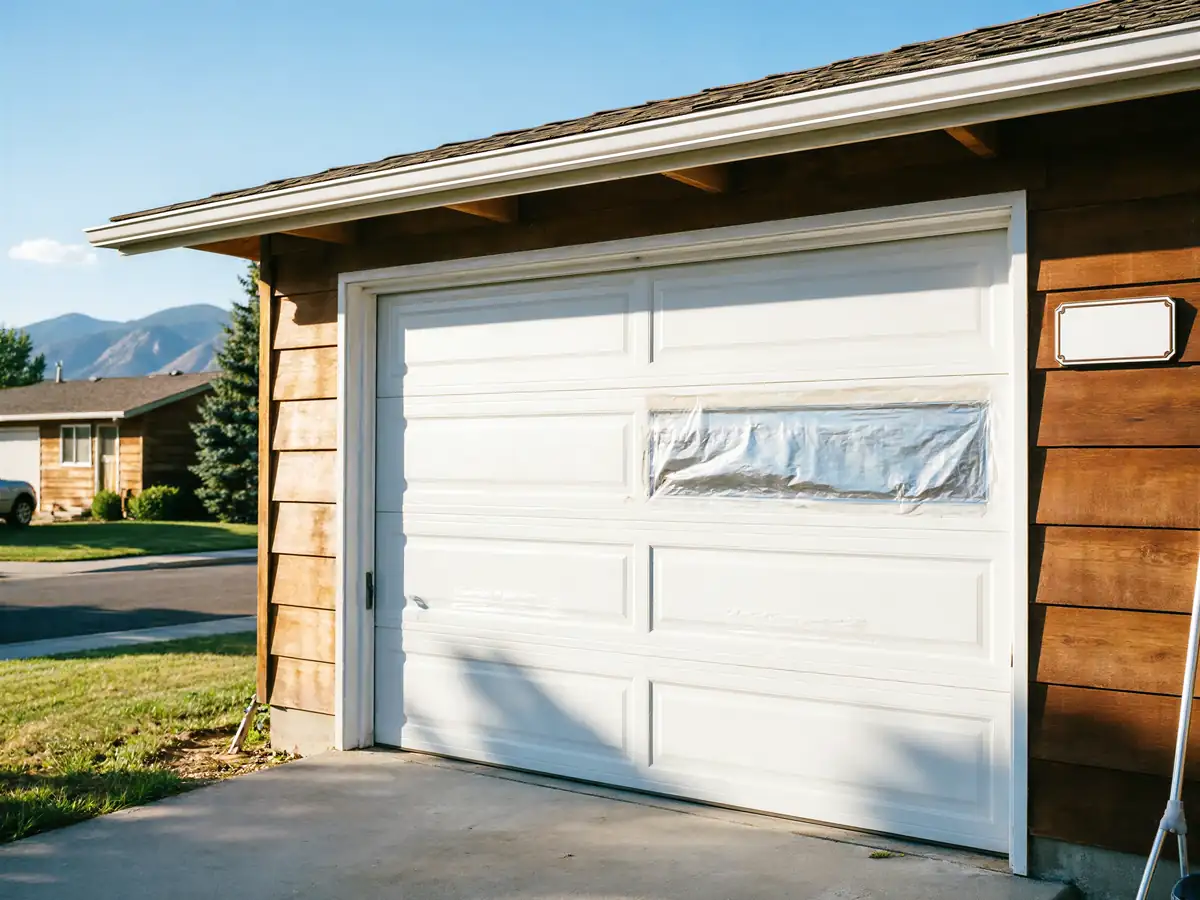
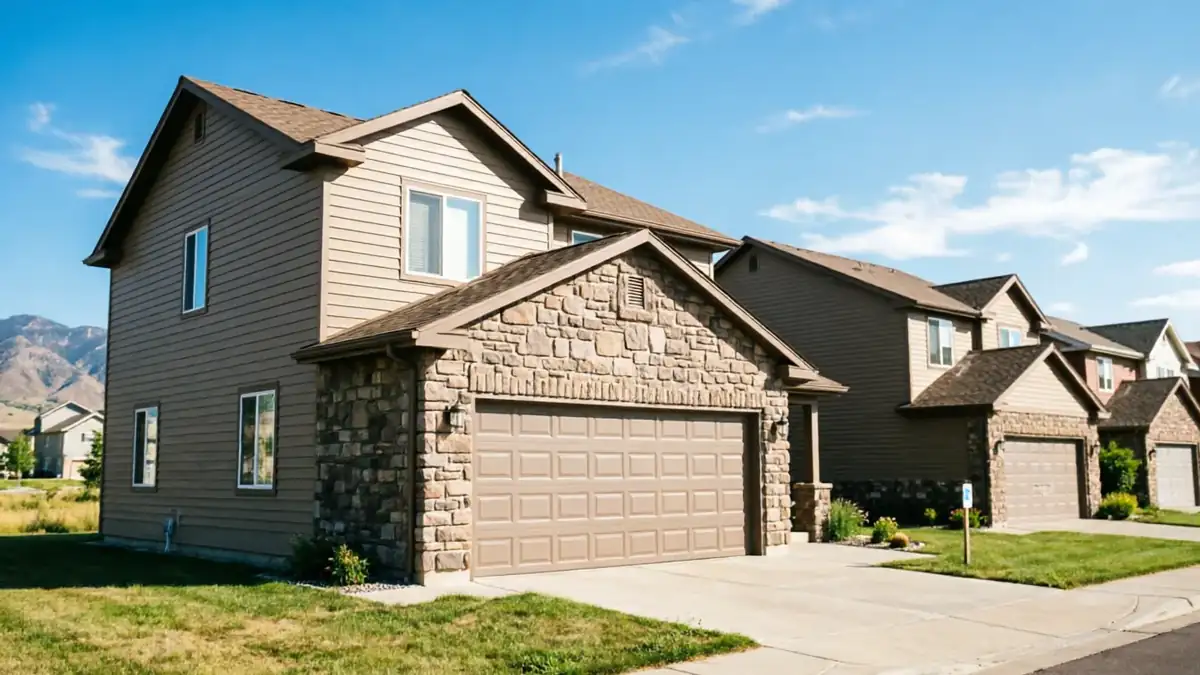
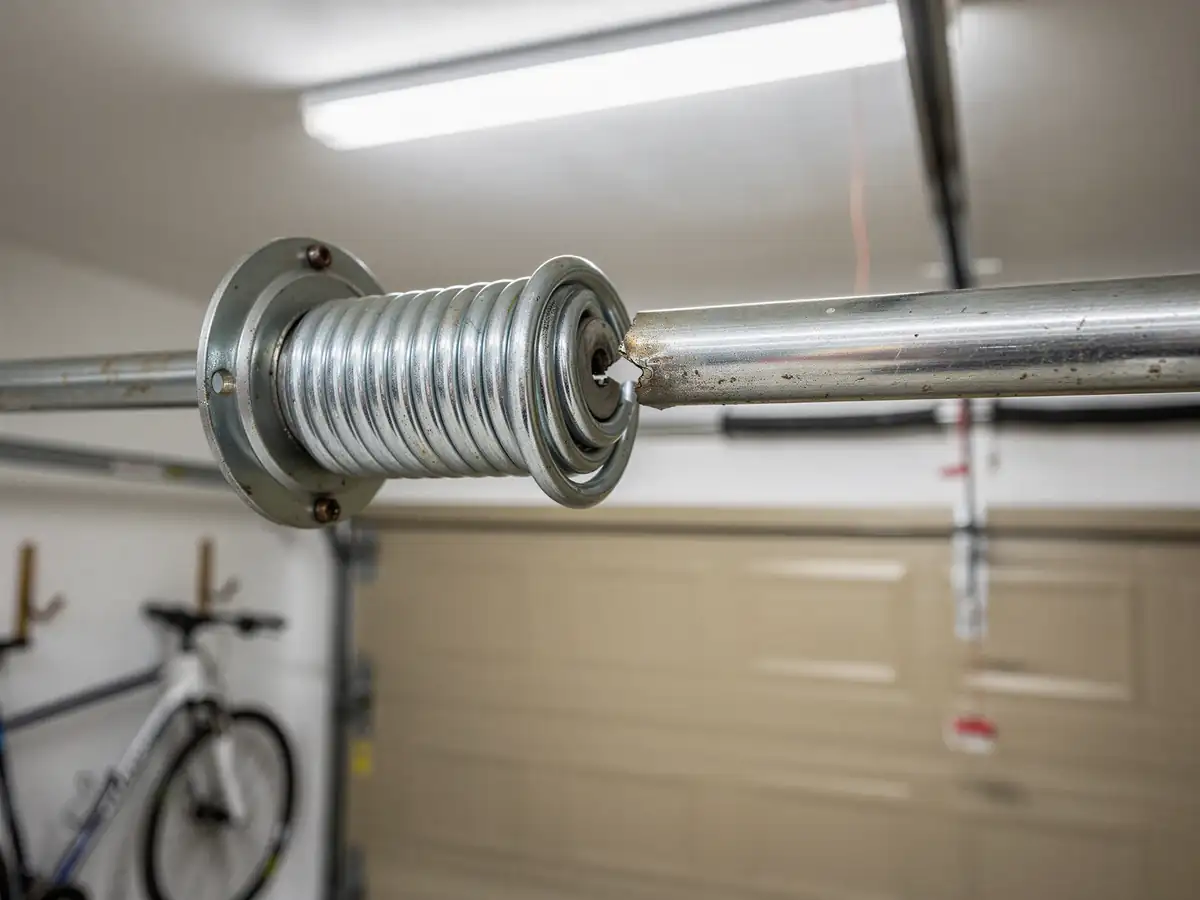
In West Jordan, the garage door calls we get follow the age of the house. Most homes in this part of the valley were built between 1969 and 2012, with the heaviest concentration going up in the 1980s and 90s. That generation of door came with torsion springs rated for a fixed number of open-close cycles, and twenty-five-plus years of twice-a-day use puts a lot of them right at the end of that rating. The spring doesn't ease out - it lets go, usually on a cold morning, usually with a bang loud enough to bring you out in your socks. Builder-grade chain-drive openers from that same era start grinding or chain-slapping as the gear sprocket wears down. Rollers on original steel tracks develop flat spots and the door starts to shudder about halfway up. On the smaller share of newer builds closer to the 2000s, you'll more often see sensor alignment knocked out instead, usually after someone bumps a bracket with a bike or a ladder. The common thread across all of it is hardware built to a cycle count, not a calendar, finally running out the clock.
How to Book
Call the number on West Jordan Garage Door Pros' site or start from the home page to get a tech out. Tell us the door's symptom as specifically as you can - won't open, opens partway and stops, opener runs but the door doesn't move, loud bang and now it won't budge at all - that tells us what's likely broken before the truck even leaves. If the spring has already let go, don't try to force the door open or closed by hand; cables under tension on a broken torsion spring door can do real damage. We quote the repair on site once we've looked at the spring size, the track condition, and the opener model, since builder-grade hardware from a 1990s install isn't always the same gauge as what's sold today.
The DIY Question
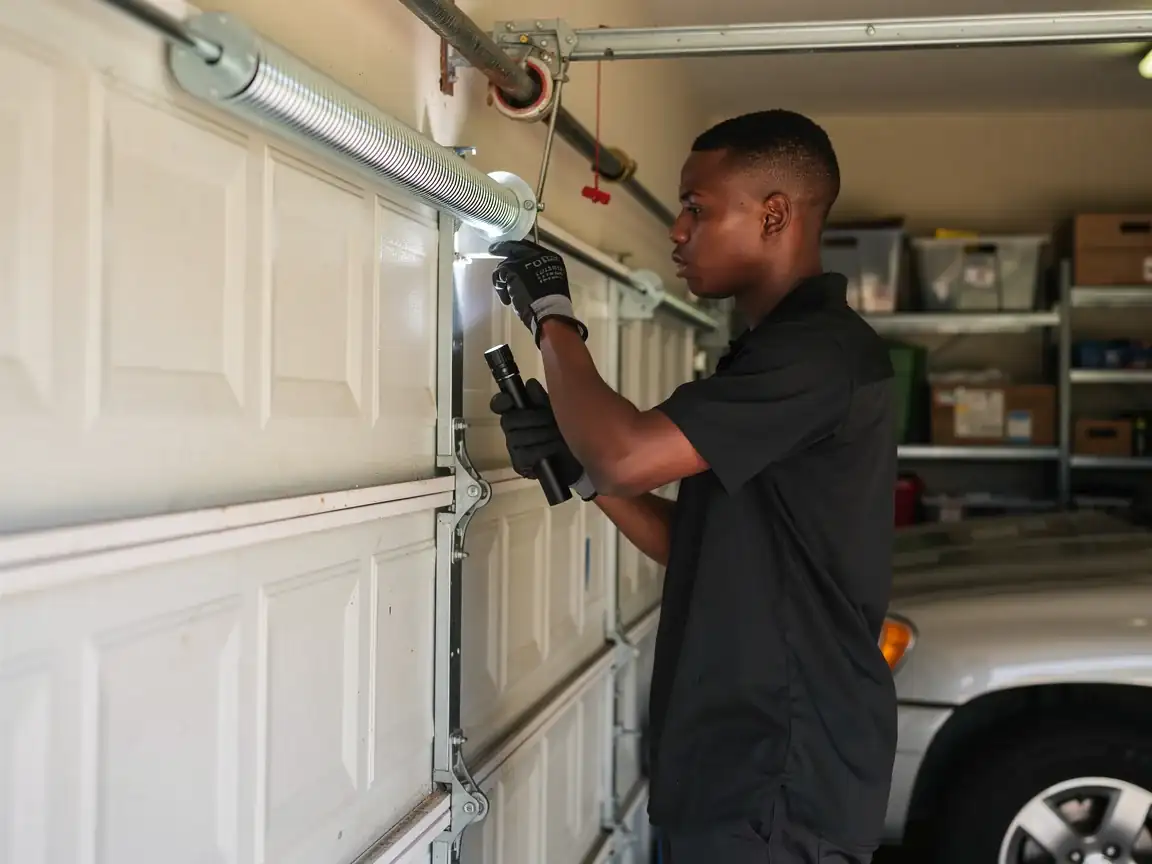
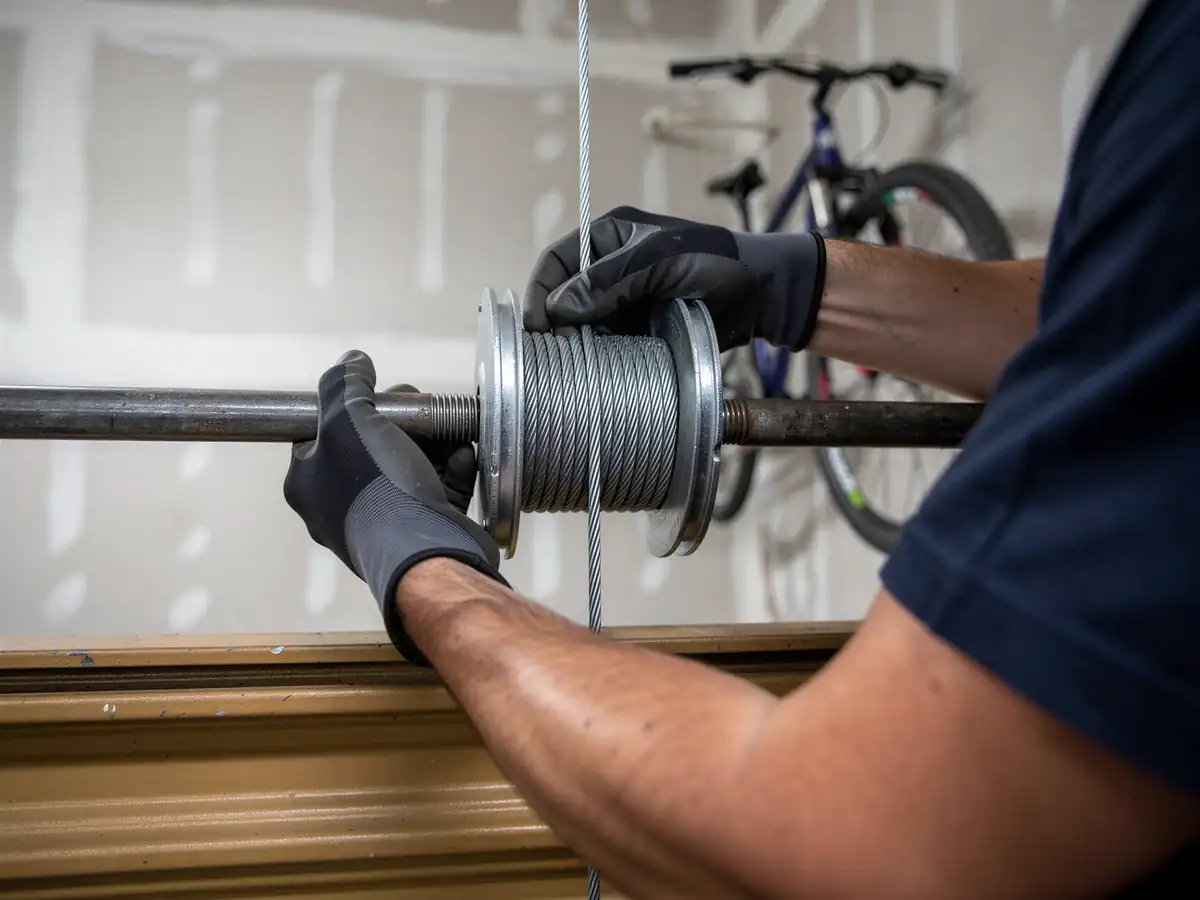
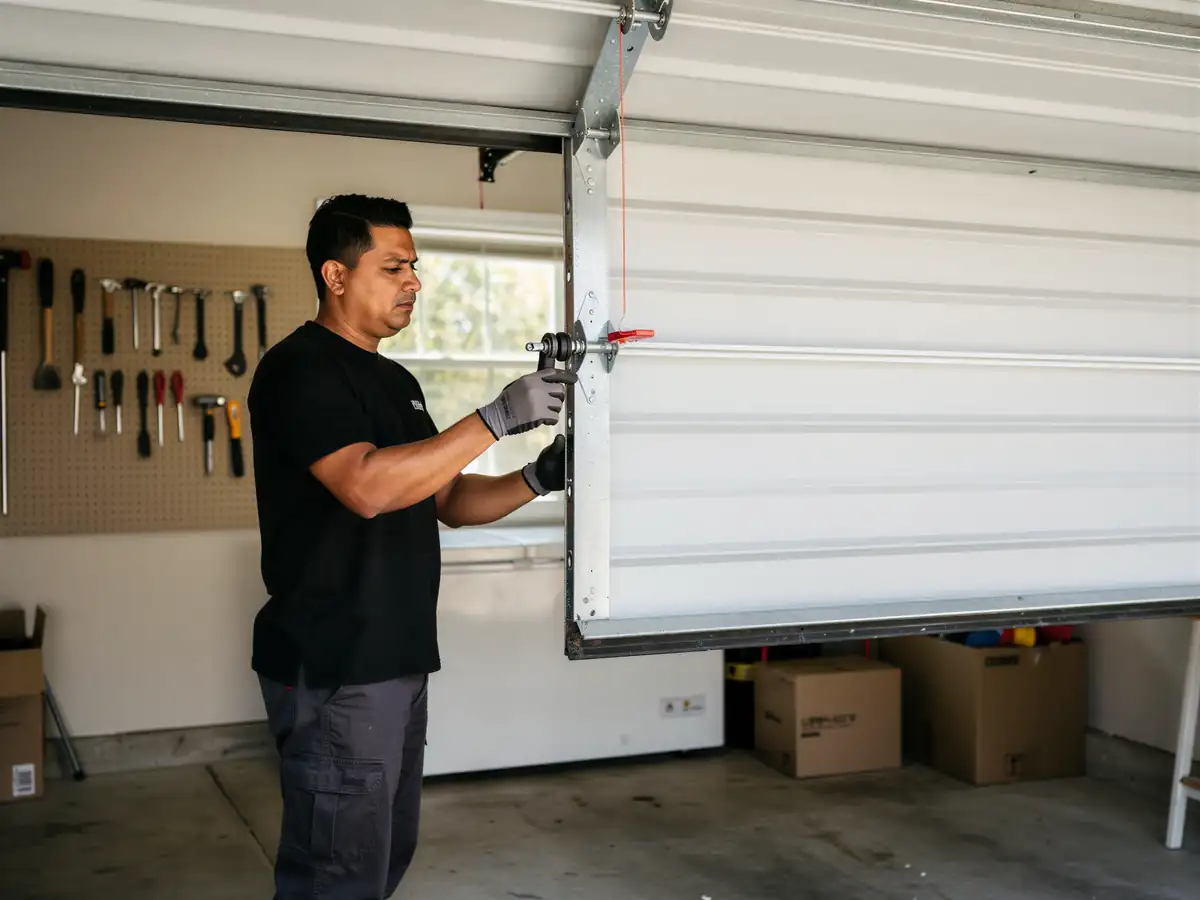
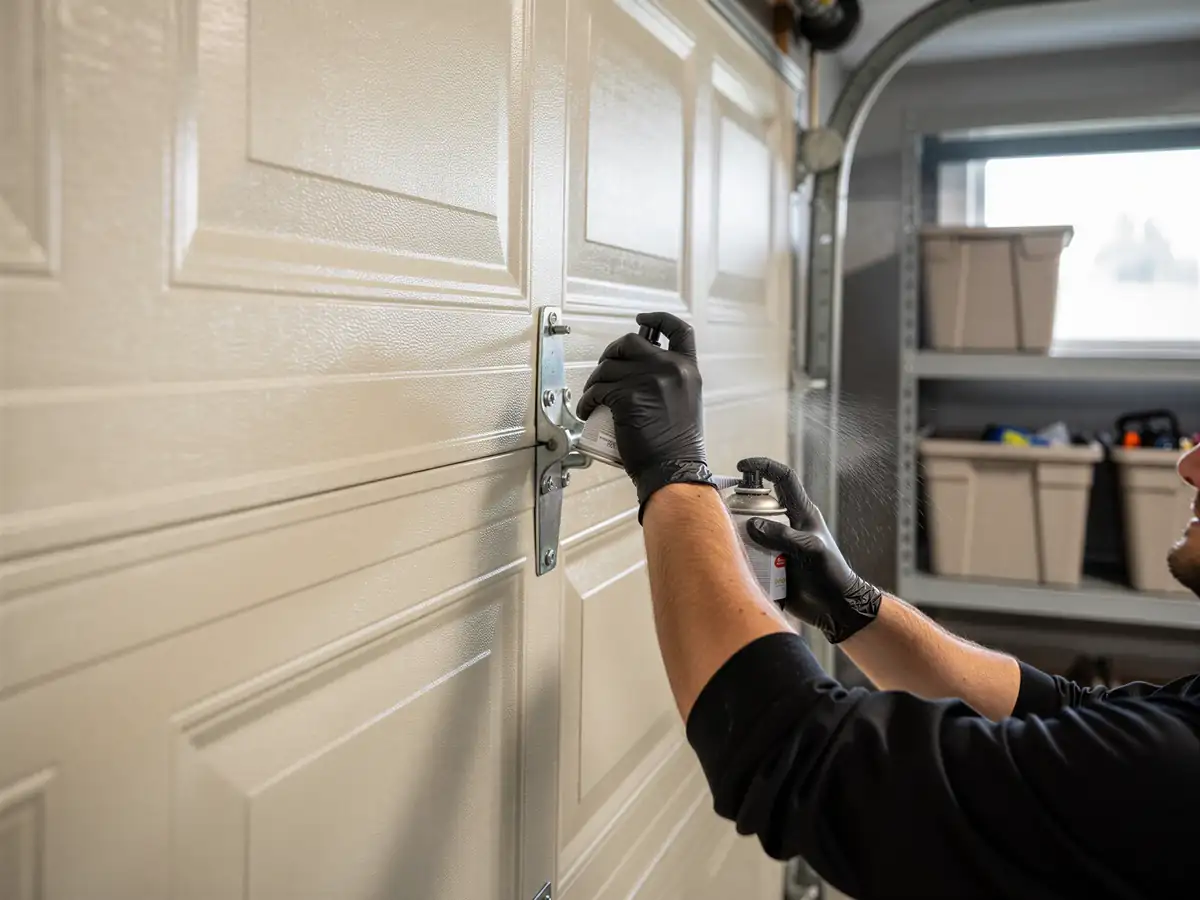
There's a real split between what's safe to handle yourself and what isn't. Lubricating rollers and hinges, tightening loose lag screws on the track brackets, clearing dust off the photo-eye sensors - all fine, all things an owner can do with a ladder and twenty minutes. A torsion spring under tension is not that kind of job. It's wound to store enough force to lift a 150-plus pound door, and the winding bars and clamps needed to release that force safely aren't something most garages have lying around, nor should they be. Same goes for cables and the bottom brackets they anchor to. If your door is from the original 1980s or 90s build and the opener is original too, we'll also tell you straight when a repair isn't the better dollar-for-dollar move - parts for some of those older chain-drive units are getting hard to source, and at that point replacing the opener costs about the same as chasing down an obsolete gear kit. We'll give you that number before we touch anything.
Why It Happens Here
Three things stack up in West Jordan specifically. First, the housing: the median build year across the area is 1999, meaning a huge share of area doors and openers are old enough to be on their second or third decade of hardware, and the stock really does skew 1980s-90s across nearby named areas, Riverton to Taylorsville. Second, the winters here sit in a cold climate band classified as severe, which matters for two reasons: grease on tracks and bearings thickens and stops doing its job right when you need the door most, and steel panels and torsion springs contract in the cold, which is exactly when an already-worn spring is most likely to snap rather than just get noisy. Third, scale - with roughly 167,938 owner-occupied houses across the service area and a median household income of $115,335, this is a market full of people who own rather than rent the garage they're fixing, which means the repair decision is theirs to make directly, not routed through a landlord. All three of those point back to the same thing: age plus cold plus ownership means this repair call happens on a predictable schedule, not a random one.
How it works
From “it’s stuck” to “it’s fixed”
01
Tell us what’s wrong
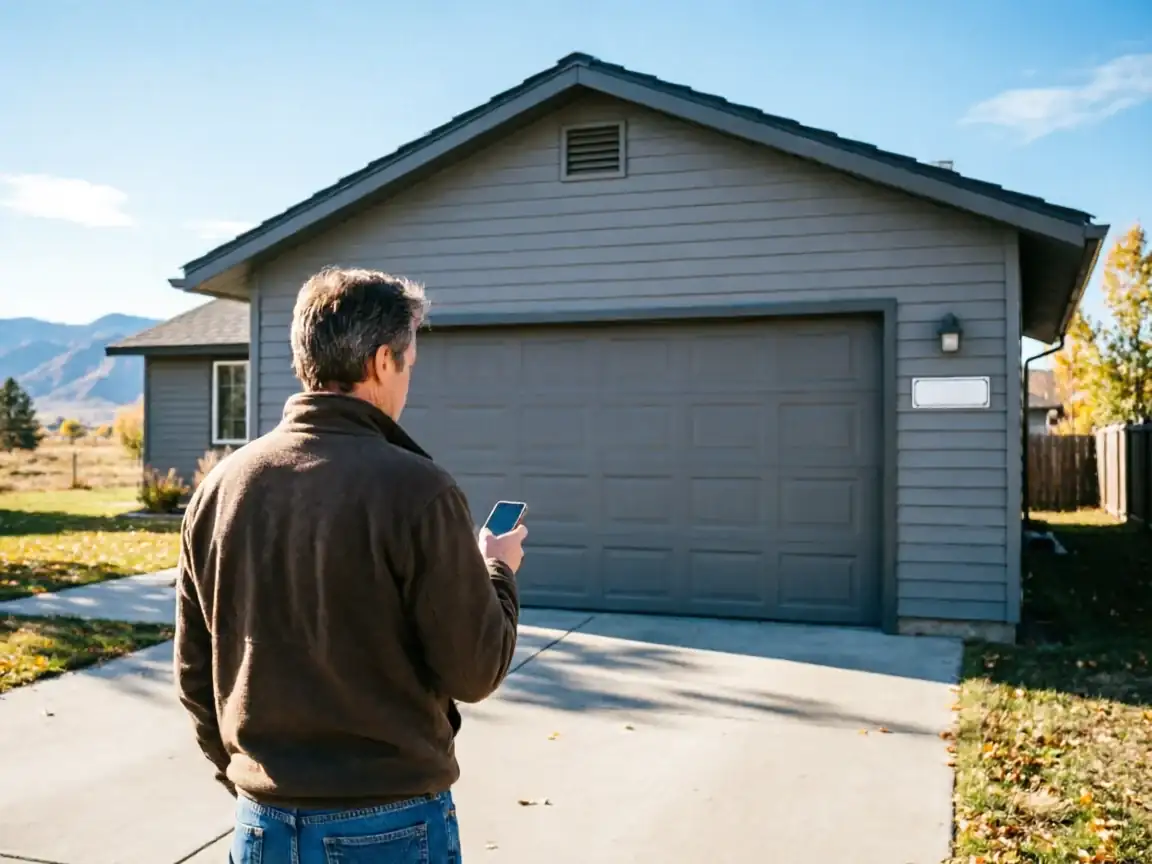
Describe the symptom - won’t open, loud bang, opener runs but the door won’t move.
02
On-site diagnosis
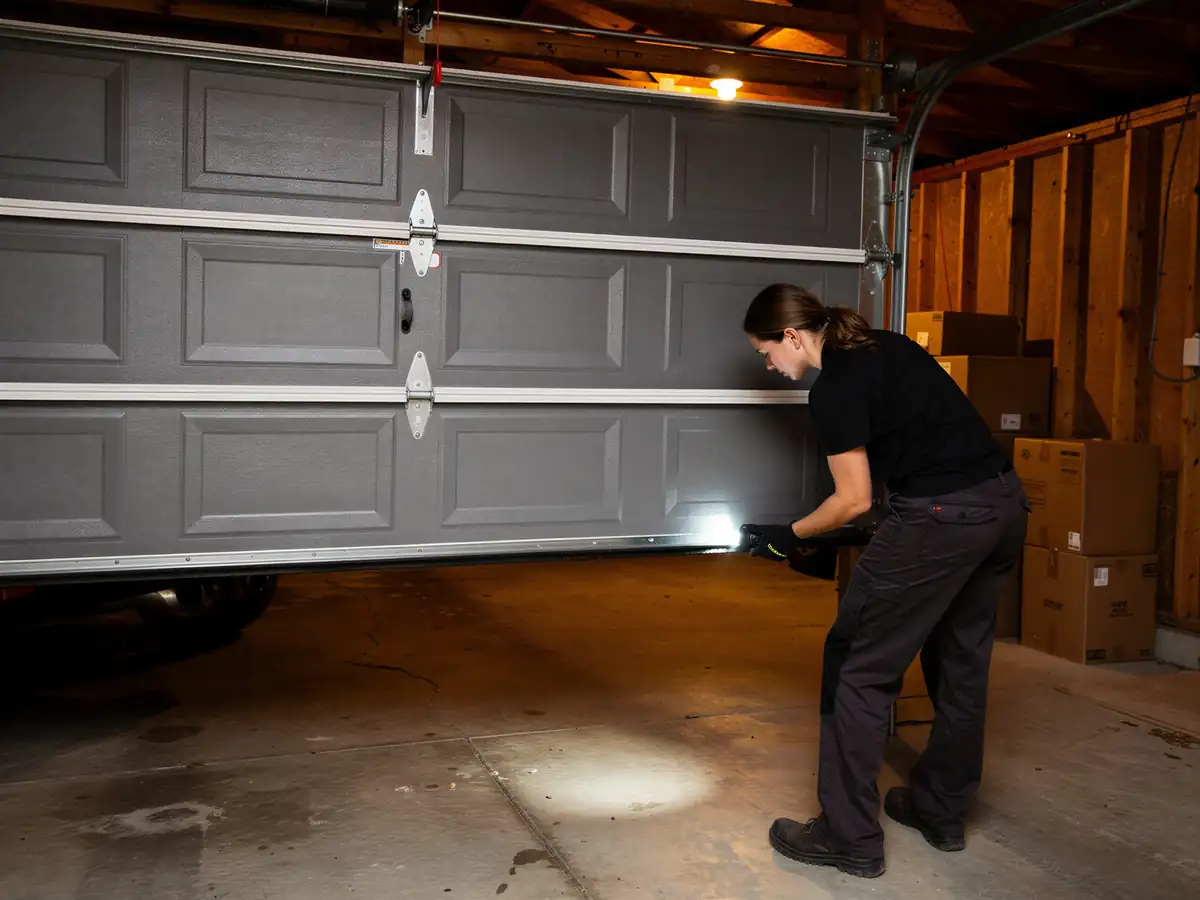
A technician tests the door under power and by hand and finds what actually failed.
03
Clear, up-front plan
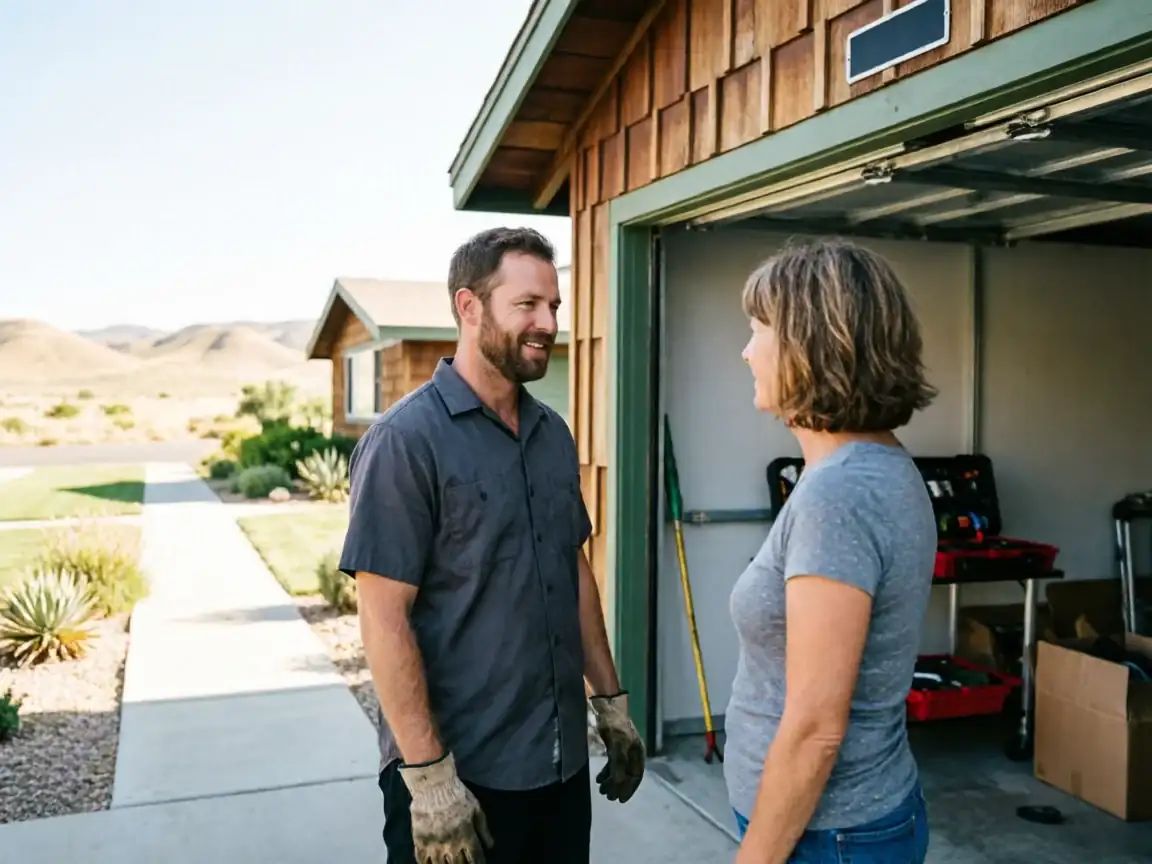
You get the fix that’s needed and what drives the cost - before any work starts.
04
Repaired & tested
The repair is done, the door is set true and tested, and the work area left clean.
Not sure which repair your door needs in West Jordan, UT? Describe what it’s doing - every job starts with a diagnosis.
Every visit starts by finding what actually failed - not a pre-written parts list.
The right part for the door
Springs and openers matched to the door’s weight and age, so the fix holds up.
Straight answers
When a repair makes more sense than a replacement - or the reverse - you hear it plainly.
Clean, careful work
Tension released safely, hardware set true, the door tested under power before we leave.
111,946Residents in West Jordan
8Garage door services
5Neighborhoods & suburbs
UTServing West Jordan, UT
Door styles
Doors and work we handle
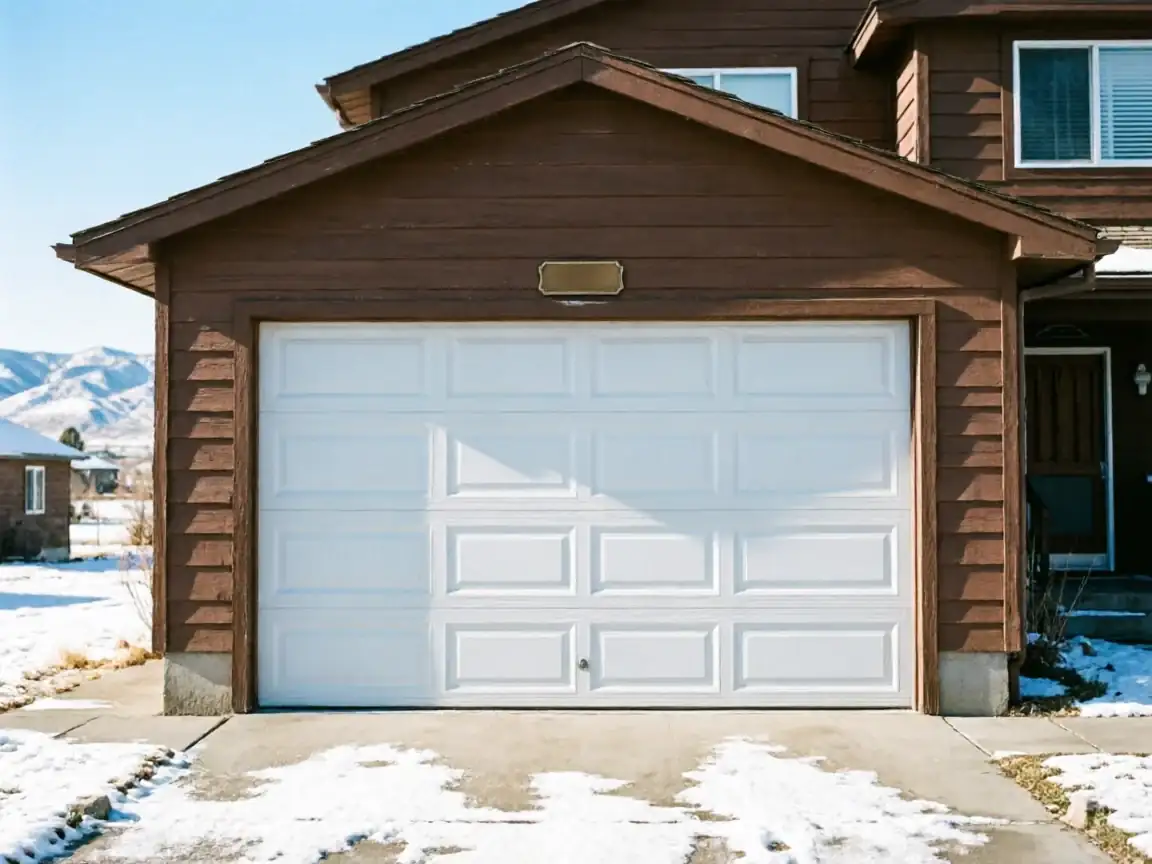
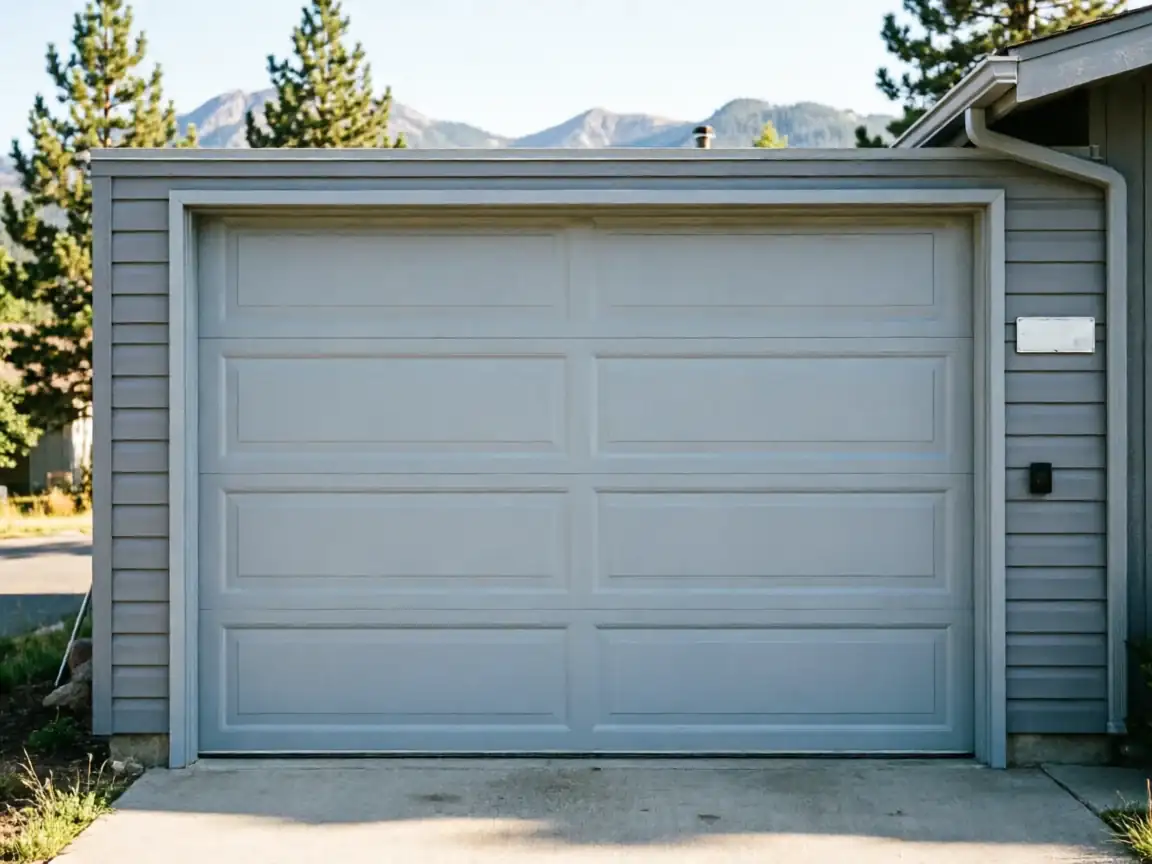
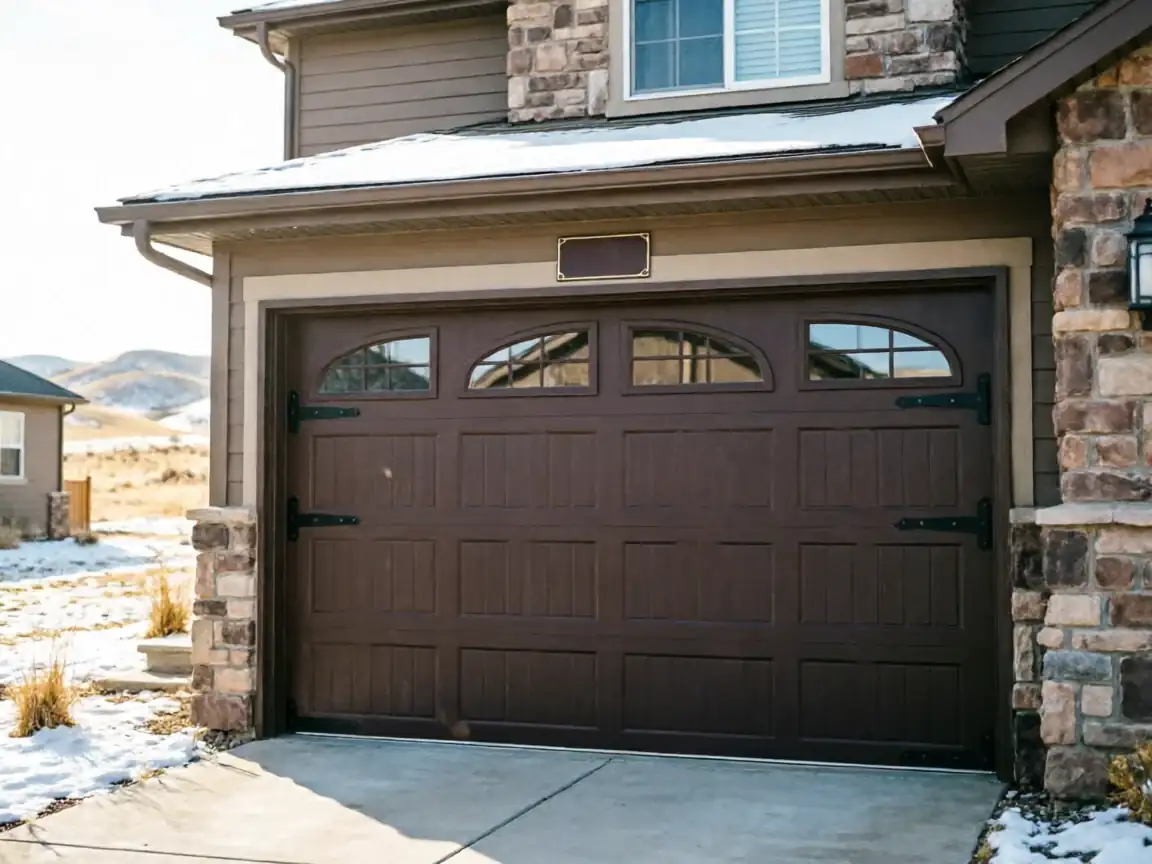
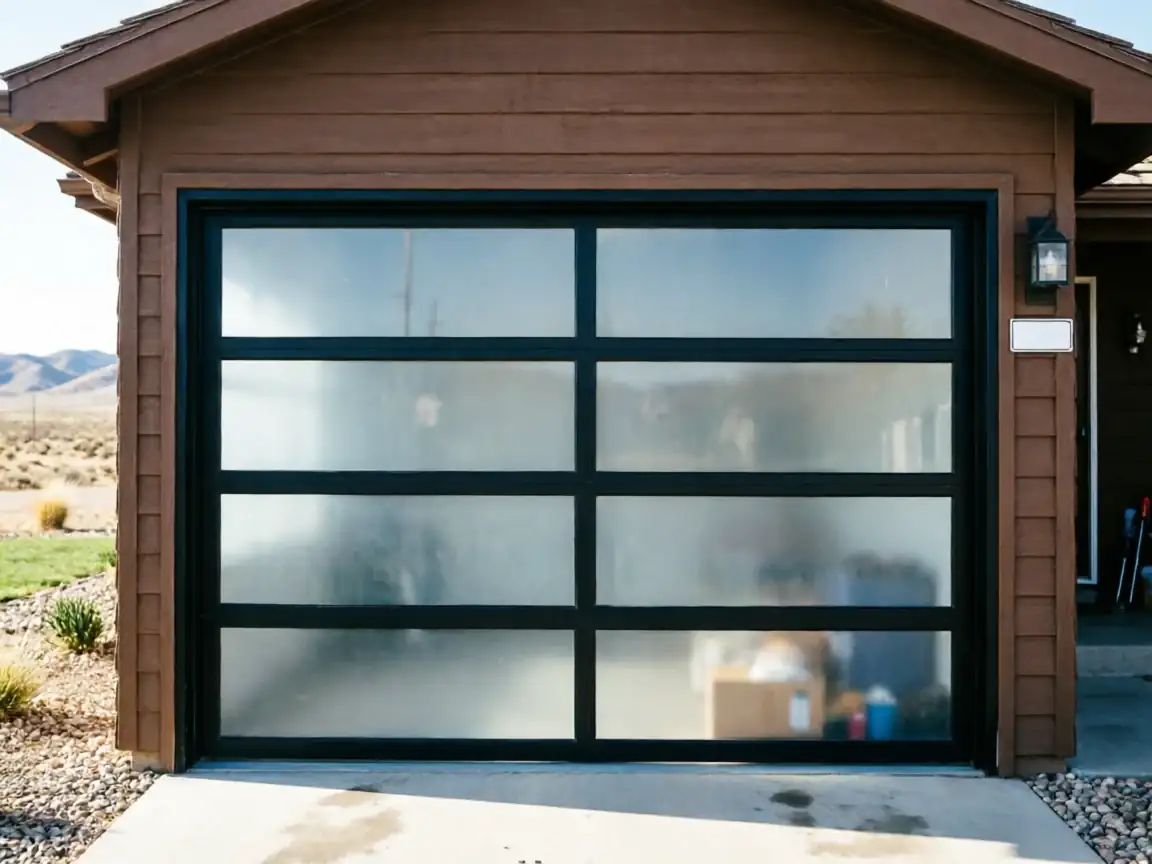
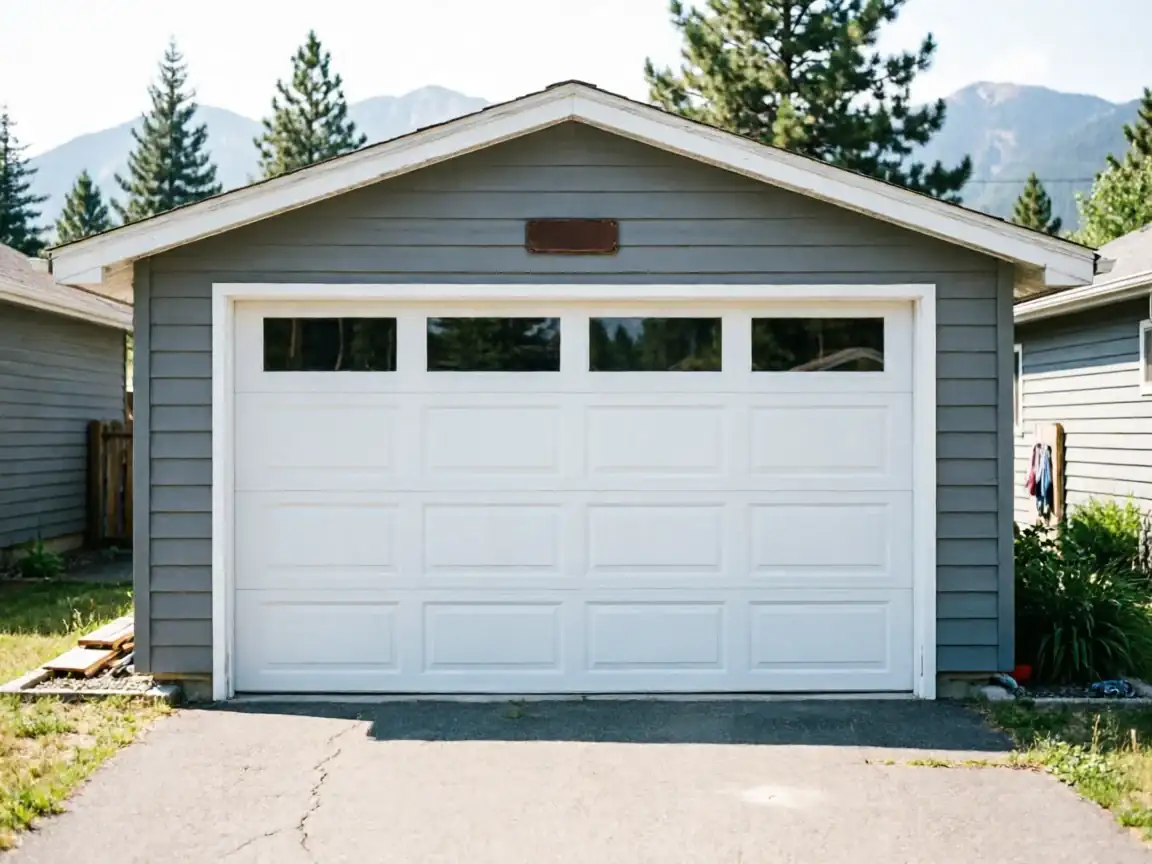
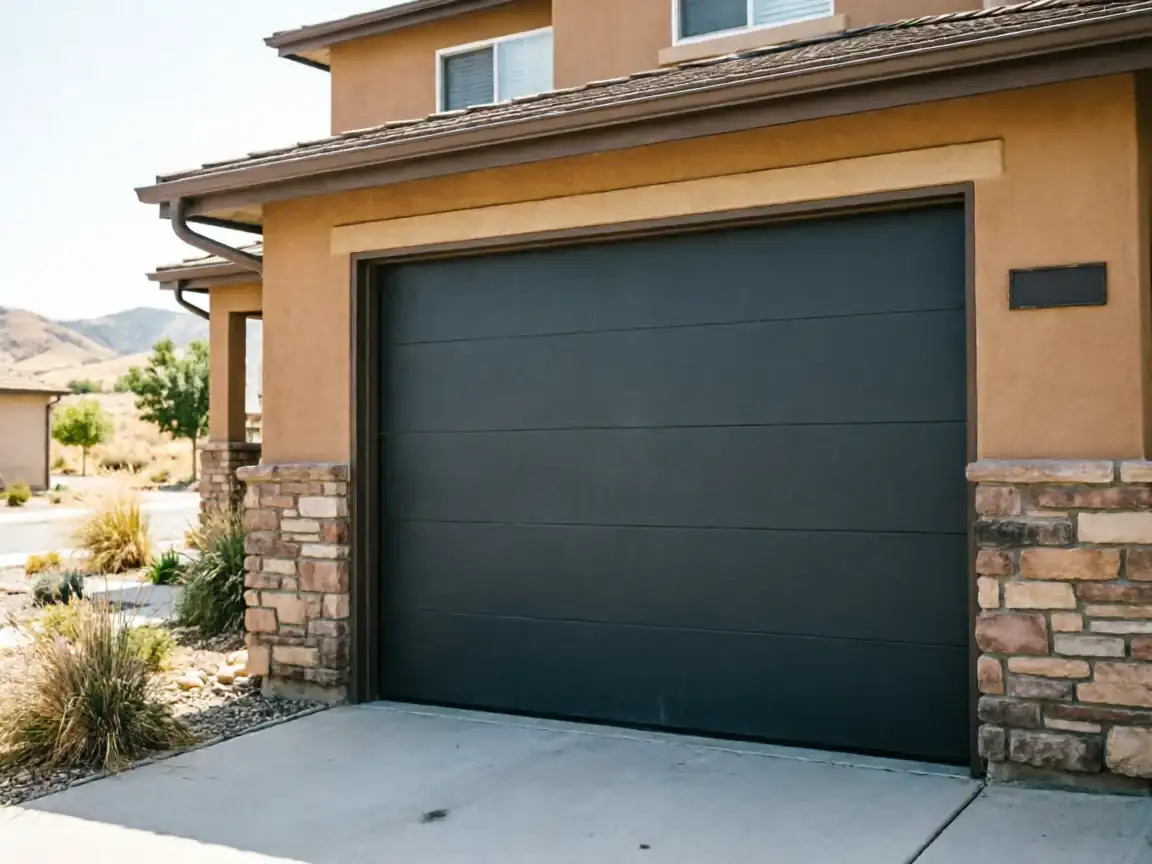
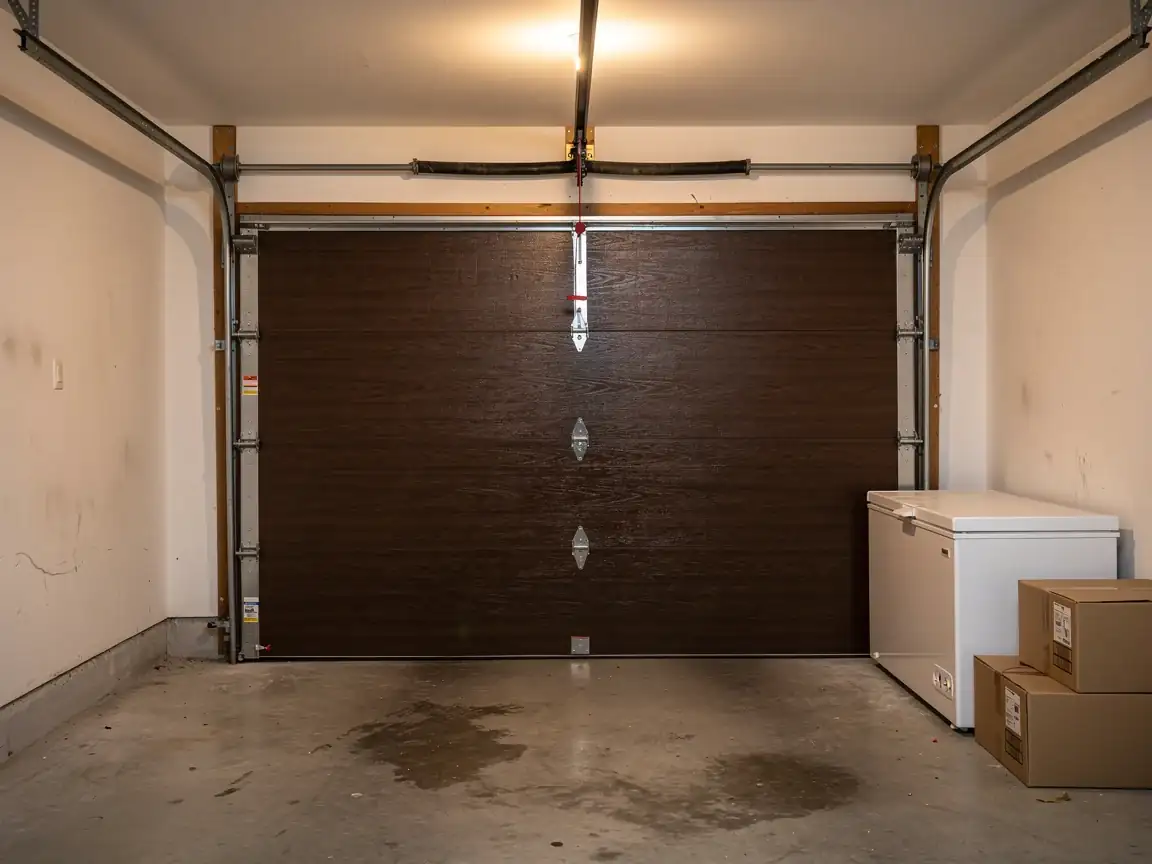
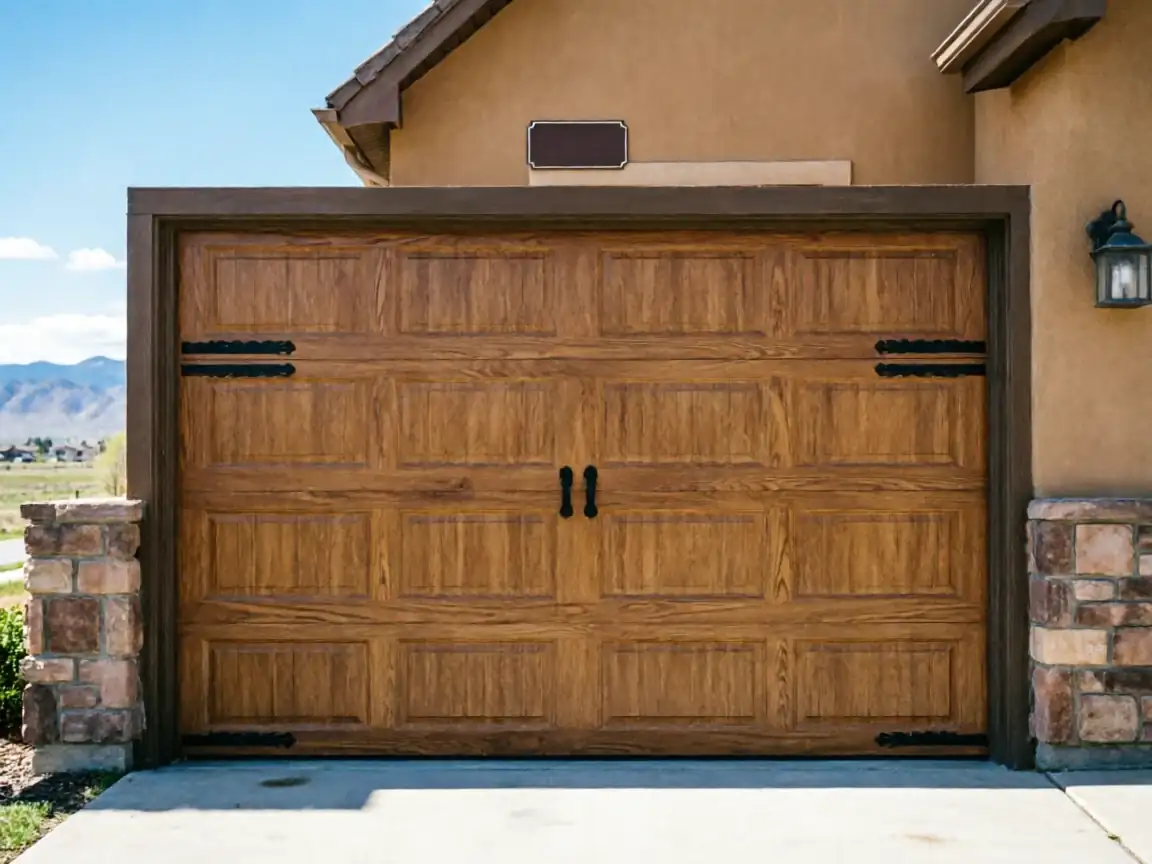
Illustrative styles - sectional, insulated steel, carriage, and commercial doors.
Sectional steelInsulated panelCarriage styleFull-view glassWest Jordan garage doorModern flushWest Jordan garage doorWest Jordan garage doorWood-look compositeWest Jordan garage door
What we do
Garage Door Services
Repair and installation work for West Jordan homes and businesses.
Straight answers about garage door repair in West Jordan. Still unsure? Ask us directly.
Why did my garage door spring break on such a cold morning?
Cold makes steel contract and stiffens the lubricant on the spring coils, so an already-worn torsion spring is more likely to let go in winter than in summer. If your house dates to the 1980s or 90s, which is common in West Jordan, that spring has likely been cycling for decades and was already near the end of its rated life.
Is it worth repairing my opener from the 1990s or should I replace it?
It depends on the part that failed. A worn drive gear or capacitor is usually a cheap fix. But if the circuit board or the motor itself has gone, parts for some older chain-drive units are hard to source now, and a new opener often costs about the same as chasing down an obsolete kit. We'll quote both before doing either.
How do I know if it's the spring or the opener that's failed?
If the opener motor runs but the door doesn't move, or moves and then stops partway with the motor straining, that points to a spring that's lost tension or broken. If the opener doesn't respond at all - no hum, no light - that's more likely the opener itself or its power connection.