How That Shows Up in the Door
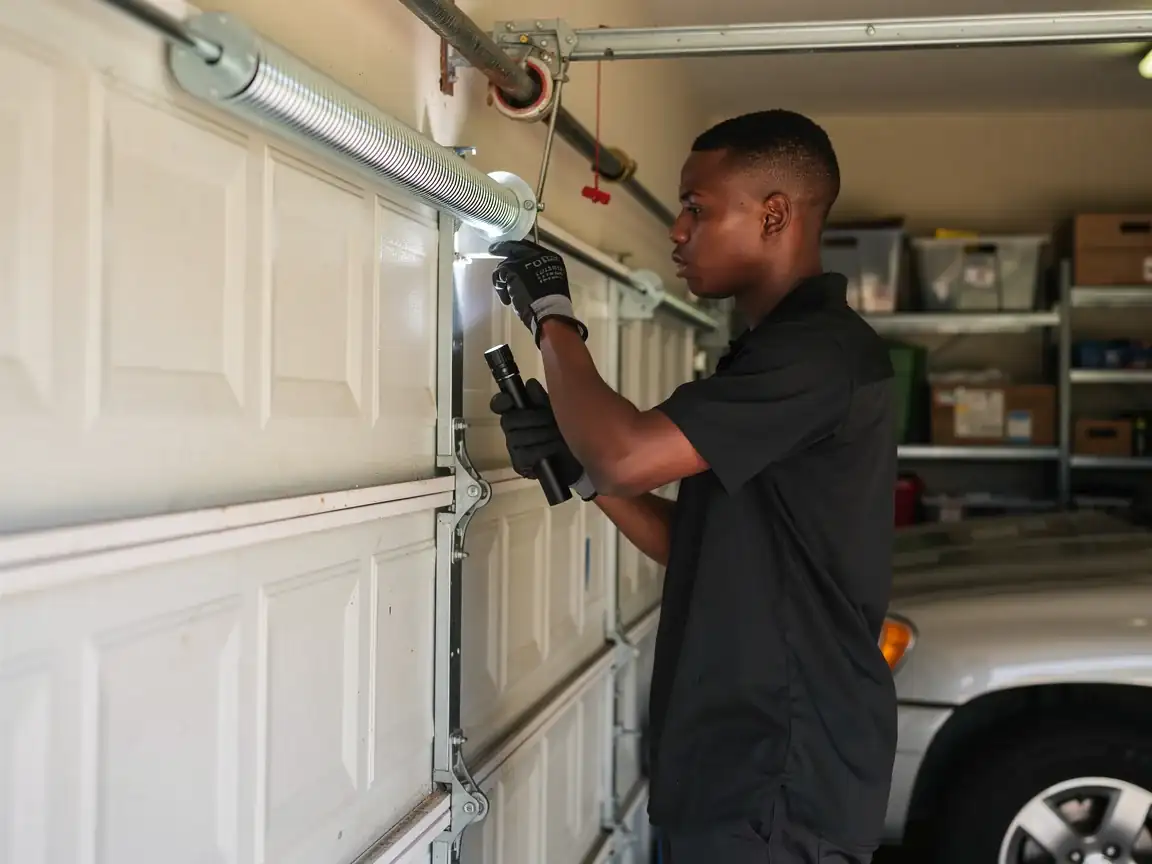
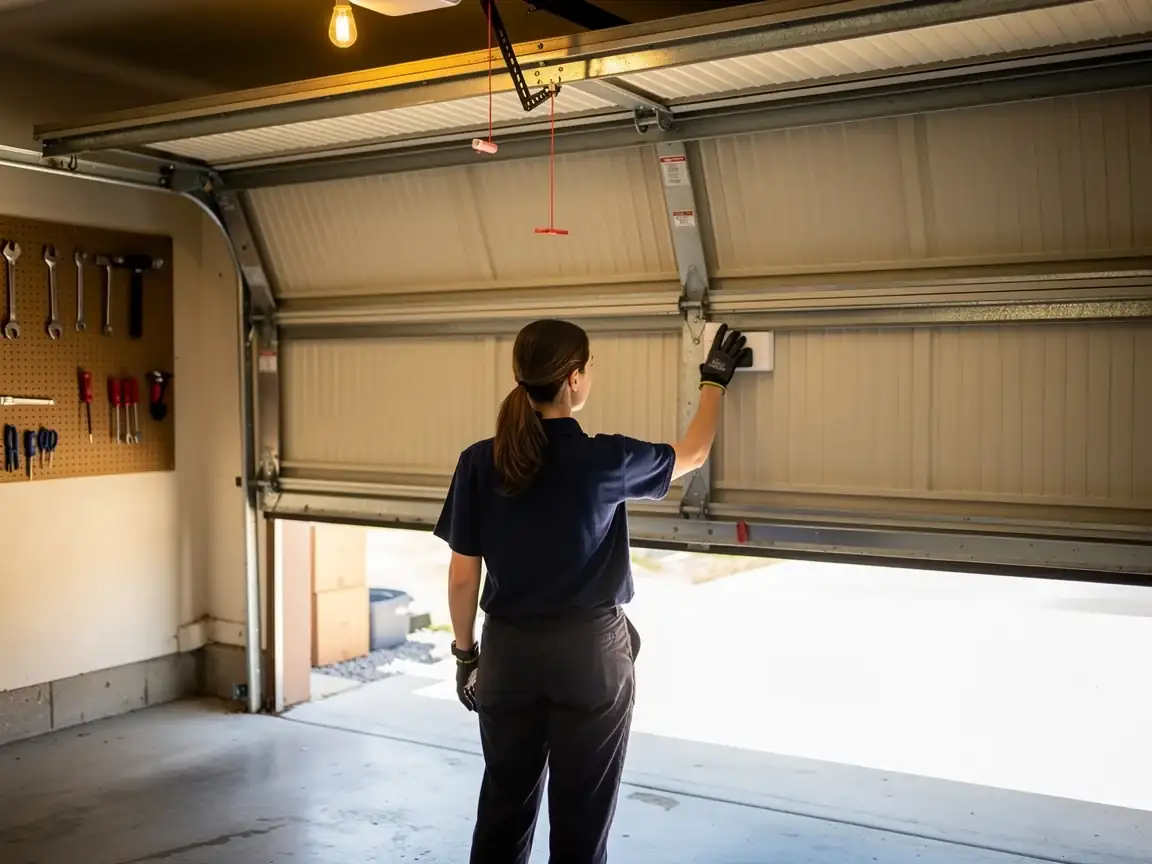
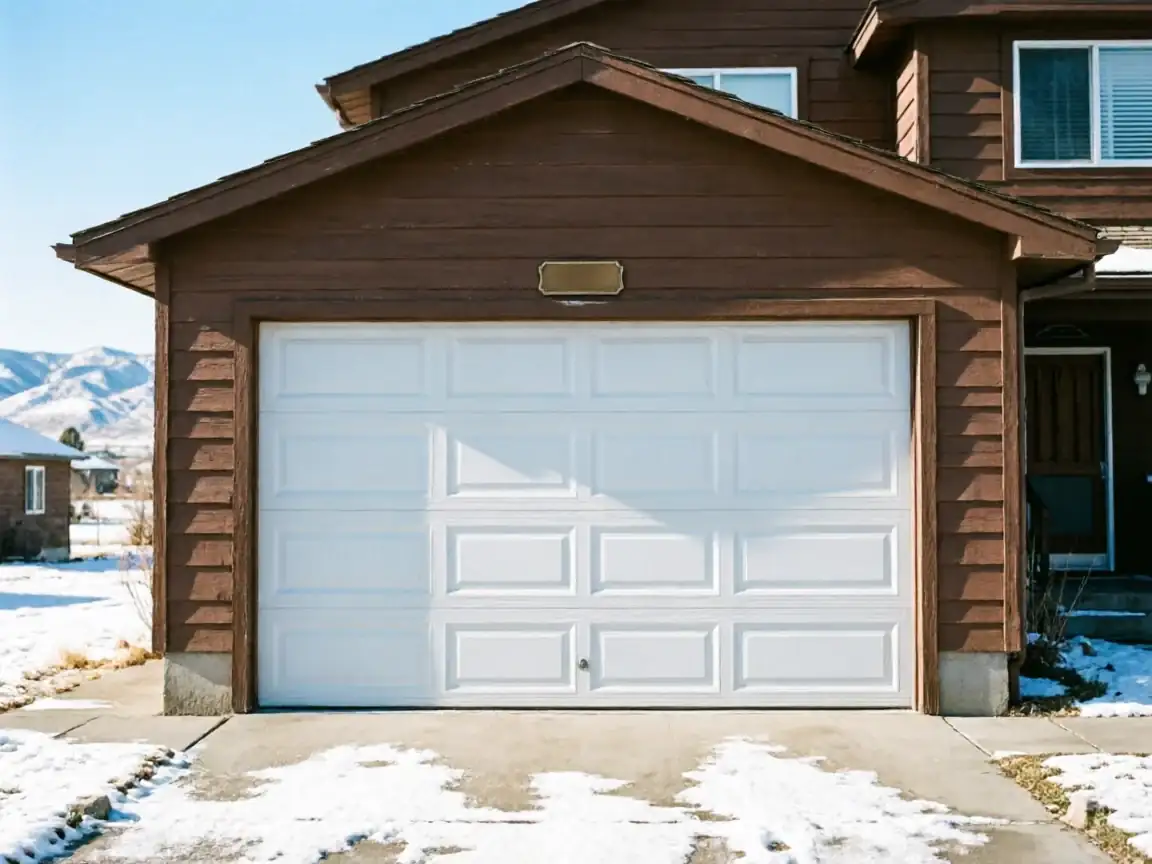
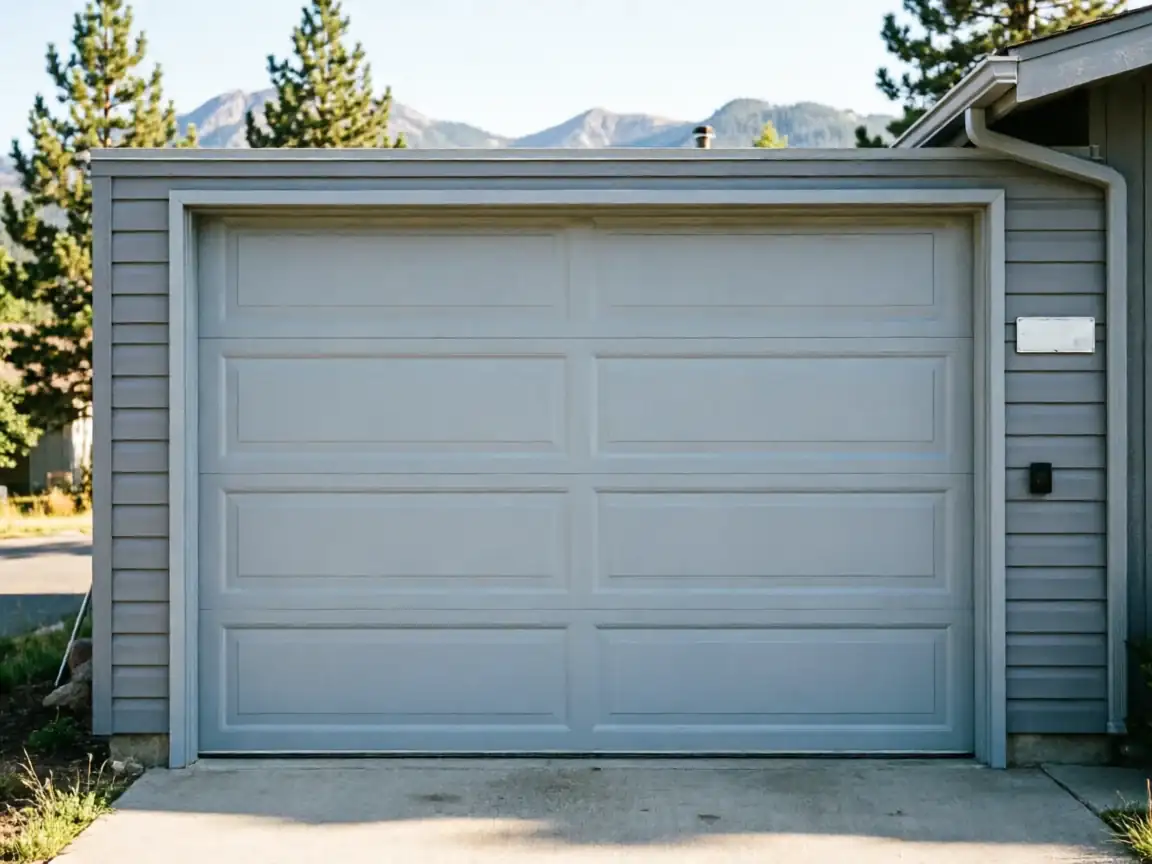
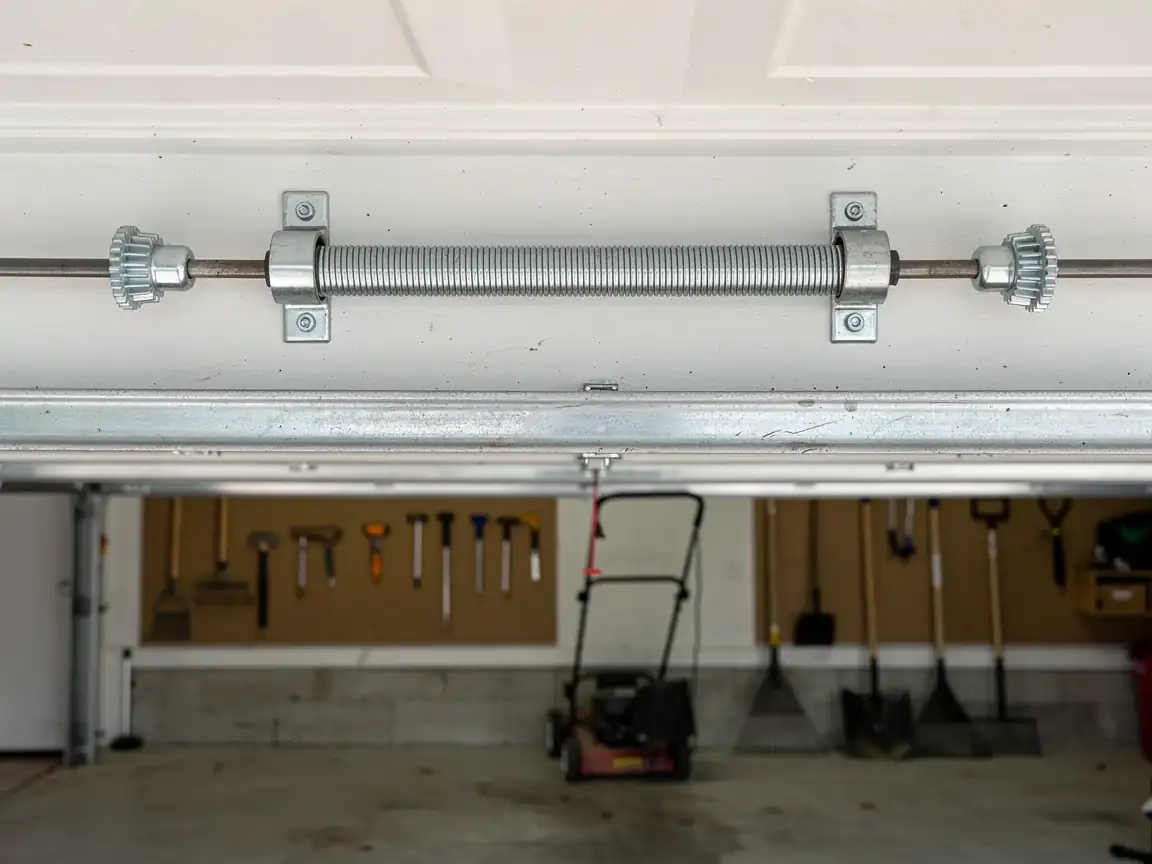
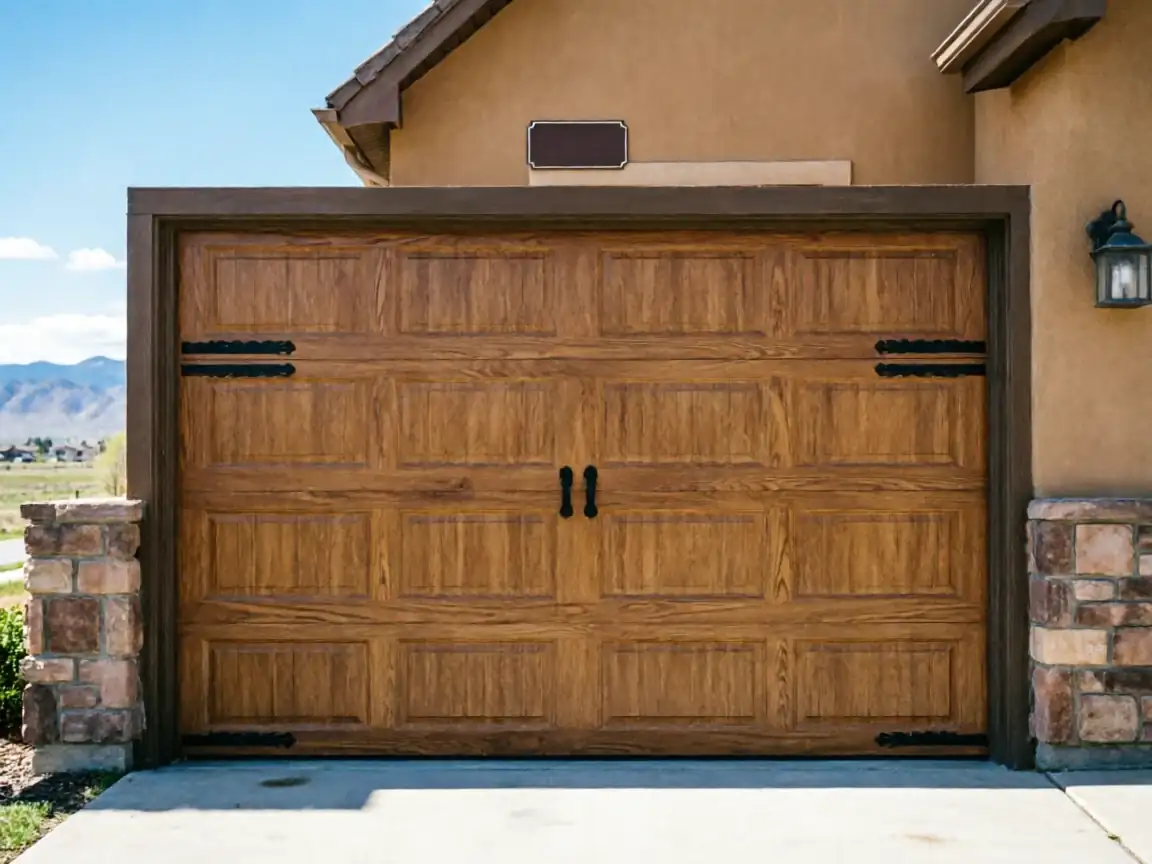
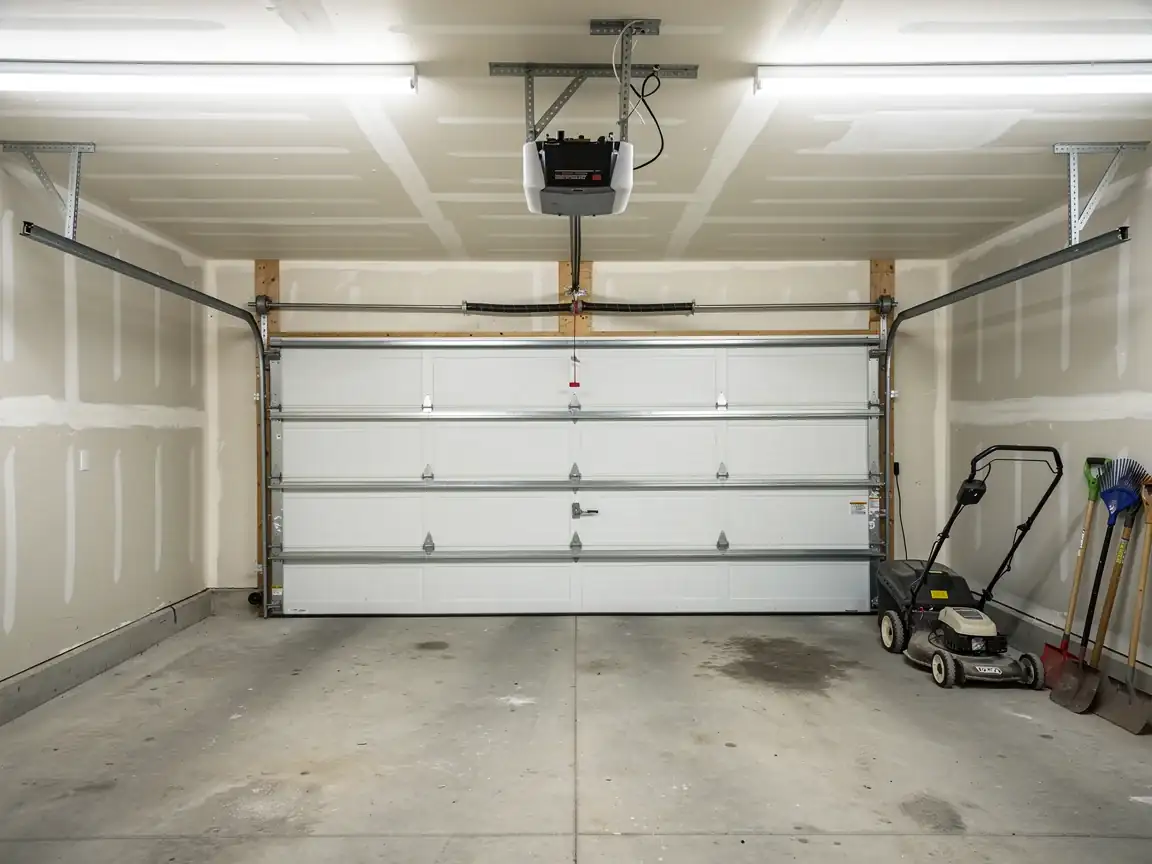
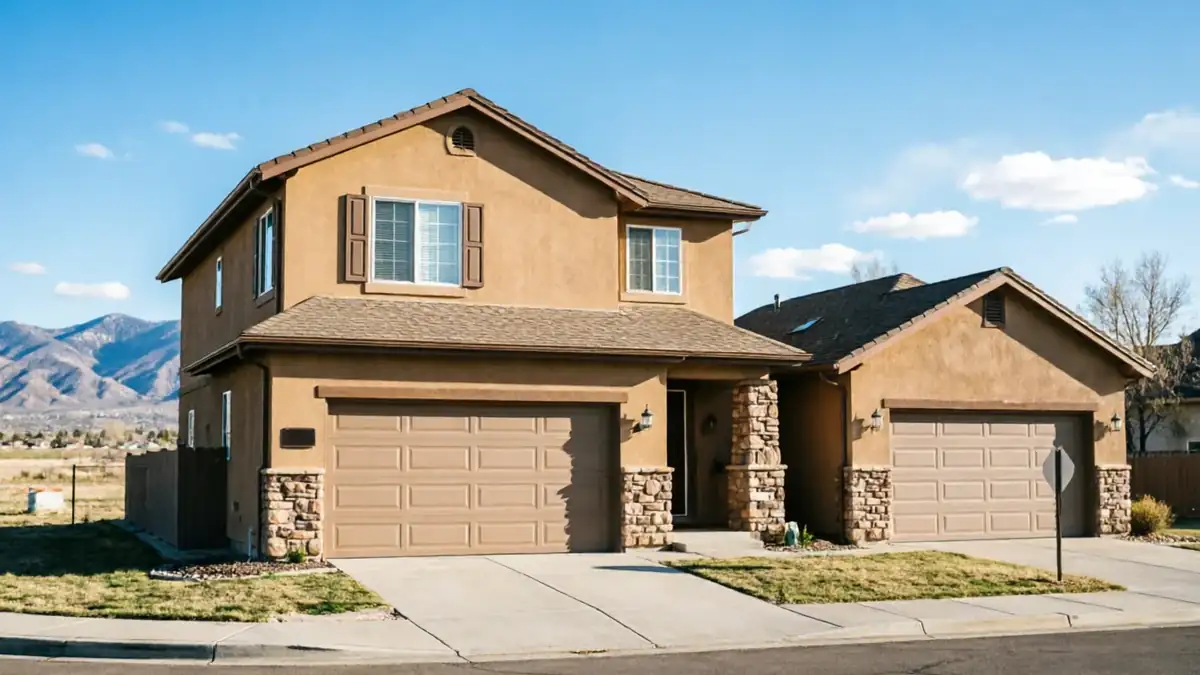
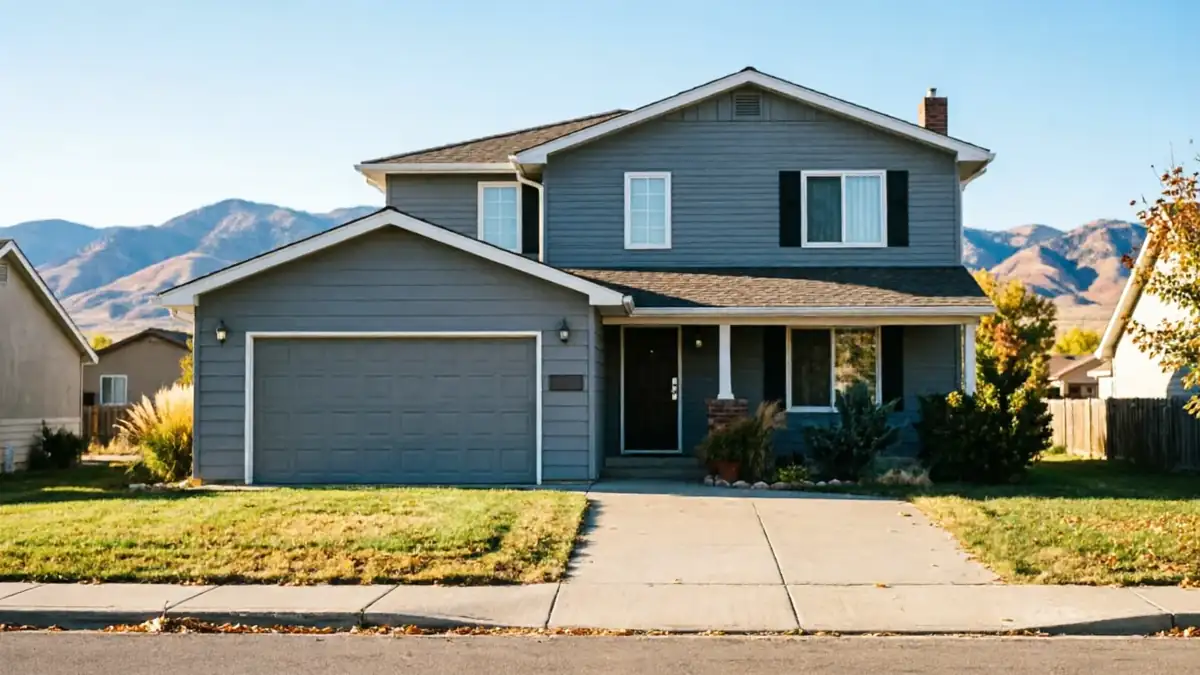
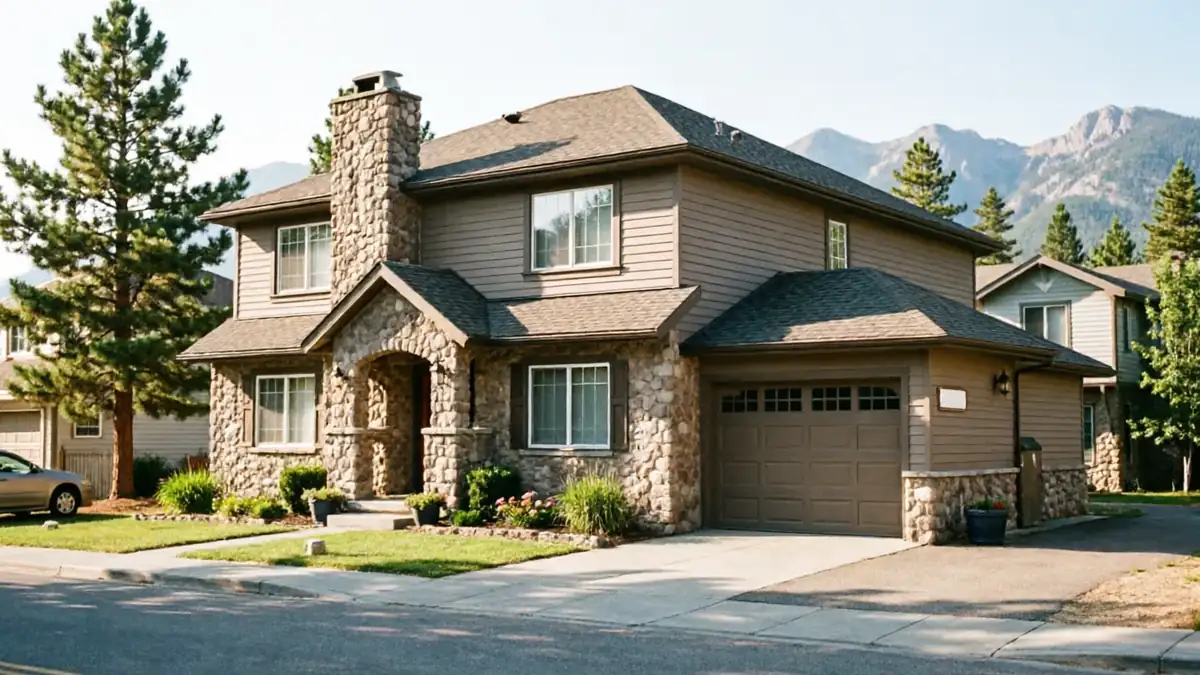
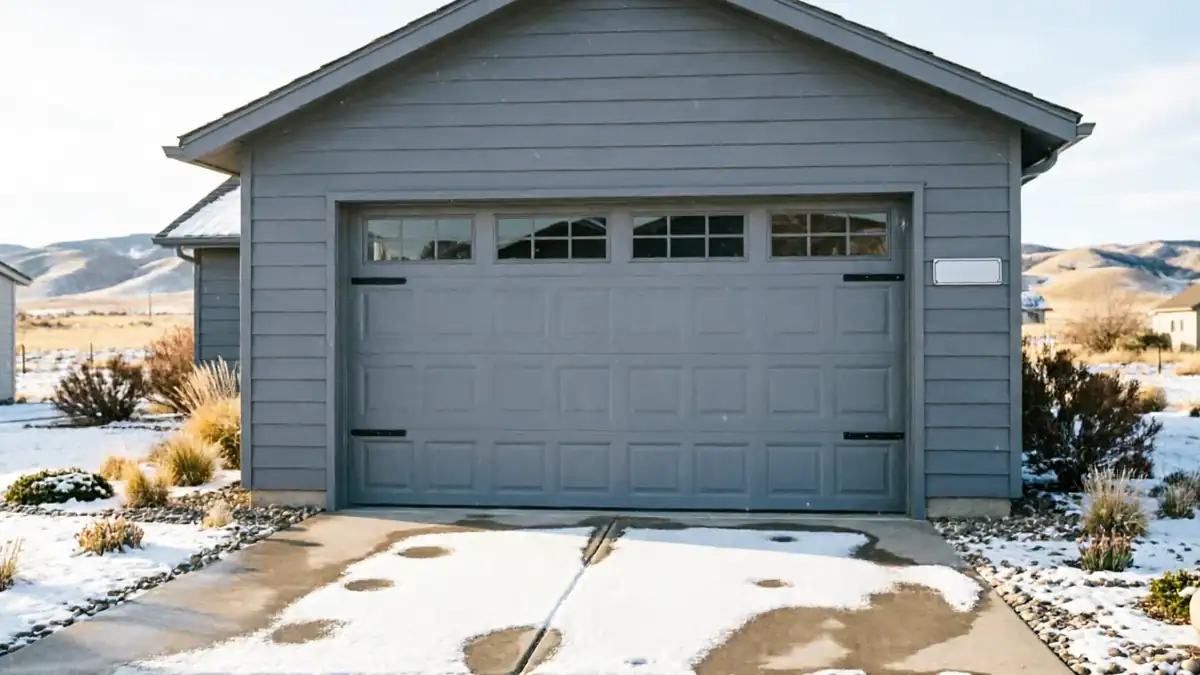
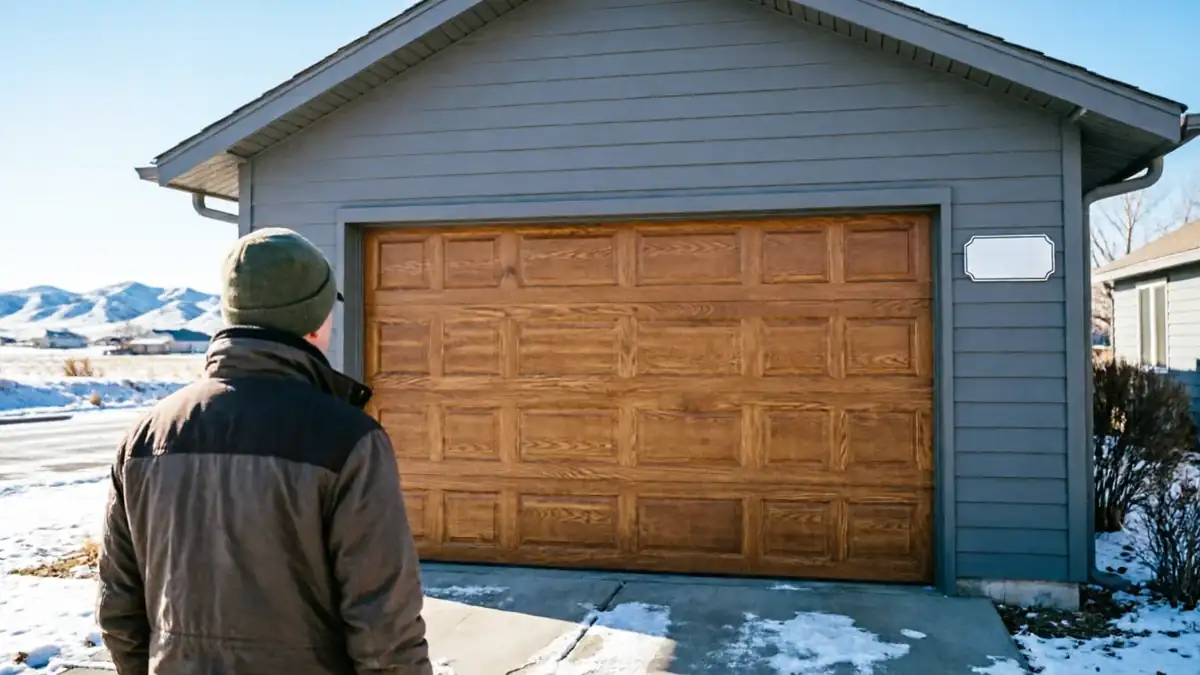
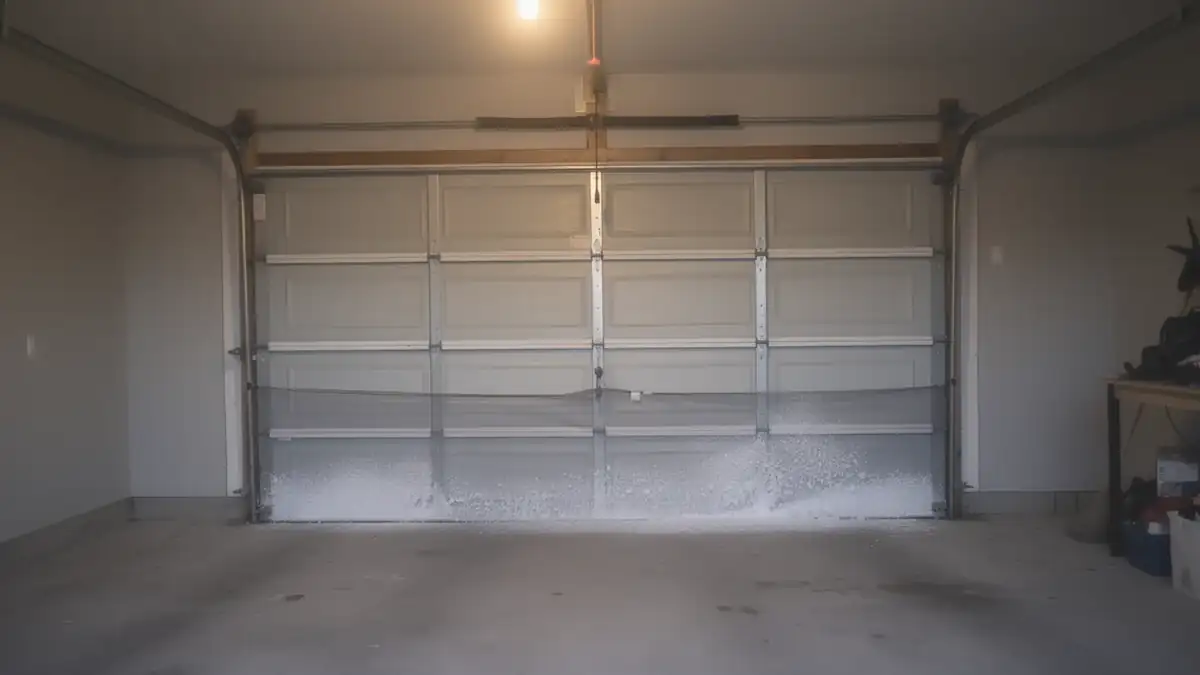
Because the build year clusters around 2000, the failure pattern in Riverton leans toward opener electronics and spring fatigue rather than the rotted wood jambs or single-piece doors you'd find on an older street. Torsion springs rated for a given cycle count start showing stress fractures around the 10,000-to-15,000 cycle mark, which lines up with a door that's twenty-some years old and opened a couple times a day. Circuit boards in openers from that same build era are reaching the end of their expected service life too - we see safety sensor failures and board shorts more than we see track or hinge failures on this generation of door. The upside of a newer build year: steel panels and galvanized track hold up fine, so most of these jobs are spring and opener work, not a full door replacement. The downside is parts. Opener boards from the early 2000s aren't always stocked for same-day swap, so sometimes the practical fix is a new opener rather than hunting down a fifteen-year-old board.
This Area's Housing
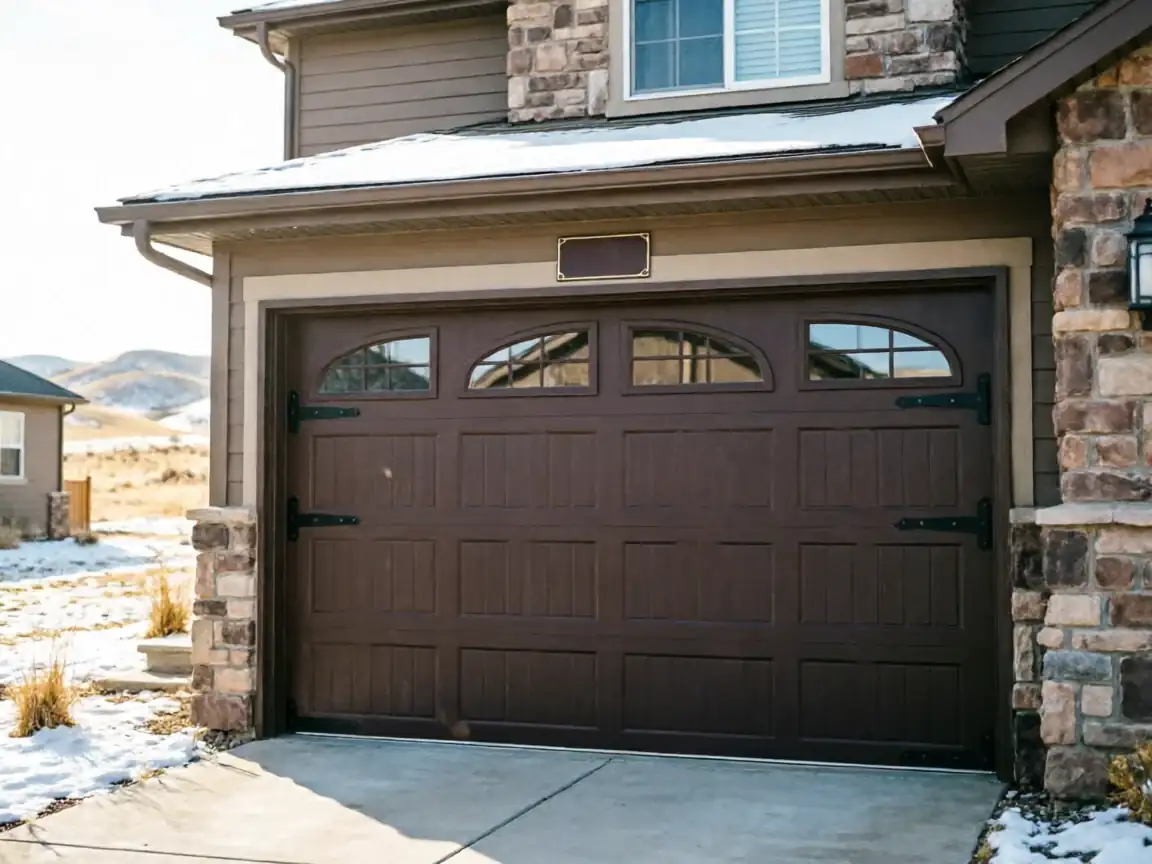
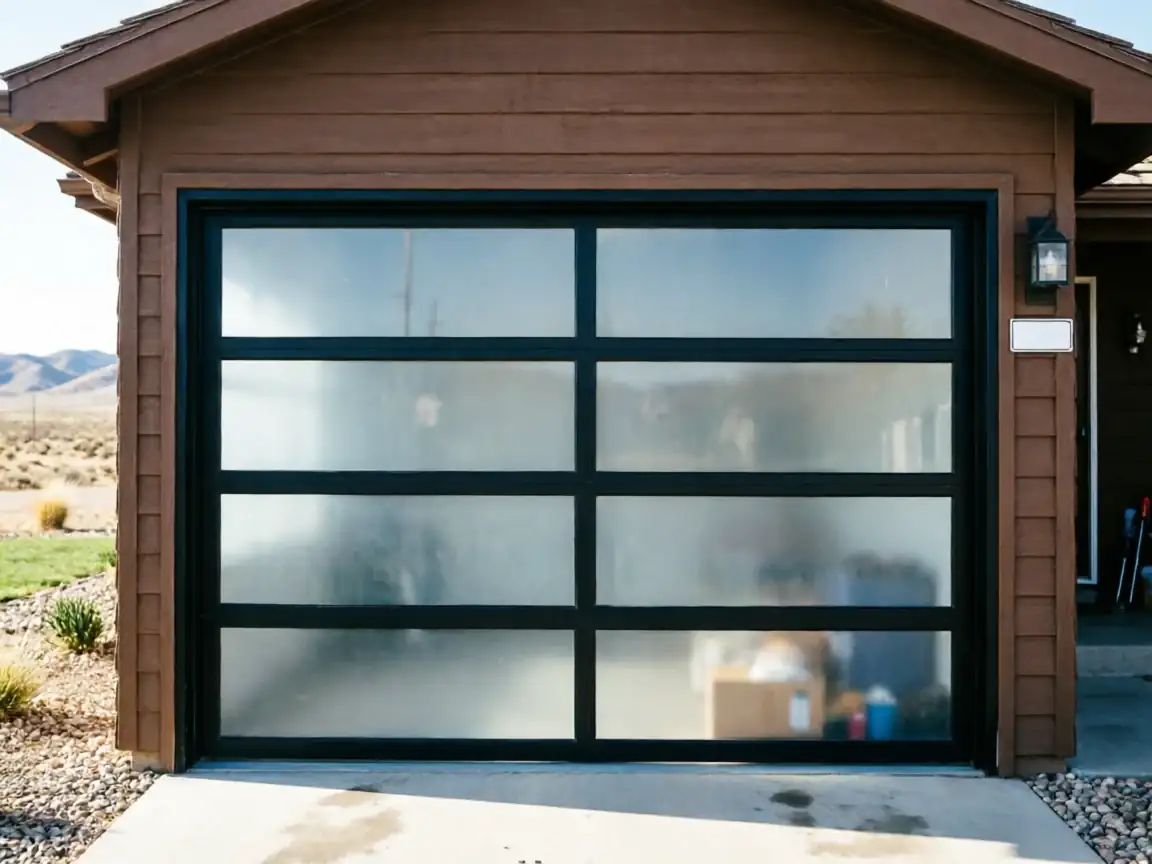
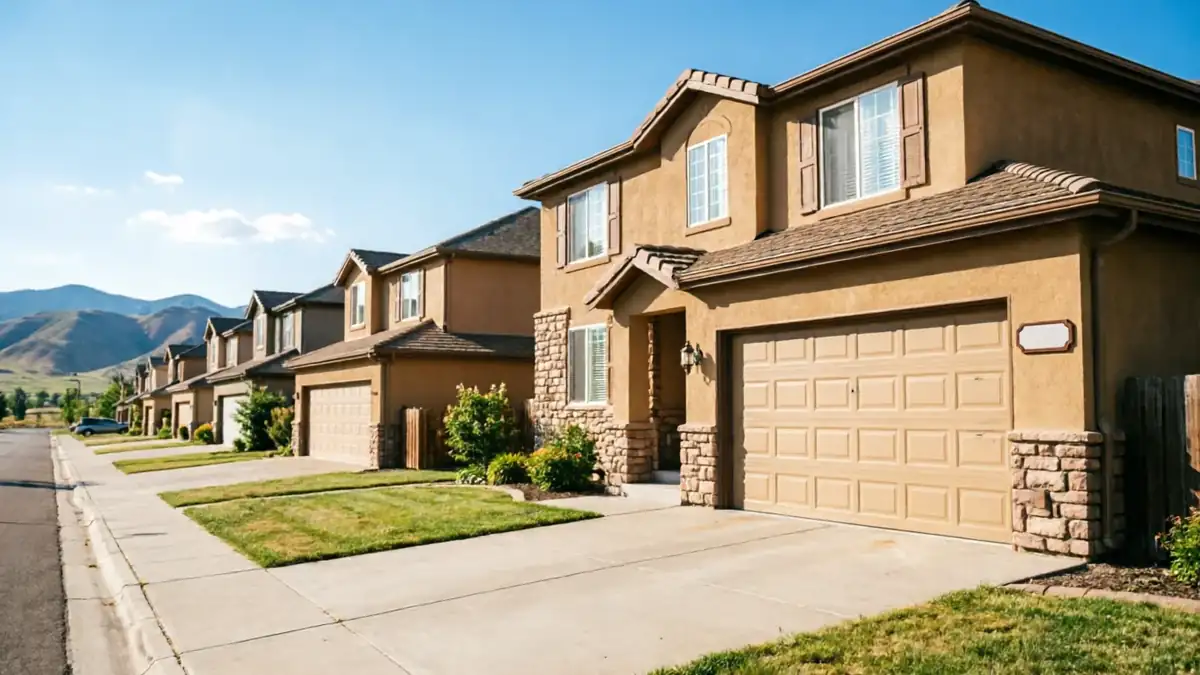
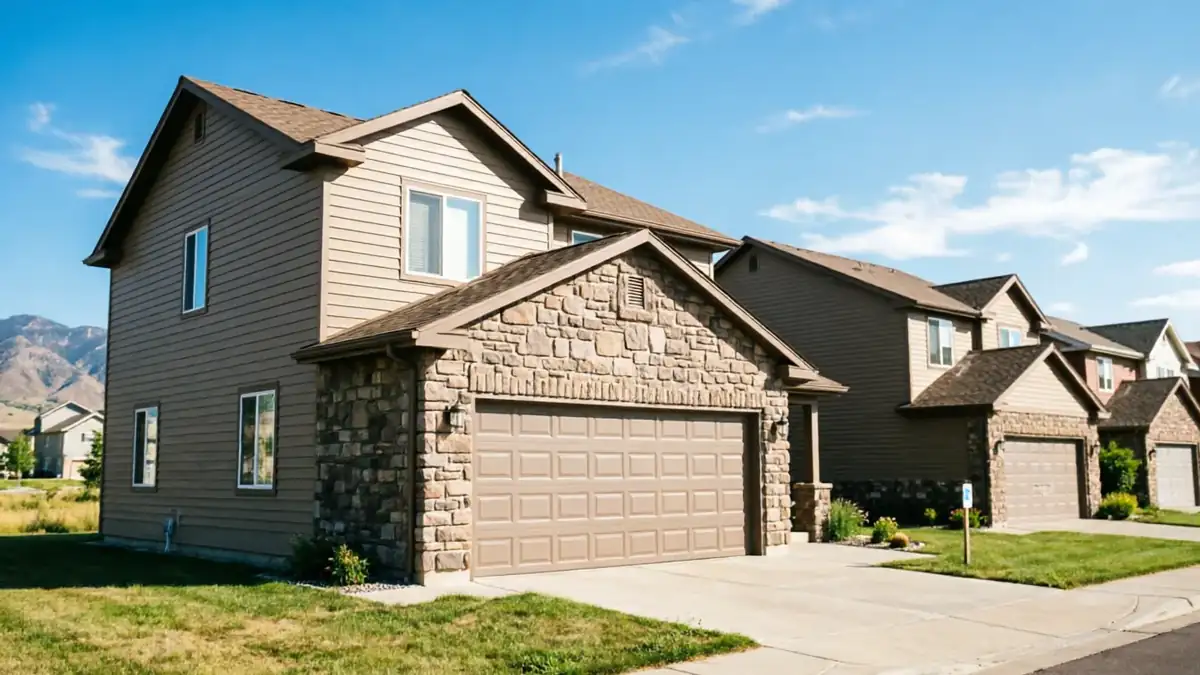
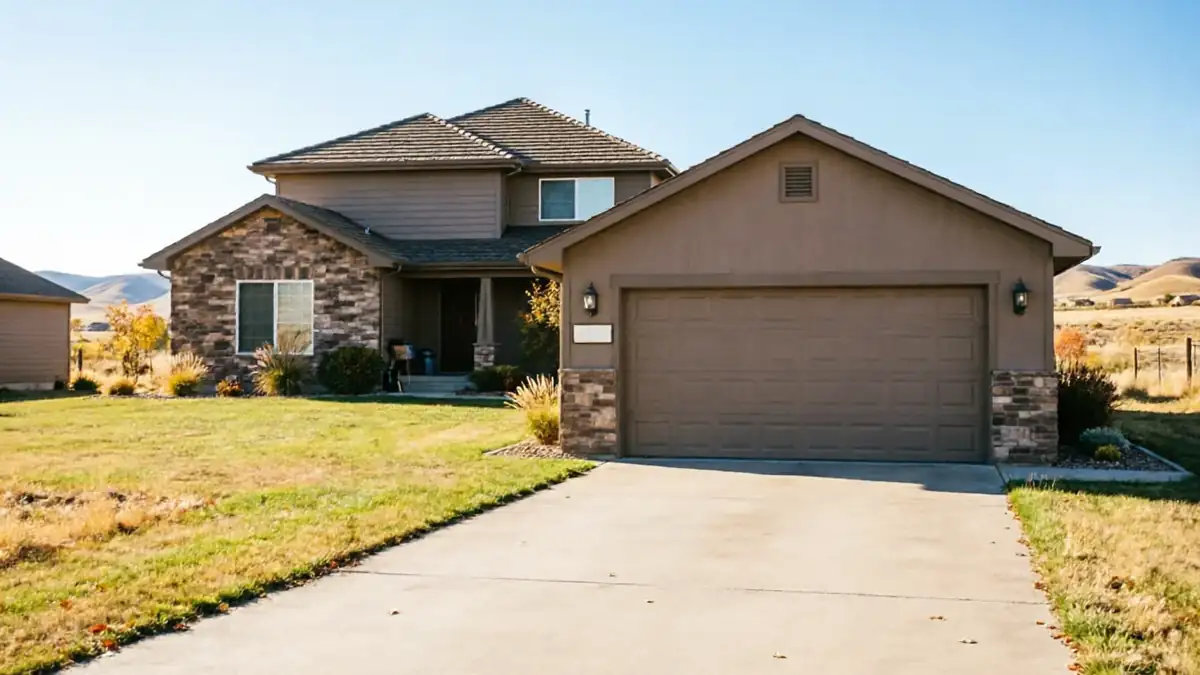
Riverton has about 13,600 households, with a median income of $119,093 - higher than the broader service area median of $115,335, which tracks with the newer construction. A house built around 2000 was framed to a different energy code than one built in 1975, so garage doors here are more likely to be insulated sectional doors rather than single-skin steel, and openers are more likely to have been installed with the house rather than retrofitted later. That matters for repair: insulated panels cost more to replace individually, and a damaged section on a newer door sometimes means ordering a matched panel rather than pulling one from a parts bin. The winters here are still cold-climate severe like the rest of the valley, so weatherstripping and bottom seals wear the same way regardless of build year - that part doesn't change just because the house is newer.