How It Shows Up
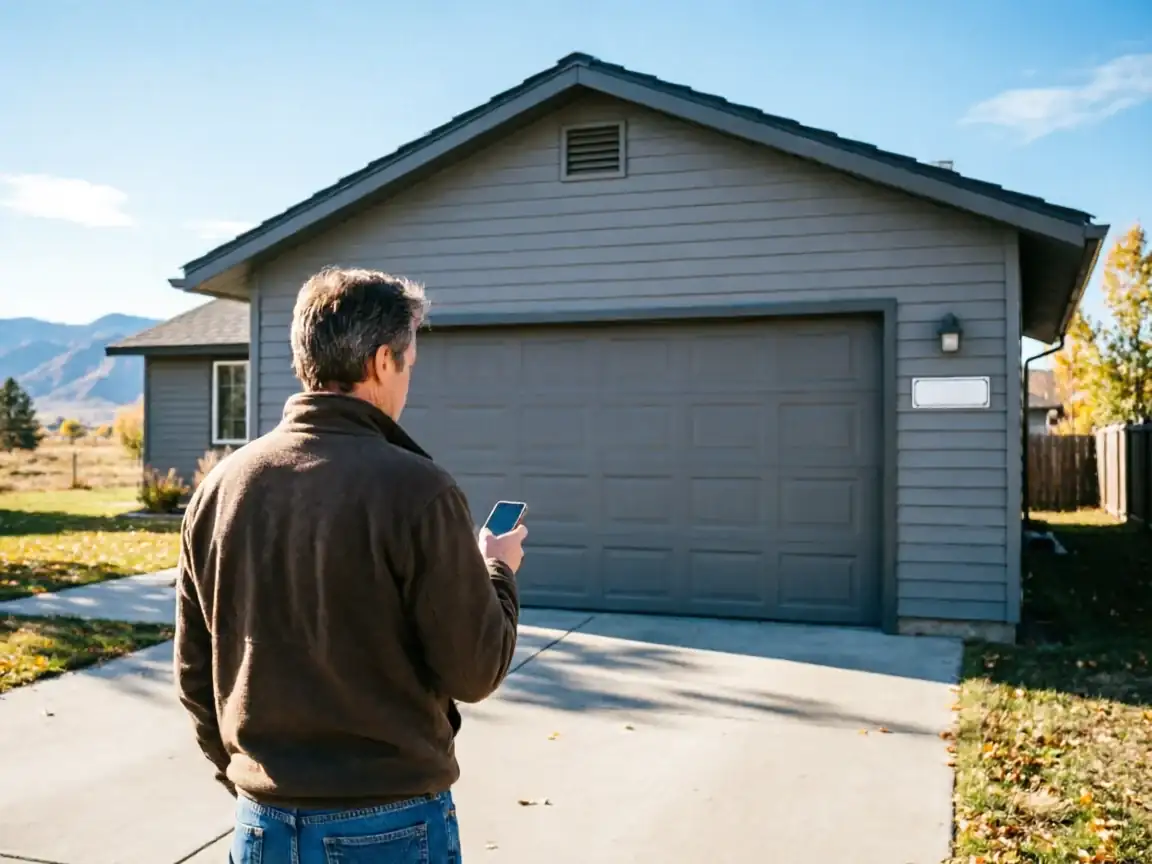
The call usually starts the same way
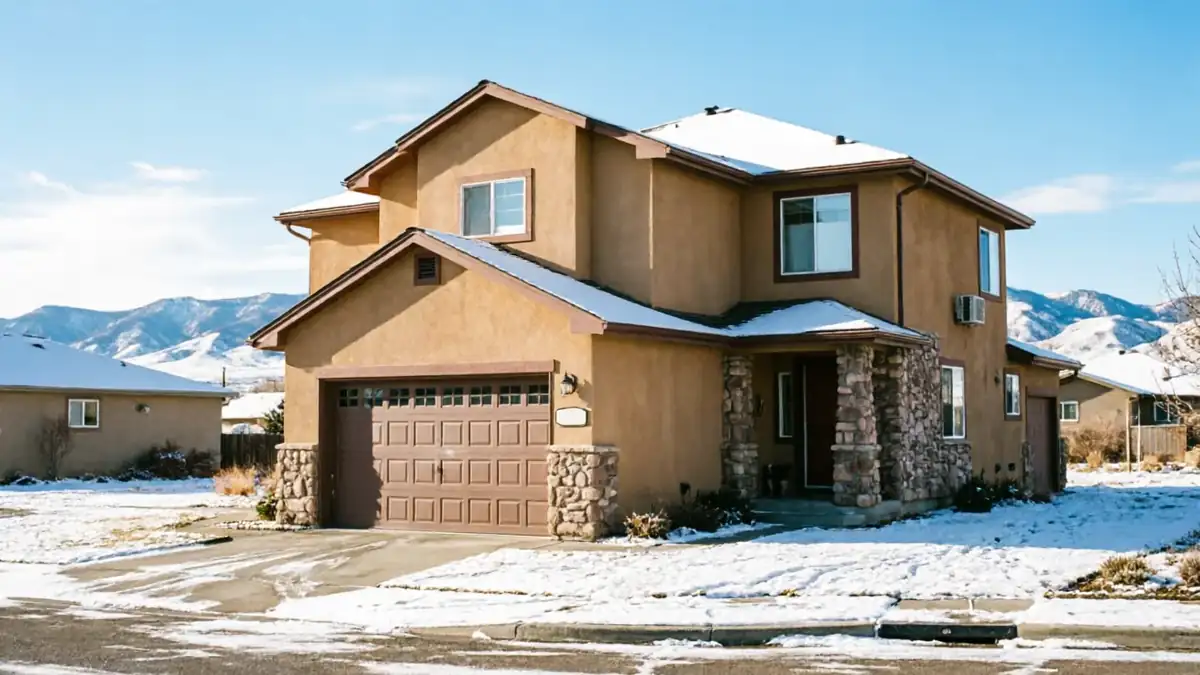
The door hesitates on the way up, or it slams the last six inches on the way down instead of settling. Sometimes it's a groan from the rollers that wasn't there last fall. None of that is random. Most houses in West Jordan went up between 1969 and 2012, with the median landing in 1999, so the springs, hinges, and roller tracks on a lot of these doors are now old enough to have outlived their factory lubricant and their original tension setting.
In a cold-severe climate, grease that moved fine all summer gets stiff by the first hard freeze
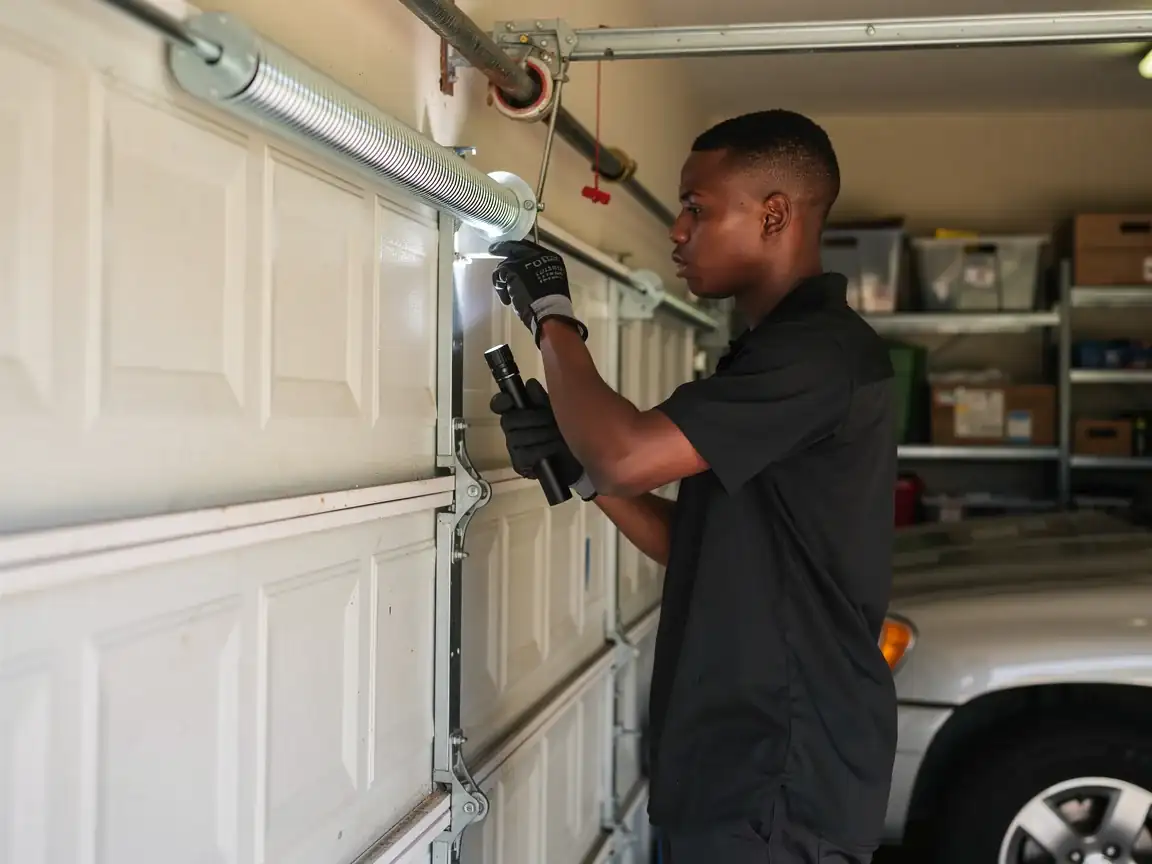
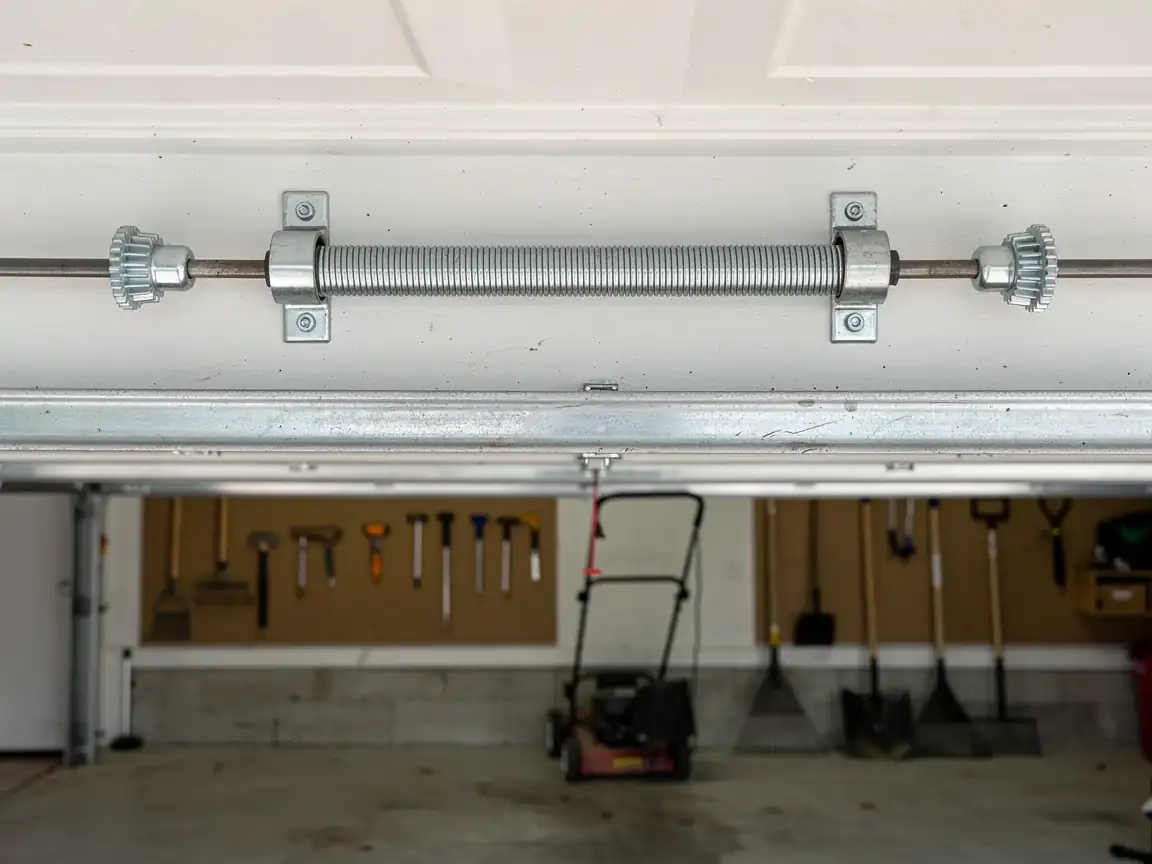
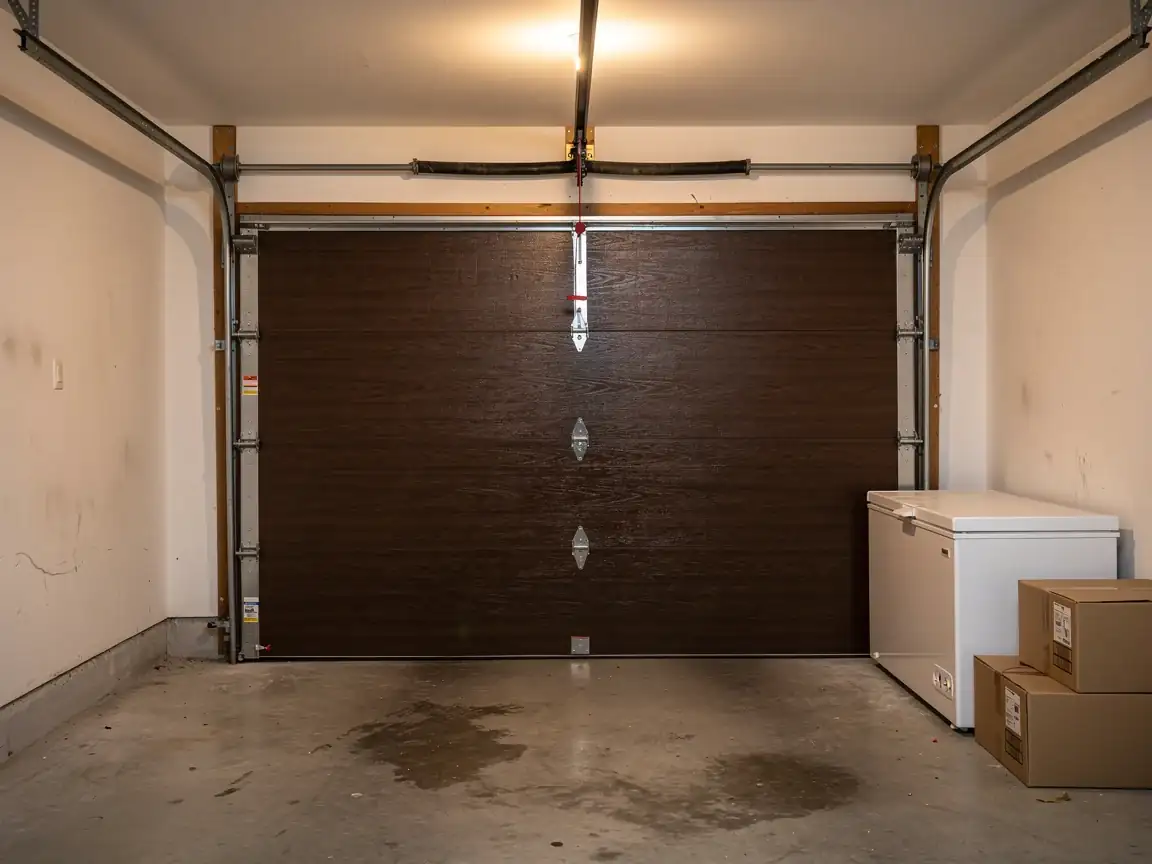
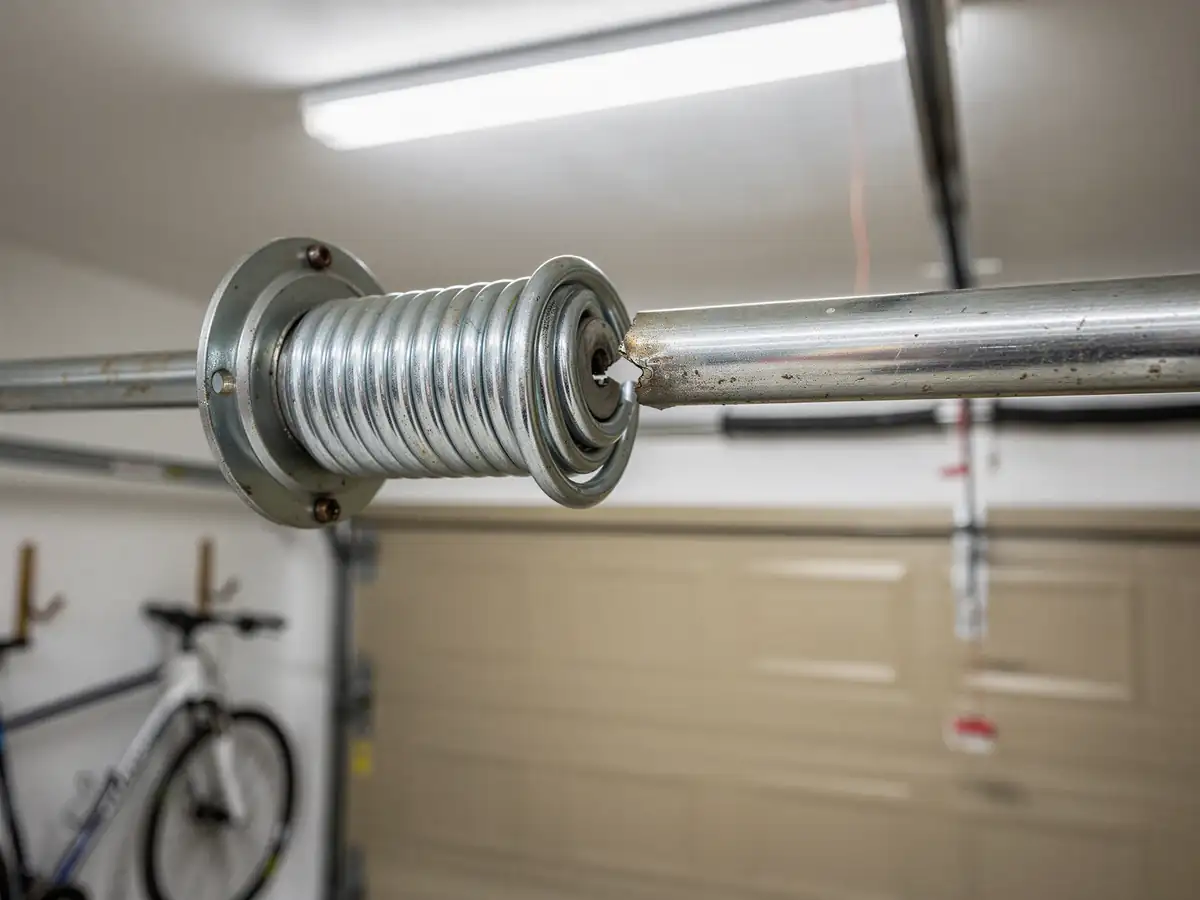
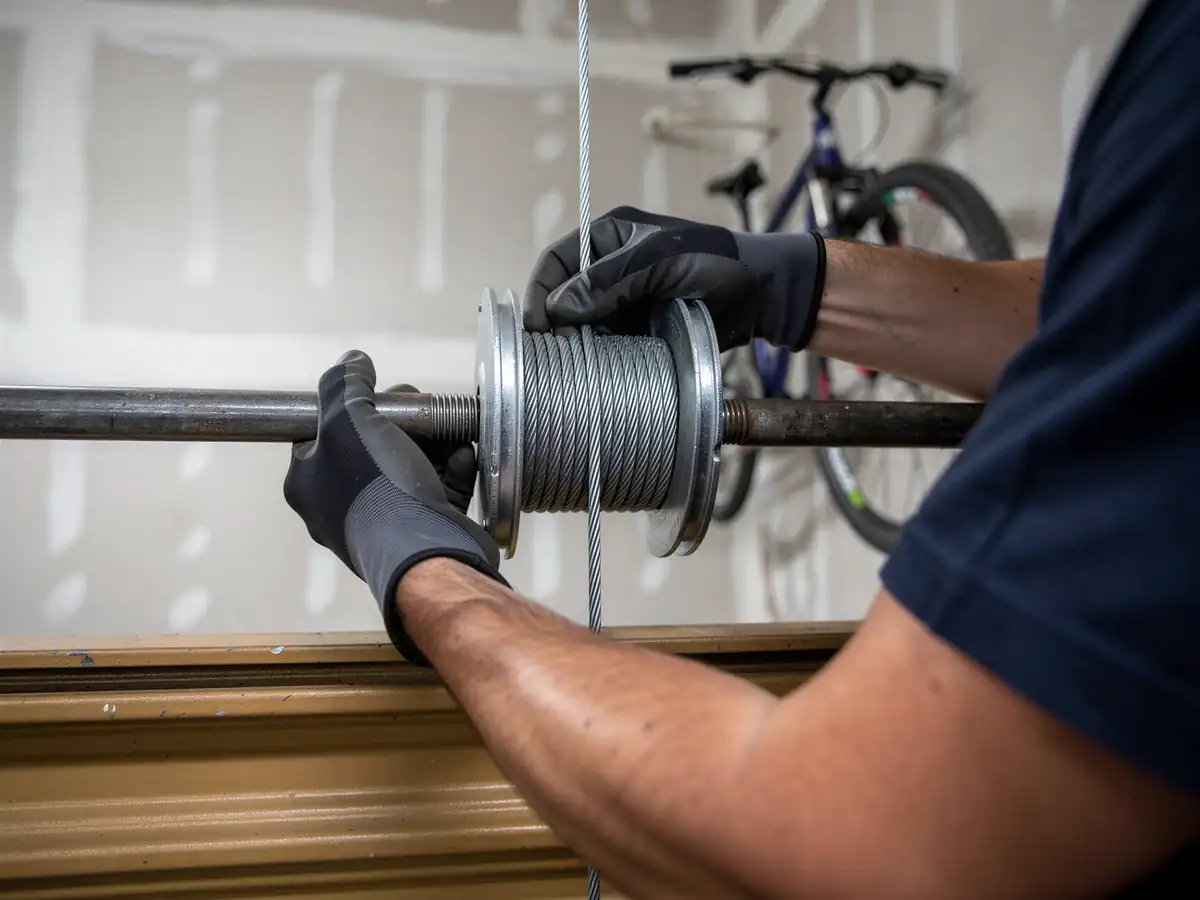
A torsion spring under slightly wrong tension will fight the opener harder every cold morning until something gives, usually a cable or the spring itself. Rollers that were fine in July start binding in the track once the steel contracts. None of this is an emergency yet when it shows up as noise or hesitation - it's the stage where a maintenance visit is cheaper than a repair call, and the only stage where that's true.
How to Book
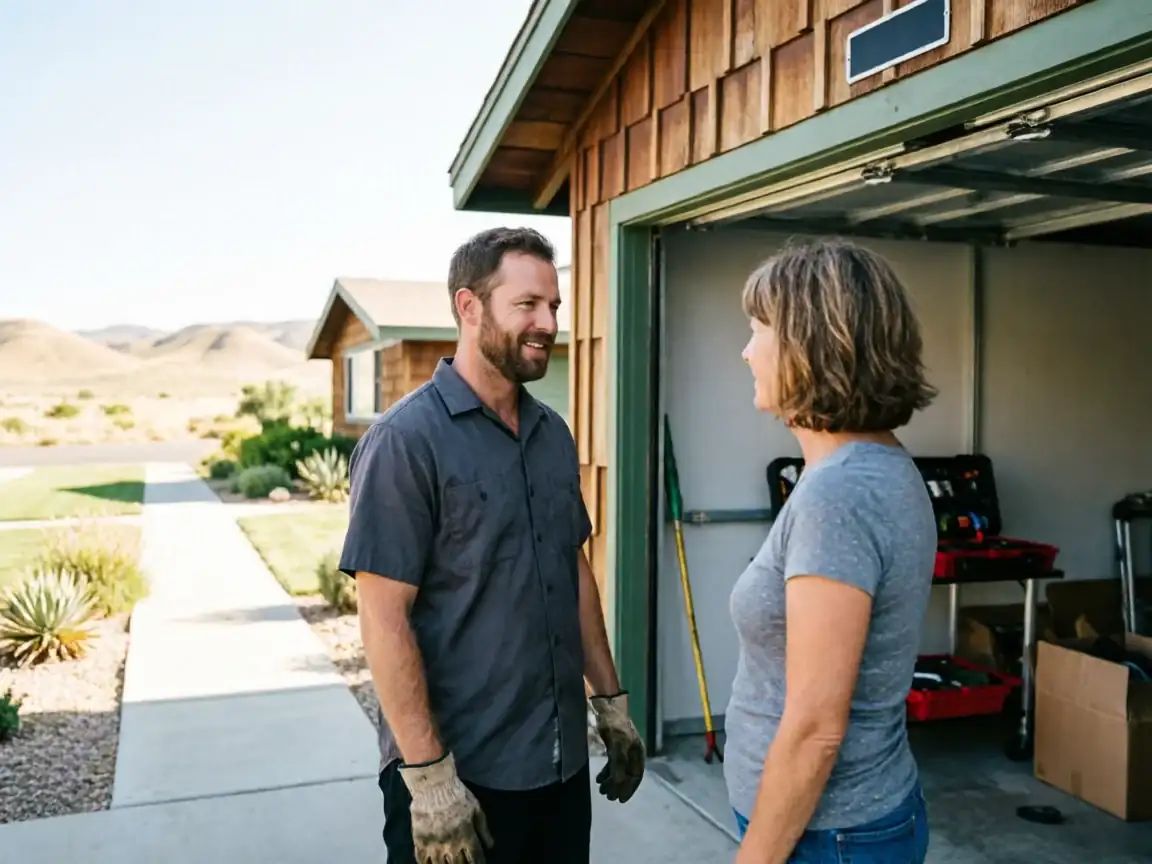
Scheduling a maintenance visit is straightforward: get in touch through the contact page and tell us the door's age, whether it's single or double, and what you've noticed - noise, a slow open, a door that won't stay level. That's enough for us to bring the right lubricant, the right torsion wrench, and the right roller stock for the visit instead of guessing.
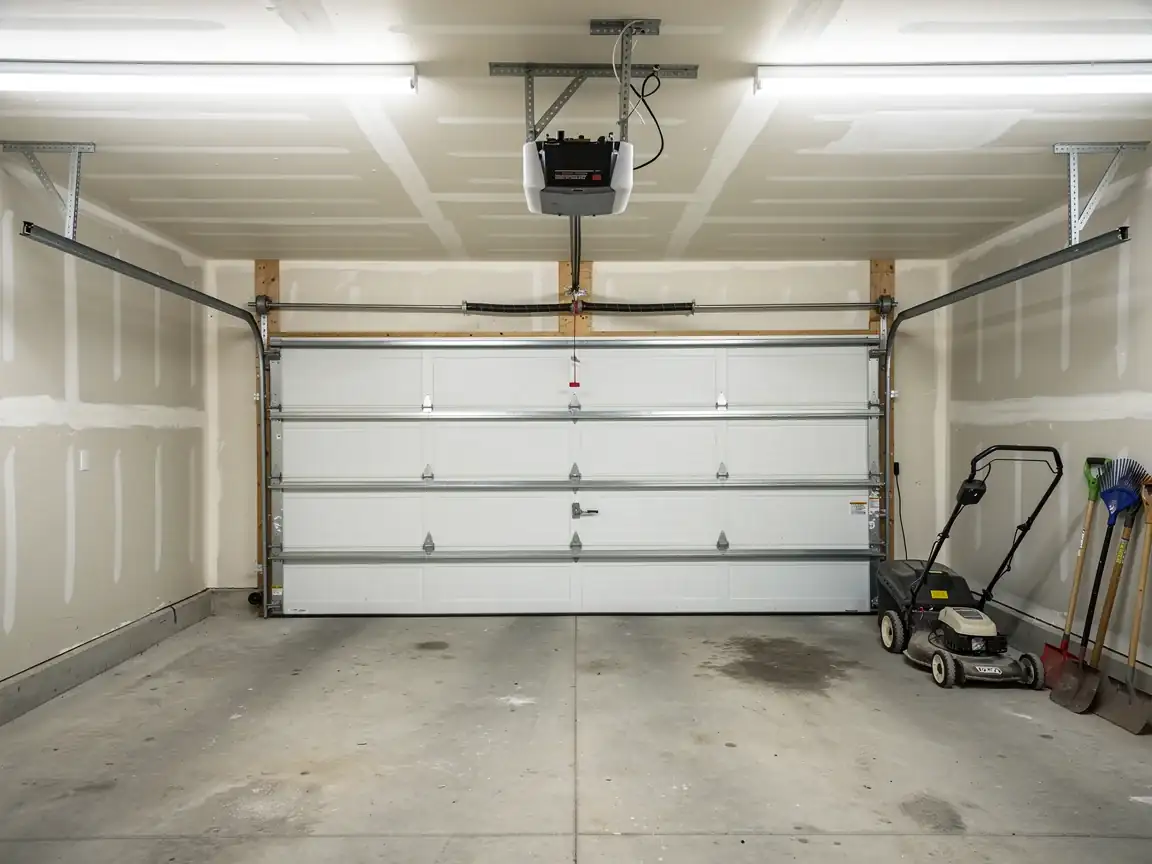
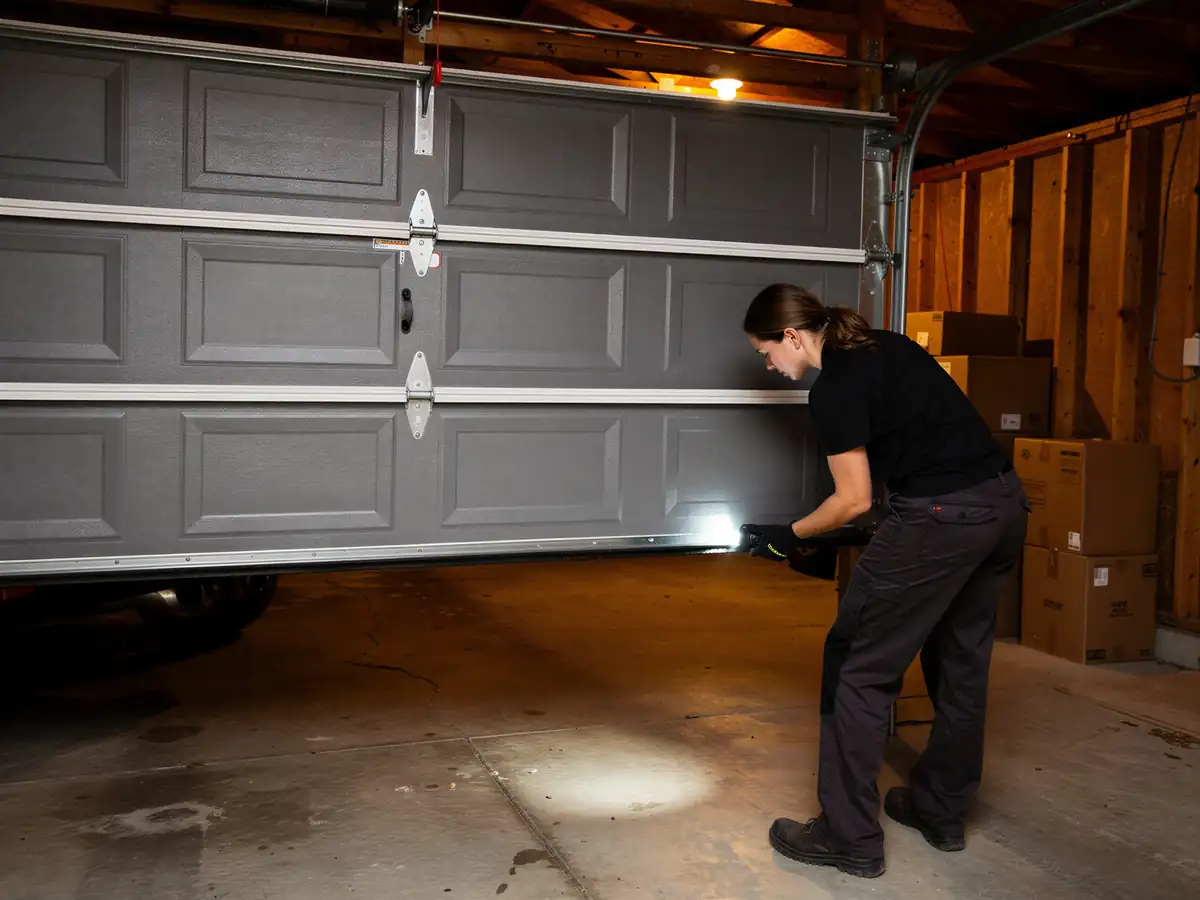
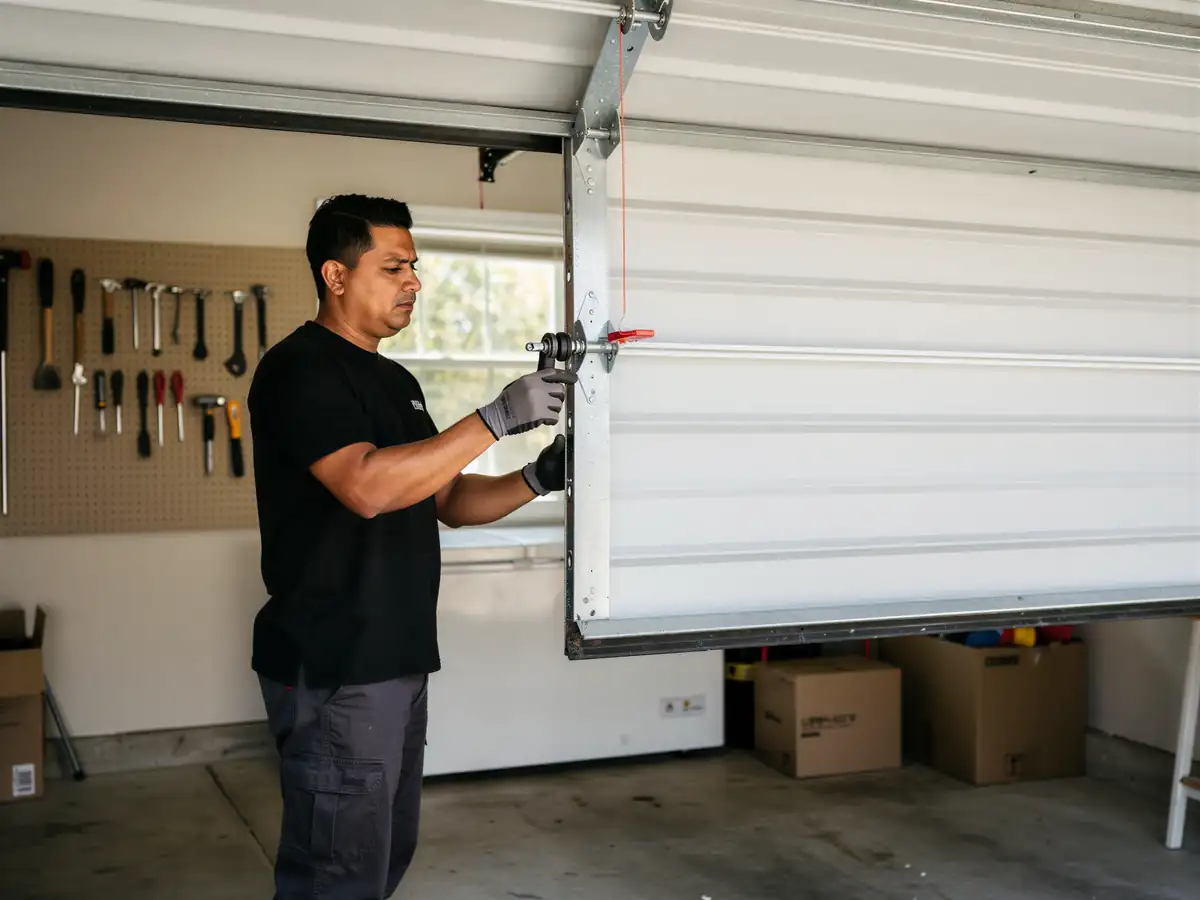
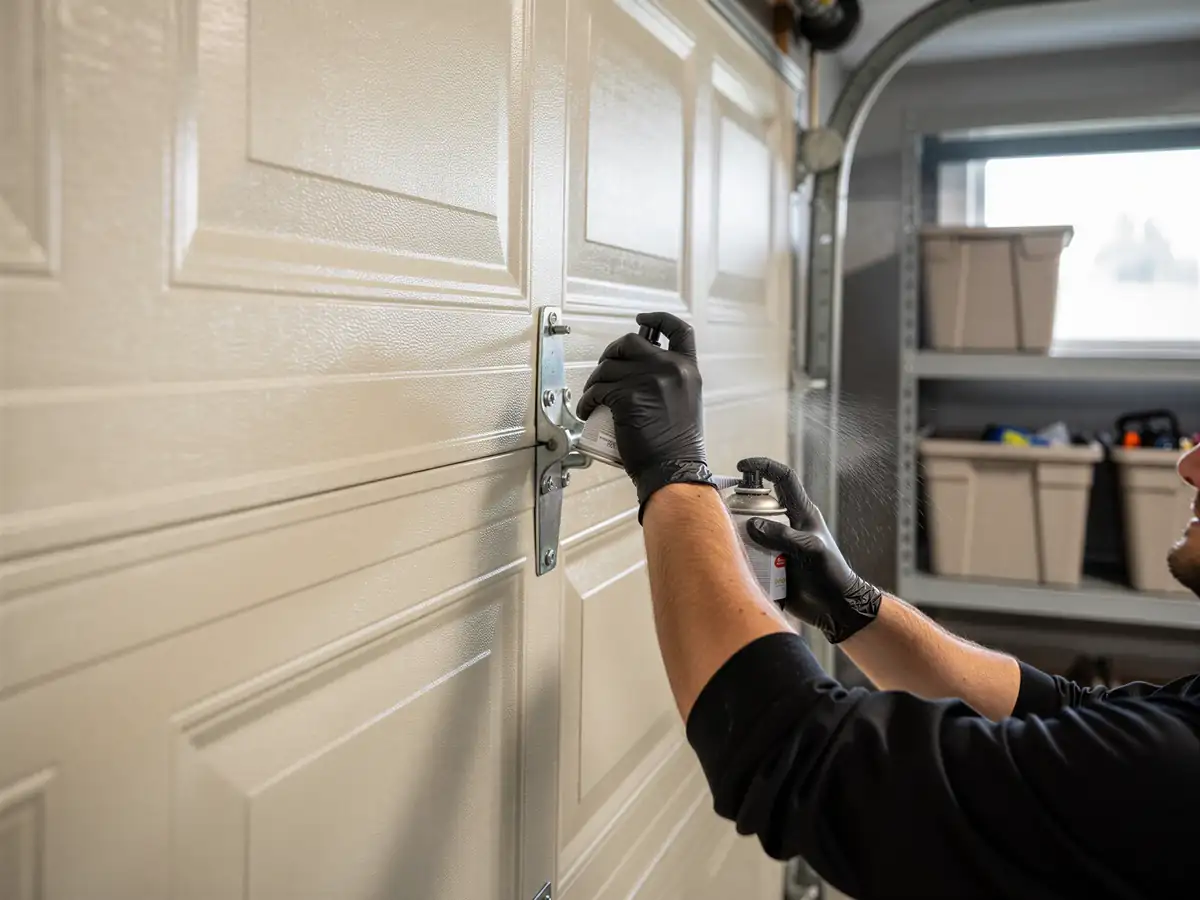
We don't ask for a model number over the phone and we don't need you to diagnose anything before we show up. If the door is original to a house built in the 1980s or 90s - common across this part of the valley - we already know roughly what hardware we're walking into. A maintenance visit is a fixed scope: springs checked and lubricated, track alignment checked, hardware tightened, opener force and limits tested. If something outside that scope turns up, like a cracked panel, we'll tell you before we touch it, not after it's on the invoice.
Start here: /
The DIY Question
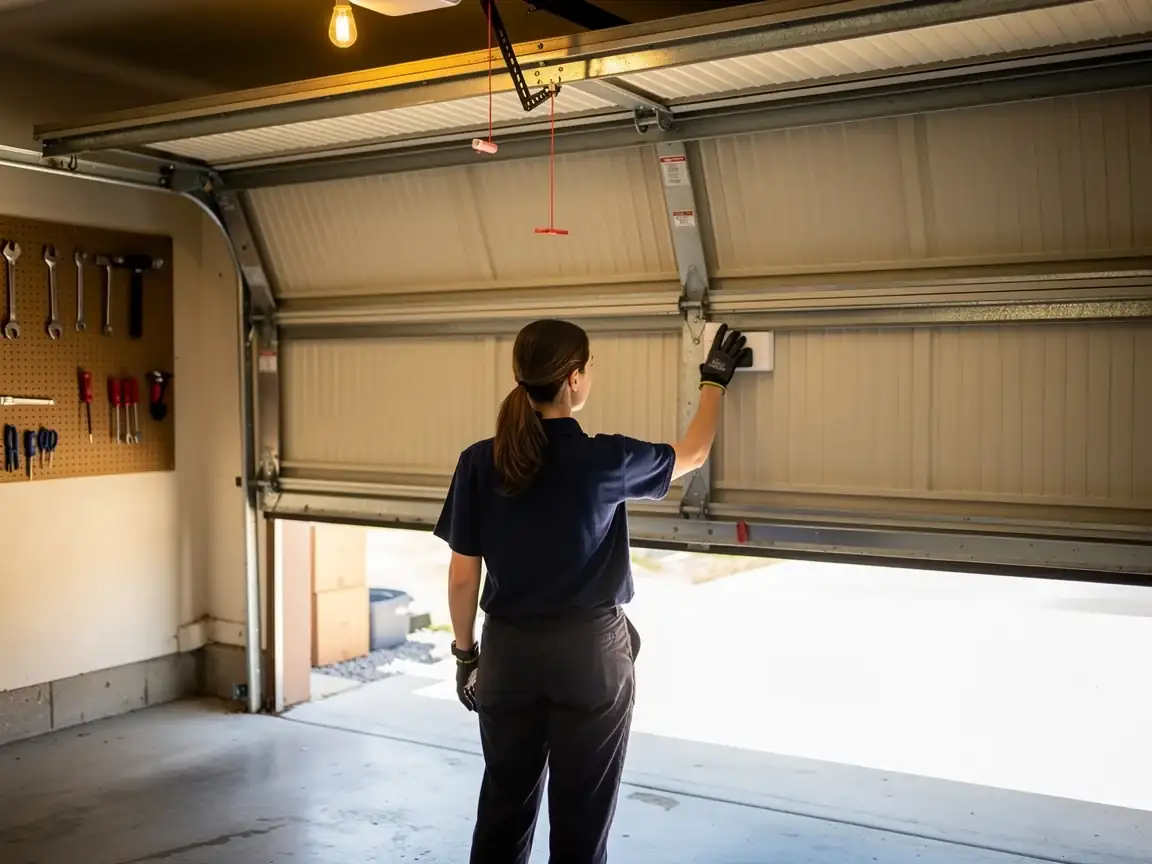
There's a real list of things an owner can check without a ladder accident waiting to happen: wipe down the tracks, listen for grinding versus squealing, watch whether the door is level as it closes, and check that the auto-reverse still works by setting a 2x4 flat under the door and closing it. If the door doesn't bounce back off the board, stop using the opener and call someone.
What you shouldn't do yourself is touch the torsion spring. It's wound under enough tension to break a bone, and that's not an exaggeration tradespeople use to drum up business - it's why we charge for the visit and why the tool for it isn't a pair of pliers. We also won't pretend every noise needs a truck roll. If the fix is a dry hinge, you can put a drop of garage-door-rated lube on it yourself and skip the call. We'd rather tell you that than bill you for five minutes of work.
Why It Happens Here
This isn't a generic cold-weather problem
It's what happens when a specific housing era meets a specific climate. Most of the stock in this part of the valley is 1980s and 90s construction, part of a broader run of building between 1969 and 2012 that spread across the 27 named communities this company works, from three miles southwest of here to Eagle Mountain twenty miles out. That generation of doors used lighter-gauge torsion hardware than what's installed new today, and over three or four decades the factory lubricant breaks down long before the steel does.
Pair that with a cold-severe climate band and you get a predictable failure pattern
Hardware that's slightly under-maintained all summer gets pushed past its margin the first week the temperature drops hard. Across the service area's 327,418 households, 167,938 of them own the house the door is attached to, which means the cost of a skipped tune-up lands on the owner directly, not a landlord. At a median household income of $115,335 across the area, a once-a-year maintenance visit costs a lot less than the emergency call that follows a snapped cable on a January morning.
- 327,418 households
- $115,335 median household income