Serving West Jordan, UT & nearby
(385) 510-4257
West Jordan, UT

When a Spring Goes in Cold Weather in West Jordan

Why West Jordan's 1980s-2000s housing stock and severe cold winters make torsion springs snap now, what to check yourself, and when to call a pro instead.

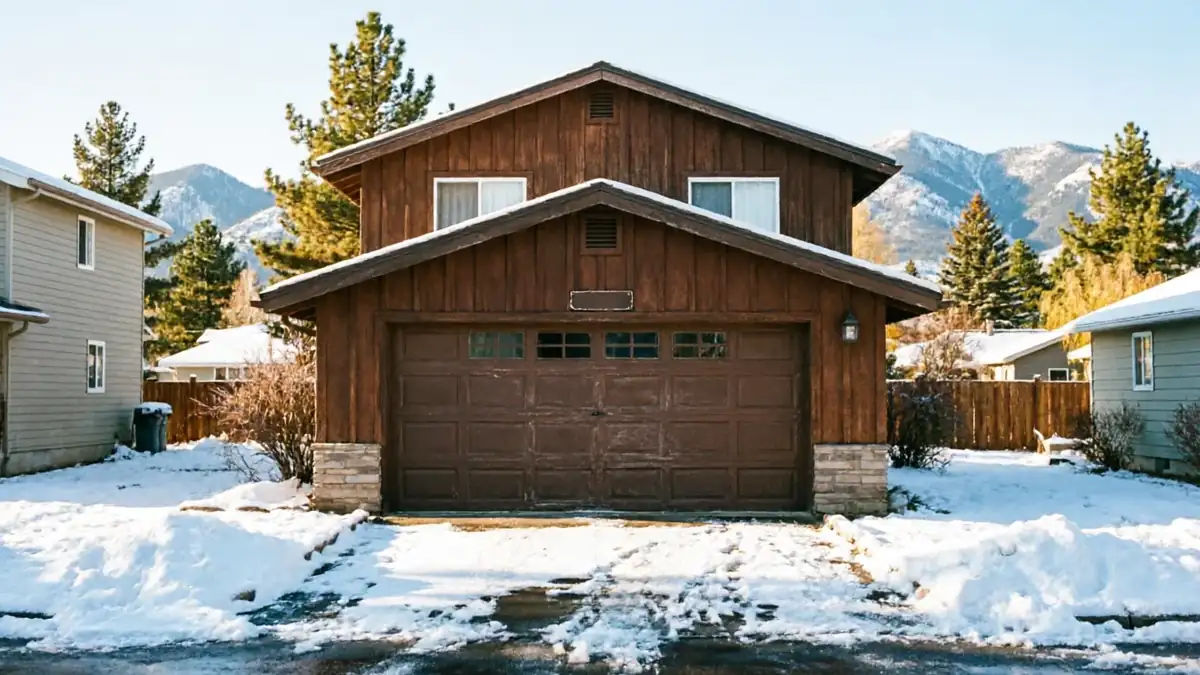
A brown garage door on a brown house with snow on the ground.

How Local Conditions Play In

  1. Most of the garage doors we open up in West Jordan sit on houses built between 1969 and 2012

    With the bulk of that stock going up through the 1980s and 90s across the subdivisions here. That matters because a torsion spring has a rated cycle life, and a spring installed when a house was framed in, say, 1988 is now past 30 years old. Steel doesn't care how well you maintained the opener - fatigue is fatigue.

    • 30 years
  2. The other half of the problem is the cold

    This area sits in a severe cold climate band, and steel loses flexibility as temperature drops. A spring that's already fatigued from three decades of cycling has less give left when the metal itself stiffens up on a sub-freezing morning. That's why we see a clear spike in snapped springs on the first hard cold snap each winter, especially in homes built in that late-80s to mid-90s window where the original spring was never swapped out.

  3. If your house falls in that build era and nobody's replaced the spring since, cold mornings are when it fails

    Not because the cold itself breaks steel, but because it removes the last bit of flex a tired spring had.

Checking It Yourself

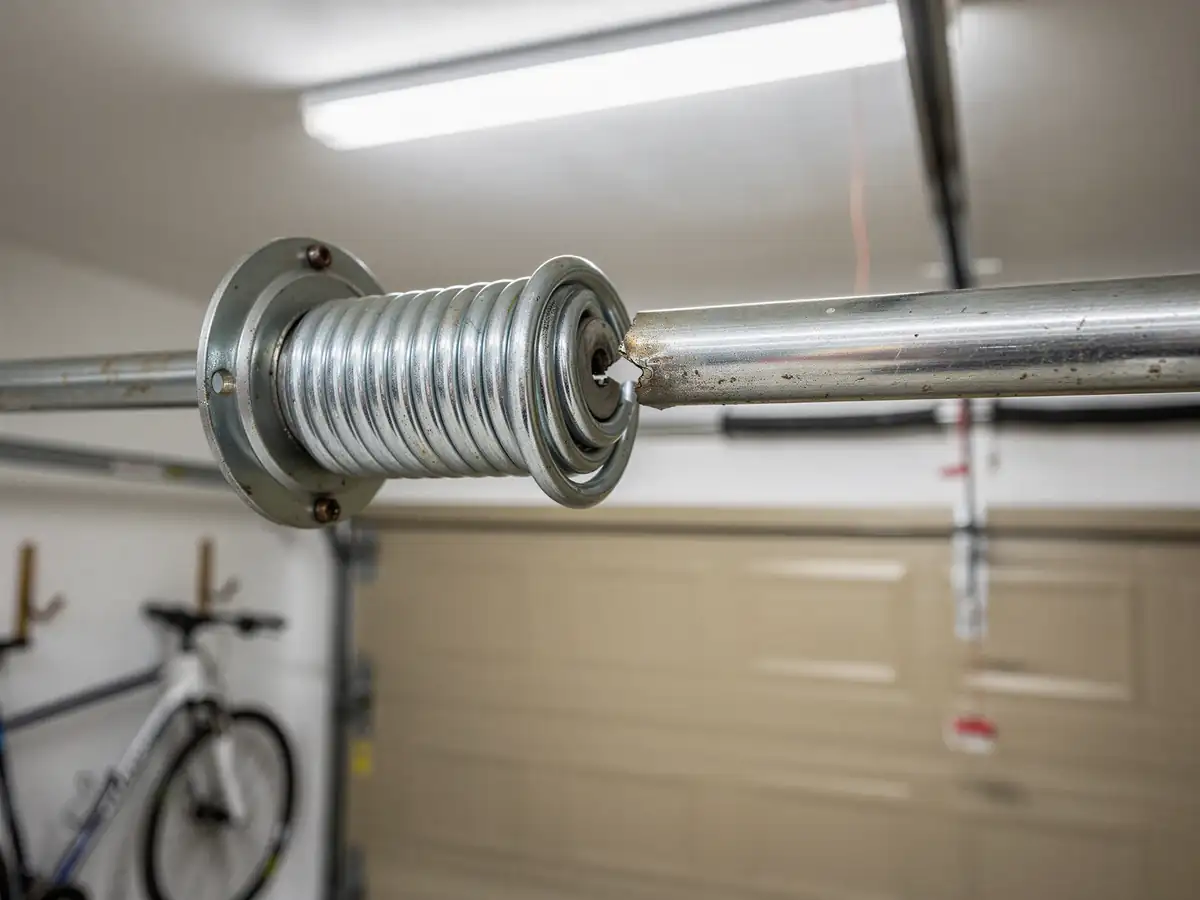
You can look at a torsion spring without touching it. Stand under the closed door, look up at the shaft above the opener, and check for a visible gap in the coil - a clean break looks like a snapped pencil, not a slow unwind. If you see that gap, stop. Don't try to open the door manually or run the opener; a broken spring under tension is the reason this job sends people to the ER.

A second check that doesn't need tools: pull the release cord, lift the door by hand to waist height, and let go. A spring that's still doing its job holds the door roughly in place. One that's weakening lets the door drop or feels heavy for its size - that's a spring losing tension before it fully breaks, common in older coils that have gone through two or three decades of temperature swings.

What you can't check safely is winding or unwinding the spring itself. That takes winding bars and knowing the wire size and wind direction for your door, and getting it wrong is how people lose fingers. This is the one honest limit here: inspection is yours to do, the fix on a torsion spring is not a homeowner job.

Season by Season

Fall is the window to get ahead of it. Before the first cold snap, a spring under even moderate fatigue is still flexible enough to inspect and replace on your schedule rather than at 6 a.m. in a driveway. Winter is when the severe cold really tests old coils - this is the season we get the most calls on doors that worked fine in September and snapped in January.

Spring and summer don't let a tired spring off the hook, but the failures we see then are more often cycle-fatigue failures that would've happened eventually regardless of temperature. Cold just accelerates the timeline on a spring that was already near the end of its life from the housing stock's age.

If your home is part of that 1980s-90s wave that makes up most of the stock in this area, and the spring has never been replaced, treat late fall as your checkpoint every year, not just the year it finally breaks.

The Problem

  1. The core issue in West Jordan is two numbers stacking on top of each other

    A lot of the housing here is old enough that original torsion springs are well past typical service life, and the climate here is cold enough, severely so, that the margin those aging springs have left shrinks fast once temperatures drop. Neither fact alone would cause the pattern we see. Together, they explain why cold-morning spring calls cluster in homes from that build era rather than spreading evenly across newer construction.

  2. We don't push replacement on a spring that's still cycling fine just because a house is old

    That's a waste of money. But once a spring shows uneven coil spacing, rust at the coil overlap, or a door that's gotten noticeably heavier to lift by hand, waiting for a cold morning to make the decision for you is the expensive way to find out.
How it works

From “it’s stuck” to “it’s fixed”

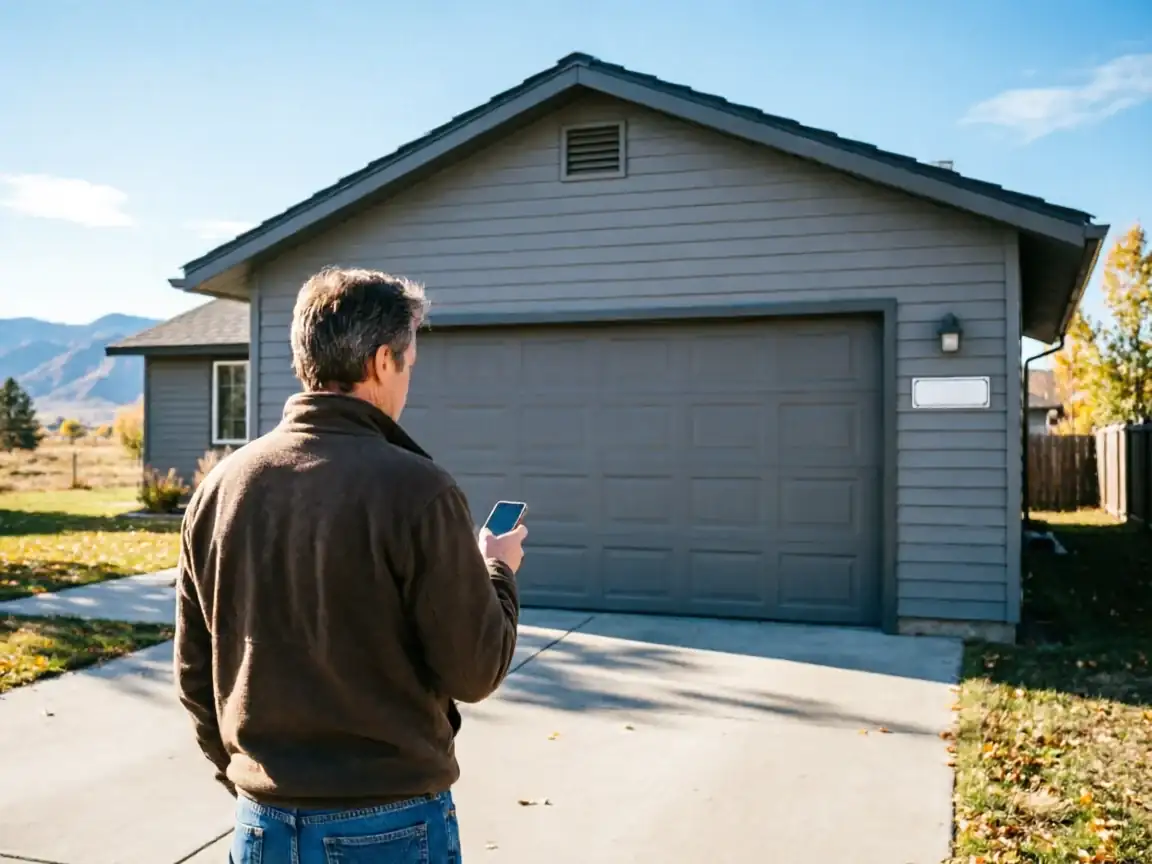
A man stands in a driveway holding a phone, facing a gray garage door.

Tell us what’s wrong

Describe the symptom - won’t open, loud bang, opener runs but the door won’t move.

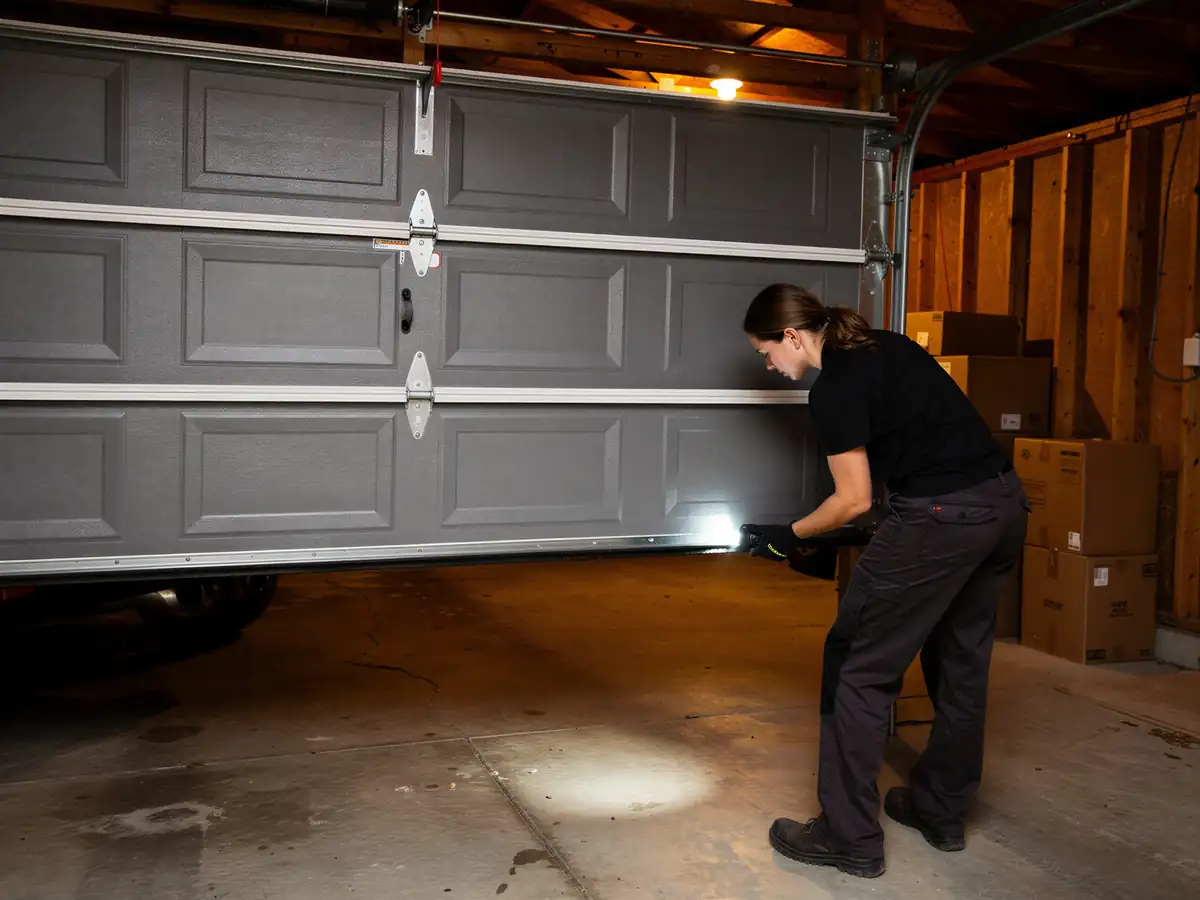
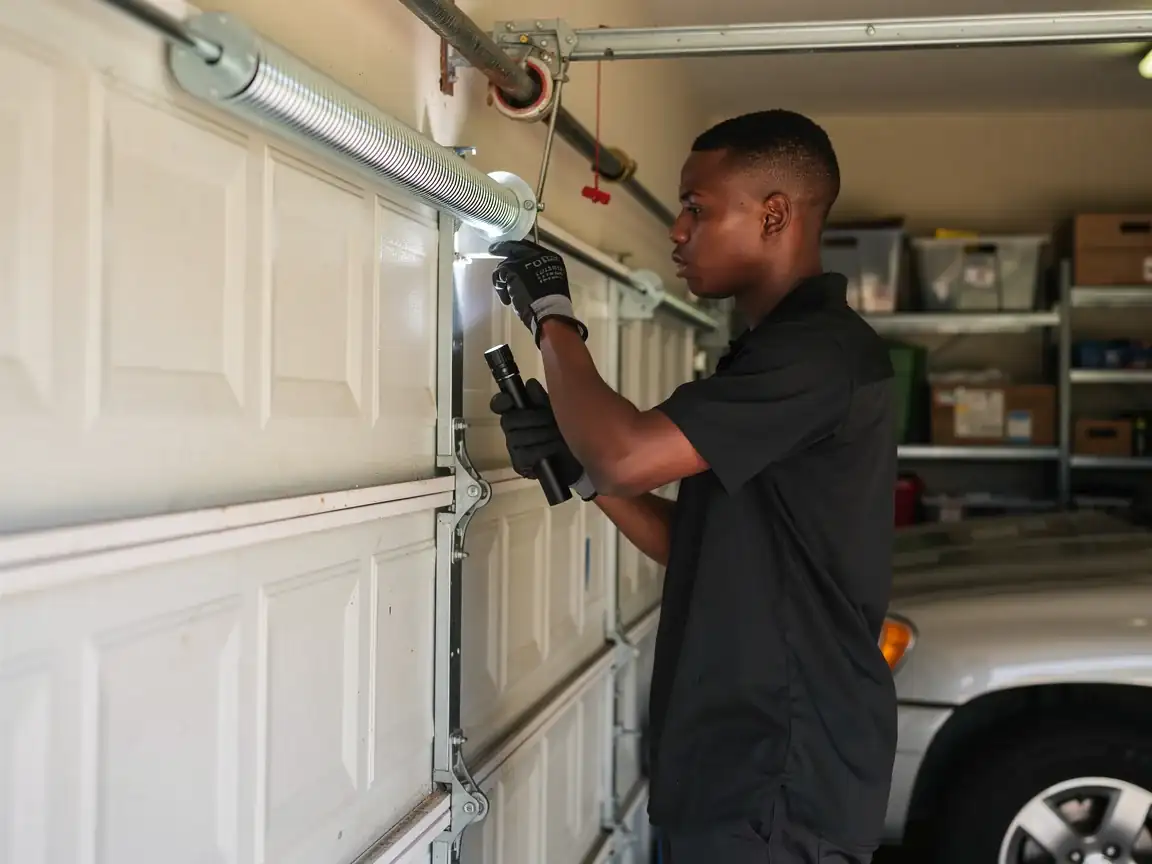
A technician shines a flashlight on a garage door torsion spring.

On-site diagnosis

A technician tests the door under power and by hand and finds what actually failed.

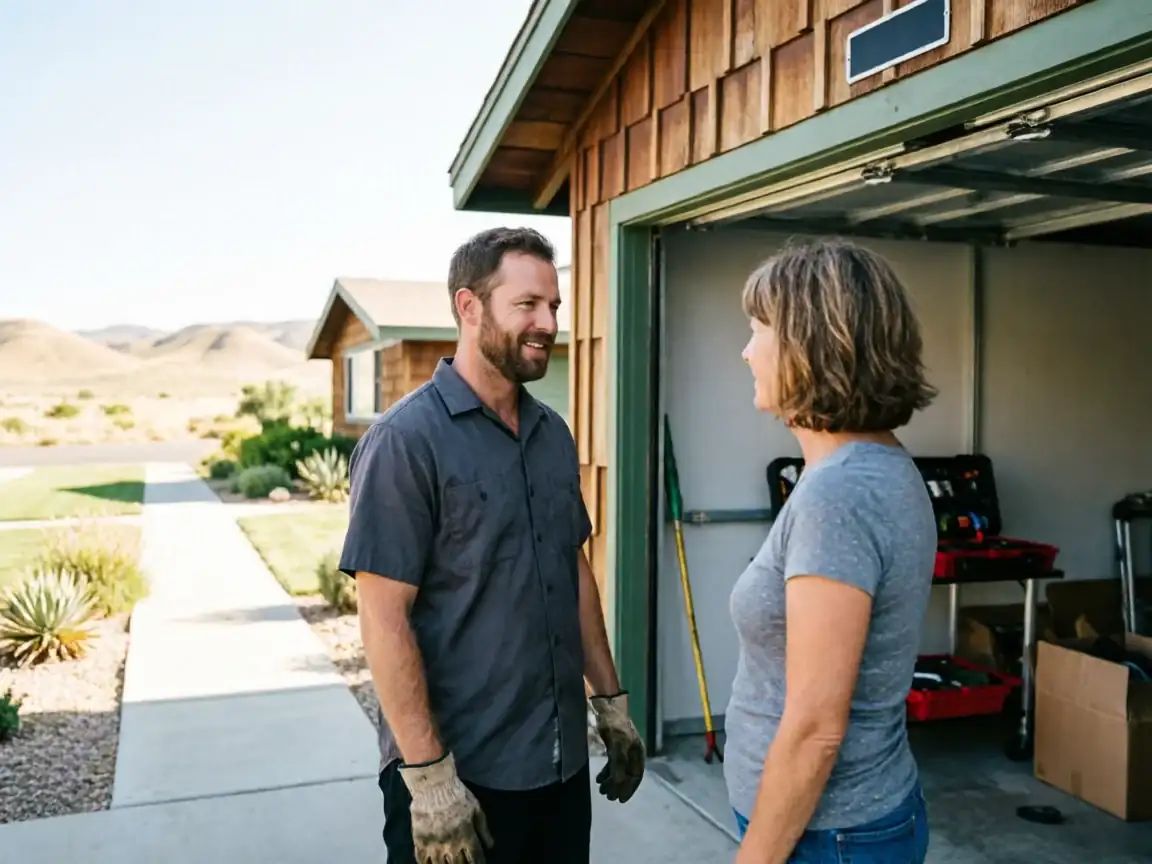
A technician wearing gloves talks to a woman in front of an open garage.

Clear, up-front plan

You get the fix that’s needed and what drives the cost - before any work starts.

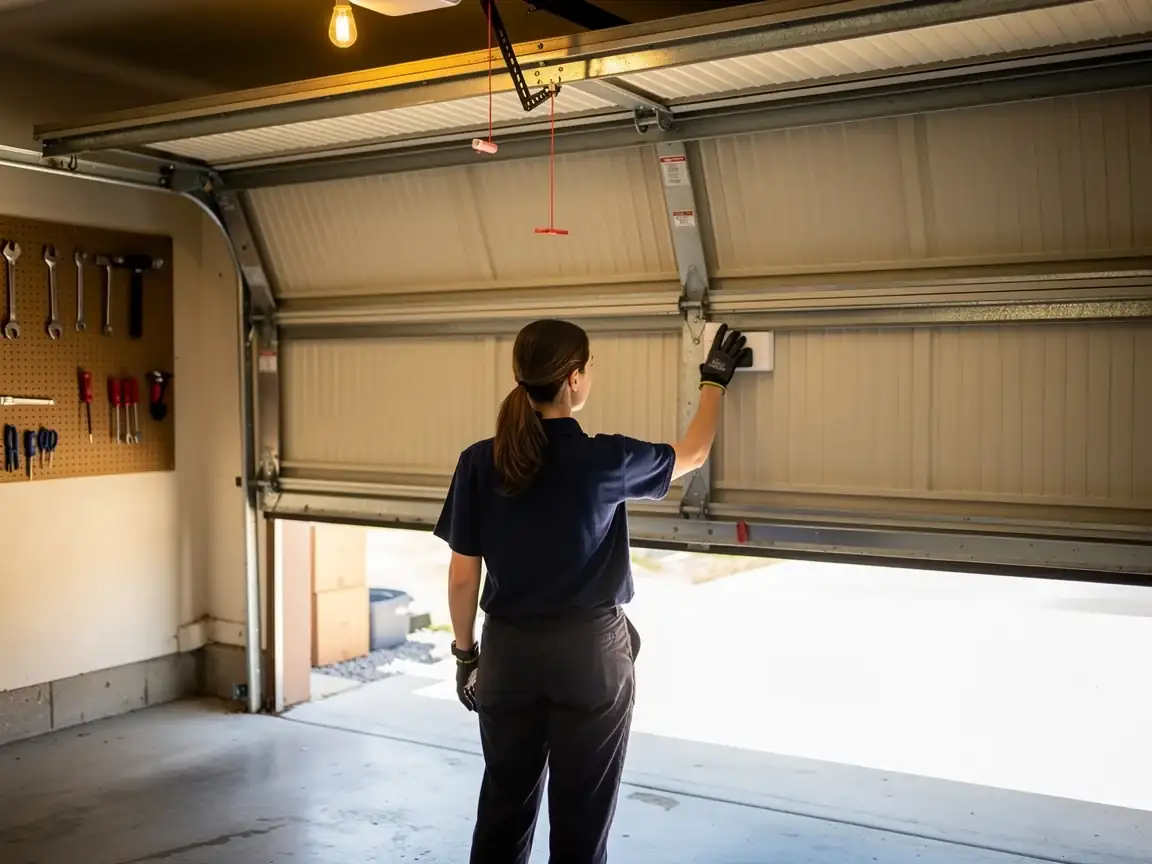
A technician in a blue shirt and gloves adjusts a beige garage door.

Repaired & tested

The repair is done, the door is set true and tested, and the work area left clean.

Not sure which repair your door needs in West Jordan, UT? Describe what it’s doing - every job starts with a diagnosis.

How we work

What to expect

Diagnosis first

Every visit starts by finding what actually failed - not a pre-written parts list.

The right part for the door

Springs and openers matched to the door’s weight and age, so the fix holds up.

Straight answers

When a repair makes more sense than a replacement - or the reverse - you hear it plainly.

Clean, careful work

Tension released safely, hardware set true, the door tested under power before we leave.

What we do

Garage Door Services

Repair and installation work for West Jordan homes and businesses.

A technician shines a flashlight on the bottom of a gray garage door.

Garage Door Repair

West Jordan Garage Door Pros fixes broken springs, stuck openers, and off-track doors on homes built 1969-2012, with parts suited to Wasatch Front winters.

Learn more
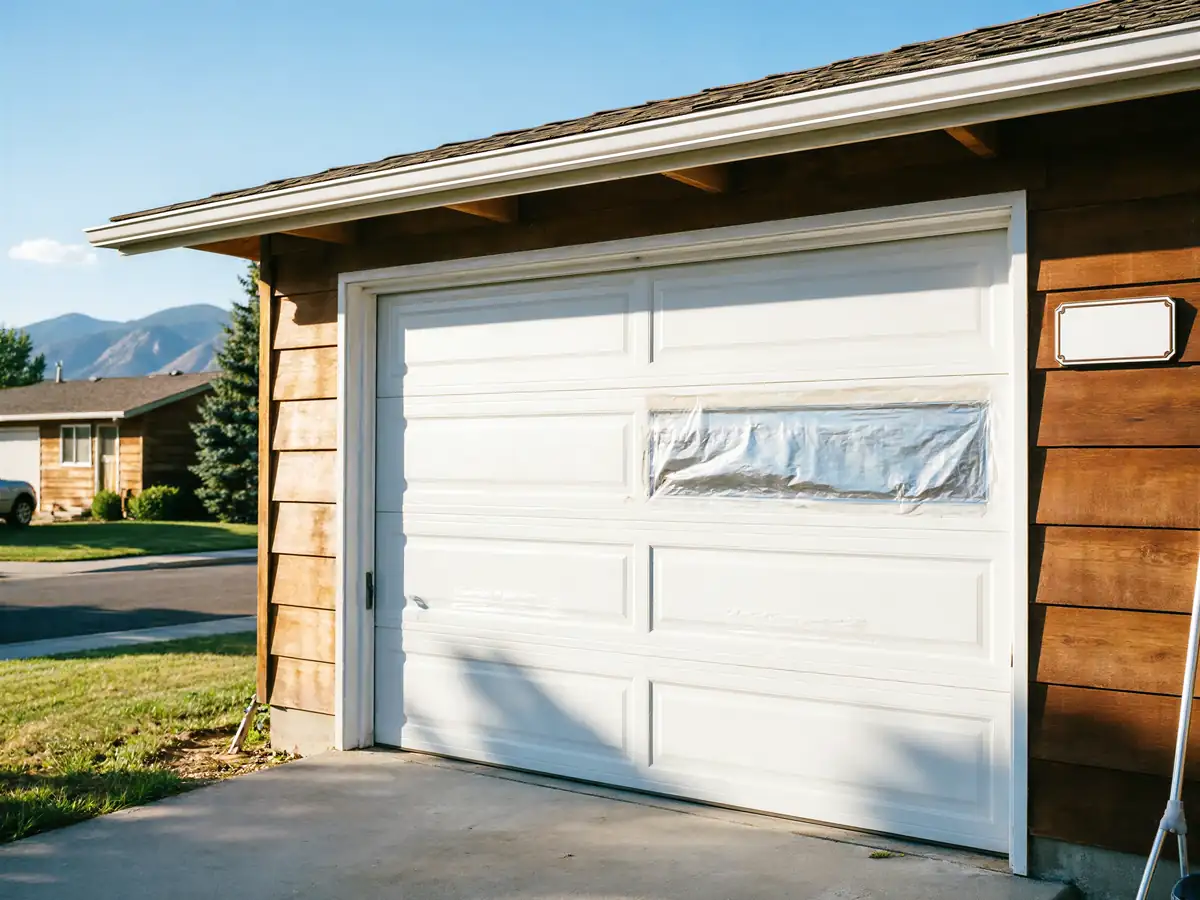
A white garage door with a taped-up window on a brown wooden garage.

Garage Door Installation

New garage door installation in West Jordan, UT, sized for 1980s-90s tract homes and the valley's cold winters. See how booking works and what DIY actually covers.

Learn more
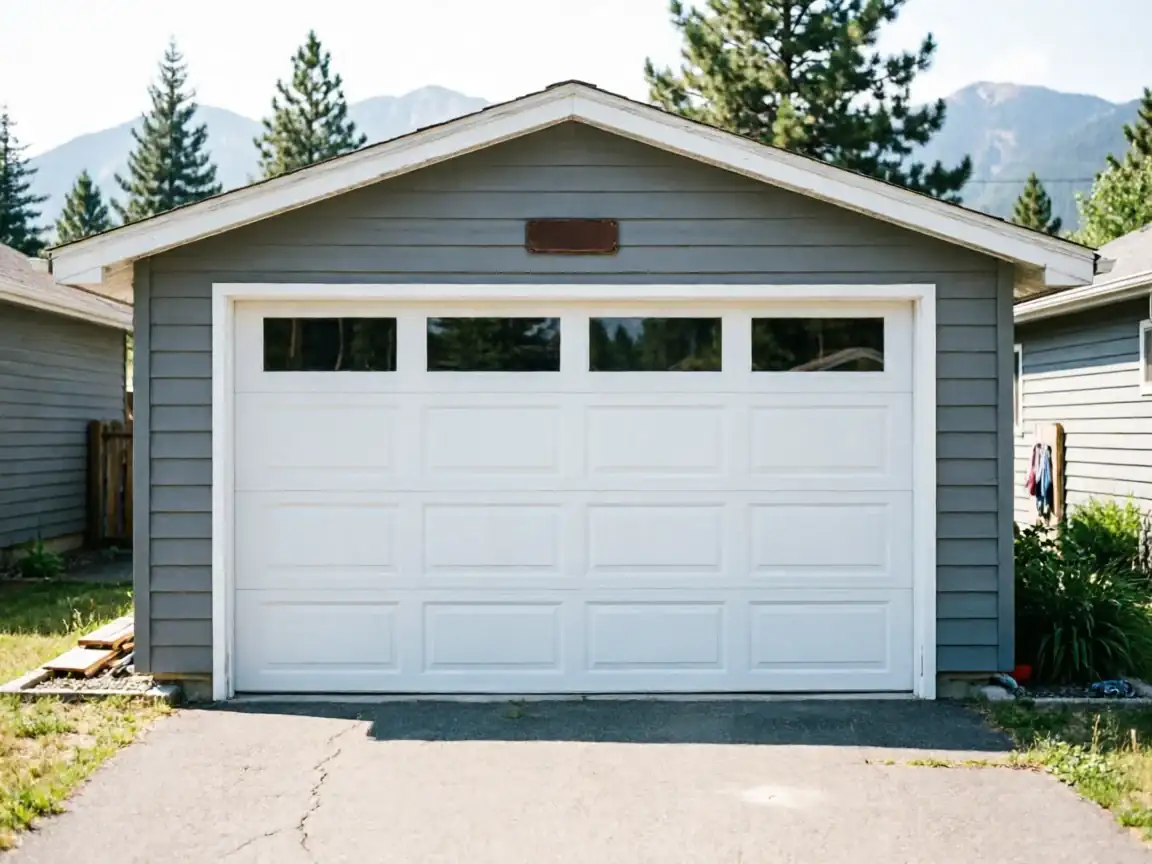
A white garage door with windows is on a gray detached garage.

Garage Door Service

West Jordan's 1980s-90s builder-grade doors hit 25-45 years old right as cold snaps peak load on tired springs. Same company, straight talk on what's failing and why.

Learn more
A broken torsion spring is visible on a metal shaft in a garage.

Spring Repair

Torsion springs on West Jordan garage doors wear out on a schedule tied to the valley's housing stock and cold winters. Here's how the failure shows up and what replacement involves.

Learn more
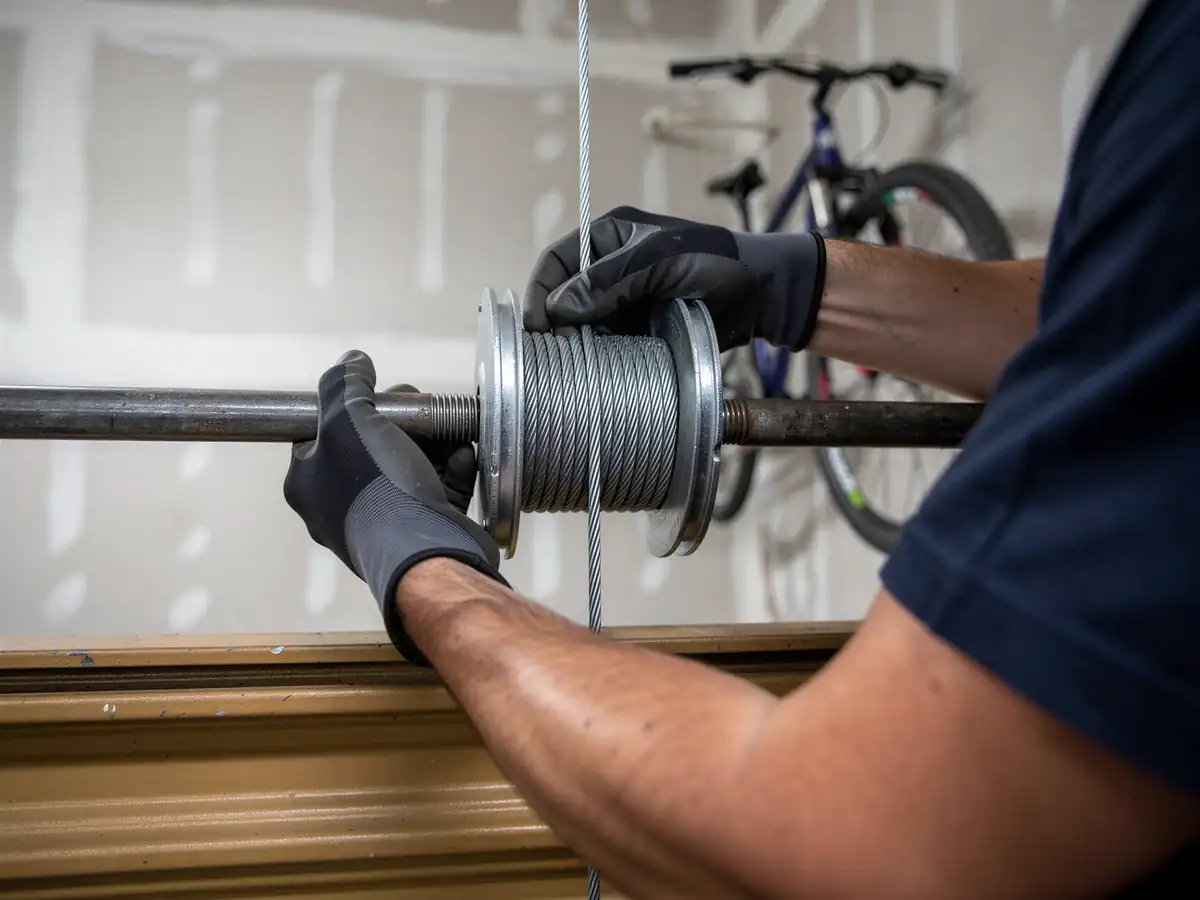
A technician's gloved hands are working on a garage door cable drum and shaft.

Cable Repair

West Jordan homes built between 1969 and 2012 see frequent garage door cable failures in cold winters. Here's how it happens and how to book a repair.

Learn more
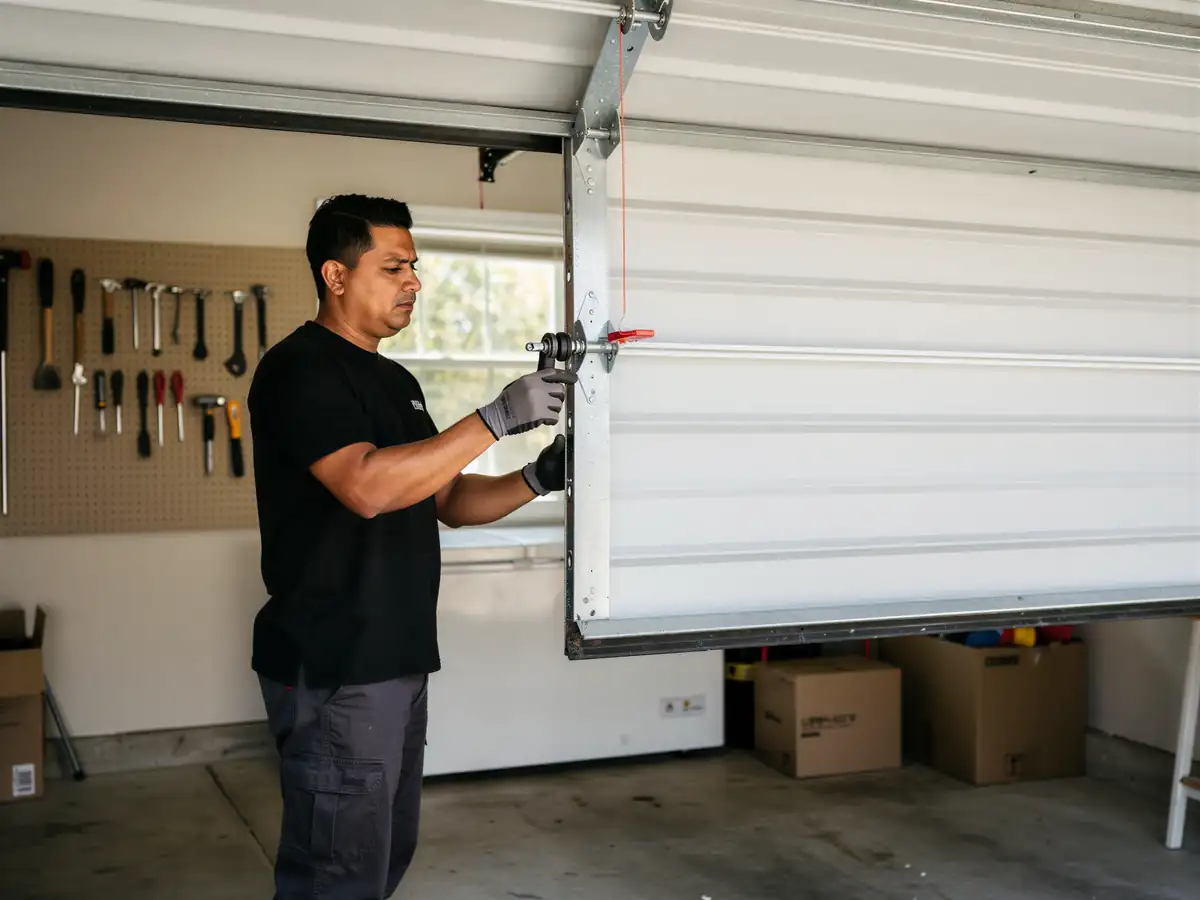
A technician wearing gloves adjusts a white garage door inside a garage.

Off-Track Repair

A garage door off its track in West Jordan isn't a one-size problem. Here's how it shows up on 1980s-90s stock, what to check, and when to call.

Learn more
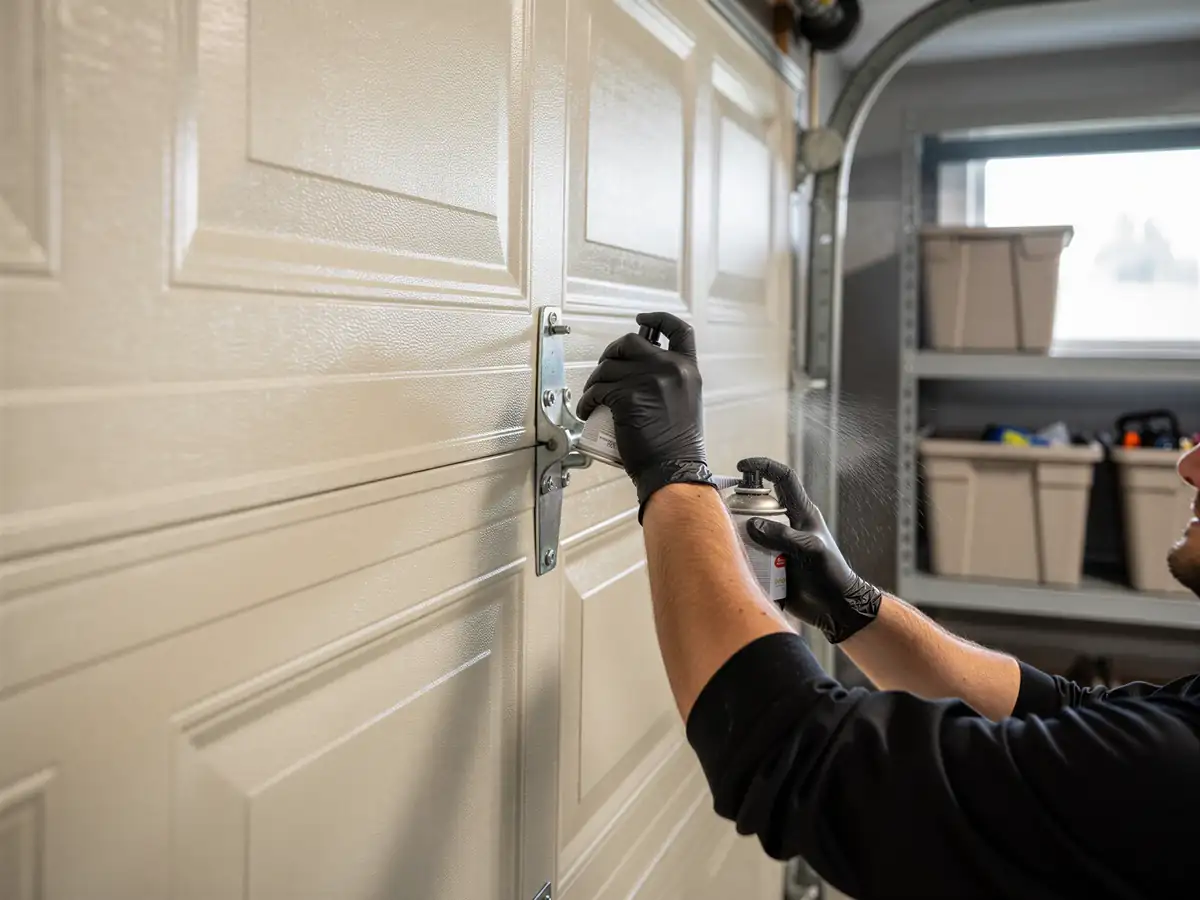
A technician in black gloves sprays lubricant on a beige garage door hinge.

Maintenance

Seasonal garage door maintenance in West Jordan, UT, built around the area's 1969-2012 housing stock and cold-severe winters. Book a tune-up before the cold snaps a cable.

Learn more
A technician walks past a closed gray garage door with windows.

Emergency Garage Door Repair

Broken spring or dead opener at 10pm? West Jordan Garage Door Pros covers the valley's cold-climate failures tied to 1969-2012 housing stock. Call now.

Learn more
Questions

Frequently asked

Straight answers about garage door repair in West Jordan. Still unsure? Ask us directly.

Why do springs break more in winter here?

Steel stiffens as it gets colder, and this area sits in a severe cold climate band. A spring that's already fatigued from years of cycling has less flexibility left to absorb that stiffness, so the first hard cold snap each winter tends to be when an aging spring finally snaps rather than just losing tension gradually.

My house was built in the 1990s - is the spring original?

A lot of homes in this area date from that build era, and if nobody's documented a spring replacement, there's a real chance it's original. A spring that old has likely gone through enough cycles and cold seasons that it's worth a visual check before next winter rather than waiting for it to fail.

Can I replace a torsion spring myself?

No. Winding and unwinding a torsion spring requires the right winding bars and correct wire size and wind direction for your door, and a spring under tension can cause serious injury if it slips. Visual inspection is safe to do yourself; the actual spring swap isn't a homeowner job.

Is it worth replacing a spring before it breaks?

If it's showing visible wear - uneven coils, rust at the overlap, a door that feels heavier to lift by hand - yes, doing it on your schedule in fall beats doing it on a cold morning when the door won't open at all. A spring with no visible wear doesn't need replacing just because the house is old.

Ready to get your garage door sorted?

Tell us what it’s doing and where you are in West Jordan - we’ll take it from there.

Request a QuoteCall