Where This Job Goes Sideways
Murray sits about 7 miles from our shop in West Jordan
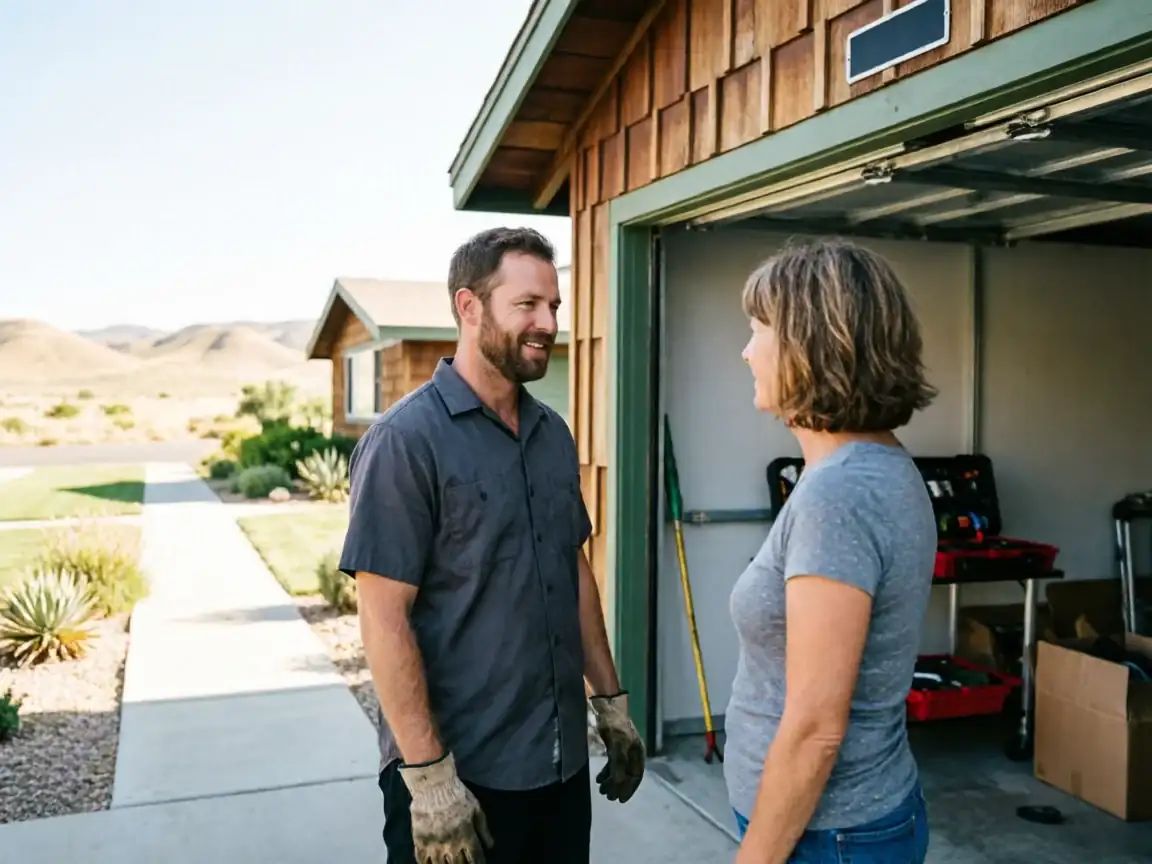
Which is close enough that we don't treat a maintenance call as a special trip, but it does mean the truck isn't already parked on your street when you call. That drive matters less for the work itself and more for scheduling - we batch Murray jobs with other calls on that side of the valley rather than running out for one door at a time.
- 7 miles
Once we're there, the job itself tends to go sideways in a specific way
Homeowners expect the same tune-up their neighbor's newer build needed, and it's not the same job. Murray's housing stock runs older than much of the broader service area, where the median build year sits closer to 1999. A lot of Murray garages are still running original hardware from the late 1970s, and a standard lube-and-adjust visit on that kind of door often turns up a spring or a bottom bracket that's past due for replacement, not just service.
Why It Happens Here
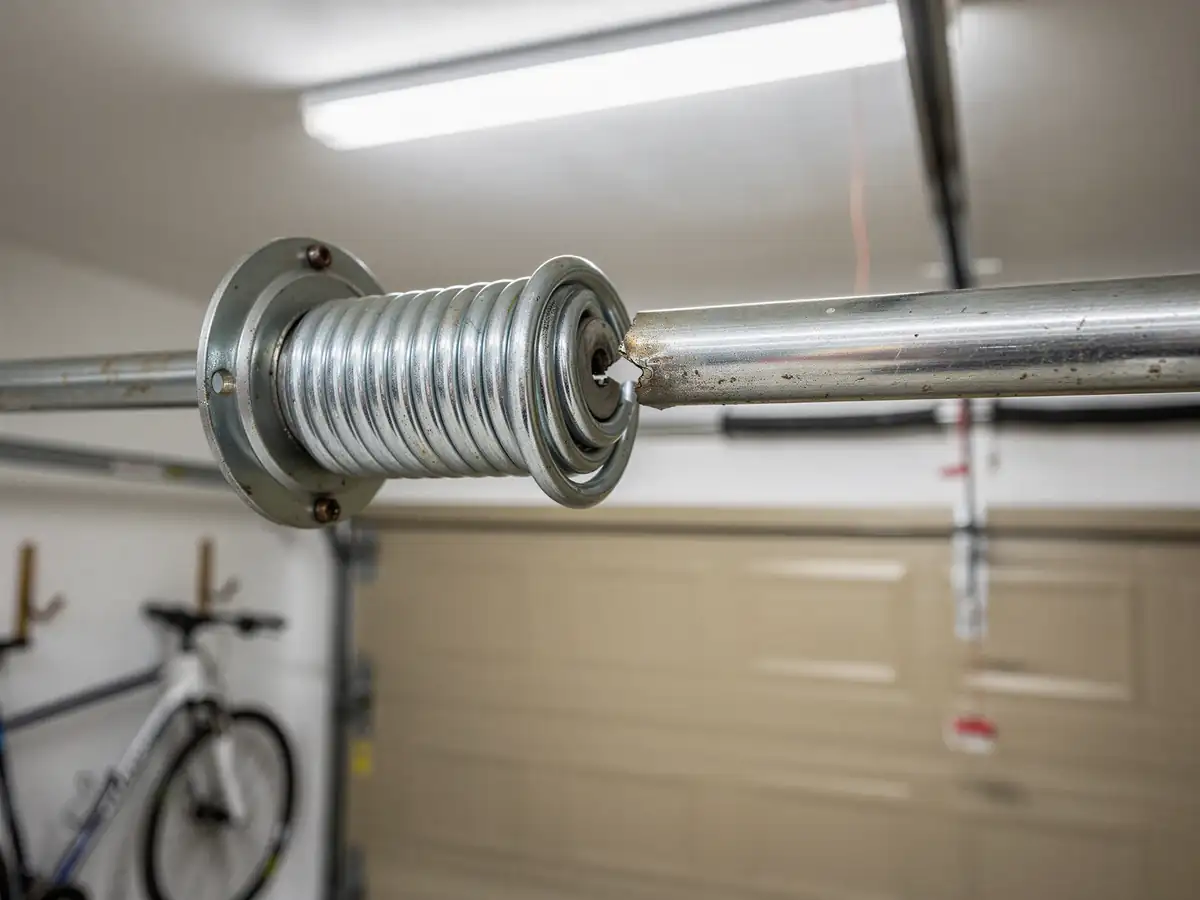
With a median build year around 1978, a big share of Murray's garage doors have torsion springs, rollers, and cable drums that are 40-plus years old even if they've been serviced along the way. Steel fatigues on a schedule, and springs rated for a certain number of cycles don't care how well they've been oiled - they just wear out closer to year 40 than year 15.
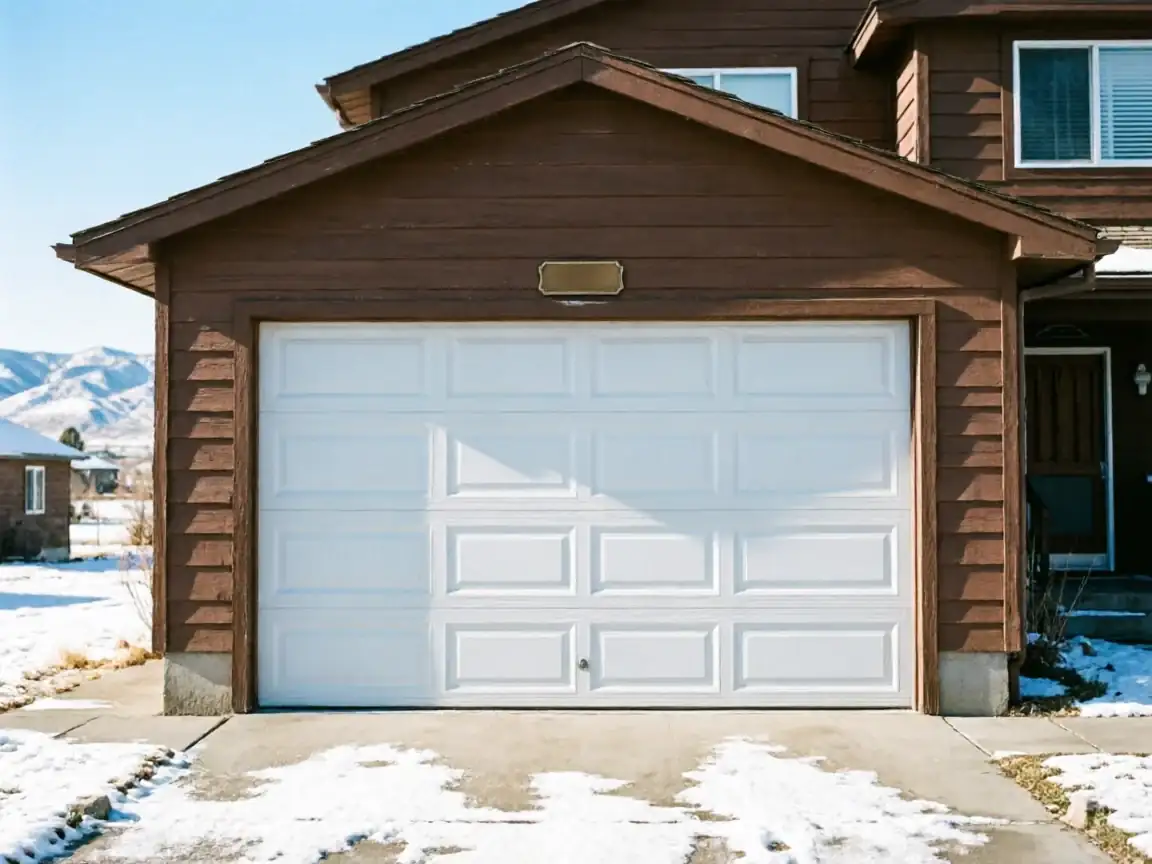
The cold is the other half of it. This stretch of Utah sits in a severe cold climate band, and winter is hard on old grease and old seals specifically. Lubricant that's fine in July turns stiff in January, and a roller or hinge that was already marginal from age starts binding or squealing the first cold snap. On a newer door this just means a slower response; on a 1978 door it's often the thing that finally snaps a frayed cable or cracks a dry-rotted weatherseal.
How We Fix It
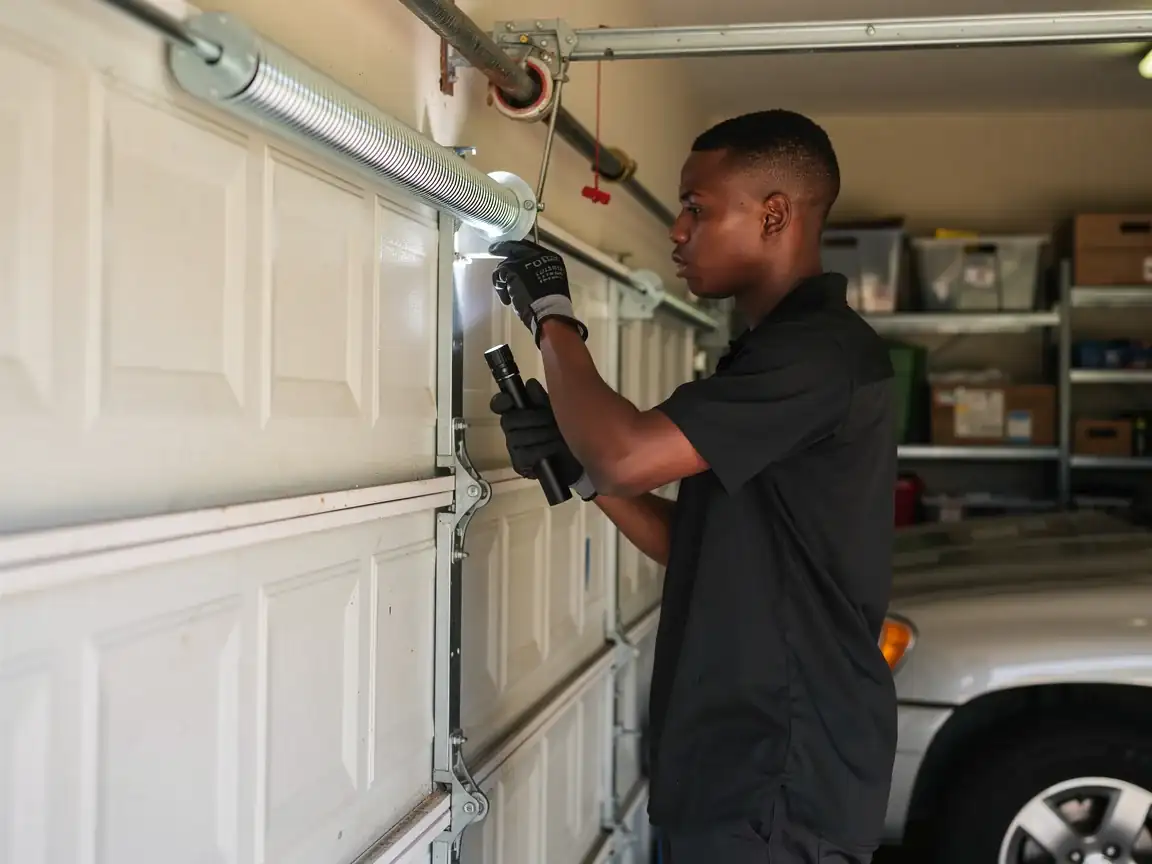
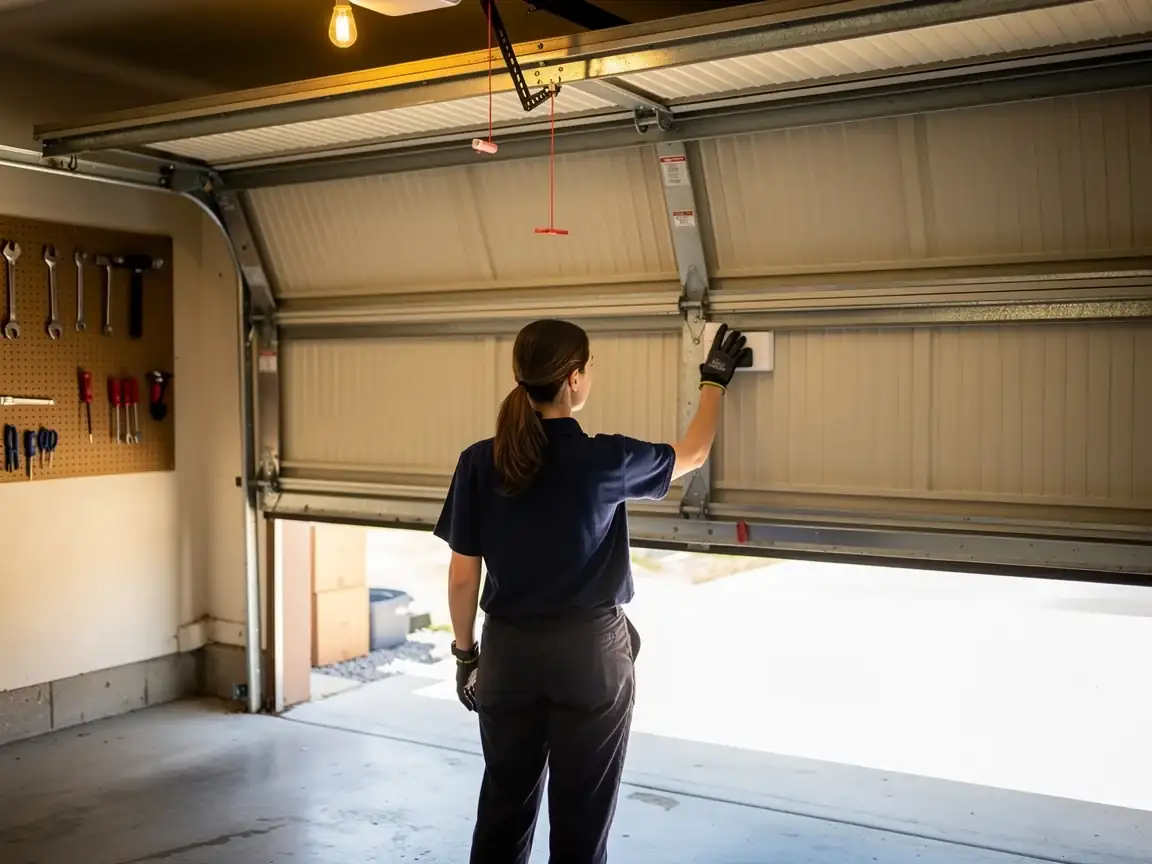
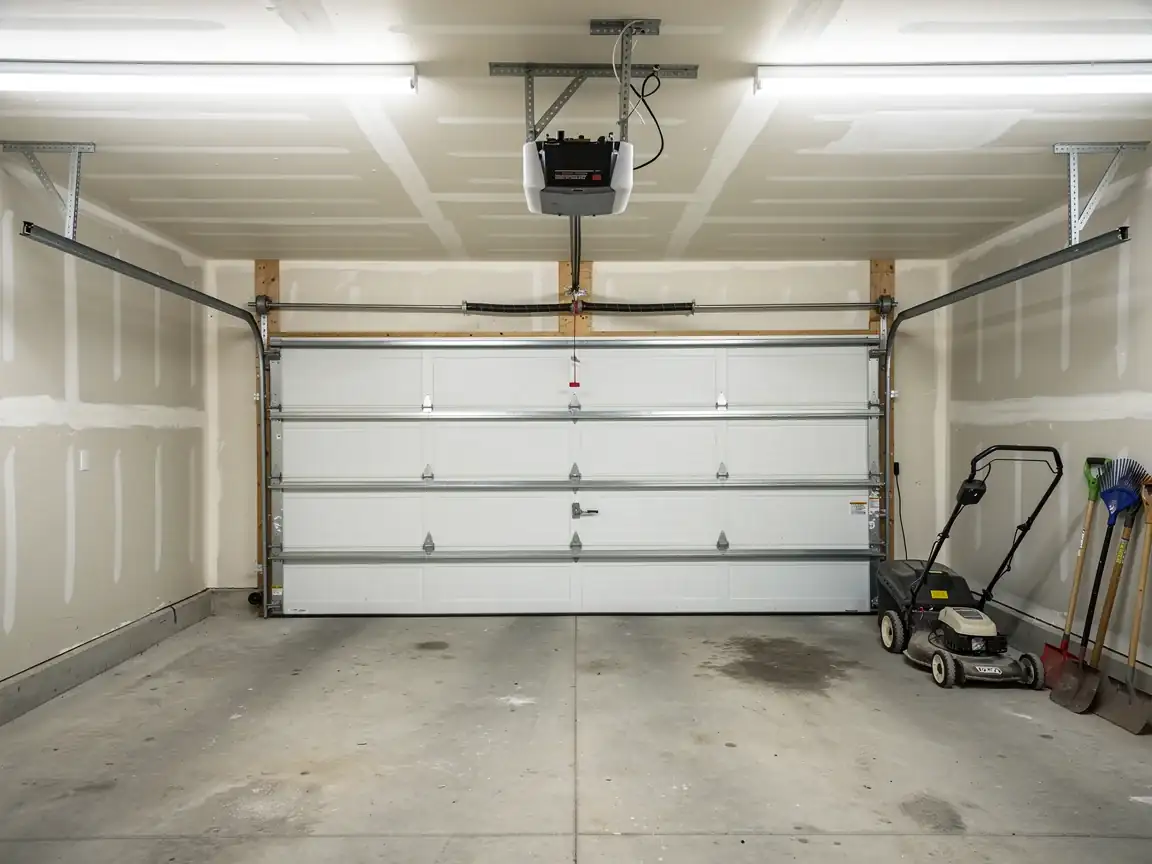
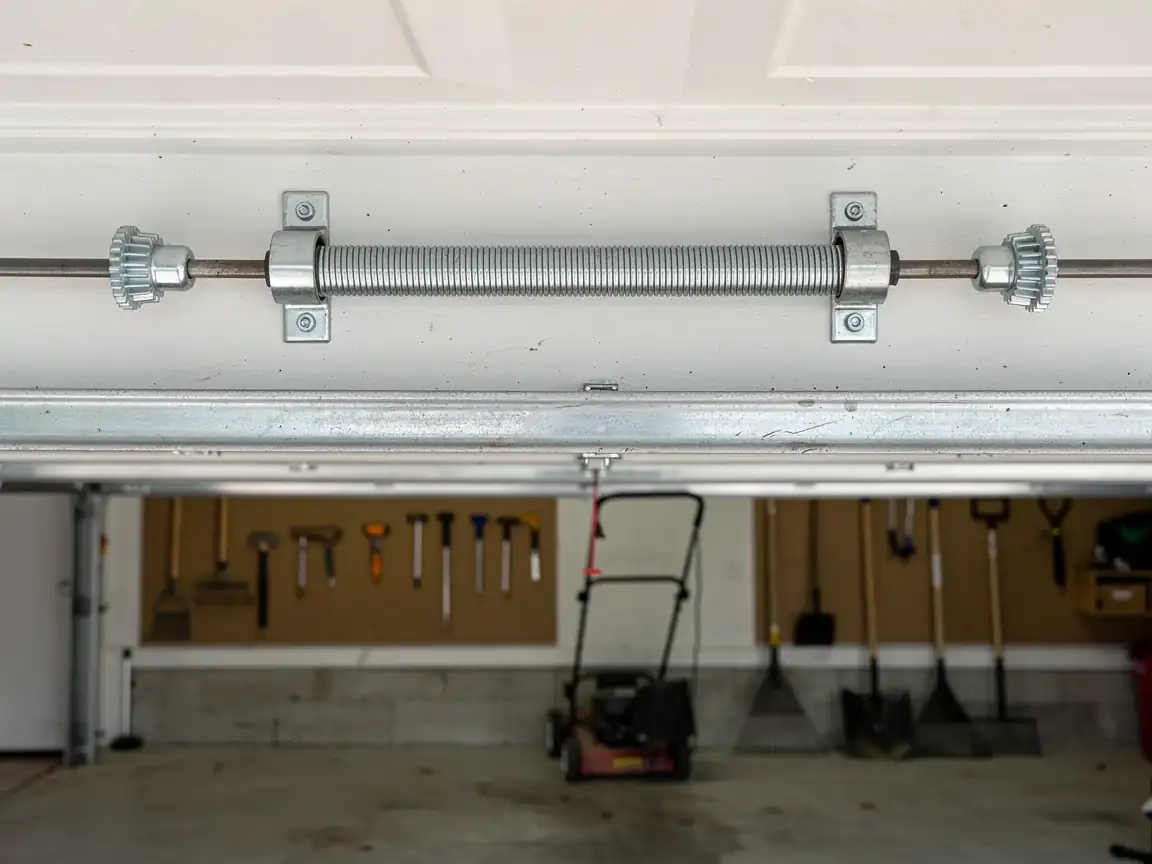
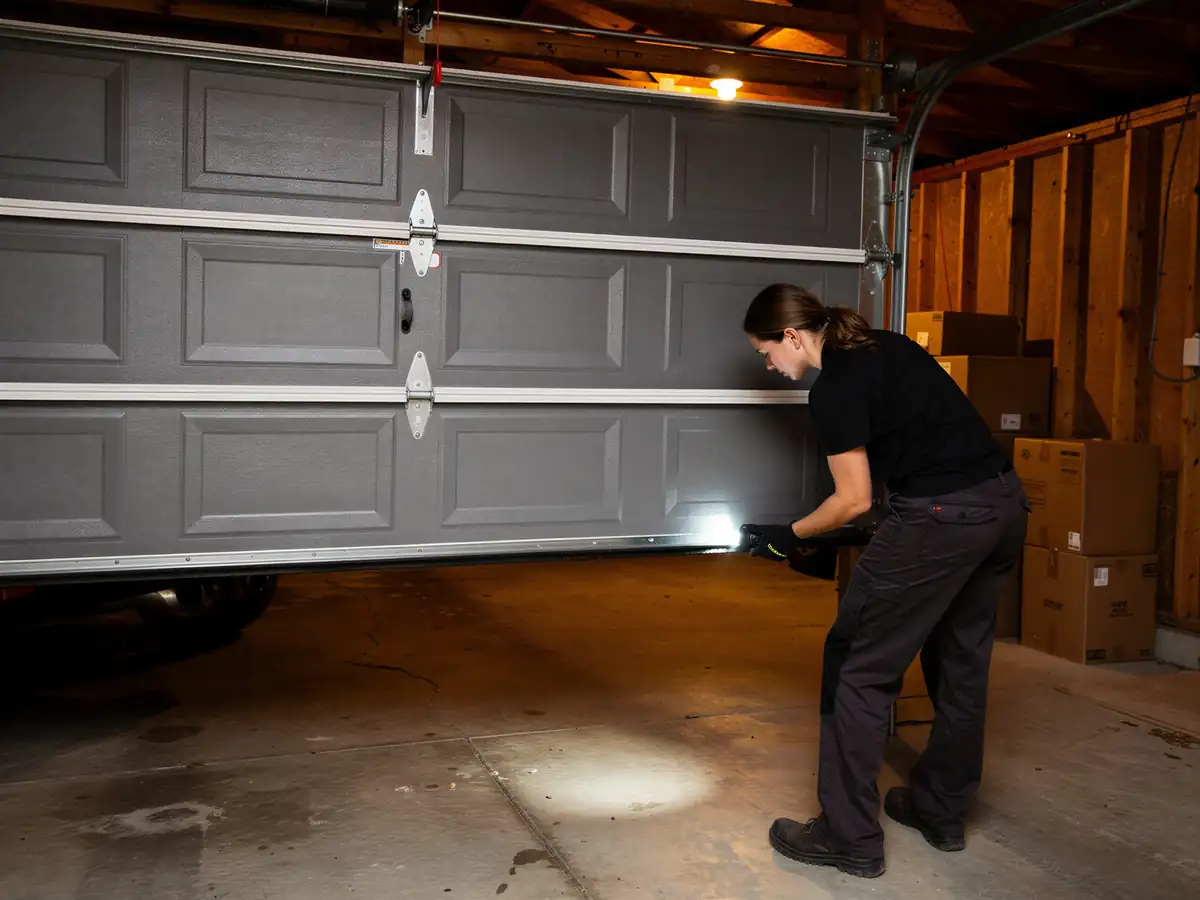
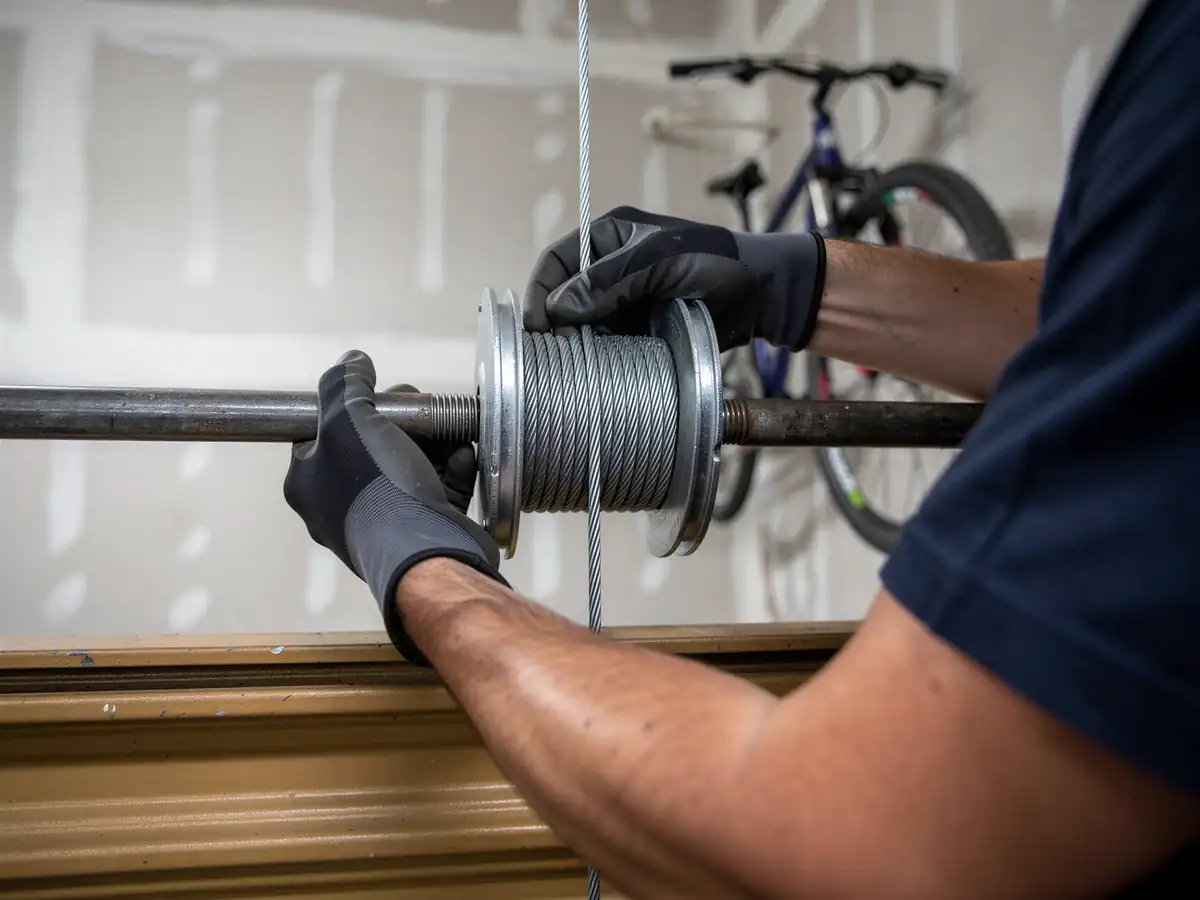
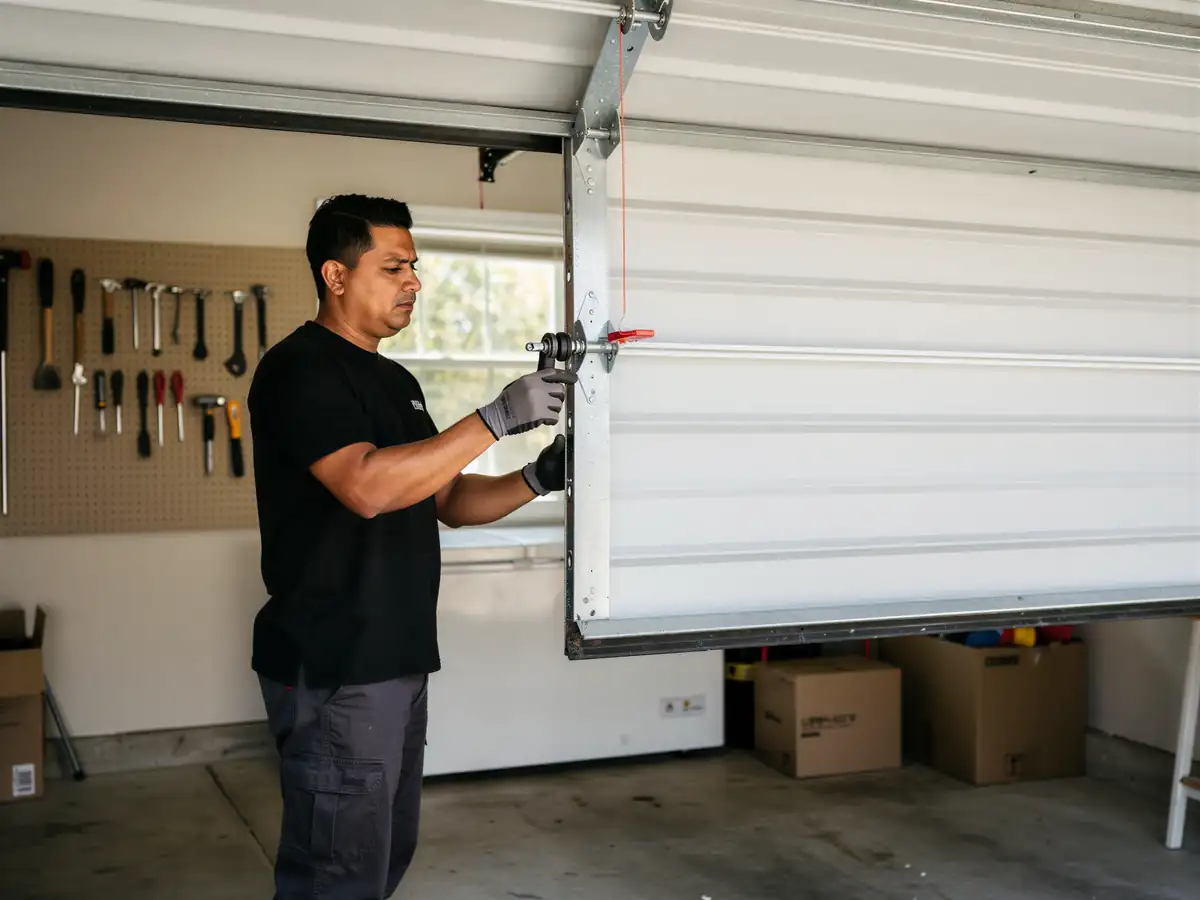
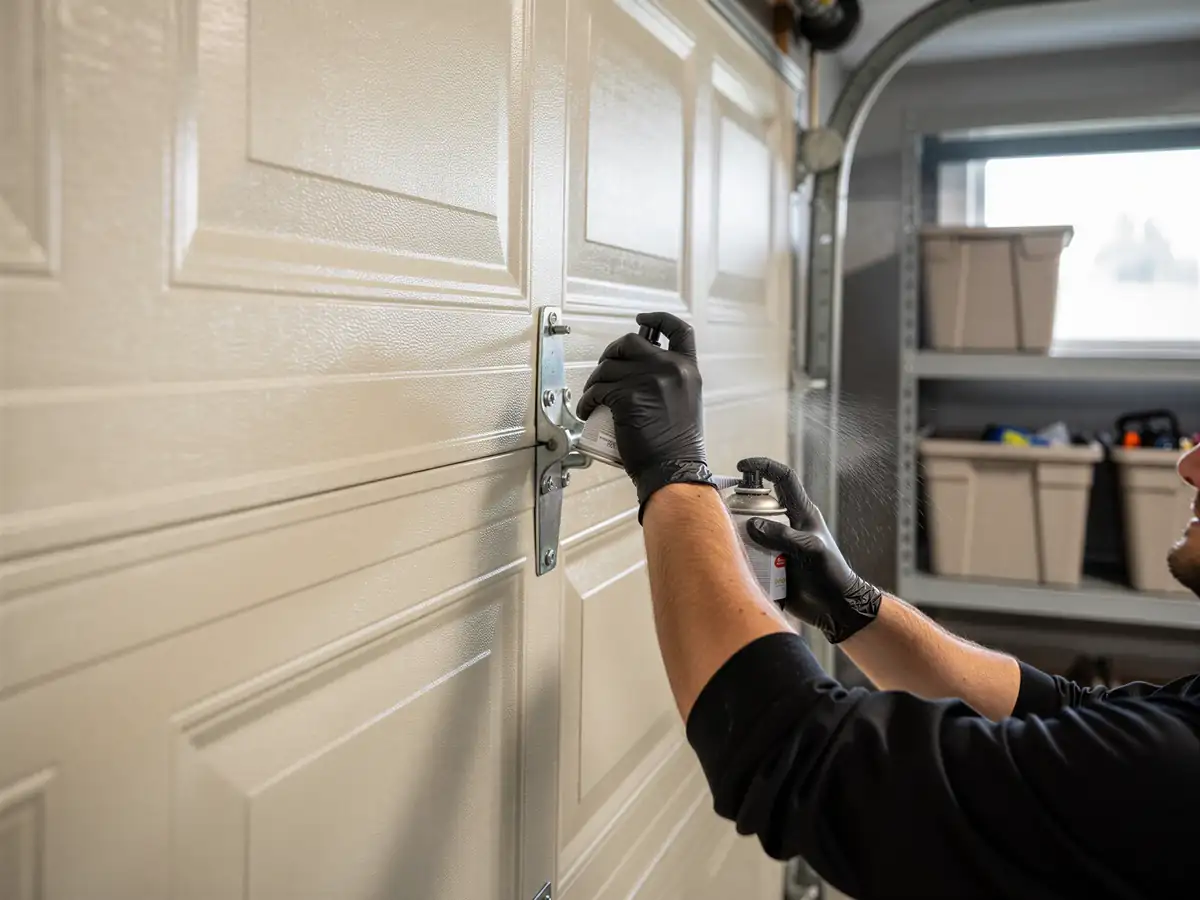
Maintenance on a Murray door starts with checking what's actually original versus replaced, because a lot of these garages have had one or two parts swapped over the decades and not others. We inspect the torsion spring for rust pitting and stretch, check cable condition at the drum, test the opener's force settings, and lubricate hinges, rollers, and the torsion bar itself with a lubricant rated for cold weather rather than a general-purpose grease that gums up below freezing.
If the door is running on original 1970s-era hardware, we'll tell you plainly if a part is near the end of its service life instead of just servicing around it. That's the honest limitation here: a tune-up doesn't un-fatigue a 45-year-old spring, and pretending it does just means you call us back for an emergency repair instead of a planned one. We'd rather flag it now.
What It Costs
We don't have a Murray-specific price list to quote here
And the facts we're working from don't include one - so instead of inventing a number, we'll point you to what actually drives the cost: whether the hardware is original or already replaced, and whether a spring or cable needs swapping during the same visit versus a straight lube-and-adjust. Murray's older housing stock means the second scenario comes up more often here than it would on a door built in the 1990s or 2000s.
Income in this area runs lower than the broader service area median of $115,335
Murray's own median sits closer to $87,864 - which is part of why we flag likely part replacements during the maintenance visit instead of waiting for a breakdown call. Catching a worn spring during a scheduled visit costs less than an emergency callout later.
How Long You Are Without the Door
A standard maintenance visit doesn't take your door out of service - it's inspection, lubrication, and adjustment while the door still operates. Where this changes is if we find a spring or cable that's actually failed or close to it, which happens more often on Murray's older doors than on newer builds elsewhere in the area.
In that case the door may need to stay closed, or stay manual, until the part is replaced. We don't carry every spring size on the truck for every job, so a part specific to older 1970s hardware can occasionally mean a short wait rather than a same-visit fix. We'll tell you on site which situation you're in rather than guessing over the phone.