Why It Happens Here
West Jordan's broader service area spans houses built anywhere from 1969 to 2012
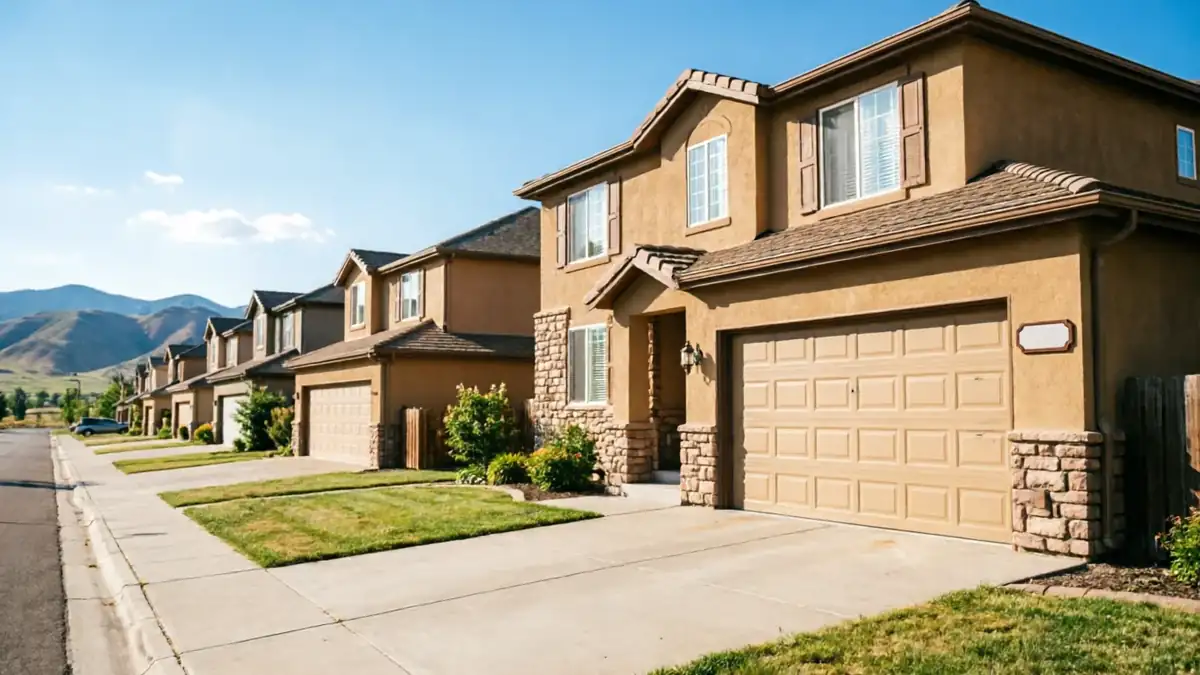
With a lot of that stock dating to the 1980s and 90s. South Jordan runs newer - most of the houses here went up around 2007, closer to the tail end of that range than the middle. That eight-to-fifteen-year gap matters more than it sounds like it should.
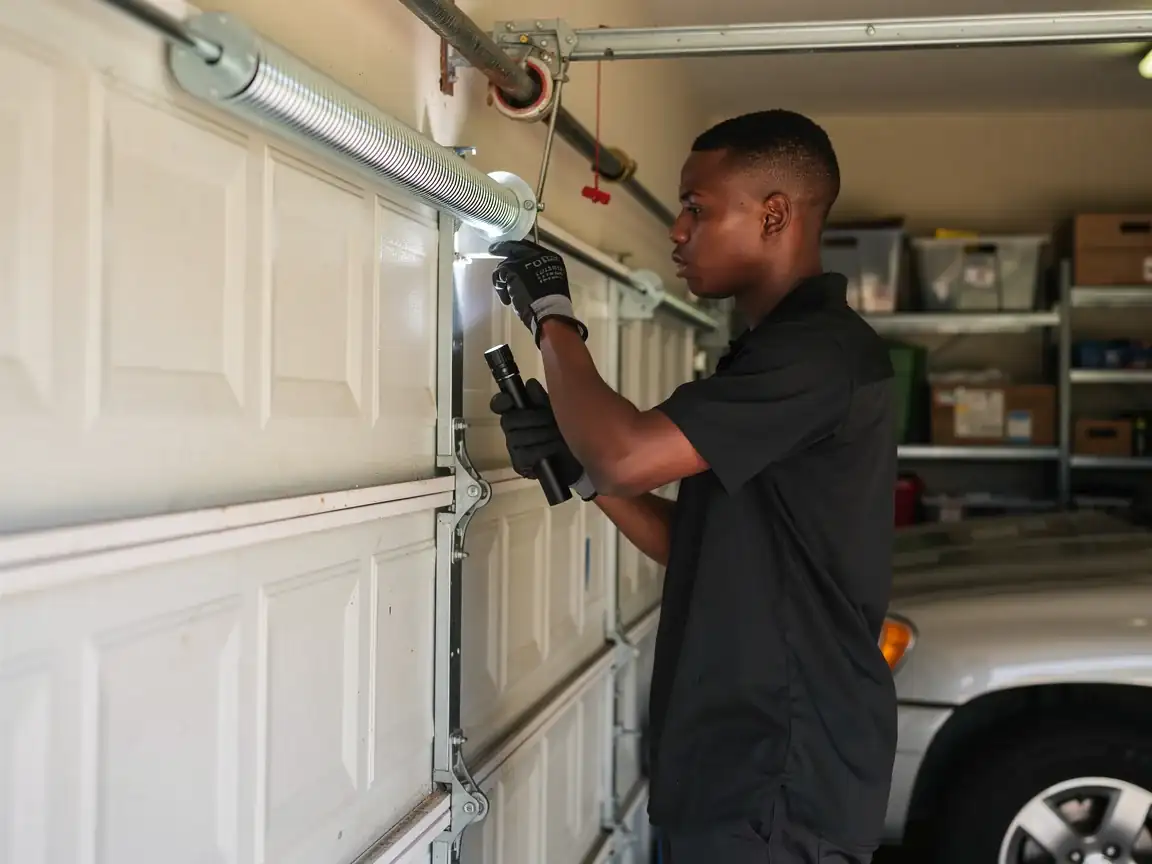
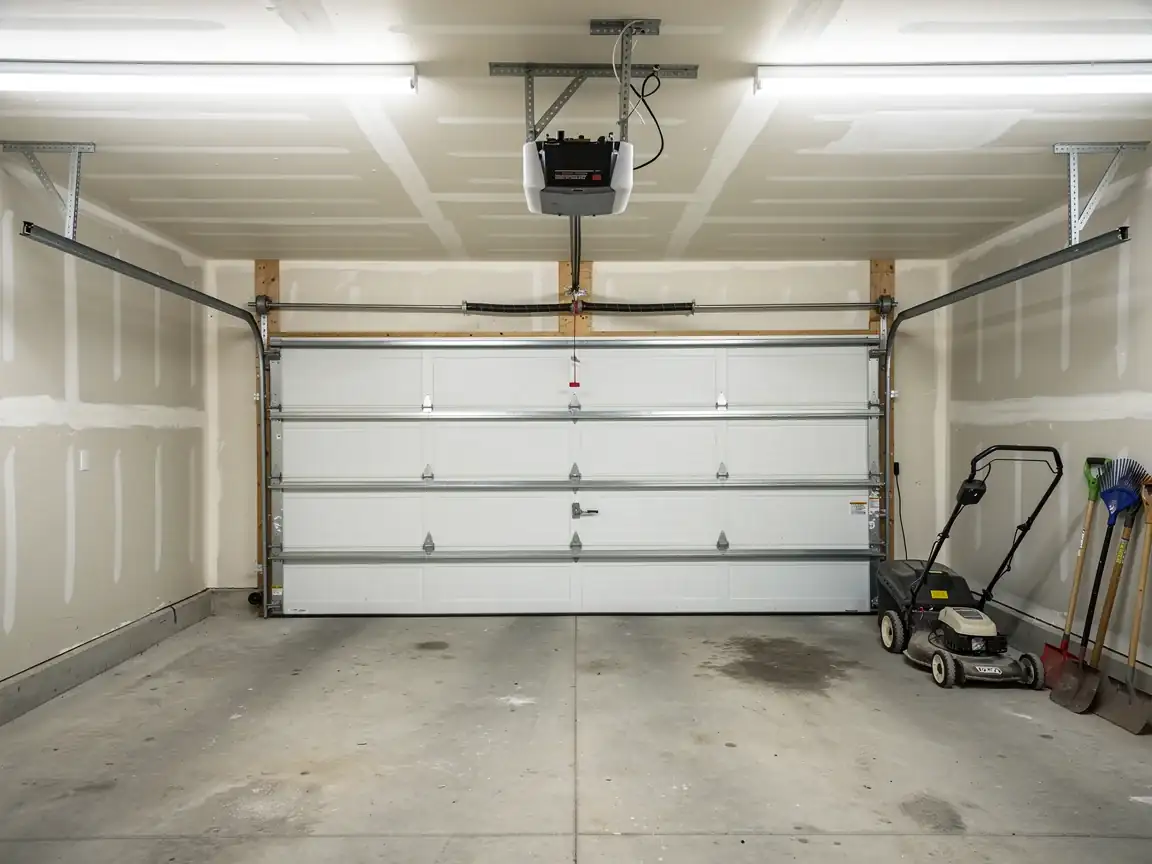
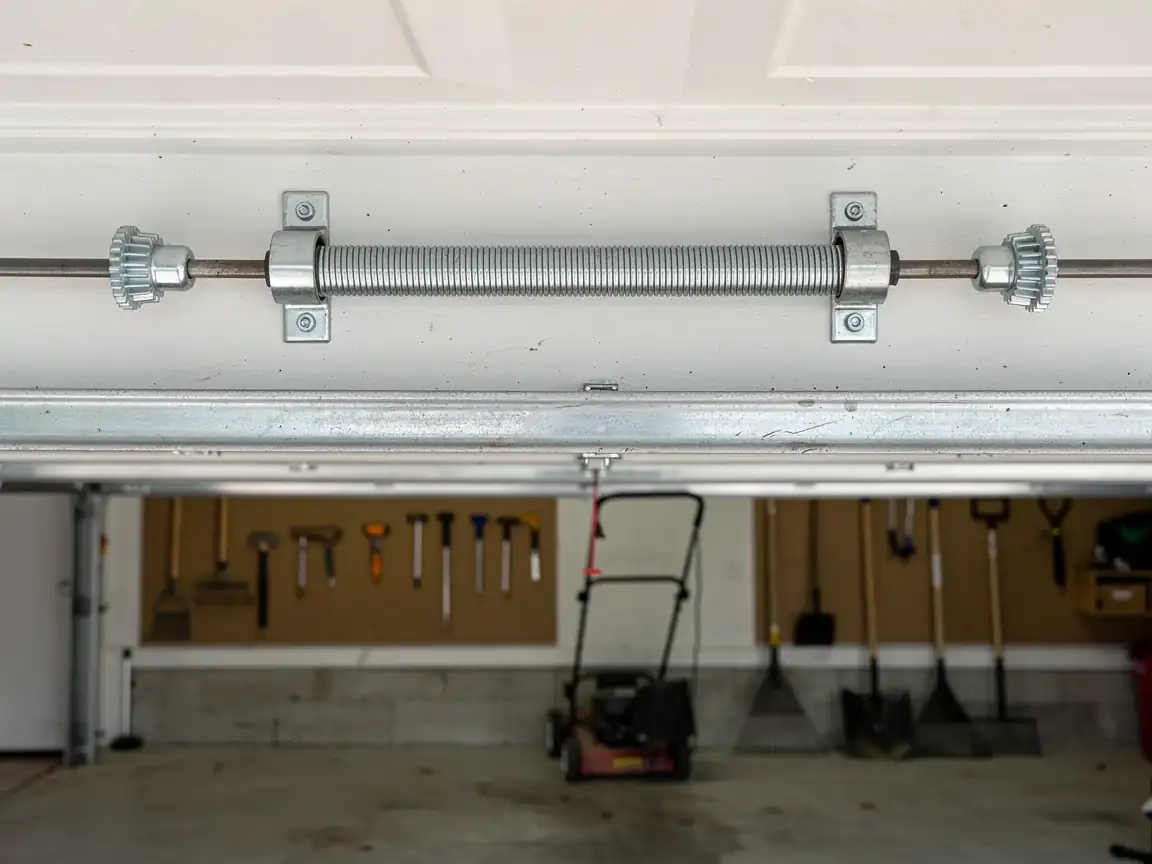
A door installed in 2007 almost always came with a factory torsion spring system and a steel insulated panel
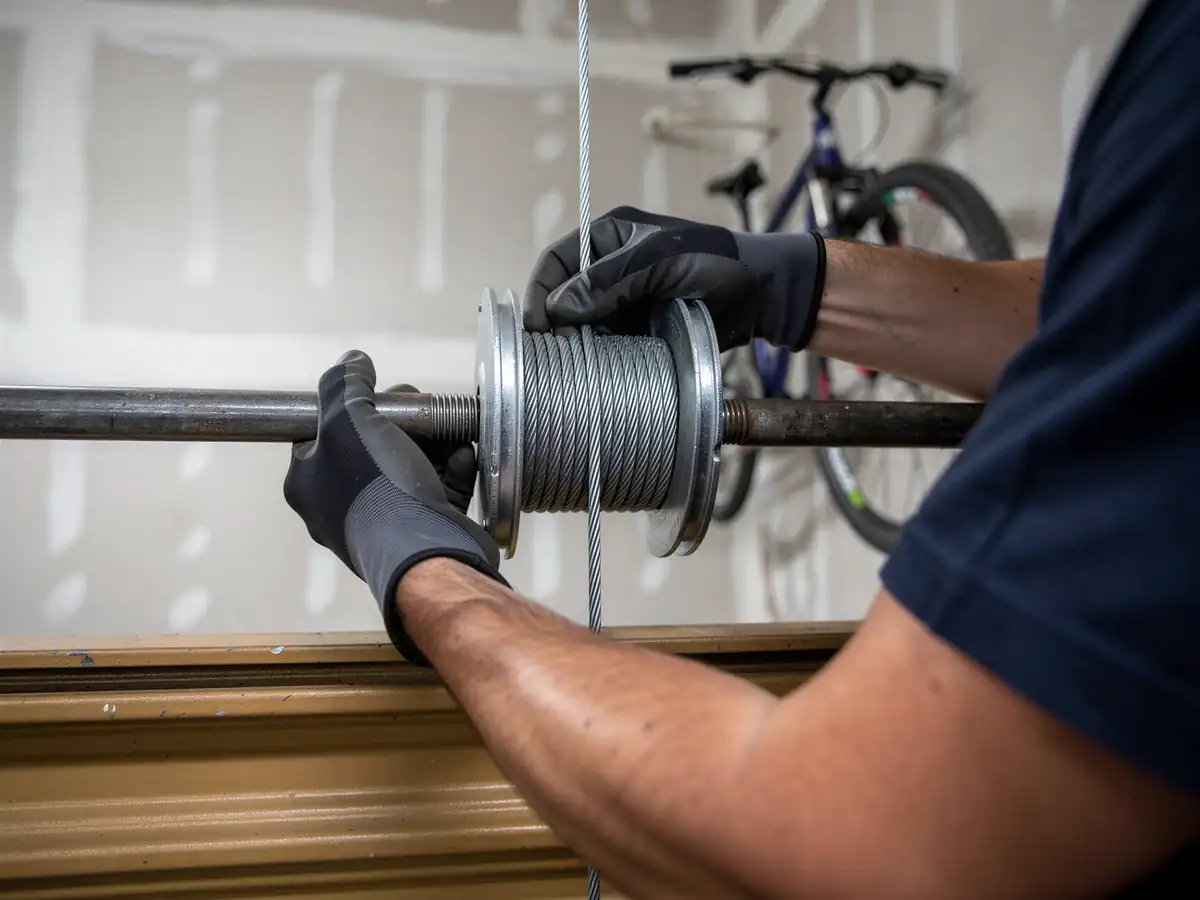
Not the older extension-spring setups we still find on the 80s-era houses elsewhere in the service area. The failure points are different too. On a newer door, we're usually looking at a worn bearing plate, a cheap stamped end bracket starting to bend, or an opener board that's reaching the end of its circuit board life rather than a spring that's simply outlived its rated cycles.
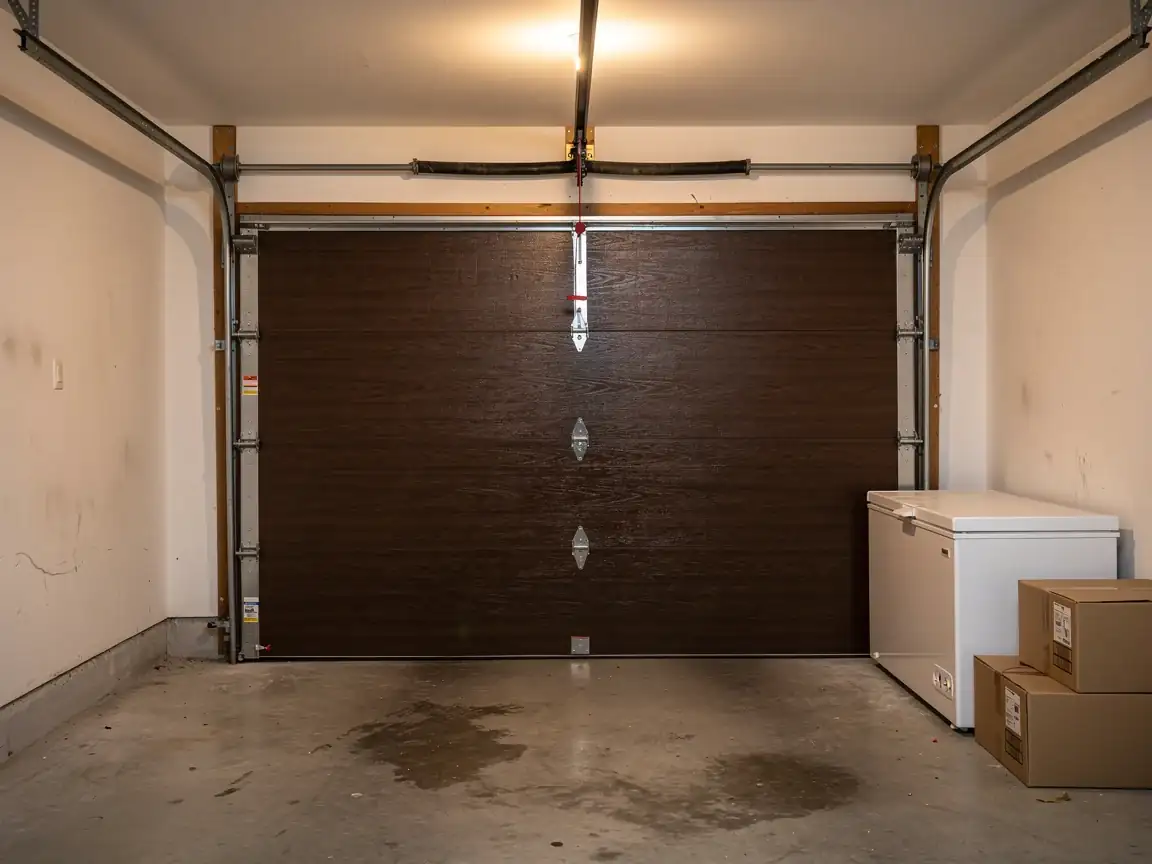
South Jordan also sits in the same cold-climate band as the rest of the valley
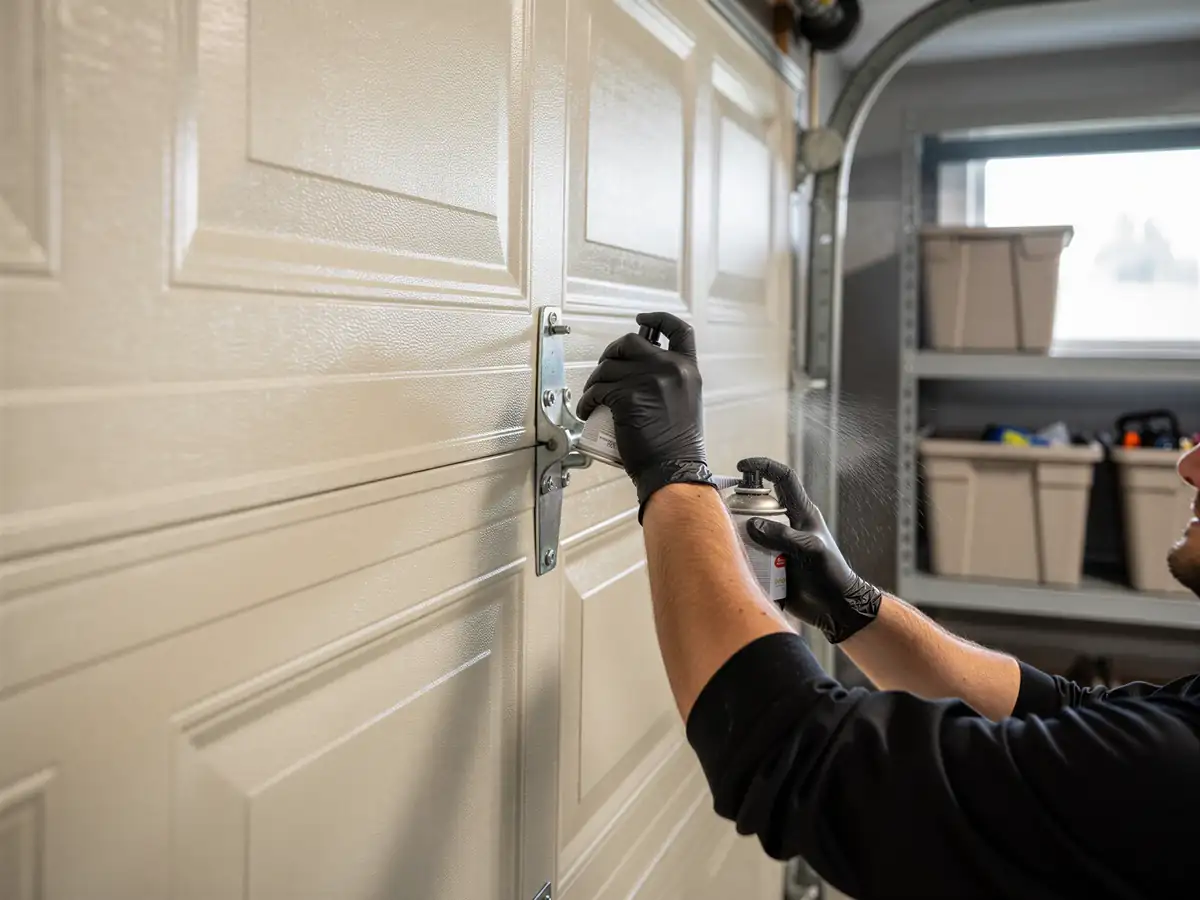
Real winter swings that stiffen grease, shrink seals, and put extra load on an opener motor trying to lift a door that's gone stiff overnight. On a 2007-era door, that cold doesn't attack the structure the way it would an older door; it attacks the moving parts that were never built to last twenty-plus years in the first place.
What It Costs
We don't post flat prices because a bent track on a newer door is a different job than a seized bearing on the same door, and quoting one number for both would be a lie either way. What we can tell you is that South Jordan's median household income runs higher than the service area average - $126,400 here against $115,335 across the wider area - and that tends to track with houses that have factory-grade hardware rather than builder-basic parts swapped in later.
That's relevant because factory torsion hardware from a 2007 build is usually still serviceable; we're replacing a part, not re-engineering a mismatched system someone bolted on in 1995. Jobs on this newer stock tend to be more predictable - one bad part, one fix - rather than the cascading repairs you sometimes get on an older door where one failure exposes three more. We'll never pad a quote to match a neighborhood's income bracket, and we'll tell you straight if a repair isn't worth it compared to replacing the unit.
How It Shows Up
On a South Jordan door, the first sign is rarely a dramatic snap. It's the opener straining a half-second longer than it used to, or the door catching slightly before the safety sensors kick the cycle back open. Those are symptoms of parts hitting their wear limit on schedule, not a house that's falling apart.
Cold mornings make it worse before it gets better. A door that closes fine at 2pm can hang up at 7am because grease has thickened and a weakened spring now has less margin to spare. If you're hearing a grinding noise from the bearing plate or seeing the door tilt slightly to one side as it opens, that's a bracket or cable issue, not something to force through with the opener - forcing it is how a $150 bracket fix turns into a $400 track replacement.
The DIY Question
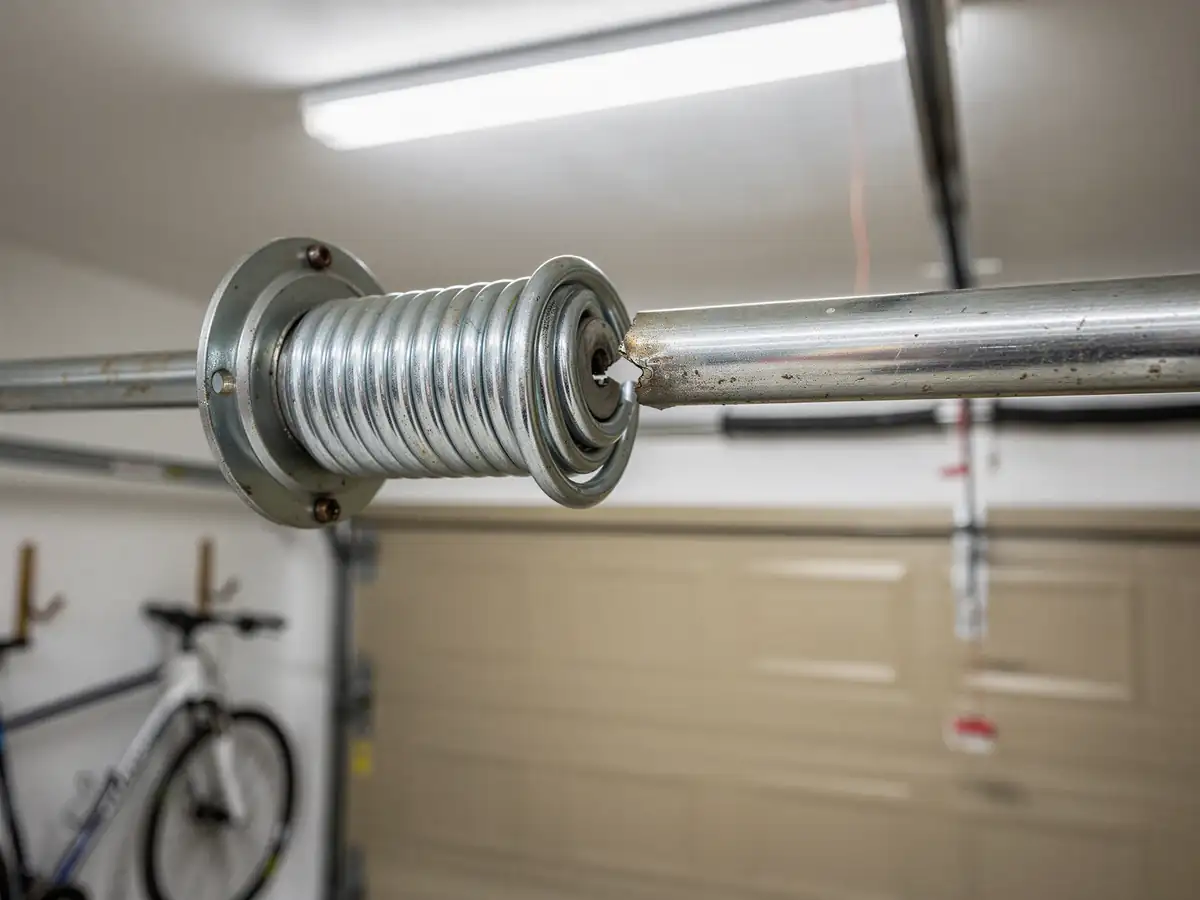
Anything involving the torsion spring itself
Adjustment, replacement, even just loosening the set screws - isn't a DIY job. A 2007-era spring under full tension can put a grown man in the hospital, and we won't talk anyone through doing it themselves over the phone.
What you can safely check yourself
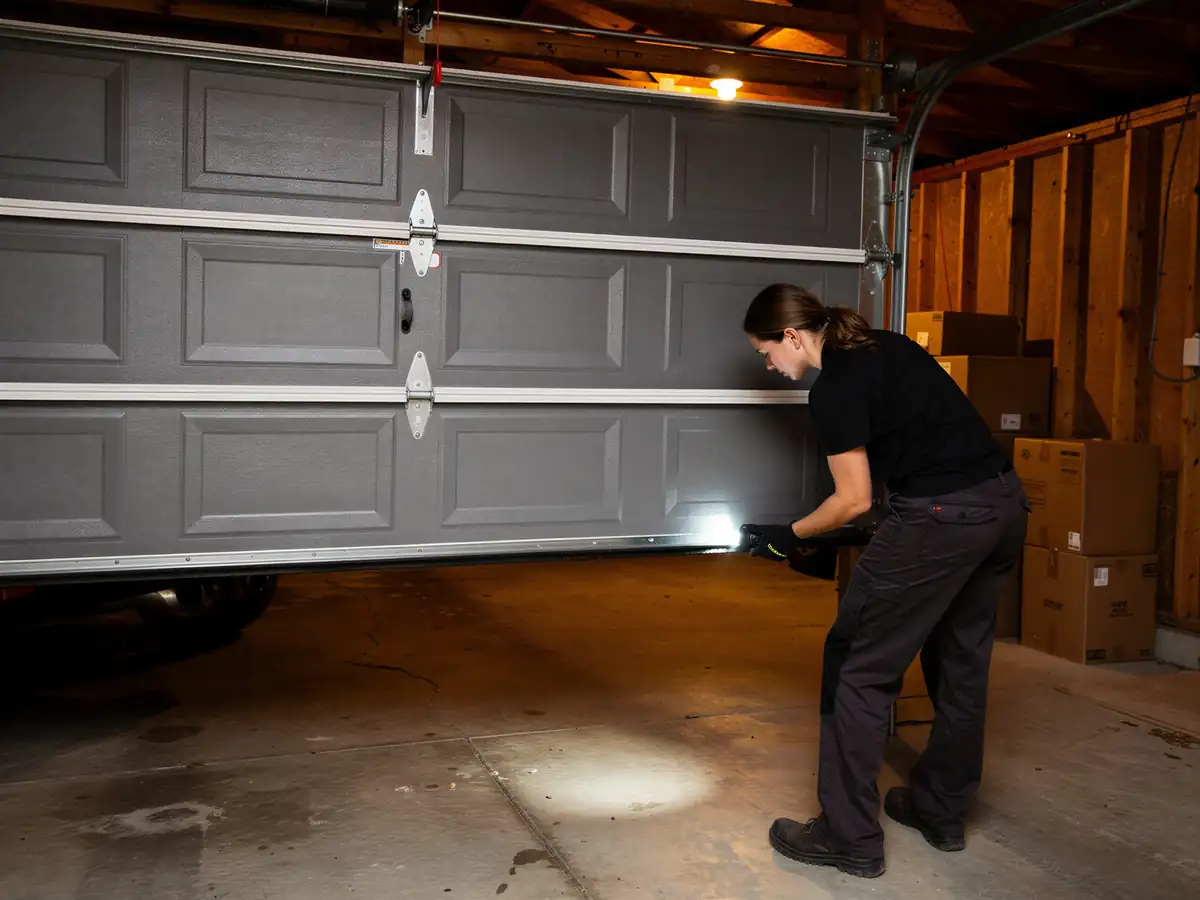
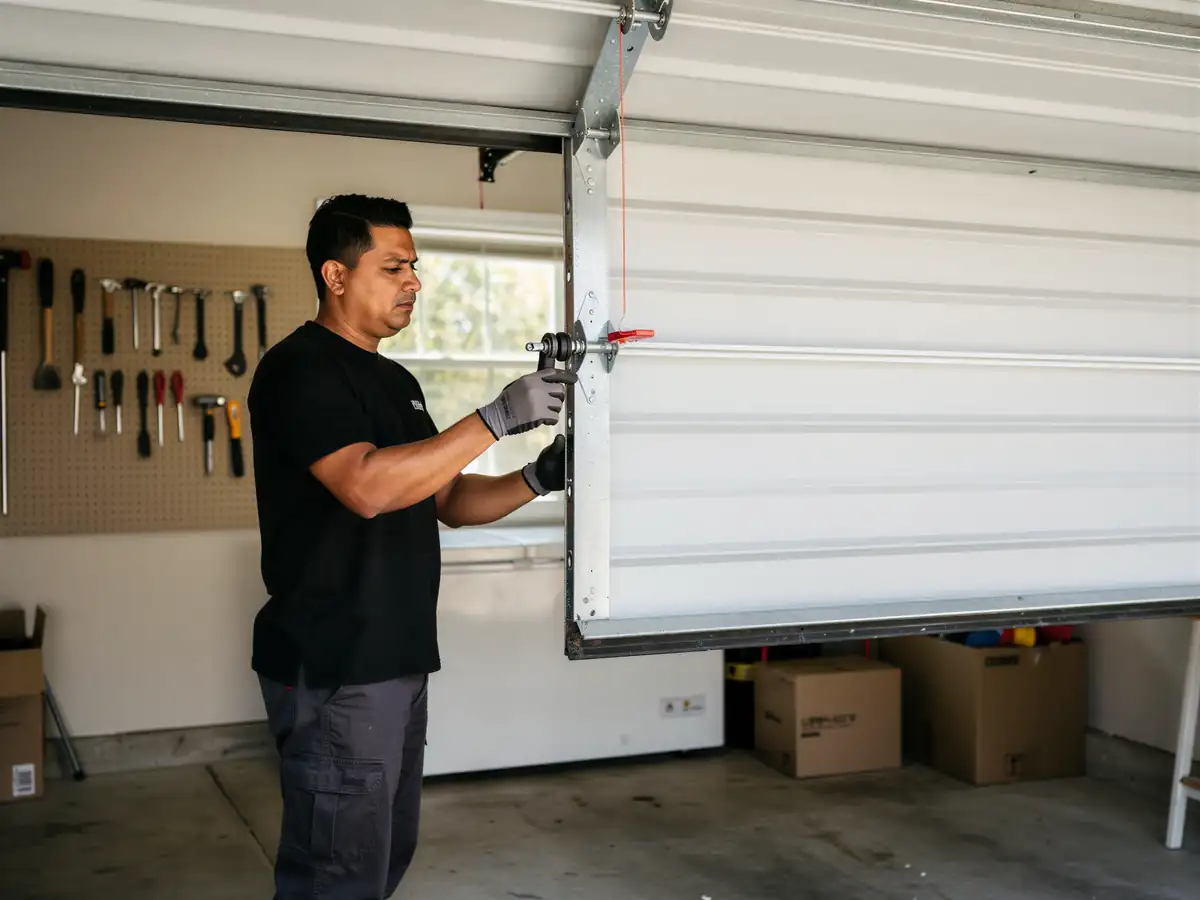
The track for visible dents, the weatherstripping along the bottom for gaps letting cold air in, and whether the opener's safety sensors have anything blocking the beam. If the door is binding only in cold weather and runs fine once the garage warms up, that's a maintenance call, not an emergency - worth mentioning when you call so we bring the right parts instead of guessing.
We're coming from West Jordan, about 3 miles out
So we're not sitting on a lift gate the moment you call, but it's a short enough haul that parts delays are more likely to come from a manufacturer backorder than from our drive time.
- 3 miles