What It Costs
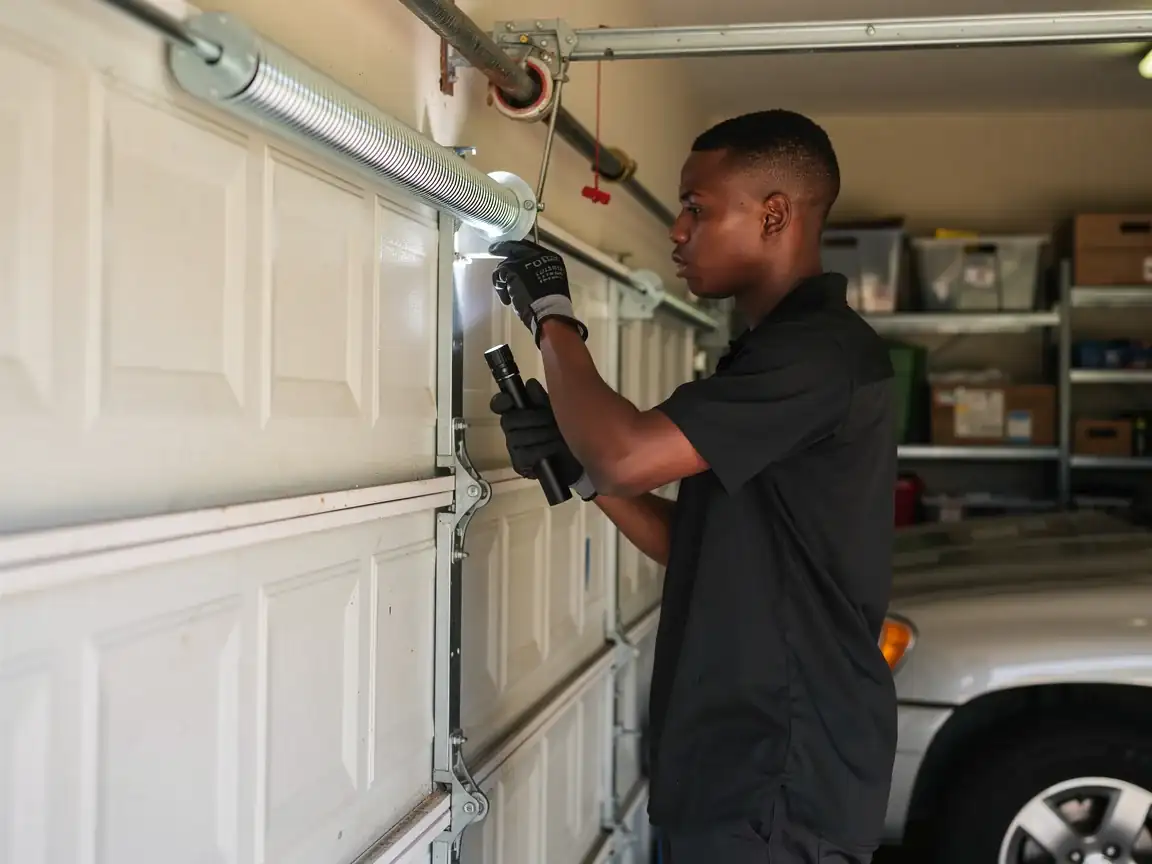
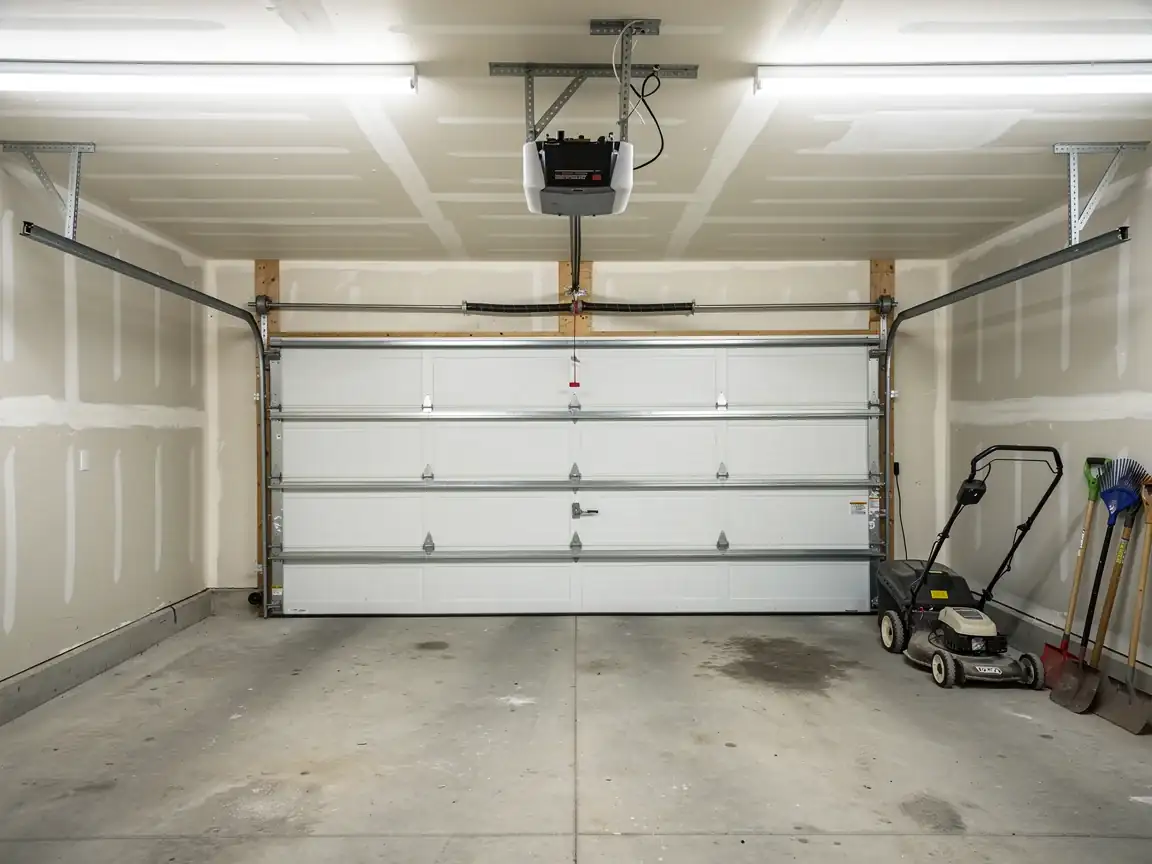
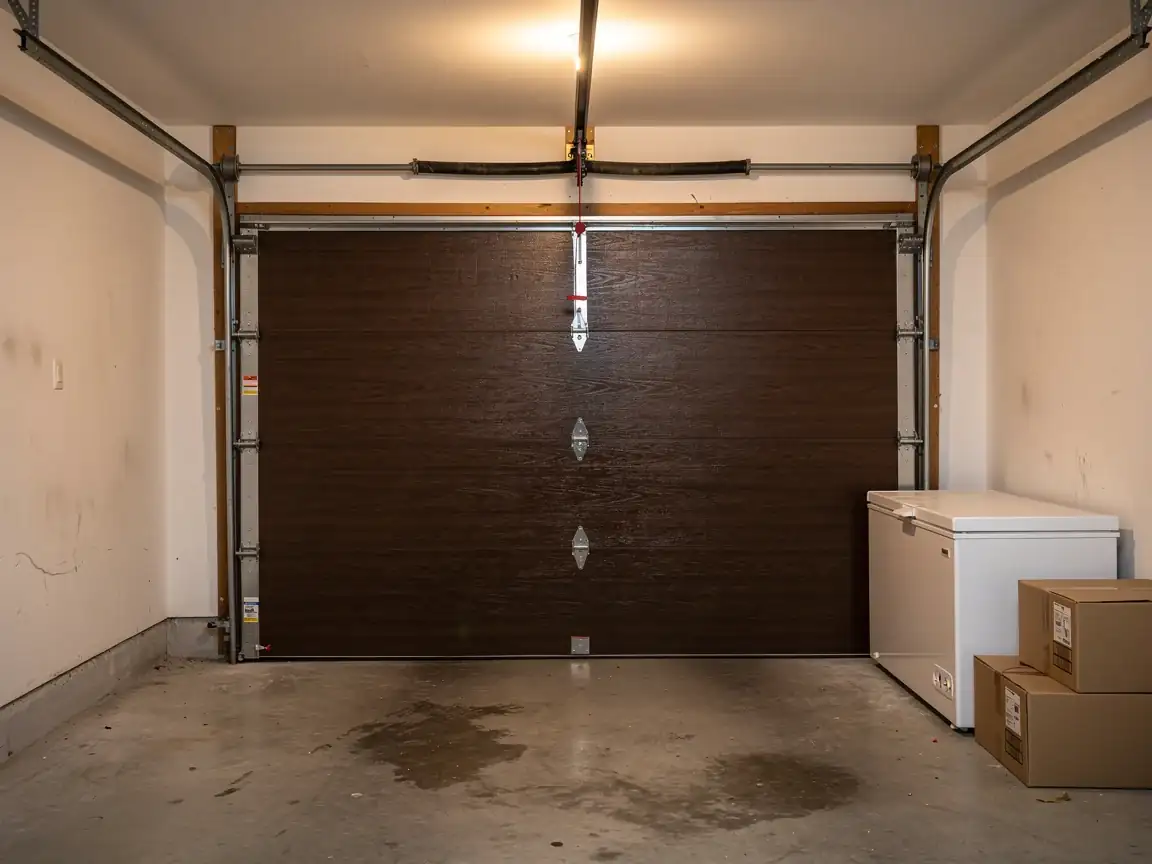
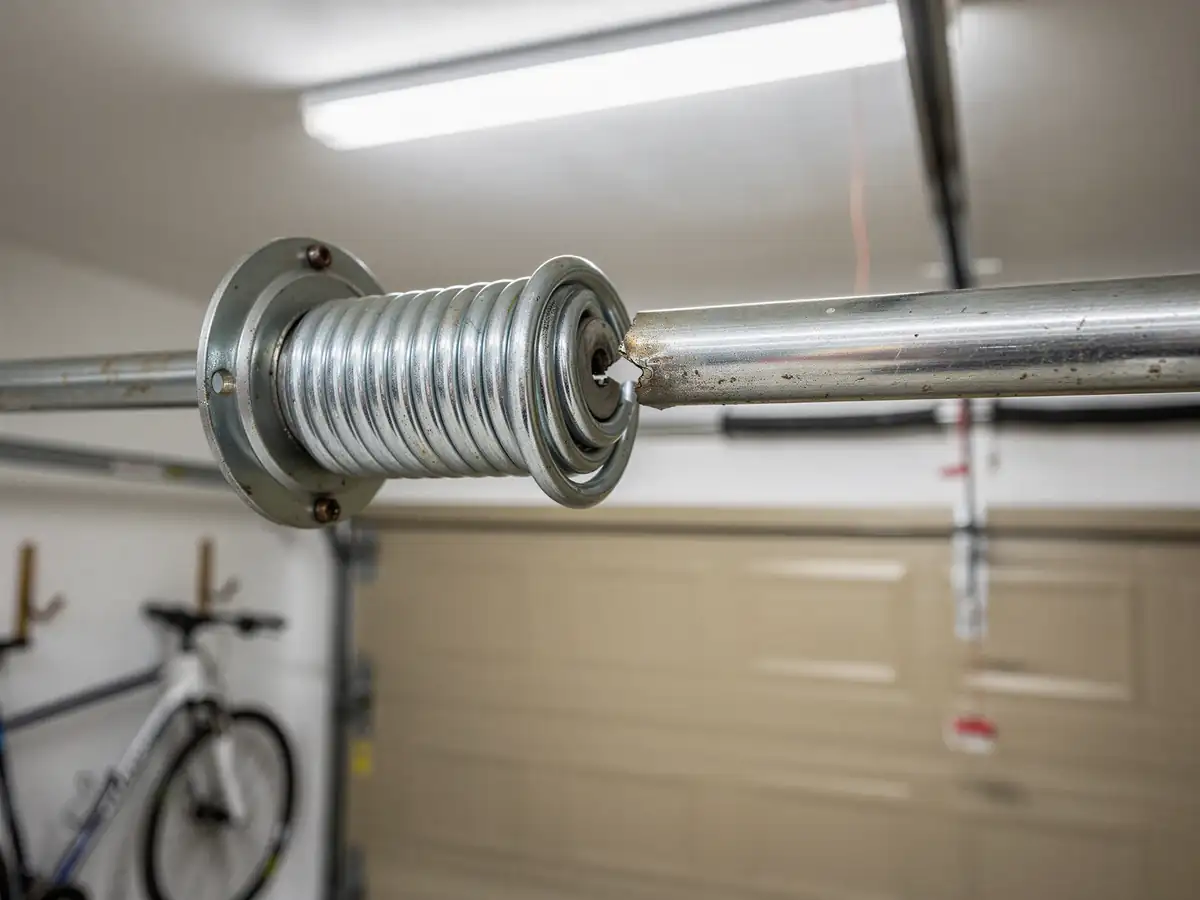
We don't have a West Valley City-specific price list to quote here, and giving you a number without seeing the door would be a guess dressed up as a fact. What does change the cost conversation is the hardware era. Extension spring setups from the 1984 vintage of construction are generally cheaper to repair than torsion systems, but if the drums, cables, or track have rust pitting from decades of Utah winters, replacement parts for that older configuration aren't always sitting on the truck the way current stock is. That can mean a return trip instead of a one-visit fix. We'll tell you on site whether we're looking at a straightforward spring swap or something where the age of the parts pushes you toward replacing the whole assembly instead of patching it.
The DIY Question
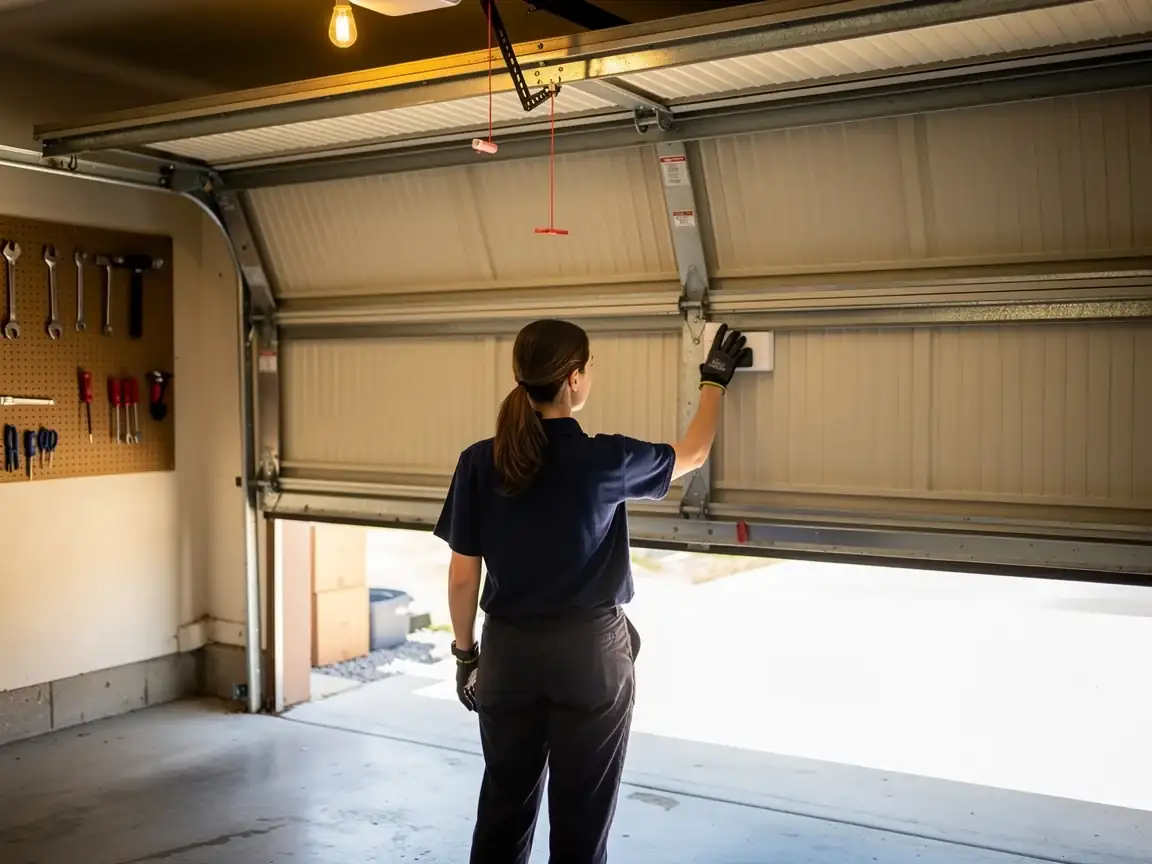
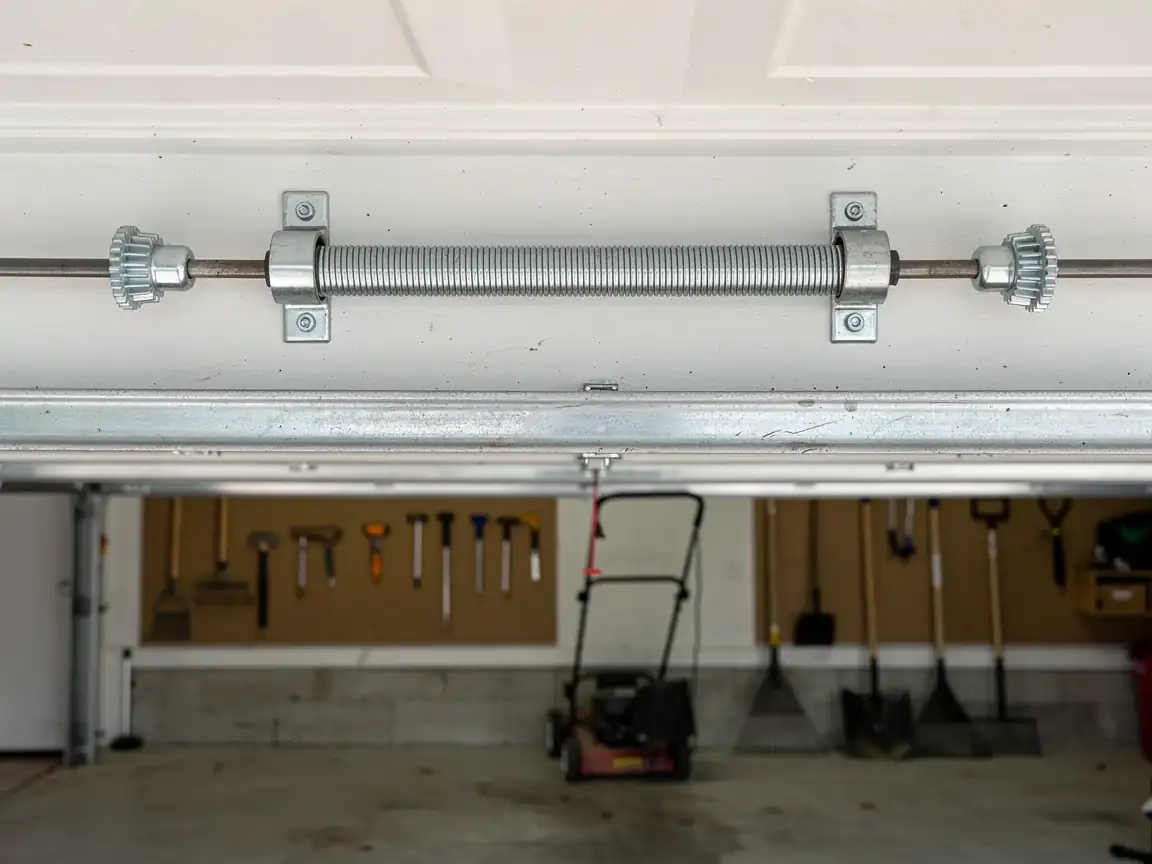
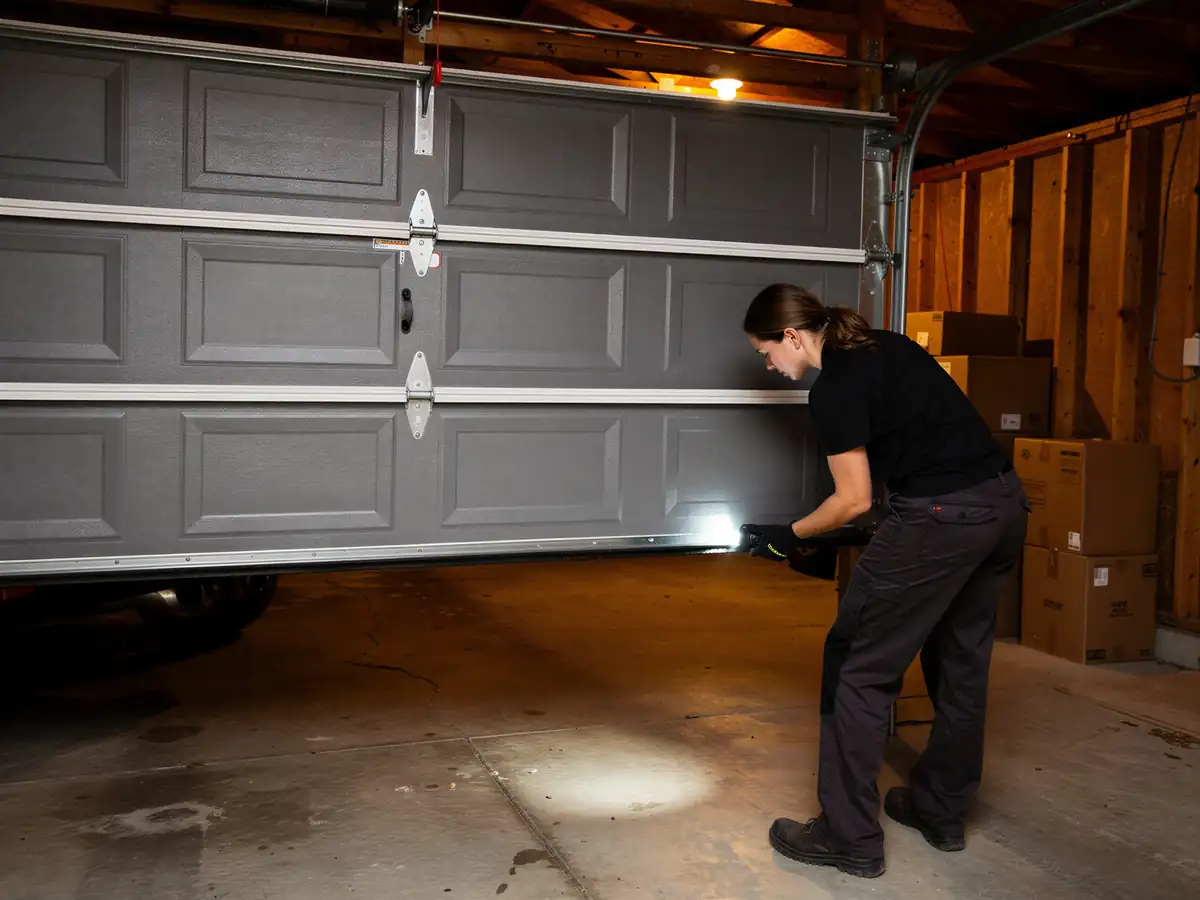
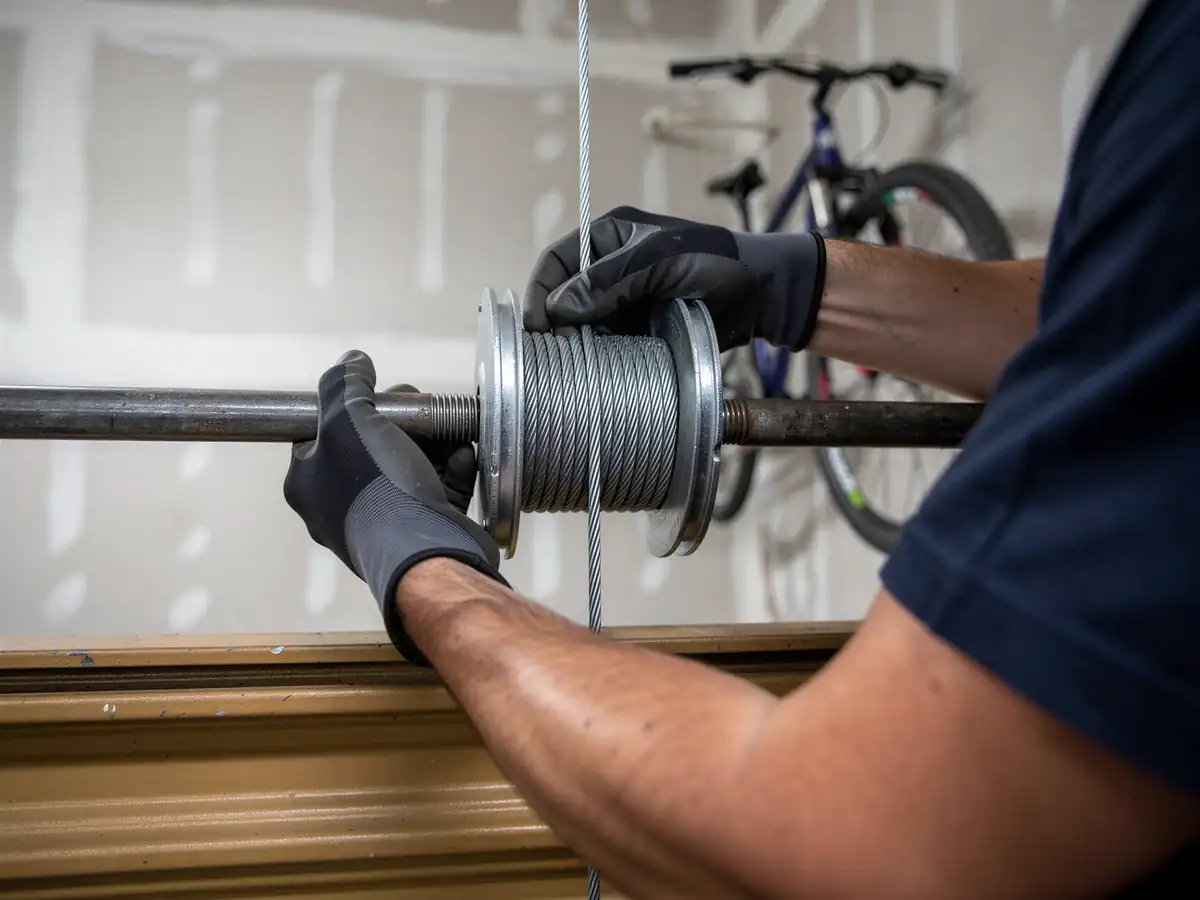
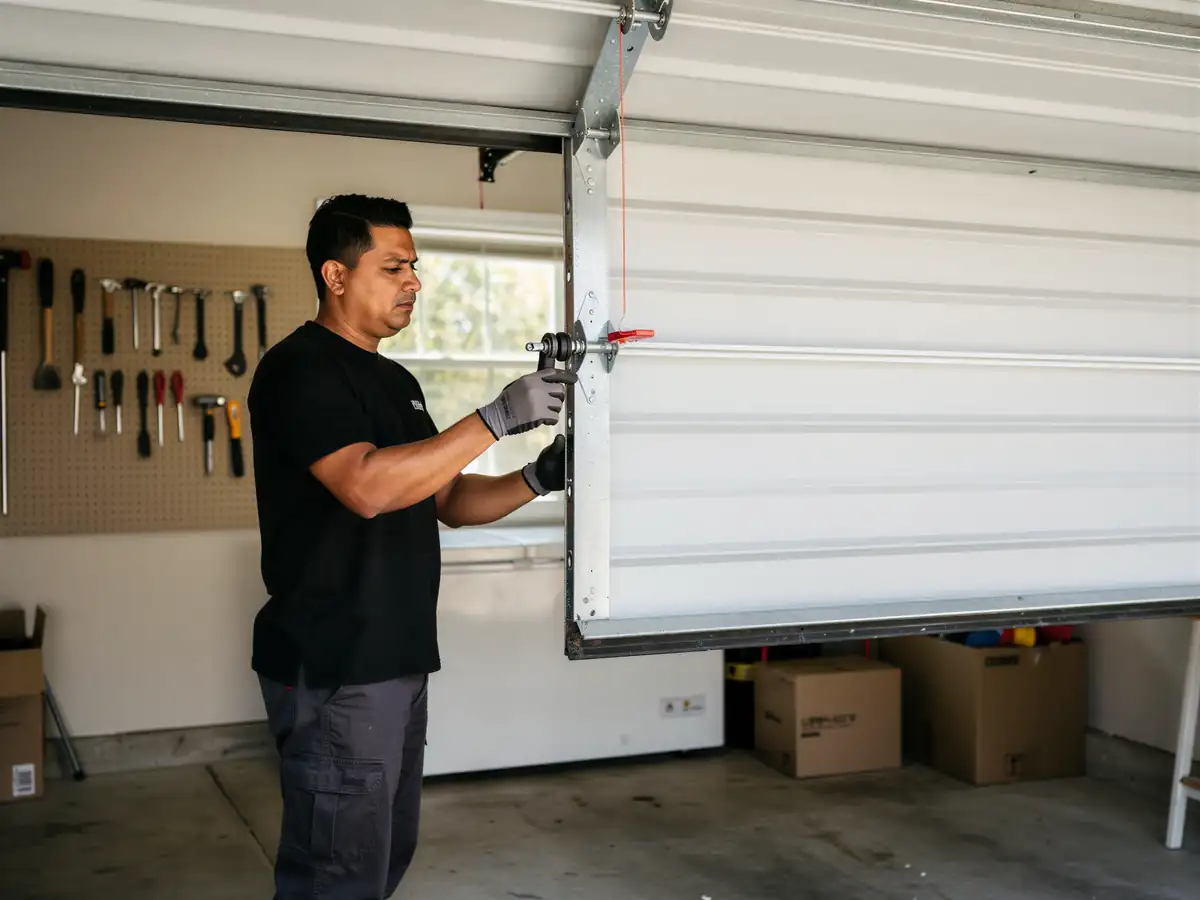
An extension spring under tension will put you in the ER if the cable slips while you're working on it, and that risk doesn't go away because the door is older or looks simple. If you're comfortable with it, there are things worth doing yourself on a house this age: checking that the track bolts haven't backed out from thirty-plus years of vibration, clearing debris from the bottom seal, and listening for a grinding roller before it seizes. Spring replacement and anything involving the cable drums is not a weekend project, especially on extension-spring doors where the containment cable is easy to skip and expensive to skip wrong. If the door won't move at all, or moves unevenly, stop and call rather than forcing the opener to push through it.
Where This Job Goes Sideways
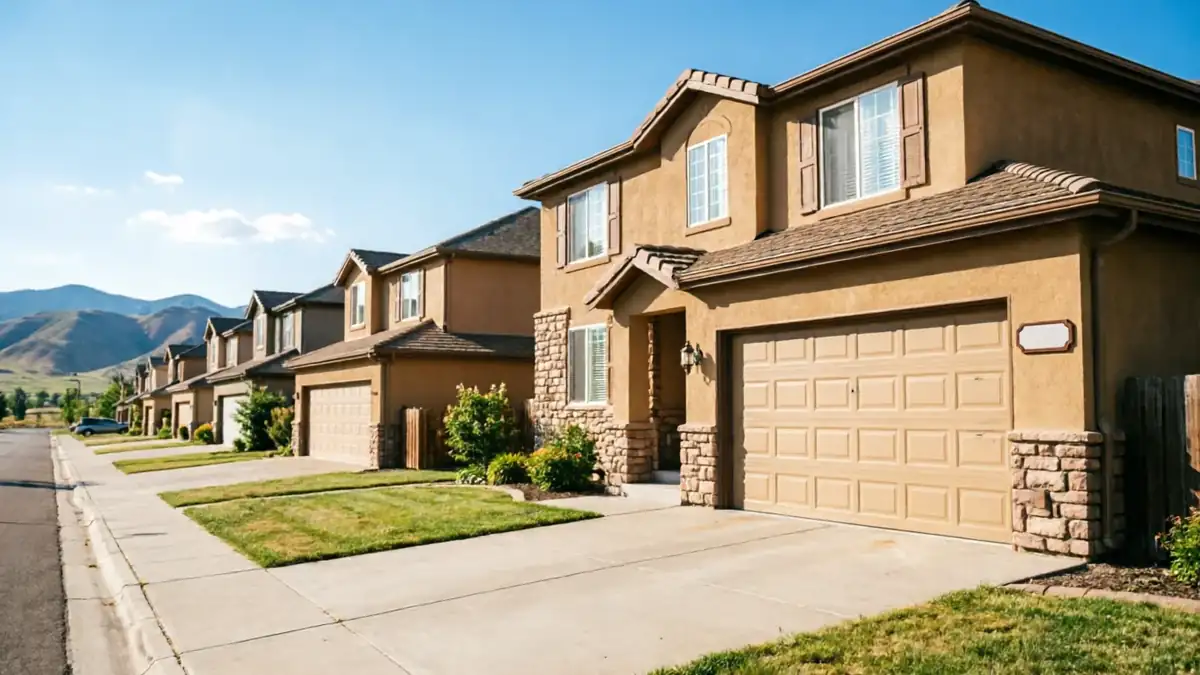
The most common misstep on a house this age is diagnosing an opener problem when the real issue is the spring giving out, because a failing extension spring makes the opener strain and sound like it's dying even though the motor is fine. Replace the opener and the door still won't lift right. Across the roughly 38,855 households in West Valley City, this is one of the larger clusters of 1980s-era doors the crew covers out of West Jordan, so the pattern comes up often enough to watch for. The other place it goes wrong is parts mismatch - ordering a generic spring by length instead of matching wire gauge and wind direction to the original, which leaves the door lifting unevenly even after the repair. Matching the part to the era of the house, not just the opening size, is what keeps the fix from becoming a second call.